Study finds Maya cinnabar left mercury in Yucatán lakes for centuries
A Science Advances study of lake sediment at the ancient Maya sites of Coba and Xcach in Mexico found long mercury spikes, likely from cinnabar pigment, that harmed aquatic life. The researchers say it does not show mercury caused the Classic Period collapse.
1 / 2
The story, neutrally told
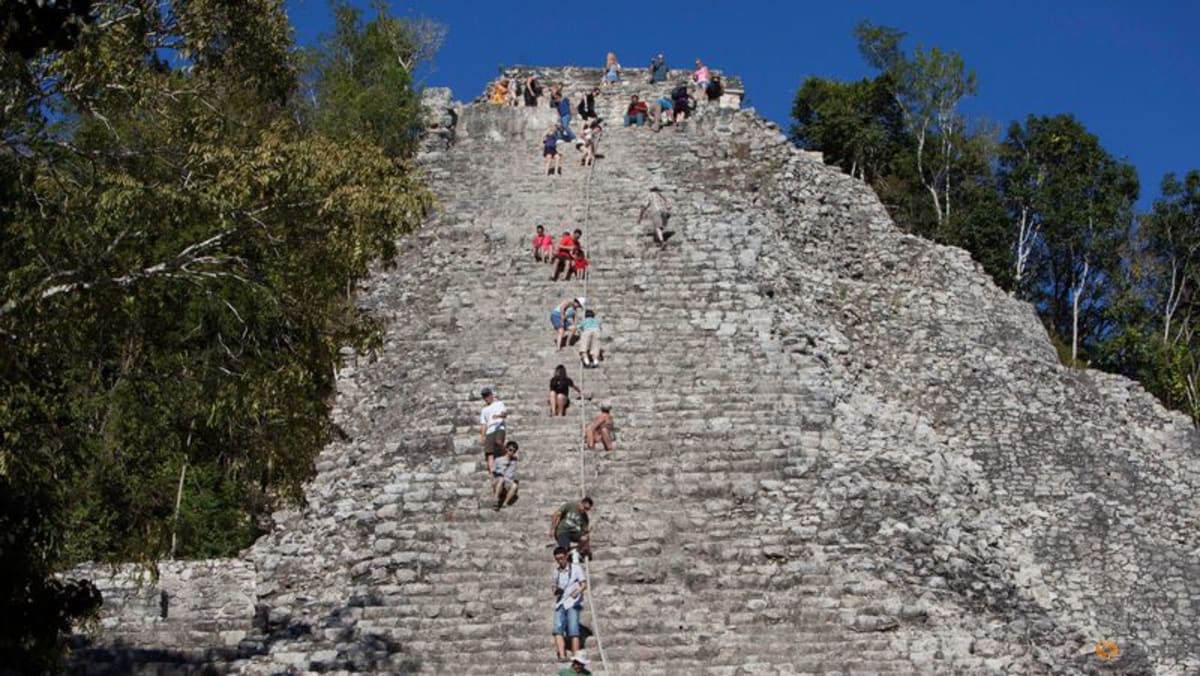
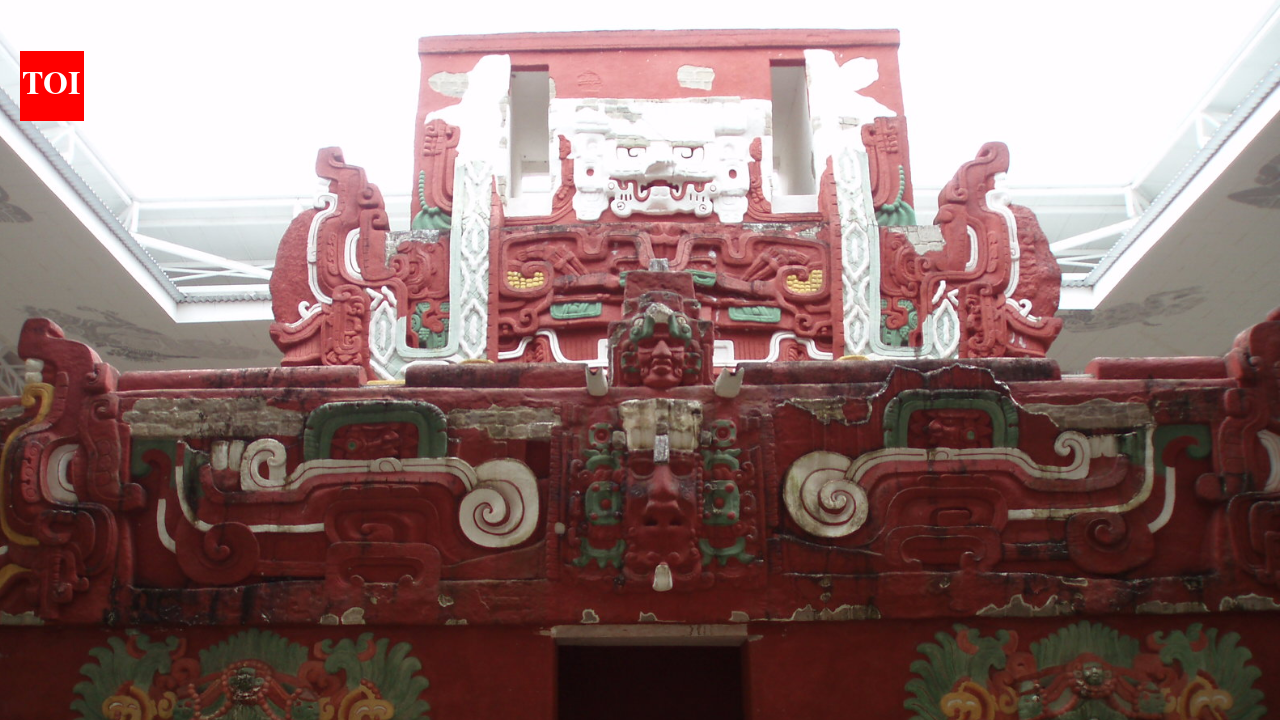
Centre · 2A new study in the journal Science Advances reports that mercury from cinnabar, the red mineral the ancient Maya used as pigment and in ceremonies, contaminated lakes at two Maya cities on Mexico's Yucatán peninsula. CNAN “A new study reveals that this contamination was more widespread than previously known” Read at CNA ↗ The Times of IndiaN “A new study published in Science Advances” Read at The Times of India ↗ Centre · 1Researchers took core samples from beneath lakes at Coba, a well-studied site, and Xcach, a little-known one. CNAN “the well-studied site of Coba and the little-known site of Xcach” Read at CNA ↗ Centre · 2At Coba, mercury rose from around 250 AD and stayed high for about 150 years. At Xcach there were three spikes: roughly 125–200 AD, one at about the same time as Coba's, and one from about 535 to 820 AD, near the end of the Classic Period. The Times of IndiaN “A further spike occurred between 535 and 820 AD.” Read at The Times of India ↗ CNAN “a mercury spike at Coba beginning around 250 AD and lasting about 150 years” Read at CNA ↗
Centre · 1The study reports some of the highest Maya-era mercury concentrations recorded, in the northern lowlands, a region with sparse earlier mercury data. Lead author Matt Waters of Auburn University said modern toxicology and pollution standards were far exceeded at the most toxic levels for centuries. CNAN “reveals some of the highest recorded Maya-era mercury concentrations”“modern toxicology and pollution regulations were far exceeded at the most toxic levels for centuries around Coba and Xcach” Read at CNA ↗ Centre · 2The sediments also showed that markers for bacteria, algae, cyanobacteria, shelled organisms and insect midges decreased or vanished, which Waters said meant mercury had entered multiple levels of the food chain. CNAN “which all decreased or vanished in the lakes, meaning the mercury had made its way into multiple levels of the food chain” Read at CNA ↗ The Times of IndiaN “shelled organisms such as snails and ostracods, and non-biting insect midges” Read at The Times of India ↗ Centre · 2Co-author Savanna Wooten said the sediment records do not show human exposure, but the food-chain movement implies people might have been exposed through water or fish. Mercury can harm the central nervous system, brain, kidneys, lungs and heart. CNAN “this trophic movement implies that the Maya people might have been exposed to mercury via consumption of water or fish” Read at CNA ↗ The Times of IndiaN “Although the study does not directly establish how much mercury entered the bodies of ancient Maya residents” Read at The Times of India ↗
Centre · 2Many Maya cities collapsed at the end of the Classic Period, and explanations include climate change and warfare. The researchers suggest mercury as one more stressor but say there is no direct link to the collapse; Wooten said the work 'does little to link mercury directly to the demise' of Classic-era cities. CNAN “This research does little to link mercury directly to the demise of Classic-era Maya cities.” Read at CNA ↗ The Times of IndiaN “researchers caution that there is no direct evidence linking it to the eventual decline of Maya cities” Read at The Times of India ↗ Centre · 1Earlier work had found mercury at other Maya sites. The Times of India cites a 2020 study of Tikal's reservoirs with concentrations up to 17 micrograms per gram, a 2022 review in which 7 of 10 settlements had at least one location above modern toxicity benchmarks, and a 2024 Ucanal study finding Terminal Classic reservoir mercury about 300% higher than earlier periods. The Times of IndiaN “mercury concentrations as high as 17 micrograms per gram in certain sediment samples”“7 of the 10 sites had recorded at least one location with mercury concentrations exceeding modern environmental toxicity benchmarks”“around 300% higher than levels recorded in earlier periods” Read at The Times of India ↗ Centre · 1The researchers note that cinnabar is not found in natural abundance at Coba and Xcach and may have been a major trade commodity there. Coba is estimated to have had 60,000 to 90,000 people in the Classic Period. CNAN “may have been a major trade commodity in places like Coba and Xcach where it is not found in natural abundance”“estimated to have had a population of 60,000 to 90,000 people during the Classic Period” Read at CNA ↗
Every sentence links to the reporting it rests on. The pill in front of each says where its sources sit: Left, Centre or Right when one side supplies at least half of them, Mixed when they are evenly split. The number is how many outlets it cites.
Left0 outlets
No left outlet in our sources has covered this story yet.
Centre2 outlets
- Framing
- Both outlets present a science explainer on a new study: CNA leads with cinnabar's sacred meaning and the study's findings with researcher quotes; the Times of India adds a Q&A format, earlier studies and a reflective closing.
- Emphasis
- CNA stresses researcher quotes and the extent of contamination. The Times of India stresses background on prior mercury research at Tikal and Ucanal and the lasting legacy.
- Leaves out or plays down
- CNA leaves out the details of earlier studies and the specific stressors such as drought and deforestation. The Times of India has no direct researcher quotes and leaves out site details such as Coba's population and Xcach's private land.
- Charged language
- “unpleasant legacy”“unsettling”
- For example
-
“What they did not know is that cinnabar is mostly mercury, which can be highly toxic.” — CNA
“Perhaps the most unsettling part is that the pigment's effects did not disappear” — The Times of India
Right0 outlets
No right outlet in our sources has covered this story yet.
What every side reports
- The study was published in Science Advances and used sediment cores from lakes at Coba and Xcach on the Yucatán peninsula.
- Cinnabar, a mercury-rich mineral, was used by the Maya for pigment, ceremonies and burials.
- Mercury spikes at Coba began around 250 AD and lasted about 150 years; Xcach had spikes including 535–820 AD.
- Aquatic organisms declined or vanished as mercury rose.
- The study does not directly link mercury to the Maya collapse or show human exposure.
East and Southeast Asia1 outlet
CNA runs the study report with researcher quotes and the collapse caveat.
“The new research suggests mercury poisoning as one additional factor.” — CNA
CNA
South Asia1 outlet
The Times of India frames it as a lasting environmental legacy, with context from earlier studies.
“The lakes continued to hold traces of what had entered them centuries earlier” — The Times of India
The Times of India
Left0 articles
No coverage yet.
Centre2 articles
-
CNAN ·
Mercury contamination found at more ancient Maya sites
Neutral Straightforward study report with quotes from Waters and Wooten, careful to say mercury is not directly tied to the collapse.
-
Ancient Maya cities used red pigment in temples; study finds it left mercury in lakes for centuries
Mixed Explanatory piece that places the study among earlier Maya mercury research and ends on a reflective, somewhat dramatic note.
Right0 articles
No coverage yet.
- 6 Nov 13:29 First CNAN Mercury contamination found at more ancient Maya sites
- 8 Nov 08:18 +42h 49m The Times of IndiaN Ancient Maya cities used red pigment in temples; study finds it left mercury in lakes for centuries
Times are when each article was published, or when we first saw it if the outlet gave no time.
Ask about this story
Loading…