Mexico's reform barring dual citizens from top elected offices takes effect
President Claudia Sheinbaum signed a constitutional reform on 7 October requiring presidential, gubernatorial and Mexico City mayoral candidates to hold only Mexican nationality from 2028. Opponents say it targets the opposition; Sheinbaum says it guards against foreign interference.
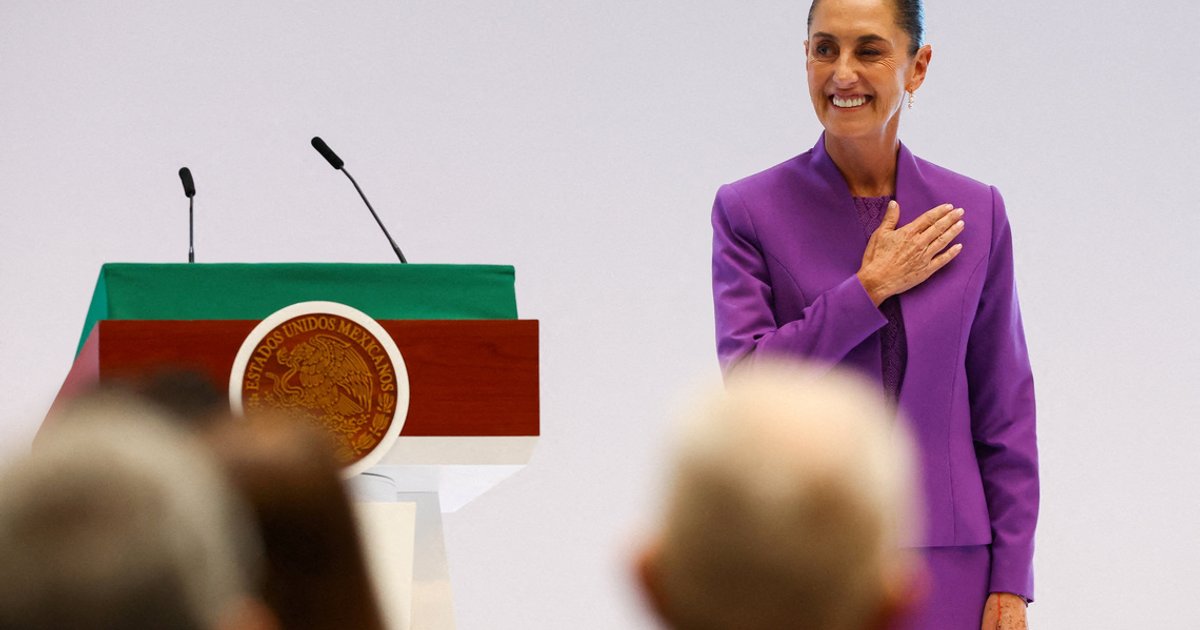
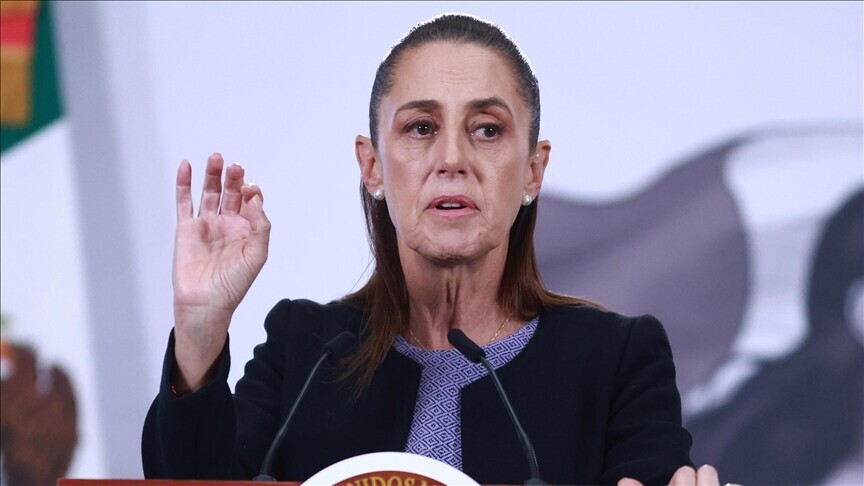
1 / 2
The story, neutrally told
Mixed · 2Mexican President Claudia Sheinbaum signed a constitutional reform on Wednesday 7 October 2026 requiring candidates for president, state governor and Mexico City mayor to hold only Mexican nationality. Anadolu AgencyN “Mexican President Claudia Sheinbaum signed a constitutional reform Wednesday requiring candidates for the presidency, state governorships and the Mexico City mayor’s office to hold only Mexican nationality.” Read at Anadolu Agency ↗ The Straits TimesRC “Mexico's reform to block dual citizens from running for president will take effect on Wednesday” Read at The Straits Times ↗ Right · 1Sheinbaum said at her daily press conference, "No president or governor may hold dual citizenship," and that the official gazette would publish the decree later that day. The Straits TimesRC “"Today we signed the decree ... No president or governor may hold dual citizenship," Sheinbaum said at her daily press conference.” Read at The Straits Times ↗ Mixed · 2The rules apply from 2028: candidates with dual nationality must renounce the other nationality before registering with the National Electoral Institute (INE). Anadolu AgencyN “Candidates who hold dual nationality will have to renounce their other nationality and retain only Mexican nationality before completing their electoral registration.” Read at Anadolu Agency ↗ The Straits TimesRC “will apply starting in 2028.” Read at The Straits Times ↗
Mixed · 2Next year's midterm elections, in which some governorships will be on the ballot, will proceed without changes. The Straits TimesRC “Next year's midterm elections, in which some state governor positions will be on the ballot, will proceed without changes.” Read at The Straits Times ↗ Anadolu AgencyN “The measure will not affect the 2027 elections.” Read at Anadolu Agency ↗ Centre · 1The measure does not ban Mexicans from holding dual nationality; it applies only to those seeking the covered offices, and it does not remove the right of people born abroad to Mexican parents to have Mexican nationality by birth. Anadolu AgencyN “The measure does not ban Mexicans from holding dual nationality.”“The new provision does not remove that right but adds a requirement for those seeking the offices covered by the reform.” Read at Anadolu Agency ↗ Mixed · 2Sheinbaum proposed the reform in late August and defended it as a measure to prevent foreign interference; Anadolu reports she and the government present it as strengthening national sovereignty with a single-nationality requirement. The Straits TimesRC “was proposed in late August by President Claudia Sheinbaum, who defended it as a measure to prevent foreign interference.” Read at The Straits Times ↗ Anadolu AgencyN “Sheinbaum has presented the measure as a way to strengthen Mexico’s sovereignty” Read at Anadolu Agency ↗
Mixed · 2It was approved by a majority of lawmakers and senators from the ruling Morena party and its allies, and Anadolu says it was ratified by 22 state legislatures. The Straits TimesRC “approved by a majority of lawmakers and senators from the ruling Morena party and its allies” Read at The Straits Times ↗ Anadolu AgencyN “ratified by 22 state legislatures before being signed into law.” Read at Anadolu Agency ↗ Right · 1Critics say the ruling party designed the move to block opposition candidates and that it violates the rights of Mexicans who migrated and took citizenship elsewhere, such as in the United States; they also note the Constitution already sets nationality requirements for top posts. The Straits TimesRC “amid criticism that the ruling party designed the move to bloc”“note that Mexico's Constitution already establishes nationality requirements for top positions.” Read at The Straits Times ↗ Right · 1The opposition PAN party said the reform is inconsistent with rules for Congress, which let lawmakers and senators hold other nationalities, and Larry Rubin, president of the American Society of Mexico, who holds US and Mexican citizenship, said loyalty is measured by actions rather than passports. The Straits TimesRC “The opposition PAN party said the reform is inconsistent with regulations for Congress, which allow lawmakers and senators to hold other nationalities.”“"Loyalty to Mexico is not measured by how many passports a person has, but by their actions, their track record, and their respect for the Constitution,"” Read at The Straits Times ↗
Right · 1Reuters notes that Cuba, Nicaragua and Venezuela also prohibit their presidents from holding another nationality. The Straits TimesRC “Cuba, Nicaragua, and Venezuela also prohibit the president from holding another nationality.” Read at The Straits Times ↗
Every sentence links to the reporting it rests on. The pill in front of each says where its sources sit: Left, Centre or Right when one side supplies at least half of them, Mixed when they are evenly split. The number is how many outlets it cites.
Left0 outlets
No left outlet in our sources has covered this story yet.
Centre1 outlet
- Framing
- Anadolu reports the signing and the rules in explanatory terms, largely in the government's language of sovereignty.
- Emphasis
- Procedure, ratification by 22 state legislatures, and that dual nationality itself is not banned.
- Leaves out or plays down
- Does not mention the opposition's claim of political targeting, the PAN objection or Larry Rubin's criticism.
- For example
-
“The reform raised debate about the political rights of Mexicans with dual nationality, including those born abroad to Mexican parents.” — Anadolu Agency
Right1 outlet
- Framing
- Reuters copy run by The Straits Times leads with criticism that the ruling party designed the move to block opposition candidates.
- Emphasis
- Opposition and diaspora criticism, the PAN objection, existing constitutional nationality rules and comparison with Cuba, Nicaragua and Venezuela.
- Leaves out or plays down
- Does not mention the 22 state legislatures' ratification or that dual nationality remains legal for other Mexicans.
- For example
-
“amid criticism that the ruling party designed the move to bloc” — The Straits Times
What every side reports
- Sheinbaum signed the reform on 7 October 2026.
- It covers the presidency, state governorships and the Mexico City mayoralty.
- It applies from 2028 and does not change the next elections.
- Dual nationals must give up other nationalities to run.
Where accounts differ
-
Purpose of the reform
- Centre
- Anadolu presents it as the government's aim to strengthen sovereignty with a single-nationality requirement, noting it raised debate over dual nationals' political rights.
- Right
- Reuters, carried by The Straits Times, says critics claim the ruling party designed it to block opposition candidates, while Sheinbaum calls it protection against foreign interference.
Mexico place
President Sheinbaum's government presents the reform as protection against foreign interference and a way to strengthen sovereignty; opponents call it aimed at the opposition.
“who defended it as a measure to prevent foreign interference” — The Straits Times
“Sheinbaum has presented the measure as a way to strengthen Mexico’s sovereignty” — Anadolu Agency
Left0 articles
No coverage yet.
Centre1 article
-
Mexican president signs decree restricting dual nationality for top elected offices
Neutral Explanatory account of the decree and its scope, relaying the government's rationale.
Right1 article
-
The Straits TimesRC · · via Reuters
Mexico enacts reform barring dual citizens from presidency
Mixed Wire copy (Reuters) giving the signing alongside opposition and diaspora criticism.
- 7 Oct 17:54 First The Straits TimesRC Mexico enacts reform barring dual citizens from presidency via Reuters
- 7 Oct 18:39 +46m Anadolu AgencyN Mexican president signs decree restricting dual nationality for top elected offices
Times are when each article was published, or when we first saw it if the outlet gave no time.