Economy · Iran-US conflict and ceasefire negotiations
Gulf oil exports recover through Hormuz, but prices stay high
Coverage agrees Middle East crude exports have largely recovered since the war began in February, while supply risks, low inventories and US-Iran uncertainty keep prices elevated. Outlets differ on the recovery's size and on credit for it.
Updated (version 5). New coverage since the last version from Al Jazeera, Anadolu Agency, CBS News.


1 / 5
The story, neutrally told
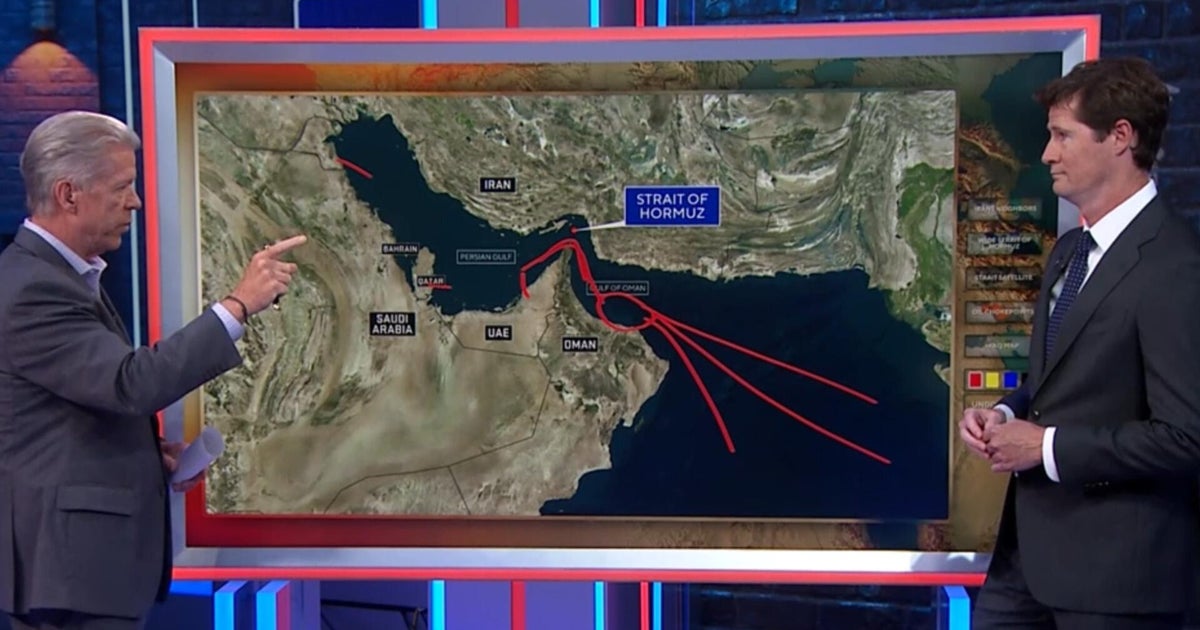
The New York Times reported on 29 September that more tankers are moving through the Strait of Hormuz as shippers gain confidence, though global supply is still below demand. The New York TimesLC “More tankers are moving through the Strait of Hormuz as shippers gain confidence, but the global supply of oil is still below demand.” Read at The New York Times ↗ Estimates of the recovery vary: Goldman Sachs put exports at 23.3 million barrels a day in the week to 29 September, in line with 2025's average, while Kpler put Middle East crude exports just under 80% of pre-war levels. Hindustan TimesN “Oil exports have likely recovered to 23.3 million barrels a day in the week through Sept 29, roughly in line with their 2025 average, according to Goldman Sachs” Read at Hindustan Times ↗ Al JazeeraLC “Kpler said Middle East crude exports have recovered to just under 80 percent of their pre-war level.” Read at Al Jazeera ↗ Reuters, carried by Arab News, cited JP Morgan saying regional exports were 11% below pre-war levels after Saudi Arabia restarted East-West Pipeline flows. Arab NewsRC “regional exports are now just 11 percent below pre-war” Read at Arab News ↗
Brent fell 2.6% on Tuesday to about $102.59 but rose again on Wednesday, and is headed for a monthly gain of roughly 13-14%. Al JazeeraLC “Brent crude fell 2.6 percent to $102.59 a barrel on Tuesday as traders focused on recovering Middle East exports.” Read at Al Jazeera ↗ Hindustan TimesN “Brent crude futures for November delivery rose 1% to $103.64 a barrel at 05:06 ET.” Read at Hindustan Times ↗ Analysts cited a risk premium from unresolved US-Iran talks, elevated tanker insurance and depleted strategic reserves as reasons prices stay high. Al JazeeraLC “Insurance costs for tankers also remain elevated because of the perceived risks of operating in the region” Read at Al Jazeera ↗ Hindustan TimesN “Deutsche Bank analysts said traders are still pricing in the possibility of a longer disruption.” Read at Hindustan Times ↗ President Donald Trump denied an Axios report that he would offer Iran sanctions relief, while Qatar mediates; Iran's Revolutionary Guard spokesperson said there is an ongoing 'military conflict' in the strait. Arab NewsRC “Trump denied an Axios report that cited US officials as saying he was willing to give Iran sanctions relief” Read at Arab News ↗ Al JazeeraLC “Hossein Mohebbi, the Islamic Revolutionary Guard Corps spokesperson on Wednesday said there is an ongoing “military conflict” in the Hormuz Strait.” Read at Al Jazeera ↗
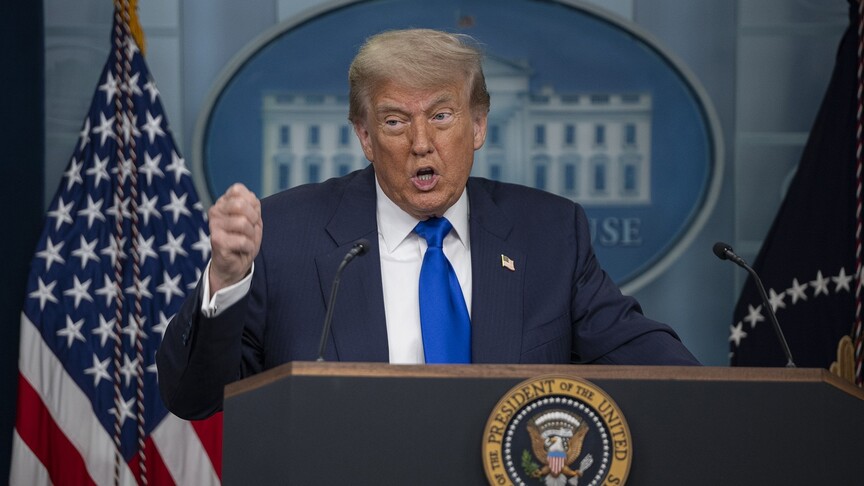
Trump said the US has 'virtually total control' of Hormuz and that more oil came out in three days than ever before, a claim not matched by the export estimates other outlets cite. Anadolu AgencyN “in the last three days, more oil has come out of the Hormuz Strait than at any time in the history of the Hormuz” Read at Anadolu Agency ↗ US diesel reached a record $6.53 a gallon, and the administration is weighing restrictions on diesel exports before the November midterms. Al JazeeraLC “US diesel prices hit a record $6.53 a gallon this month, more than 70 percent higher than the price before the US waged its war on Iran.” Read at Al Jazeera ↗ Hindustan TimesN “Trump is also reportedly considering restrictions on diesel exports as US fuel prices remain high.” Read at Hindustan Times ↗
Every sentence links to the reporting it rests on.
Left3 outlets
- Framing
- Market and strategic analysis: recovery is real but fragile, and may weaken Iran's leverage; CBS frames it as Trump's strategy possibly working.
- Emphasis
- Kpler data, insurance costs, Iran's economic strain, US diesel prices and Trump's political pressure.
- Leaves out or plays down
- Iranian blockaded exports detail from Hot Air.
- Charged language
- “Economic war”
- For example
-
“Tanker insurance costs also remain elevated and energy flows through Hormuz are still far from secure” — Al Jazeera
“The Strait of Hormuz is open and the Trump strategy just might be working” — CBS News
Centre2 outlets
- Framing
- Market-driven reports on prices moving with export recovery and diplomacy; Anadolu relays Trump's claims.
- Emphasis
- Goldman figures, Saudi pipeline, Brent moves, diesel export ban, Trump's statements.
- Leaves out or plays down
- Iran's export collapse and the diesel and refining detail; Anadolu gives no data to test Trump's claim.
- Charged language
- “virtually total control”
- For example
-
“Oil exports have likely recovered to 23.3 million barrels a day in the week through Sept 29” — Hindustan Times
“Traders are balancing the additional Saudi supply against the risk that disruptions through the Strait of Hormuz could continue” — Hindustan Times
Right2 outlets
- Framing
- Hot Air is celebratory commentary crediting US naval action; Arab News carries a Reuters price report on Trump's sanctions denial.
- Emphasis
- Blockade of Iran, diesel squeeze, sanctions and JP Morgan data.
- Leaves out or plays down
- Goldman's higher estimate and the Houthi threat; Hot Air leaves out Iranian attacks on ships.
What every side reports
- Middle East crude exports have recovered substantially from their wartime low.
- Saudi Arabia restored East-West Pipeline flows and Yanbu loadings.
- Oil prices remain high, with Brent above $100.
- US-Iran talks have produced no breakthrough.
Where accounts differ
-
How far exports have recovered
- Left
- Al Jazeera cites Kpler at just under 80% of pre-war levels; CBS headlines 80%.
- Centre
- Hindustan Times cites Goldman at 23.3 million bpd, in line with 2025.
- Right
- Hot Air says nearly 80%; Arab News (Reuters) cites JP Morgan at 11% below pre-war.
-
Whether flows are at record levels and secure
- Left
- Al Jazeera says flows are not yet secure and UKMTO reported three ships struck.
- Centre
- Anadolu relays Trump's claim of record flows and 'virtually total control'.
- Right
- Hot Air credits the US Navy; Arab News figures show exports still below pre-war.
-
Persian Gulf crude exports have substantially recovered toward pre-war levels.
Supported- Supports 5
- Al Jazeera, CBS News, The New York Times, Arab News, Hot Air
- Reports 1
- Hindustan Times
-
Oil and fuel prices remain elevated because supply is still short of demand.
Supported- Supports 3
- Al Jazeera, The New York Times, Hindustan Times
- Reports 2
- Arab News, Hot Air
-
More oil has come out of the Strait of Hormuz in recent days than at any time in its history.
Reported- Reports 1
- Anadolu Agency
- Earlier 2
- Al Jazeera, Arab News
Donald Trump person
Trump says the US has near-total control of Hormuz and record flows, and denies offering Iran sanctions relief.
“We have virtually total control of the Hormuz Strait” — Anadolu Agency
Iran place
Iran's Revolutionary Guard says a military conflict continues in the strait and rejects claims its control is slipping.
“Iran, however, rejects any assessment that its control over the strait is slipping.” — Al Jazeera
Goldman Sachs organisation
Goldman Sachs estimates Gulf exports back at 2025 levels.
“Oil exports have likely recovered to 23.3 million barrels a day in the week through Sept 29” — Hindustan Times
Left3 articles
-
Mideast Oil Exports Rebound Even as Prices Remain Elevated
Neutral Reports the export rebound while stressing that supply still trails demand.
-
‘Economic war’: Is Iran losing its leverage over the Strait of Hormuz?
Mixed Analysis asking whether the export rebound erodes Iran's leverage, while stressing remaining risks.
-
Middle East oil exports rebound to 80% of prewar levels
Sympathetic Video segment headline and lede suggesting Trump's strategy may be working.
Centre3 articles
-
Oil prices slip further as Gulf exports recover
Neutral Price-focused market report using analyst data and noting persistent regional risks.
-
Brent crude oil price today: Why are oil prices rising as Saudi exports recover?
Neutral Explainer on why Brent rose despite Saudi export recovery.
-
US has 'virtually total control' of Strait of Hormuz: Trump
Neutral Short relay of Trump's claims of control and record flows, with war background.
Right2 articles
-
Hot AirR ·
Middle East Crude Running at 80 Percent of Pre-War Levels
Celebratory Partisan blog post crediting the US Navy and administration and blaming green policy for the diesel crunch.
-
Arab NewsRC · · via Reuters
Oil gains after Trump denies he is willing to ease sanctions on Iran
Neutral Reuters price report linking oil moves to Trump's sanctions denial, Qatar diplomacy and recovering supply.
- 28 Sep 21:20 First Hot AirR Middle East Crude Running at 80 Percent of Pre-War Levels
- 29 Sep 16:03 +18h 43m The New York TimesLC Mideast Oil Exports Rebound Even as Prices Remain Elevated
- 30 Sep 08:06 +34h 46m Arab NewsRC Oil gains after Trump denies he is willing to ease sanctions on Iran via Reuters
- 30 Sep 12:00 +38h 40m Hindustan TimesN Oil prices slip further as Gulf exports recover
- 30 Sep 13:05 +39h 45m Al JazeeraLC ‘Economic war’: Is Iran losing its leverage over the Strait of Hormuz?
- 30 Sep 14:22 +41h 2m Hindustan TimesN Brent crude oil price today: Why are oil prices rising as Saudi exports recover?
- 30 Sep 19:33 +46h 13m Anadolu AgencyN US has 'virtually total control' of Strait of Hormuz: Trump
- 30 Sep 23:53 +50h 33m CBS NewsLC Middle East oil exports rebound to 80% of prewar levels
Times are when each article was published, or when we first saw it if the outlet gave no time.