SpaceX launches Crew-13 to the International Space Station for NASA
A SpaceX Falcon 9 carried NASA's Crew-13 (two US astronauts, one Canadian, one Russian) from Florida on 1 October toward the ISS, with docking planned for about 7 p.m. EDT. Coverage largely agrees on facts; CBS adds mission detail and human interest.
1 / 5
The story, neutrally told
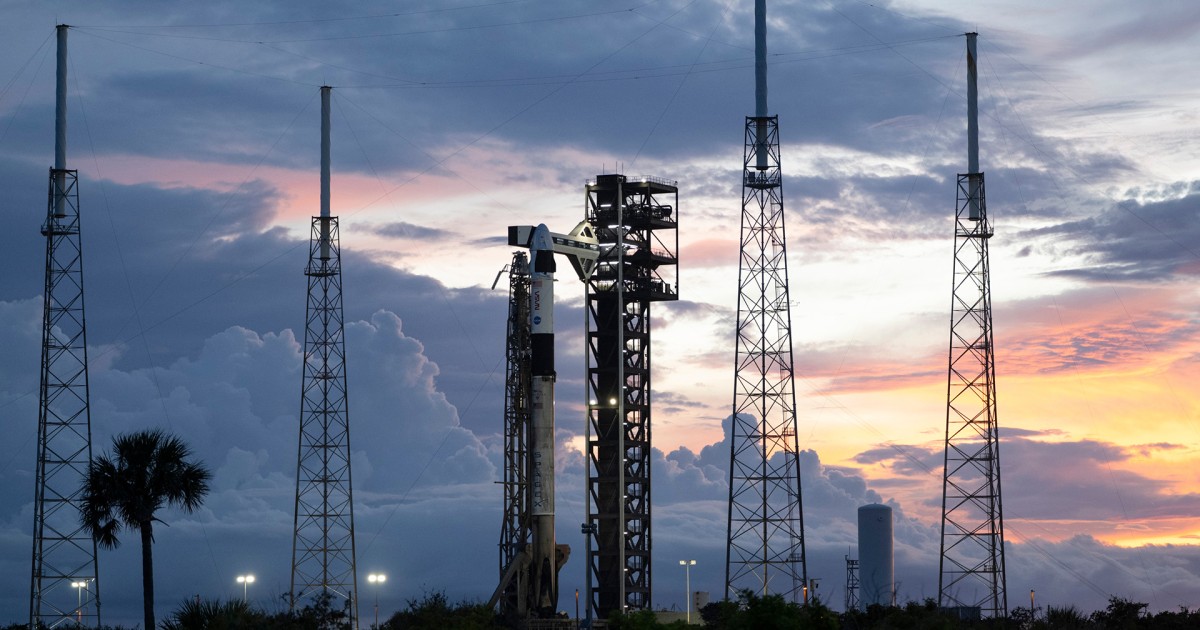
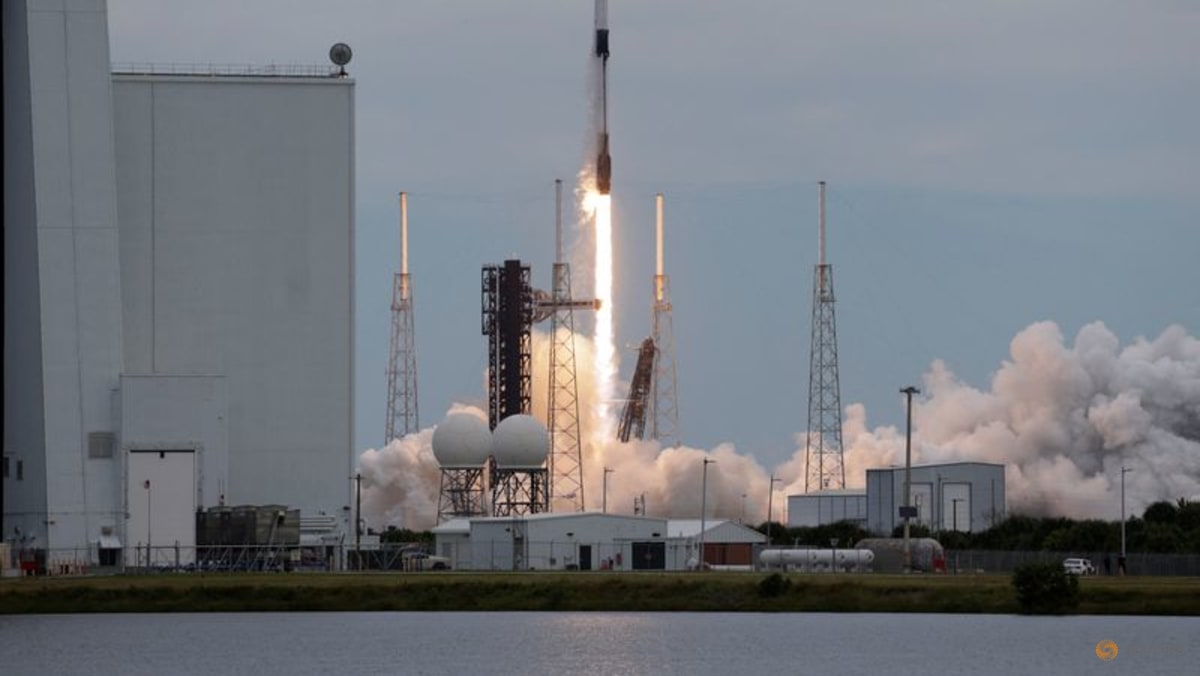
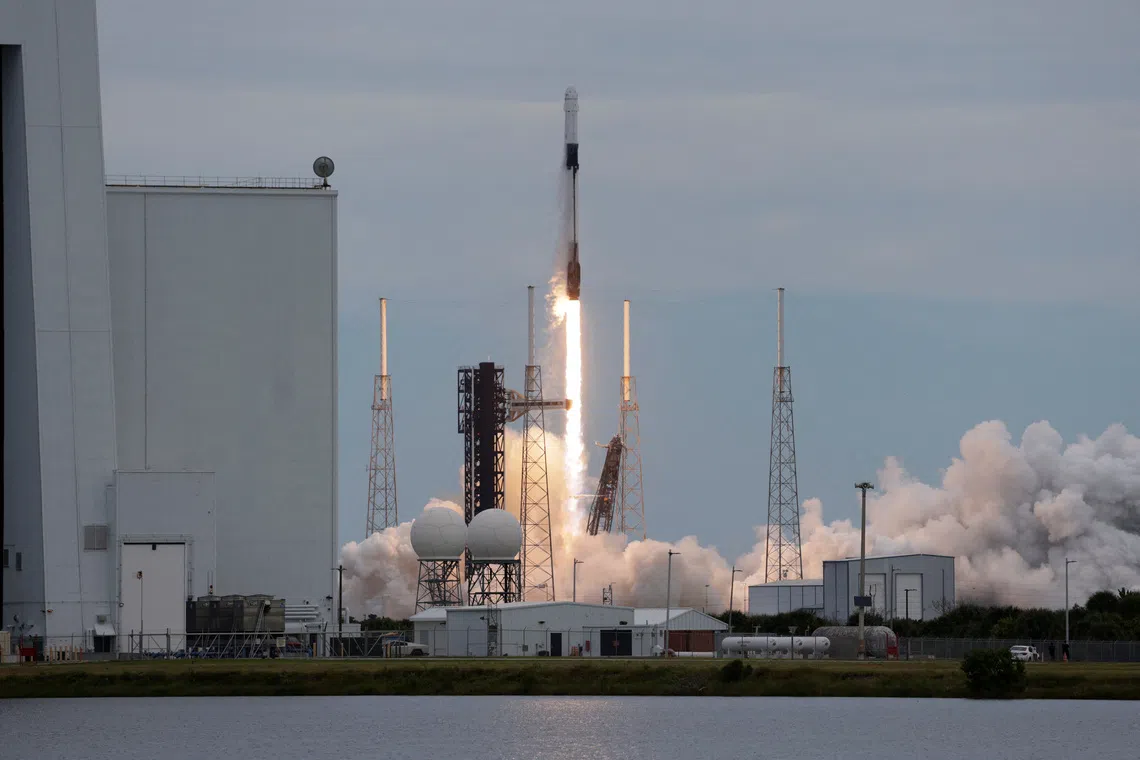
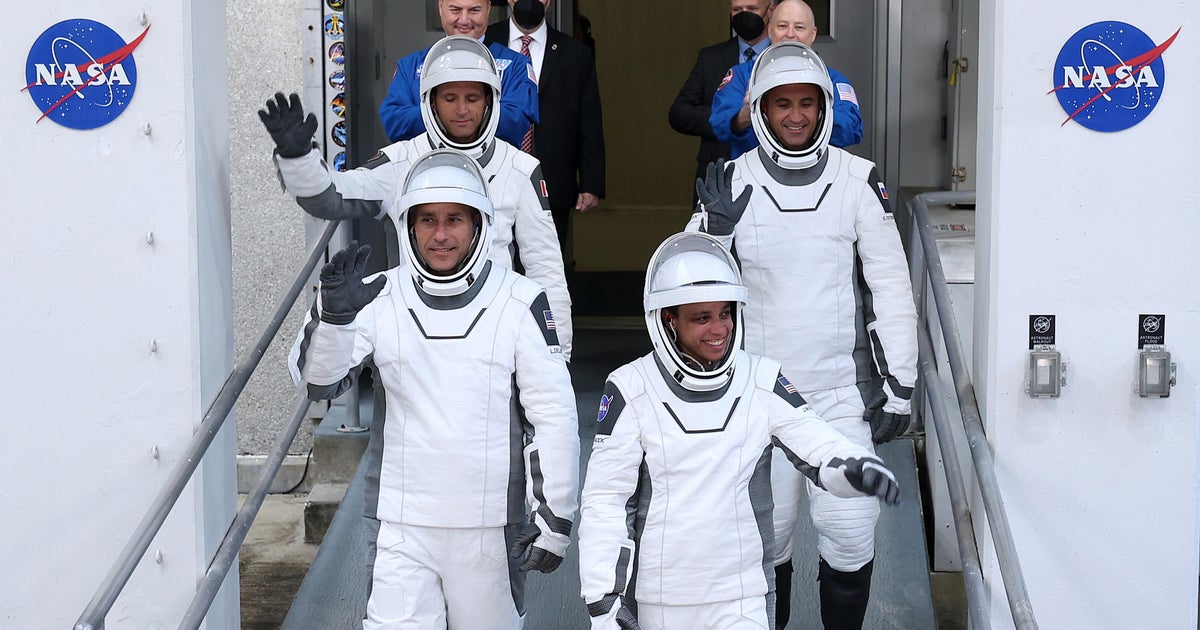
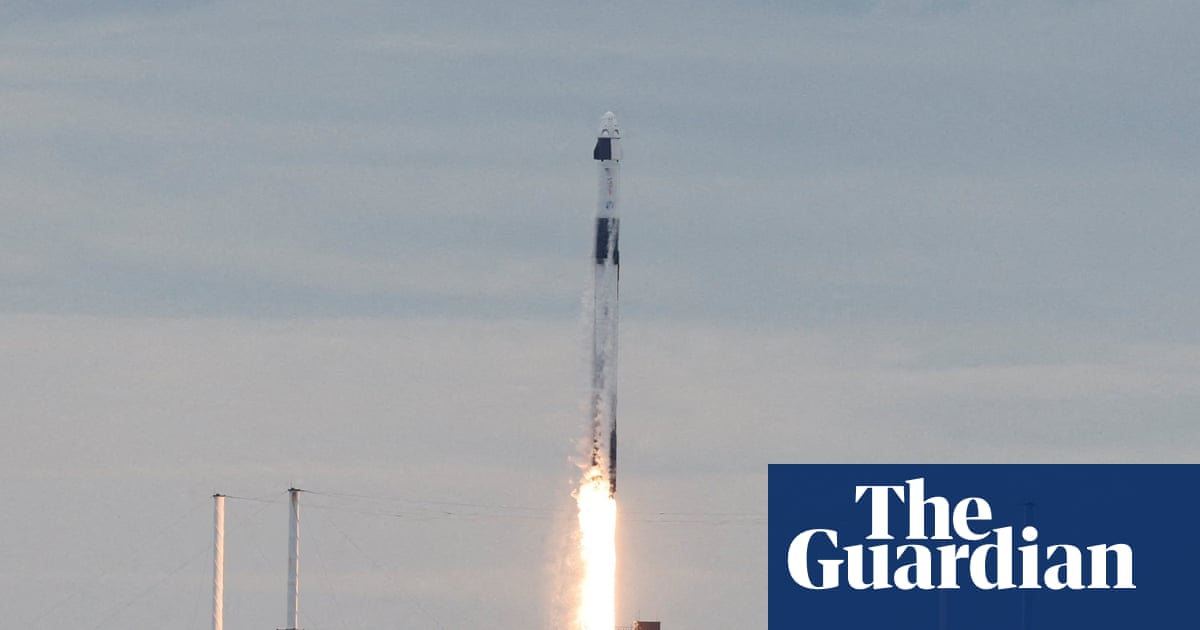
A SpaceX Falcon 9 rocket carrying the Crew Dragon capsule lifted off from Cape Canaveral Space Force Station in Florida on Thursday 1 October 2026, taking four people to the International Space Station. CNAN “A SpaceX rocket lifted off from Florida on Thursday with a crew of two US astronauts, a Canadian astronaut and a Russian cosmonaut” Read at CNA ↗ CBS NewsLC “blasted off from pad 40 at the Cape Canaveral Space Force Station at 11:10 a.m. EDT” Read at CBS News ↗ The crew is commander Jessica Watkins and pilot Luke Delaney of NASA, Canadian Space Agency astronaut Joshua Kutryk and Roscosmos cosmonaut Sergey Teteryatnikov. NBC NewsLC “NASA astronauts Jessica Watkins and Luke Delaney are joined by Roscosmos cosmonaut Sergey Teteryatnikov and CSA astronaut Joshua Kutryk.” Read at NBC News ↗ CBS NewsLC “Crew 13 commander Jessica Watkins, pilot Luke Delaney, Russian cosmonaut Sergey Teteryatnikov and Canadian astronaut Joshua Kutryk” Read at CBS News ↗ Watkins, a geologist, is on her second spaceflight and is described as the first NASA astronaut to fly twice aboard a Crew Dragon; the other three are spaceflight rookies. The Straits TimesRC “making her second voyage to space and becoming the first NASA astronaut to fly twice aboard a Crew Dragon” Read at The Straits Times ↗ CBS NewsLC “Her crewmates are space rookies” Read at CBS News ↗
The capsule is due to dock automatically with the station at about 7 p.m. EDT, about eight hours after launch; CBS News calls that a record for catching up with the ISS. The Straits TimesRC “Docking with the orbiting laboratory platform some 250 miles (420 km) above Earth is planned for about 7 p.m. EDT (2300 GMT).” Read at The Straits Times ↗ CBS NewsLC “it will take Crew 13 capsule just eight hours — a record — to catch up with the ISS” Read at CBS News ↗ CBS News reported that the launch was originally planned for mid-September but was delayed to replace a valve in the Crew Dragon's propulsion system. CBS NewsLC “The launch originally was planned for mid September, but the flight was delayed to replace a valve in the Crew Dragon's propulsion system.” Read at CBS News ↗ The mission focuses on biomedical and human-performance research, including how microgravity affects blood circulation and clotting; NASA's Dana Weigel also cited studies of stem cell-derived tissues relevant to heart and Parkinson's disease, and crop production. CNAN “including research on how microgravity affects blood circulation and clotting, and gathering health data to inform future space missions.” Read at CNA ↗ CBS NewsLC “the crew will help us fight heart disease and Parkinson's disease by studying human stem cell-derived tissues” Read at CBS News ↗
The newcomers will be welcomed by seven people aboard, including the four Crew-12 members who are ending a mission of more than seven months; CBS gives that as 237 days, with undocking planned for 5 October and Pacific splashdown on 6 October. The Straits TimesRC “including the four members of Crew-12 who are due to fly back to Earth soon as their seven-month-plus mission comes to an end.” Read at The Straits Times ↗ CBS NewsLC “Undocking is planned for Oct. 5 with splashdown in the Pacific Ocean off the southern California coast just past noon EDT on Oct. 6.” Read at CBS News ↗ Reuters-sourced coverage places the flight as the 13th long-duration NASA crew flown on SpaceX since May 2020, days after a Starship flight, and notes SpaceX's July IPO and NASA's commitment to operate the ISS through 2030. The Straits TimesRC “The mission marks the 13th long-duration space station team that NASA has flown aboard a SpaceX launch vehicle”“NASA has said it is committed to keeping the space station operating through 2030.” Read at The Straits Times ↗ CBS News added that Kutryk's wife is expecting their third child around Thanksgiving, so he will miss the birth, and that a SpaceX Cargo Dragon is due at the station on 13 October. CBS NewsLC “They're expecting their third child around Thanksgiving, about two months into the Crew 13 mission.”“arrival of a SpaceX Cargo Dragon on Oct. 13” Read at CBS News ↗
Every sentence links to the reporting it rests on.
Left4 outlets
- Framing
- NBC offers a live-launch video page; CBS and NPR lead with the launch, CBS stressing human interest and mission logistics.
- Emphasis
- Personal stories (Kutryk's third child), crew handover, upcoming cargo flights, science goals, and Canada's role in the US space program.
- Leaves out or plays down
- Does not mention SpaceX's IPO or the Starship flight that the Reuters copy notes.
- Charged language
- “Record-setting flight to space station”
Centre1 outlet
- Framing
- CNA carries a wire-style launch report with identical text to the Reuters copy, framed as a science mission on human health.
- Emphasis
- Launch mechanics, crew biographies, SpaceX milestones, ISS research and longevity.
- Leaves out or plays down
- Omits the September delay, Crew-12 return dates and personal angles found in CBS.
- Charged language
- “incandescent plumes of vapor”
- For example
-
“The mission marks the 13th long-duration space station team that NASA has flown aboard a SpaceX launch vehicle” — CNA
Right1 outlet
- Framing
- The Straits Times runs the Reuters report as a straight launch story.
- Emphasis
- Same as the Reuters text: launch sequence, crew, SpaceX's IPO and Starship, ISS science.
- Leaves out or plays down
- Omits the delay, handover dates and Kutryk's family detail.
- Charged language
- “record-breaking IPO”
- For example
-
“The company went public in a record-breaking IPO in July.” — The Straits Times
What every side reports
- Crew-13 launched on a SpaceX Falcon 9 from Cape Canaveral, Florida, on 1 October 2026.
- The crew is Jessica Watkins, Luke Delaney, Joshua Kutryk and Sergey Teteryatnikov.
- Docking with the ISS was planned for about 7 p.m. EDT.
- Crew-12 is due to return to Earth after the handover.
-
The Crew-13 crew is two NASA astronauts (Jessica Watkins, Luke Delaney), Canadian Joshua Kutryk and Russian cosmonaut Sergey Teteryatnikov.
Reported- Reports 4
- CBS News, NBC News, CNA, The Straits Times
-
The Crew Dragon is scheduled to dock with the ISS at about 7 p.m. EDT on launch day, roughly eight hours after liftoff.
Reported- Reports 3
- CBS News, CNA, The Straits Times
NASA organisation
NASA, through Dana Weigel of its low-Earth orbit directorate, presents the mission as research to fight disease and prepare for longer spaceflight; it has said it will keep the ISS running through 2030.
“That's just a couple of the highlights of the research the crew will be doing on board.” — CBS News
“NASA has said it is committed to keeping the space station operating through 2030.” — The Straits Times
Left5 articles
-
NASA, SpaceX launch Crew-13 mission to International Space Station
Neutral Short live-coverage promo naming the four crew members.
-
Crew launches to space station with astronaut who'll miss birth of 3rd child
Sympathetic Detailed launch report foregrounding Kutryk's family and crew handover.
-
Show 1 moreShow fewer
Centre1 article
-
CNAN ·
SpaceX launches 13th long-duration astronaut crew to International Space Station
Neutral Wire-style launch report on a human-health science mission, with SpaceX and ISS context.
Right1 article
-
The Straits TimesRC · · via Reuters
SpaceX launches 13th long-duration astronaut crew to International Space Station
Neutral Reuters copy run as a straight launch report.
- 1 Oct 13:33 First NBC NewsLC NASA, SpaceX launch Crew-13 mission to International Space Station
- 1 Oct 16:18 +2h 44m CNAN SpaceX launches 13th long-duration astronaut crew to International Space Station
- 1 Oct 16:20 +2h 47m CBS NewsLC Crew launches to space station with astronaut who'll miss birth of 3rd child
- 1 Oct 16:21 +2h 48m NPRLC New space station crew launches from Florida on SpaceX's Crew Dragon capsule
- 1 Oct 16:23 +2h 50m The Straits TimesRC SpaceX launches 13th long-duration astronaut crew to International Space Station via Reuters
- 1 Oct 17:12 +3h 39m CBS NewsLC Watch NASA's SpaceX Crew-13 mission blast off to the International Space Station
- 1 Oct 17:22 +3h 49m The GuardianLC SpaceX launches crew to ISS successfully: ‘Thanks for an amazing ride’ via AP
Times are when each article was published, or when we first saw it if the outlet gave no time.