Nepal flood survivors, mostly women and children, face unsafe conditions in temporary shelters
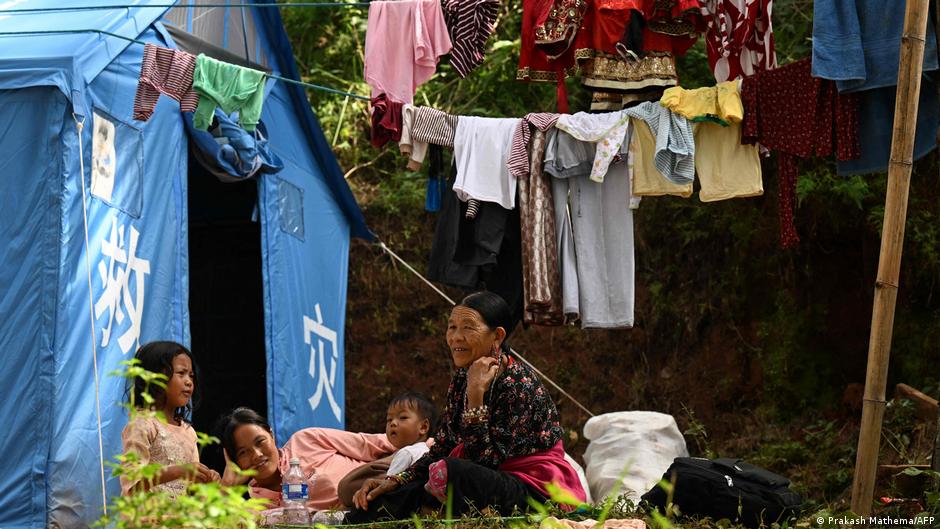
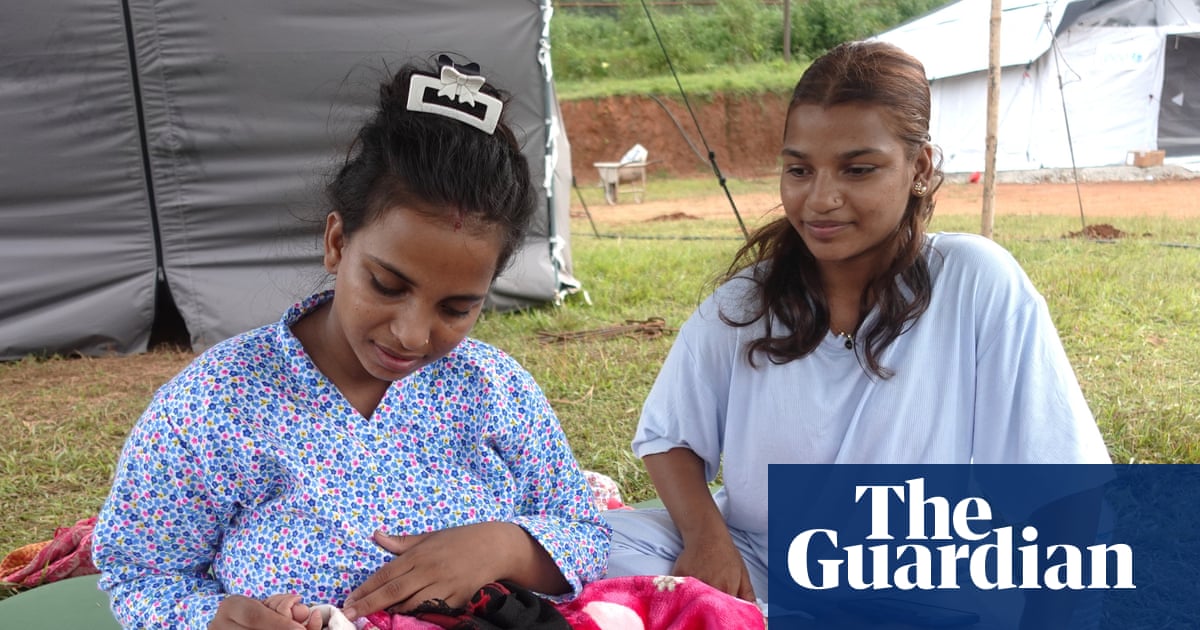
A month after the 26 August glacier-collapse floods in Nepal, displaced women and children describe leaking tents, shared toilets and little privacy. Aid groups and officials warn of protection and health risks.
1 / 2
The story, neutrally told
Flash floods triggered by a glacier collapse on 26 August swept through Nepal's Bhotekoshi-Trishuli river corridor near the Chinese border. Deutsche WelleN “The August 26 flood, triggered by a glacier collapse along the Nepal-China border, killed about 1,450 people and left more than 5,500 missing.” Read at Deutsche Welle ↗ The GuardianLC “a glacier high in the Himalayas collapsed on 26 August, plunging into the river below and triggering the floods” Read at The Guardian ↗ The Guardian, citing the latest Unicef assessment, puts the toll at more than 1,400 dead and more than 5,700 missing, with over 80,000 still needing humanitarian help. DW gives about 1,450 dead and more than 5,500 missing. The GuardianLC “More than 1,400 people have died, more than 5,700 are missing and more than 80,000 are still in need of humanitarian assistance” Read at The Guardian ↗ Deutsche WelleN “killed about 1,450 people and left more than 5,500 missing” Read at Deutsche Welle ↗ Survivors describe poor conditions in the shelters. In Barahachaur, a pregnant woman said her family tent leaks in the rain and the latrine is makeshift. Deutsche WelleN “Now we have shifted to a small makeshift family tent at the nearby Barahachaur area. Still, we can't sleep during rainy nights as it leaks when it rains.” Read at Deutsche Welle ↗
In Nuwakot, a pregnant woman said the toilet in her hall is not designated by sex and always has a queue. The Guardian says men, women and children of all ages sleep together on the floor there. The GuardianLC “The toilet is not designated by sex, and there's always a queue outside it”“where men, women and children of all ages sleep together on the floor” Read at The Guardian ↗ Save the Children Nepal warned that protection measures must be strengthened amid concerns about trafficking, violence, exploitation and child marriage. Its adviser said camps have poor lighting and lack separate washrooms. Deutsche WelleN “Save the Children Nepal has warned that protection measures for children and their families must be strengthened across flood-affected areas”“Camps on the outskirts of towns have inadequate lighting at night and lack separate washrooms and private spaces” Read at Deutsche Welle ↗ DW noted that none of the seven people it spoke to reported harassment or abuse. Deutsche WelleN “Although none reported experiencing sexual harassment or abuse, their accounts point to widespread concerns about safety and vulnerability” Read at Deutsche Welle ↗
A Nepali ministry spokesperson said the government has increased monitoring and put stakeholders on high alert at points of entry and exit. Authorities also removed at least 78 children from two Kathmandu monasteries and placed them in temporary camps. Deutsche WelleN “the government had increased monitoring and surveillance and was raising awareness about gender-based violence and trafficking”“Authorities took back at least 78 children from two Buddhist monasteries in Kathmandu and placed them in temporary camps.” Read at Deutsche Welle ↗ Unicef says at least 541 children have lost their parents or become separated from their families. Learning has been disrupted for more than 14,000 children. Deutsche WelleN “at least 541 children have either lost their parents or become separated from their families”“learning has been disrupted for more than 14,000 children across 62 schools and learning centers” Read at Deutsche Welle ↗ The Guardian focuses on maternal health. A UN Population Fund analyst said 5,030 pregnant women are affected, about 750 with complications, and 550 are due to give birth next month. The GuardianLC “5,030 pregnant women are among those affected by the floods, with an estimated 750 of those having complications, and 550 due to to give birth next month” Read at The Guardian ↗
Pregnant women in shelters are being assigned to the nearest functioning health centre, and high-risk cases will be airlifted to Kathmandu. The UN resident coordinator warned of a higher risk of trauma and postpartum depression. The GuardianLC “Those with complicated or high-risk pregnancies will be airlifted to the maternity hospital in Kathmandu a week before they are due to give birth.”“Pregnant and lactating women might have a higher chance of experiencing trauma, shock and postpartum depression” Read at The Guardian ↗
Every sentence links to the reporting it rests on.
Left1 outlet
- Framing
- Human-interest feature built on first-person testimony from young mothers who survived the floods and now live in shelters.
- Emphasis
- Personal trauma, maternal and newborn health, and lack of sex-segregated toilets.
- Leaves out or plays down
- Says little about government trafficking safeguards, the monastery children or school disruption.
- Charged language
- “living hell”“catastrophic”
- For example
-
“Those three days were living hell for me, with no food, no working toilet and no one to help with the baby” — The Guardian
Centre1 outlet
- Framing
- Report on protection risks for women and children in shelters, combining survivor accounts with NGO, government and Unicef statements.
- Emphasis
- Trafficking, abuse and child-marriage risks, the government response, separated children and disrupted schooling.
- Leaves out or plays down
- Gives less on maternal health and pregnancy care than the Guardian.
- Charged language
- “deadly flash floods”“devastating floods”
- For example
-
“Families living in temporary shelters in northern Nepal say safety and privacy remain out of reach as concerns about trafficking and abuse mount.” — Deutsche Welle
Right0 outlets
No right outlet in our sources has covered this story yet.
What every side reports
- The floods followed a glacier collapse on 26 August near the Nepal-China border.
- Thousands of people are missing and more than a thousand died.
- Displaced families, including pregnant women, live in temporary shelters and tents in Nuwakot district and nearby areas.
- Shelter conditions lack adequate toilets and privacy.
Where accounts differ
-
Death and missing figures
- Left
- The Guardian, citing Unicef: more than 1,400 dead, more than 5,700 missing.
- Centre
- DW: about 1,450 dead, more than 5,500 missing.
Nepal place
Government officials say they have stepped up monitoring and coordinate with NGOs and police to prevent trafficking, and they discourage unregulated care of children by religious groups.
“We have mobilized and kept all relevant stakeholders on high alert to check at points of entry and exit” — Deutsche Welle
Trishuli hospital place
Trishuli hospital is where one mother and about 50 patients and staff were stranded for three days before an army helicopter evacuated them.
“On the fourth day, an army helicopter arrived to evacuate the stranded group.” — The Guardian
Left1 article
-
‘I do not know if the doctor survived’: young mothers recall ‘living hell’ of Nepal’s floods
Sympathetic Emotive first-person account of mothers' survival and precarious shelter life.
Centre2 articles
-
Neutral Explanatory report on safety and privacy risks in shelters, balancing survivors, Save the Children and government statements.
-
Neutral Near-identical version of the DW report on shelter safety, privacy and trafficking concerns.
Right0 articles
No coverage yet.
- 29 Sep 14:29 First Deutsche WelleN Women and children displaced by Nepal's floods say safe housing, privacy and stability remain out of reach as they try to rebuild their lives
- 29 Sep 14:29 First Deutsche WelleN Women and children displaced by Nepal's floods say safe housing, privacy and stability remain out of reach
- 30 Sep 05:00 +14h 31m The GuardianLC ‘I do not know if the doctor survived’: young mothers recall ‘living hell’ of Nepal’s floods
Times are when each article was published, or when we first saw it if the outlet gave no time.