New SNAP cost-sharing rules start Oct. 1 as Democrats back a resolution to expand benefits
CBS News reports on the next phase of SNAP changes from the 2025 tax and spending law, while Newsweek covers a Democratic resolution that backs expanded SNAP access for working mothers.
1 / 2
The story, neutrally told
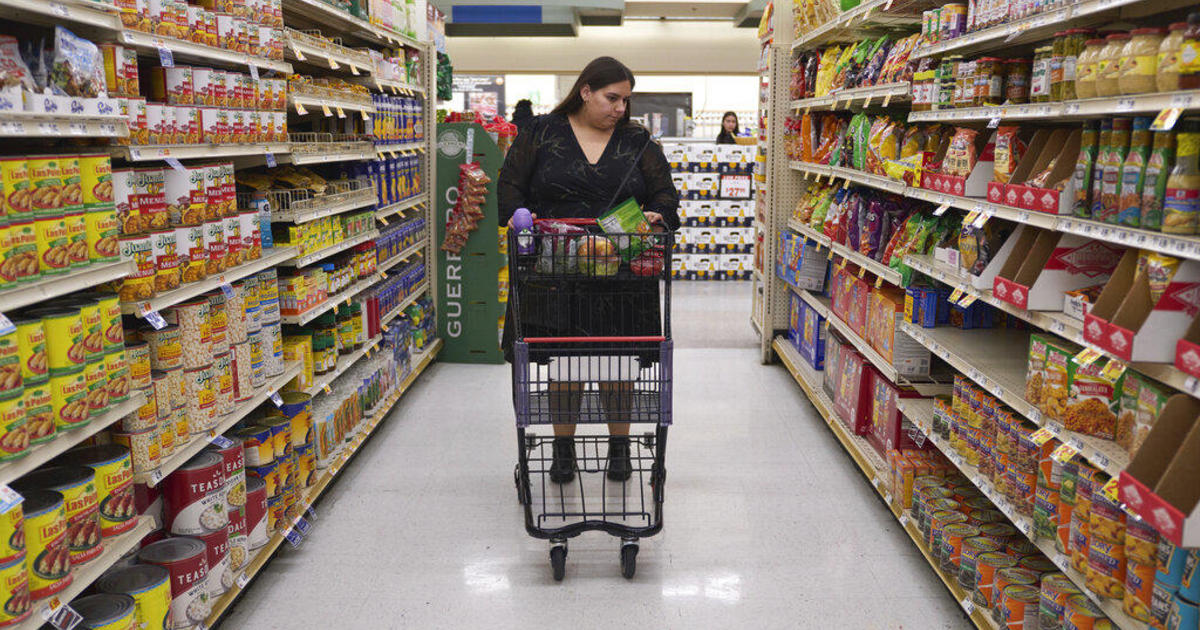
On Oct. 1, states must pay 75% of SNAP's administrative costs, up from 50%, under the 2025 law known as the One Big Beautiful Bill Act. CBS NewsLC “Starting Oct. 1, states will be required to pay 75% of the program's administrative costs, up from 50%.” Read at CBS News ↗ From October 2027, states with high payment error rates will also have to pay up to 15% of benefits, a cost the federal government has covered until now. CBS NewsLC “Starting in October 2027, states with high SNAP payment error rates also will have to pay up to 15% of benefits” Read at CBS News ↗ The Food Research & Action Center (FRAC), an anti-hunger group, estimates about 5.7 million Americans have lost SNAP benefits since the law was enacted, and enrollment is at its lowest level since 2019. CBS NewsLC “About 5.7 million Americans like Covelli have lost SNAP benefits since the OBBBA was enacted” Read at CBS News ↗
The law requires recipients aged 18 to 64 to work or volunteer at least 80 hours a month, and it narrowed the parental exemption to parents of children under 14. CBS NewsLC “food-stamp recipients aged 18 to 64 are required to work or volunteer at least 80 hours per month”“the law changed that to parents of kids under 14” Read at CBS News ↗ FRAC president Crystal FitzSimons called the changes "absolutely unprecedented" and warned some states could leave the program. Alabama's SNAP director said ending it was one option if the state cannot lower its error rate. CBS NewsLC “"We are concerned that some states could drop out of the program because they're not able to cover the cost."” Read at CBS News ↗ Republican lawmakers say error rates indicate fraud, while advocates say they reflect routine mistakes. The White House did not respond to CBS News's request for comment. CBS NewsLC “Republican lawmakers have said the error rates indicate fraud, although anti-hunger advocates say they occur for routine mistakes” Read at CBS News ↗
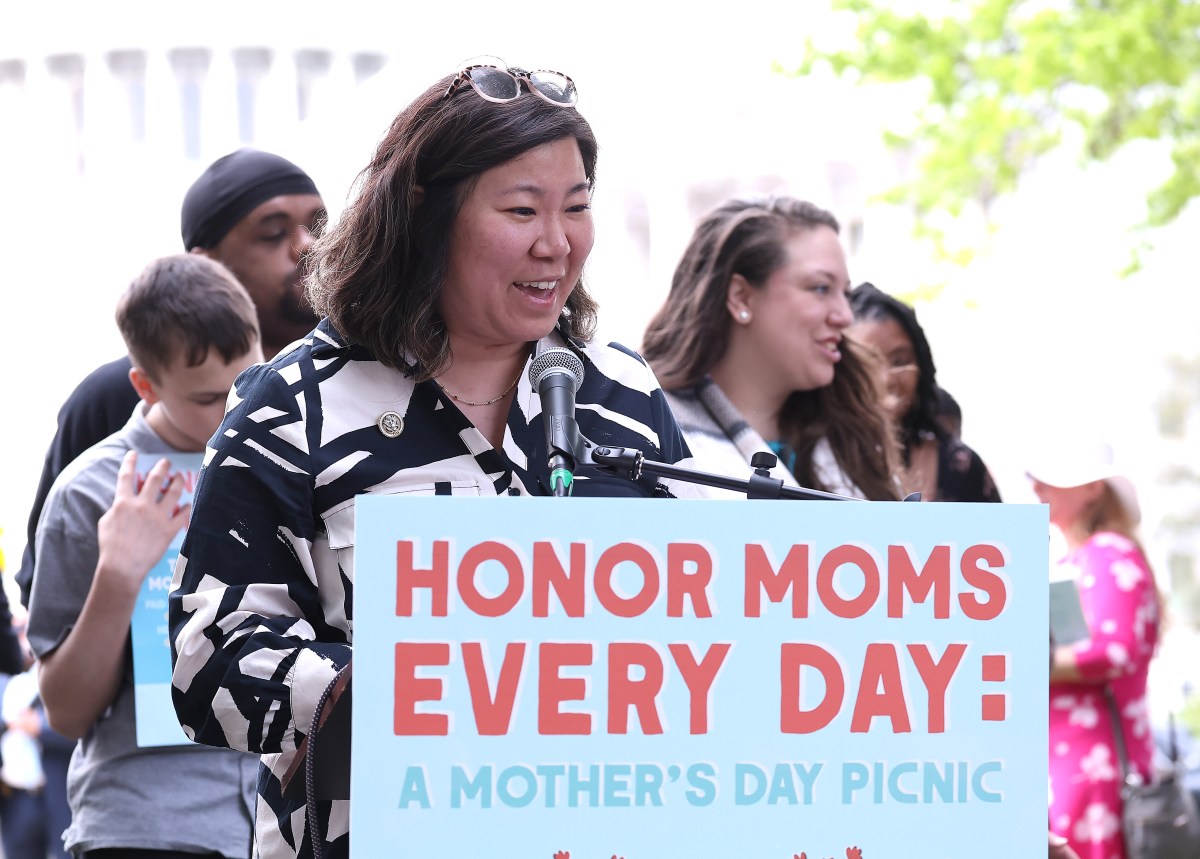
Arizona's enrollment fell 53% over the past year, the steepest drop of any state. Its agency says it has since added 57,000 enrollees between April and August. CBS NewsLC “Arizona residents' enrollment has dropped by 53% over the last year, the steepest of any state.” Read at CBS News ↗ Separately, Democratic lawmakers led by Rep. Grace Meng introduced a Mom Economy Resolution, with a Senate version from Sen. Tammy Duckworth, that calls on Congress to protect SNAP and expand access. NewsweekN “The resolution includes a call to expand access to SNAP and school meal programs.”“The Senate version was introduced by Tammy Duckworth of Illinois” Read at Newsweek ↗ Newsweek notes the resolution would not directly change SNAP benefits or eligibility rules; it would signal congressional support, and both versions are in committee. NewsweekN “The resolution would not directly change SNAP benefits or eligibility rules” Read at Newsweek ↗
Every sentence links to the reporting it rests on.
Left1 outlet
- Framing
- Recipient-centred account of the Oct. 1 changes, focused on benefit losses and the strain on states.
- Emphasis
- Personal stories, FRAC figures, state cost burdens and rising food prices.
- Leaves out or plays down
- Little from the administration; the White House did not comment. Little detail on the stated rationale for the work requirements.
- Charged language
- “absolutely unprecedented”“pandemic on steroids”
- For example
-
“There is a lot of chaos going on in SNAP, and it is harming the people the program was designed to serve” — CBS News
Centre1 outlet
- Framing
- Explainer on a Democratic resolution for working mothers that includes SNAP expansion, with outside financial commentators.
- Emphasis
- The resolution's goals, co-sponsors, and its limited direct effect.
- Leaves out or plays down
- Does not mention the Oct. 1 rule changes, the 5.7 million who lost benefits, or the work requirements now in force.
- Charged language
- “Mom Economy”
- For example
-
“If passed, the joint resolution would not directly increase SNAP benefits” — Newsweek
Right0 outlets
No right outlet in our sources has covered this story yet.
What every side reports
- Both articles cover SNAP policy and treat it as tied to household finances and affordability.
SNAP topic
SNAP is being restructured by the 2025 law, with new costs for states and stricter work rules. Advocates say this is harming recipients, while Democrats in Congress want to expand it.
“Experts predict that more people will drop out of the program in the coming months” — CBS News
“calls on Congress to advance commonsense policies that make childcare more affordable, expand the Child Tax Credit, protect SNAP” — Newsweek
Left1 article
-
New SNAP rules take effect Oct. 1, raising fears of more benefit cuts
Critical Presents the SNAP overhaul as causing hardship and instability, relying on recipients, advocates and state officials.
Centre1 article
-
List of Legislators Pushing for Increased SNAP Benefits
Neutral Describes a Democratic resolution on working mothers and notes it is symbolic and would not itself change SNAP.
Right0 articles
No coverage yet.
- 30 Sep 16:23 First CBS NewsLC New SNAP rules take effect Oct. 1, raising fears of more benefit cuts
- 30 Sep 19:16 +2h 53m NewsweekN List of Legislators Pushing for Increased SNAP Benefits
Times are when each article was published, or when we first saw it if the outlet gave no time.