Opinion column says night sky brightens 10% a year, urges rules on outdoor lighting
A Guardian opinion column argues cities should regulate outdoor lighting because the night sky is getting brighter each year. Slashdot republished it, and a reader comment there complains about white LED street lamps.
Updated (version 2). Rewritten with the latest reporting. Previously: “Opinion piece says night sky is brightening 10% a year, urges rules on outdoor lighting”.

1 / 2
The story, neutrally told
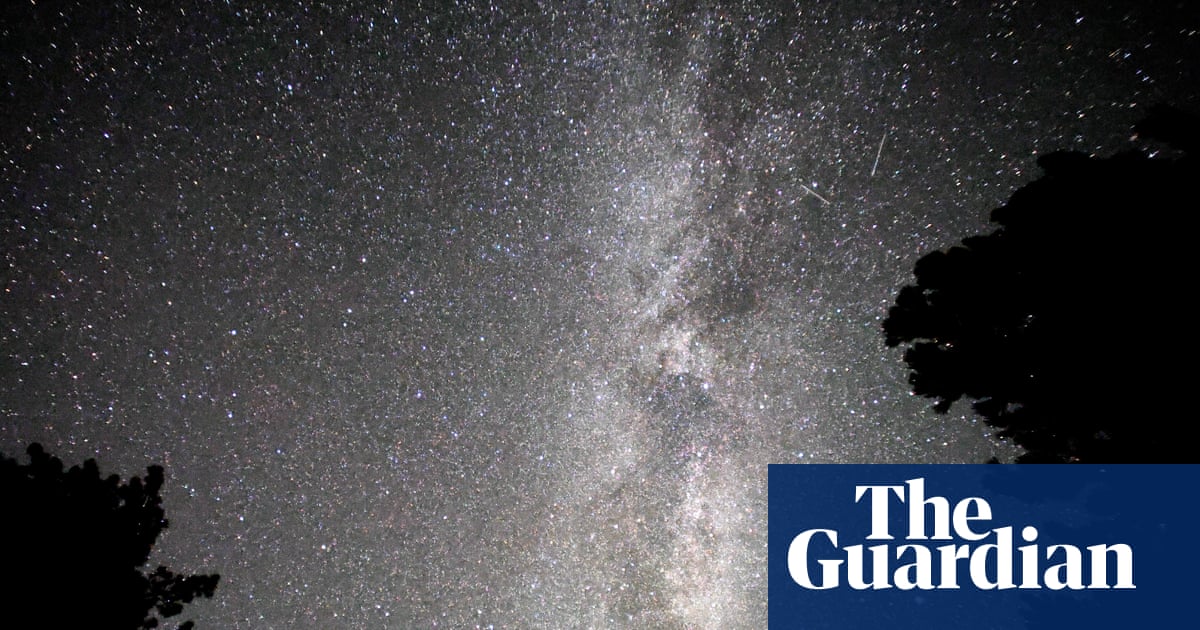
A Guardian opinion column by Tove Danovich says the night sky is becoming 10% brighter every year and that 80% of people live under light-polluted skies. The GuardianLC “Every year, the night sky is becoming 10% brighter. Eighty per cent of people live under light-polluted skies.” Read at The Guardian ↗ SlashdotN “Every year, the night sky is becoming 10% brighter. Eighty percent of people live under light-polluted skies.” Read at Slashdot ↗ The writer, who lives in Portland, describes seeing the Milky Way from a dark-sky area in the Oregon outback and argues that people have a right to darkness alongside the UN-declared right to a healthy environment. The GuardianLC “I believe we also all have a right to darkness as well.” Read at The Guardian ↗ The column does not call for turning off every streetlamp. It asks for rules on the warmth, direction and brightness of lights, and for lights that are bright enough for the job and no brighter. The GuardianLC “To preserve the darkness would mean rules and enforcement around the warmth of the lights, where they point, and how bright they can be.” Read at The Guardian ↗
It cites Flagstaff, Arizona, which adopted outdoor lighting rules in 1958 and became the first recognised Dark Sky City in 2001, and says New York state is considering a Dark Skies Protection Act. The GuardianLC “New York state is now considering a Dark Skies Protection Act” Read at The Guardian ↗ The author says artificial light harms wildlife, including sea turtles, moths, birds, lightning bugs and frogs, and that research links it to disrupted plant-pollinator relationships and disturbed circadian rhythms, including in humans. The GuardianLC “Research has shown light pollution is breaking the relationship between plants and pollinators” Read at The Guardian ↗ The piece also raises satellites as a growing source of sky brightness, noting more than 11,000 Starlink satellites in orbit and that space launches need no environmental review. The GuardianLC “Things we launch into space aren’t required to have an environmental review even when they affect life back on Earth.” Read at The Guardian ↗
Slashdot republished the column's opening lines on 30 September. A reader comment there says a UK council replaced sodium street lamps with white LEDs, turning a dim orange glow into 'virtual daylight all night'. SlashdotN “turned the fairly dim but usable orange sodium glow into virtual daylight all night” Read at Slashdot ↗ The coverage rests on one opinion column and includes no response from councils, the lighting industry or officials. The column gives no source for the 10% figure. The GuardianLC “Every year, the night sky is becoming 10% brighter.” Read at The Guardian ↗
Every sentence links to the reporting it rests on.
Left1 outlet
- Framing
- First-person opinion arguing for a right to darkness and for city rules on outdoor lighting, framed by a personal stargazing experience.
- Emphasis
- Wildlife and human health effects, Flagstaff as a model, the New York bill, and satellites as a new source of brightness.
- Leaves out or plays down
- Offers no response from councils or the lighting industry and no source for the 10% figure.
- Charged language
- “Darkness is becoming another luxury”“light pollution”
- For example
-
“Darkness is becoming another luxury, but it can belong to all of us again.” — The Guardian
Centre1 outlet
- Framing
- Aggregator post that quotes the Guardian column's opening claims, with the visible content a reader comment about LED street lamps.
- Emphasis
- The 10% brightening figure in the headline and a personal complaint about white LED streetlights.
- Leaves out or plays down
- Leaves out the column's policy proposals, wildlife evidence and satellite discussion.
- Charged language
- “virtual daylight all night”
- For example
-
“We used to be able to sleep with the curtains open but not now.” — Slashdot
Right0 outlets
No right outlet in our sources has covered this story yet.
What every side reports
- Both items report the claim that the night sky is getting 10% brighter each year and that 80% of people live under light-polluted skies.
- Both trace back to a single Guardian opinion column by Tove Danovich.
Where accounts differ
-
Whether LED lighting improves outdoor lighting
- Left
- The column calls for shielded, targeted, appropriately bright lights and does not single out LEDs.
- Centre
- A reader comment says a council's switch to 'allegedly more energy efficient' white LEDs made nights far brighter.
Light pollution topic
Treated as a growing environmental and health problem that the Guardian column says local rules could reduce; the Slashdot commenter describes it from experience with LED street lamps.
“This doesn’t mean turning off every streetlamp.” — The Guardian
“turned the fairly dim but usable orange sodium glow into virtual daylight all night” — Slashdot
Left1 article
-
The GuardianLC · · Opinion
The night sky is getting 10% brighter every year. We’re forgetting what darkness feels like
Sympathetic Advocacy column presenting darkness as a right and lighting rules as a practical remedy.
Centre1 article
-
SlashdotN · · Opinion
The Night Sky Is Getting 10% Brighter Every Year
Mixed Aggregator repost of the column's headline claim with a reader anecdote criticising LED street lighting.
Right0 articles
No coverage yet.
- 29 Sep 13:00 First The GuardianLC The night sky is getting 10% brighter every year. We’re forgetting what darkness feels like Opinion
- 30 Sep 08:00 +18h 59m SlashdotN The Night Sky Is Getting 10% Brighter Every Year Opinion
Times are when each article was published, or when we first saw it if the outlet gave no time.