No commercial goods enter Gaza for two days as Israel and merchants dispute why
Israel's COGAT says Gaza merchants halted commercial shipments over Hamas taxes; the private truckers union says Israel imposed the halt. Aid groups warn of shortages and higher prices.

1 / 3
The story, neutrally told
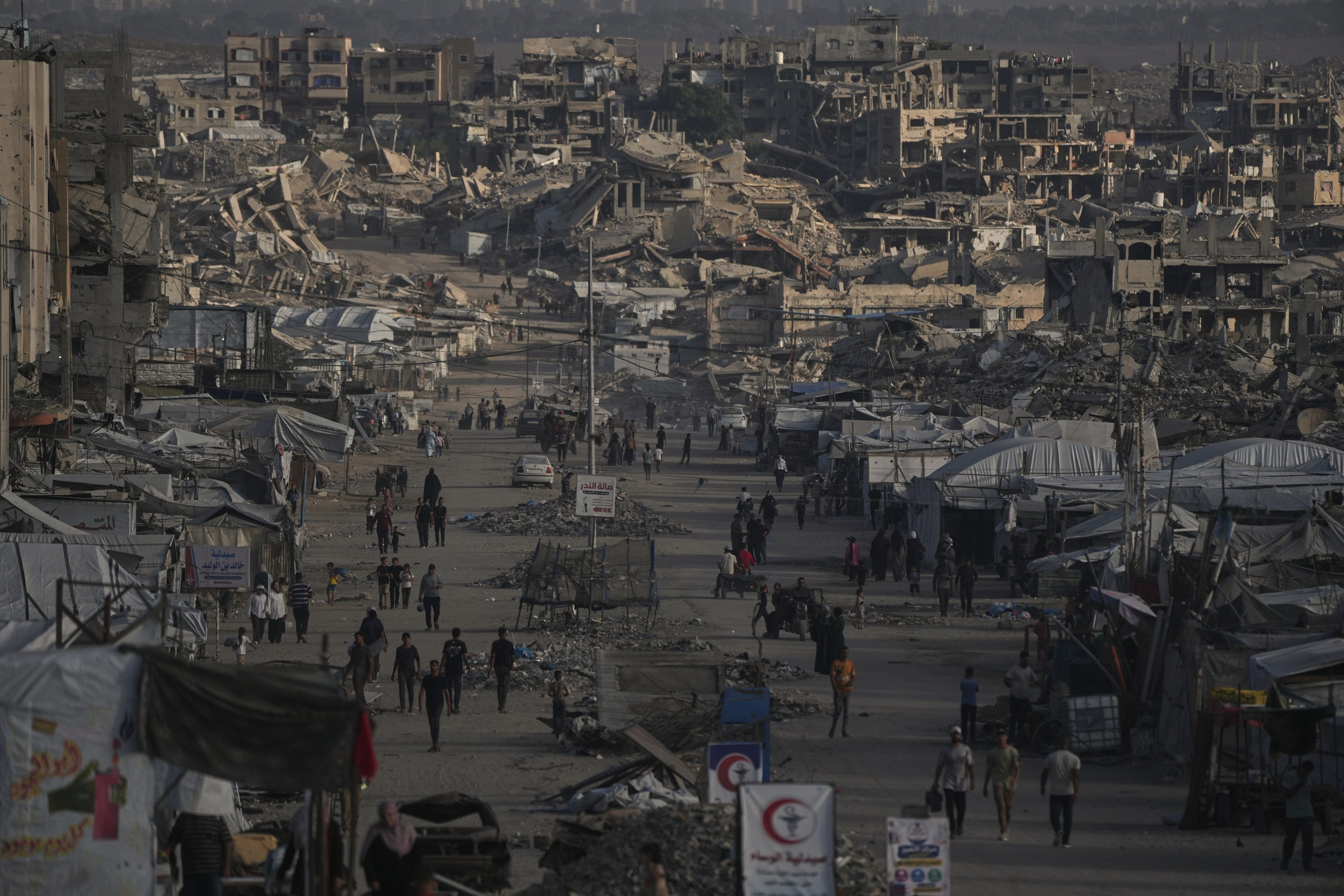
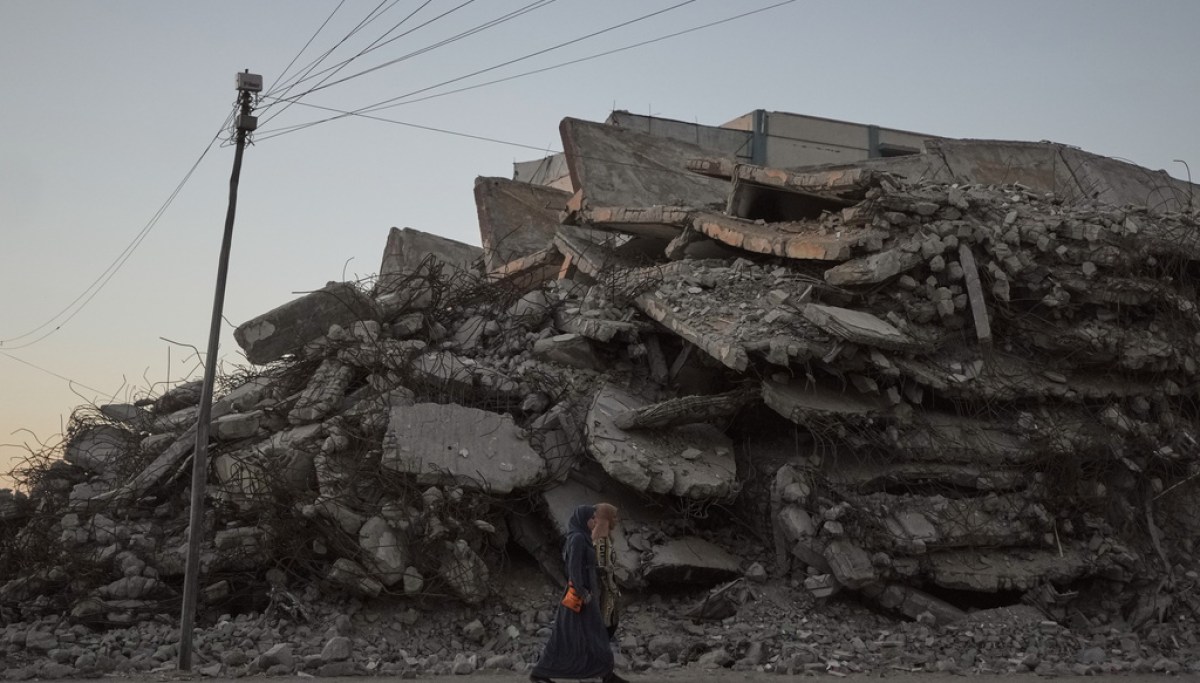
Right · 2No commercial goods have entered the Gaza Strip for two days, Israeli authorities said on Thursday, blaming the suspension on merchants angered by taxes imposed by Hamas, a claim Palestinian importers deny. Arab NewsRC “No commercial goods have entered the Gaza Strip for two days, Israeli authorities said on Thursday” Read at Arab News ↗ Washington ExaminerR “Commercial imports into Gaza were suspended, Israel said” Read at Washington Examiner ↗ Right · 1COGAT, the Israeli military body that oversees humanitarian affairs in Gaza, announced the suspension on Wednesday. Its deputy spokesperson, Lt. Daniel Kantorovich, said it was acting on a decision made by Palestinian merchants a day earlier and could reverse it at their request. Arab NewsRC “COGAT announced the suspension of commercial shipments Wednesday.”“could reverse it at their behest” Read at Arab News ↗ Right · 1Kantorovich said vendors had cancelled coordination "due to Hamas's taxation mechanism and threats against them", and COGAT said no private-sector vendors had tried to import goods since the merchants alerted Israel on Tuesday. Arab NewsRC “the vendors informed us that they were canceling the coordination due to Hamas’s taxation mechanism and threats against them”“COGAT said no private-sector vendors had attempted to import goods to Gaza since the merchants alerted Israel on Tuesday.” Read at Arab News ↗
Right · 2Nahed Sheheiber, head of Gaza's private truckers union, disputed this, saying the merchants did not stop the shipments and that Israel imposed the restrictions. Arab NewsRC ““The merchants are not the ones who stopped the shipments,” he said.” Read at Arab News ↗ Washington ExaminerR “denied this, claiming that it was Israel that made the decision unilaterally without a request from Gaza merchants” Read at Washington Examiner ↗ Right · 1After COGAT's announcement, the union met Gaza's Ministry of Economy, saying Israel was using the ministry's fees as a pretext. Sheheiber said the ministry had asked merchants for 10,000 shekels (about $3,226) per truck; Undersecretary Khaled Al-Raqqab told the union this was a donation to help pay civil servants, not a tax. Arab NewsRC “The ministry had been asking merchants to pay 10,000 shekels (about $3,226) per truck entering Gaza, Sheheiber said.”“the amount was not a tax, but rather a donation sought by the ministry to help pay civil servants in the strip” Read at Arab News ↗ Right · 1Israel has long accused Hamas of levying fees on imports to fund its operations. Arab NewsRC “Israel has long accused the militant group of levying fees on imports to fund its operations.” Read at Arab News ↗
Right · 1The halt covers goods such as fruit and winter clothing. Aid groups generally bring in staples like flour, while merchants import perishable foods such as fruit and meat, according to COGAT data released earlier this year. Gaza is wholly reliant on what Israel lets through its crossings. Arab NewsRC “Aid groups generally bring in staples such as flour, while merchants import more perishable foods like fruits and meat”“the closed-off territory is completely reliant on whatever goods Israel allows in through border crossings” Read at Arab News ↗ Right · 1Shaina Low of the Norwegian Refugee Council said aid alone cannot meet needs and that markets need to function; humanitarian workers fear higher prices. It was unclear whether aid agencies would be allowed to send more to compensate. Arab NewsRC ““The humanitarian sector on its own cannot meet the needs of all the people,” said Shaina Low”“It was not clear from the COGAT announcement if aid agencies would be allowed to increase shipments into Gaza to compensate” Read at Arab News ↗ Right · 1COGAT said Gaza's roughly 2 million people need about 250 truckloads a day, well below the minimum of 600 trucks a day set by the US-brokered ceasefire of a year ago. Arab NewsRC “required approximately 250 truckloads of goods each day. That’s far below the minimum of 600 trucks a day stipulated by a ceasefire brokered by the US a year ago.” Read at Arab News ↗
Right · 1The world's leading food-insecurity authority reported earlier this year that conditions had improved since famine was declared in August 2025 but remained at crisis levels, warning that small disruptions could rapidly reverse gains. Arab NewsRC ““even small disruptions to humanitarian access could rapidly reverse recent gains.”” Read at Arab News ↗ Right · 1The war began when Hamas-led militants killed some 1,200 people on Oct. 7, 2023 and took 251 hostages; Gaza's health authority says Israel's response has killed more than 74,000 Palestinians, including over 1,400 since the ceasefire. Arab NewsRC “killed some 1,200 people on Oct. 7, 2023, and took 251 hostages”“That includes over 1,400 Palestinians killed since the ceasefire took effect, the authority says.” Read at Arab News ↗
Every sentence links to the reporting it rests on. The pill in front of each says where its sources sit: Left, Centre or Right when one side supplies at least half of them, Mixed when they are evenly split. The number is how many outlets it cites.
Left0 outlets
No left outlet in our sources has covered this story yet.
Centre0 outlets
No centre outlet in our sources has covered this story yet.
Right3 outlets
- Framing
- Both right-leaning outlets report Israel's account and the truckers union's denial. Arab News (AP copy) adds humanitarian context on shortages and prices; the Washington Examiner gives a short item with Israel's version first.
- Emphasis
- Arab News carries aid-group warnings, the per-truck fee and the ceasefire truck minimum; the Washington Examiner stresses Israel's claim of Hamas taxing and extorting merchants.
- Leaves out or plays down
- The Washington Examiner omits the ministry's 'donation' explanation, the aid-group concerns and the ceasefire truck minimum. No left or centre outlets have covered it so far.
- Charged language
- “extorting them”
- For example
-
“claiming that Gaza merchants had requested as much due to Hamas taxing their trucks and extorting them” — Washington Examiner
“raising fears of worsening shortages in the territory” — Arab News
What every side reports
- Commercial imports into Gaza have been suspended, announced by COGAT on Wednesday.
- Israel attributes the suspension to a request from Gaza merchants over Hamas taxes.
- Nahed Sheheiber, head of Gaza's private truckers union, denies this and says Israel decided unilaterally.
Where accounts differ
-
Who decided to halt commercial shipments
- Right
- Israel's COGAT says merchants cancelled coordination over Hamas taxes and threats; the truckers union says Israel imposed the halt. Both accounts are reported without outlet adjudication.
-
Nature of the Gaza Ministry of Economy charge
- Right
- Israel calls it taxation and extortion; the ministry's undersecretary says the 10,000-shekel per-truck payment is a donation to help pay civil servants (AP via Arab News).
Hamas organisation
Hamas is accused by Israel of taxing and threatening merchants; the Hamas-run Ministry of Economy says its per-truck payment is a donation, not a tax, to help pay civil servants.
“the amount was not a tax, but rather a donation sought by the ministry to help pay civil servants in the strip” — Arab News
“Israel has long accused the militant group of levying fees on imports to fund its operations.” — Arab News
Gaza place
Gaza is wholly dependent on Israeli-permitted crossings; its truckers union says Israel imposed the halt, and aid groups fear shortages and rising prices.
“the closed-off territory is completely reliant on whatever goods Israel allows in through border crossings” — Arab News
““The merchants are not the ones who stopped the shipments,” he said.” — Arab News
Left0 articles
No coverage yet.
Centre0 articles
No coverage yet.
Right3 articles
-
Arab NewsRC · · via AP
Commercial goods are no longer entering Gaza, raising fears of worsening shortages in the territory
Neutral AP wire copy run by Arab News: presents COGAT's claim and the union's denial side by side, with humanitarian context on shortages.
-
Gaza cut off from commercial goods imports, Israel says
Neutral Short item leading with Israel's claim, with the Palestinian denial and the 'extorting' allegation attributed to Israel.
-
- 15 Oct 16:03 First Arab NewsRC Commercial goods are no longer entering Gaza, raising fears of worsening shortages in the territory via AP
- 15 Oct 16:18 +15m Washington ExaminerR Gaza cut off from commercial goods imports, Israel says
- 15 Oct 16:56 +52m The Straits TimesRC Israel says commercial goods no longer entering Gaza after merchants suspend coordination
Times are when each article was published, or when we first saw it if the outlet gave no time.
Ask about this story
Loading…