NOAA winter outlook: wetter South, drier north, warmer nearly everywhere as El Niño strengthens
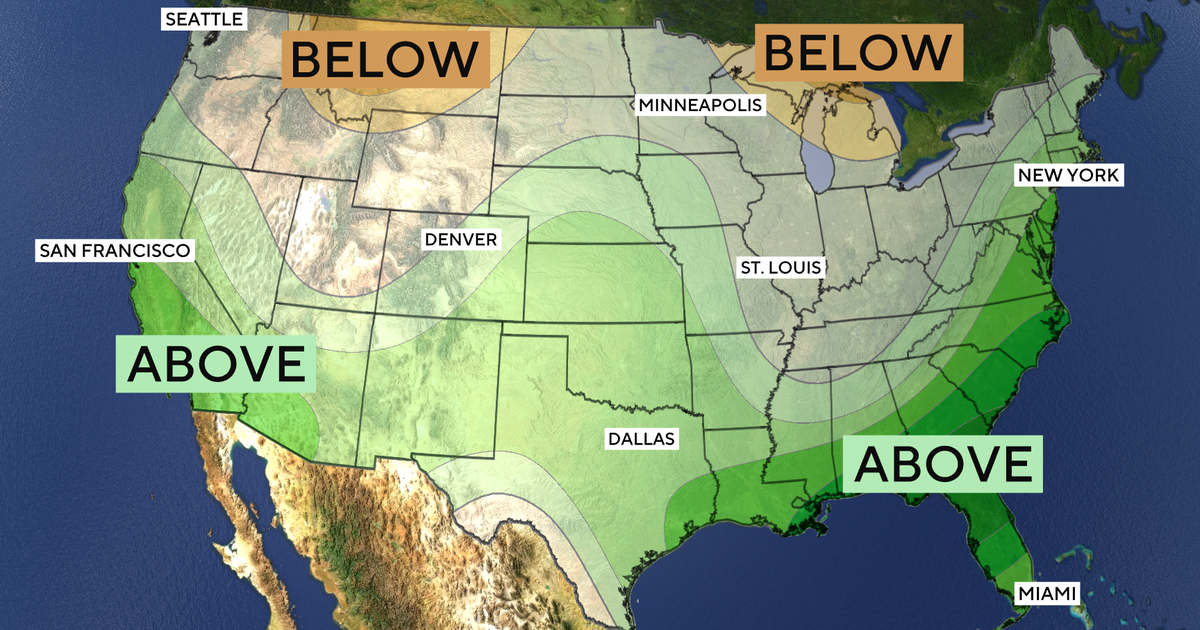
NOAA's December–February outlook, released Thursday 15 October, expects a wetter-than-usual winter across the southern US that could ease drought, with drier conditions in parts of the north, driven by a strong El Niño.
1 / 2
The story, neutrally told
Mixed · 2NOAA released its winter outlook for December to February on Thursday 15 October, forecasting wetter-than-usual conditions in a southern band of the US, including parts of states that have had long-standing drought. CBS NewsLC “The winter season may bring much-needed rain and snow to parts of the United States where both have been lacking” Read at CBS News ↗ Hindustan TimesN “Winter in the United States looks like it will generally be wetter and warmer, but not necessarily snowier” Read at Hindustan Times ↗ Mixed · 2Forecasters attribute the pattern largely to a strong El Niño, a natural warming of the tropical Pacific that shifts weather worldwide; AP reports that forecasters globally expect it to reach record levels this fall or winter. CBS NewsLC “El Niño, a shifting climate pattern dictated by ocean temperatures in the tropical Pacific Ocean, influences weather around the world.” Read at CBS News ↗ Hindustan TimesN “Forecasters across the globe expect the current El Niño to reach record levels this fall or winter.” Read at Hindustan Times ↗ Mixed · 2According to CBS News, the outlook has the Southwest, Southeast and parts of the East Coast likely wetter than average, while parts of the Great Lakes, the northern Mountain West, Hawaii and much of Alaska may be drier. AP says parts or all of 39 states are forecast to be wetter than usual, with much of Montana and parts of Oregon, Idaho, Wisconsin and Michigan drier. CBS NewsLC “portions of the Great Lakes, the northern Mountain West, Hawaii and much of Alaska may see drier-than-average winters this year” Read at CBS News ↗ Hindustan TimesN “NOAA is forecasting that parts of all of 39 states will see a wetter-than-usual winter, with much of Montana and parts of Oregon, Idaho, Wisconsin and Michigan being drier.” Read at Hindustan Times ↗
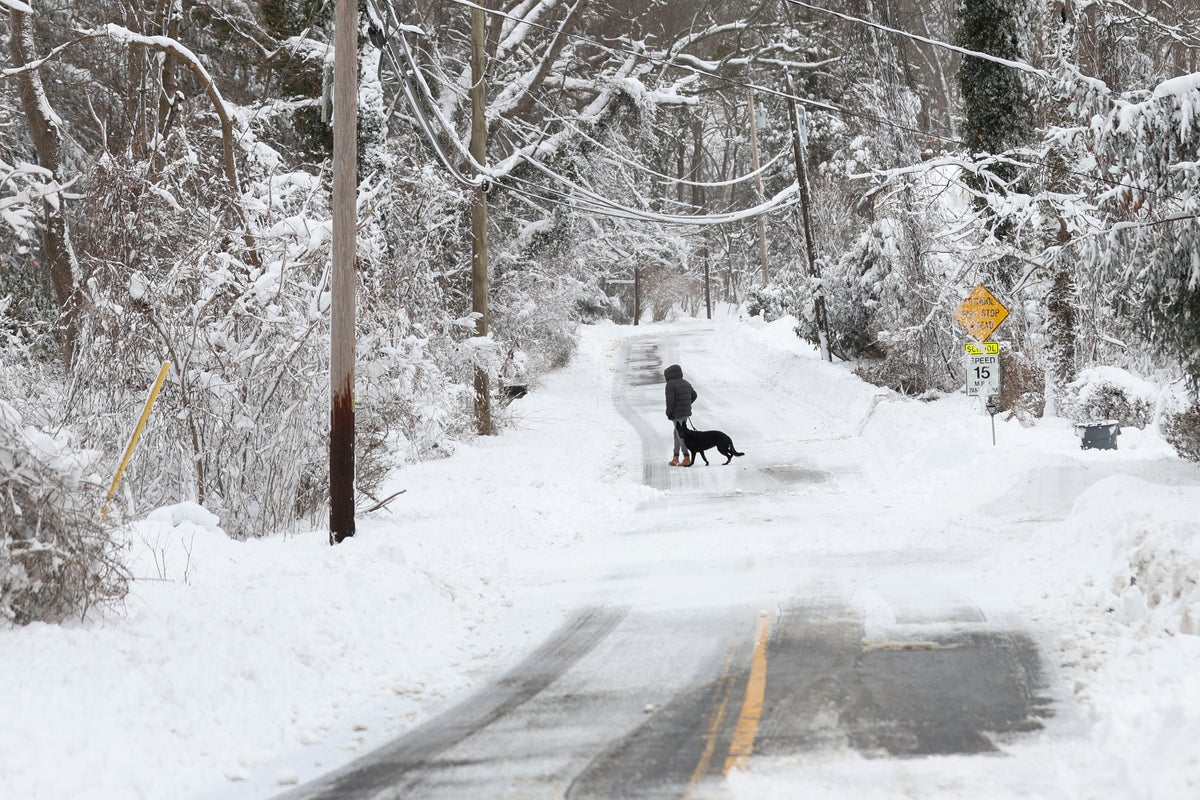
Mixed · 2On temperature, AP reports that part or all of 41 of the Lower 48 states are forecast to be warmer than normal and none cooler than average. CBS lists warmer-than-average areas including northern California, the Pacific Northwest, the Midwest, the Mississippi Valley, much of the eastern US and Alaska, with near-normal temperatures expected across much of the lower half of the country, including Florida. Hindustan TimesN “Part or all of 41 of the Lower 48 states are forecast to be warmer than normal. No states — or even parts of states — are forecast to be cooler than average.” Read at Hindustan Times ↗ CBS NewsLC “NOAA's outlook forecasts warmer-than-average temperatures for large swaths of the country, including parts of northern California, the Pacific Northwest, Midwest and Mississippi Valley” Read at CBS News ↗ Mixed · 2NOAA expects drought to ease across large areas. Meteorologist Jon Gottschalck said drought should improve or end in western Oregon and western Washington, the Southwest, the central and southern Rockies, the southern Great Plains, the lower Mississippi Valley and areas in the East. CBS adds that drought could develop or worsen elsewhere, including eastern Washington, parts of Oregon and the northern Rockies. Hindustan TimesN ““We anticipate drought conditions to improve or end for western portions of Oregon and western Washington state, the Southwest, the central and southern Rockies, the southern Great Plains, the lower Mississippi Valley, and areas in the East,” Gottschalck said.” Read at Hindustan Times ↗ CBS NewsLC “But drought conditions could also develop or worsen in other areas, including in some that have suffered the repercussions of long-standing periods without enough water, like Oregon and eastern Washington, as well as parts of the northern Rockies.” Read at CBS News ↗ Centre · 1AP notes that wetter does not mean snowier: the weather service does not make seasonal snowfall predictions, but its meteorologists said much of the north, including the Northeast, Great Lakes, Upper Midwest and Northern Rockies, should expect below-normal snow, while the Southern Rockies and parts of the Southeast and Southwest may get more. AccuWeather forecasts half or less of normal snow for Chicago, Boston, New York and Philadelphia. Hindustan TimesN “While the weather service doesn't make seasonal snowfall predictions, their meteorologists said much of the northern parts of the country — including the Northeast, Great Lakes, Upper Midwest and Northern Rockies — should expect below-normal snow.”“Chicago, Boston, New York and Philadelphia are forecast to get about half or less of their normal winter snow, the firm said.” Read at Hindustan Times ↗
Mixed · 2National Weather Service Director Ken Graham said a strong El Niño does not reduce winter weather risks, and warned that too much precipitation on dry soil can fuel destructive flash floods and mudslides. The Weather Channel's Mike Bettes said California could see numerous high-impact atmospheric rivers bringing flooding and landslides, and Gottschalck said Florida and the Southeast should watch for more tornadoes. CBS NewsLC “"A strong El Niño does not reduce the severity of winter weather risks," said Ken Graham” Read at CBS News ↗ Hindustan TimesN ““We'd anticipate numerous, high-impact atmospheric rivers that could bring extensive flooding and landslides this winter.”” Read at Hindustan Times ↗ Centre · 1AP also reports that the polar vortex should occur less than in most winters, though not necessarily not at all, and that MIT researcher Judah Cohen said an unprecedented El Niño is a reason to be less confident, since there is no historical analog. Hindustan TimesN ““We have no real historical analog or precedent,” Cohen said.” Read at Hindustan Times ↗ Centre · 1AP adds that US winters have warmed about 4 degrees in the past 50 years, predominantly from human-caused climate change, according to NOAA. Hindustan TimesN “All this is on top of a U.S. winter that has warmed about 4 degrees in the past 50 years, predominantly from human-caused climate change, according to NOAA.” Read at Hindustan Times ↗
Every sentence links to the reporting it rests on. The pill in front of each says where its sources sit: Left, Centre or Right when one side supplies at least half of them, Mixed when they are evenly split. The number is how many outlets it cites.
Left2 outlets
- Framing
- CBS News leads with the prospect of relief for drought-hit states, then sets out the regional rain, snow and temperature pattern and the flood risk of rain on dry soil.
- Emphasis
- Drought relief, regional breakdown of precipitation, and flash flood and mudslide warnings; notes drought could worsen in Oregon, eastern Washington and the northern Rockies.
- Leaves out or plays down
- Does not mention snowfall forecasts by cities, private forecasters, the uncertainty over an unprecedented El Niño, or the long-term winter warming trend.
- Charged language
- “drought-stricken”“exceedingly strong El Niño”
Centre1 outlet
- Framing
- Hindustan Times runs AP copy that leads with a wetter, warmer winter and what it means for snow lovers, with a lighter, consumer-oriented tone and private forecasters alongside NOAA.
- Emphasis
- Snow outlook by region and city, warm temperatures across 41 states, atmospheric river and tornado risks, the human-caused warming trend and a scientist's doubts about confidence in forecasts.
- Leaves out or plays down
- Gives less prominence to areas where drought could worsen, such as eastern Washington.
- Charged language
- “You can thank or blame El Niño”“barren landscape”
- For example
-
“You can thank or blame El Niño.” — Hindustan Times
““When every meteorologist on the planet is on the same side, I get nervous. We’re not that good.”” — Hindustan Times
Right0 outlets
No right outlet in our sources has covered this story yet.
What every side reports
- NOAA released its winter outlook on Thursday 15 October.
- A strong El Niño is the main driver of the forecast.
- The southern US is expected to be wetter than usual, easing drought in parts of the Southwest and southern Great Plains.
- Parts of the north, including the Great Lakes and northern Rockies, are expected to be drier.
- Ken Graham, director of the National Weather Service, said a strong El Niño does not erase winter weather risks.
NOAA organisation
NOAA says El Niño will bring a generally wetter, warmer winter that should ease or end drought in many areas, but stresses that risks such as snowstorms and flash floods remain.
“Decades of observations taken from previous El Niño events point to stormier weather across the southern U.S. this winter” — CBS News
““So it doesn’t erase the risk.”” — Hindustan Times
Left2 articles
-
Winter may bring snow and rain to some drought-stricken U.S. states
Neutral Explanatory report on the NOAA outlook that highlights drought relief for the South alongside flood risk and drier northern areas.
-
Centre1 article
-
Hindustan TimesN · · via AP
US winter is likely to be wetter and warmer, forecasters say. If you want more snow, look south
Neutral AP wire copy carried by Hindustan Times; accessible account of a wetter, warmer but less snowy winter, with private forecasters and an expert caution on uncertainty.
Right0 articles
No coverage yet.
- 15 Oct 19:02 First CBS NewsLC Winter may bring snow and rain to some drought-stricken U.S. states
- 15 Oct 20:33 +1h 32m Hindustan TimesN US winter is likely to be wetter and warmer, forecasters say. If you want more snow, look south via AP
- 15 Oct 21:02 +2h The IndependentLC NOAA issues new US winter forecast - and a snow warning for East Coast cities
Times are when each article was published, or when we first saw it if the outlet gave no time.
Ask about this story
Loading…