Francis Halzen wins 2026 Nobel Prize in Physics for IceCube neutrino work
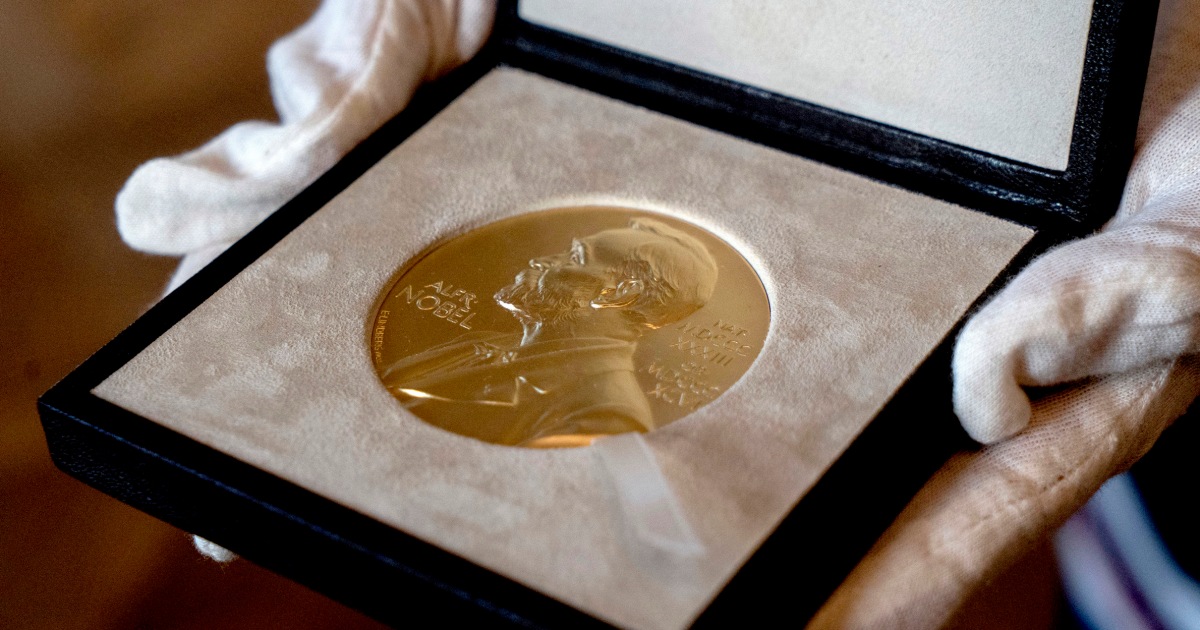
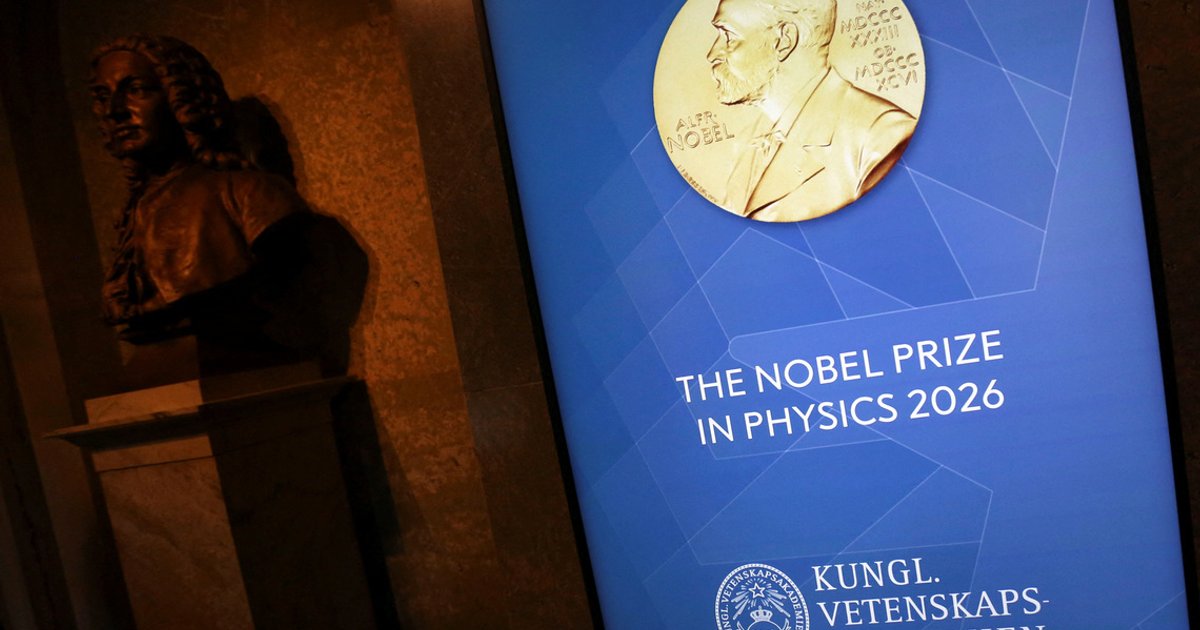
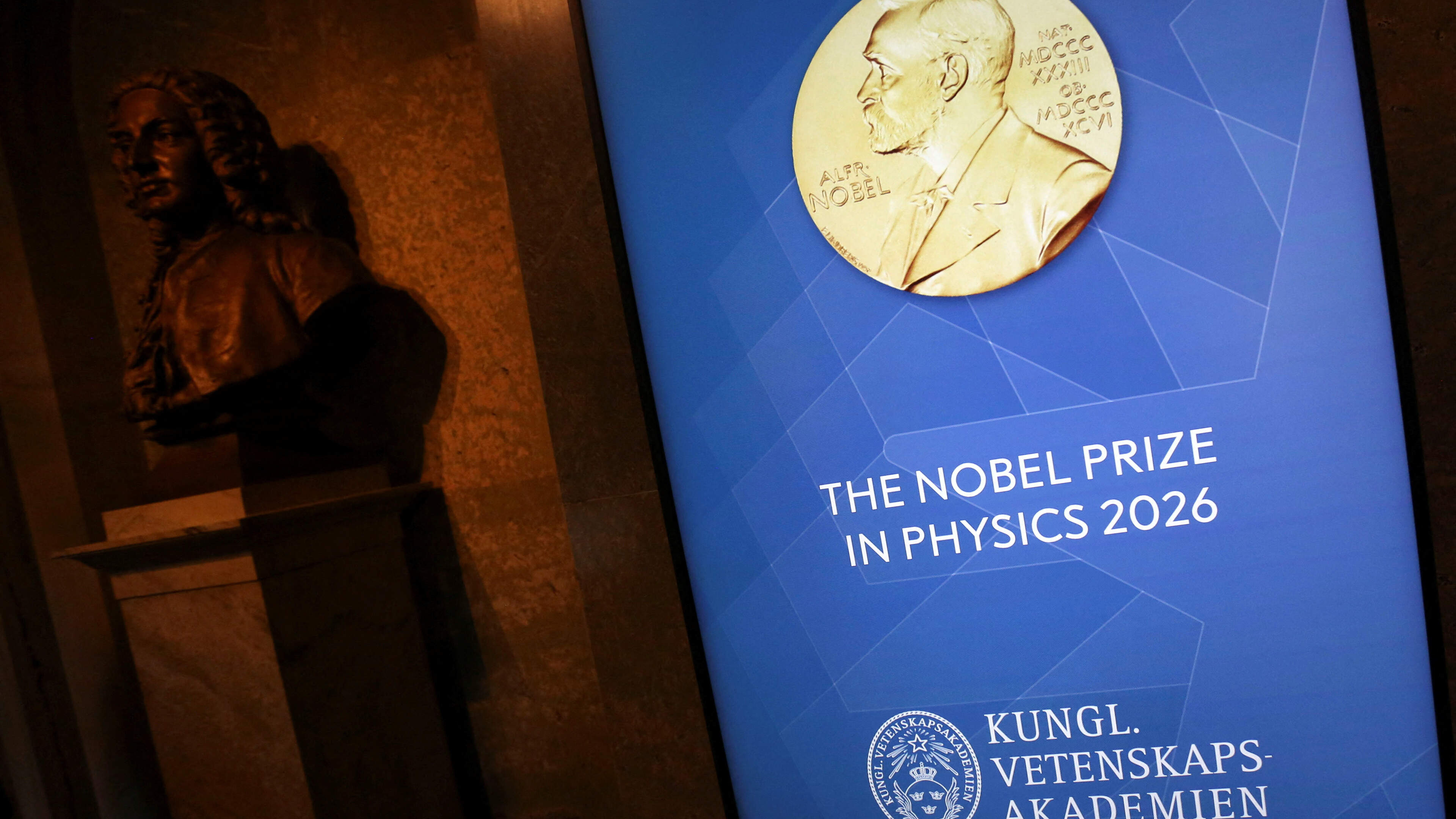
The Royal Swedish Academy of Sciences awarded the 2026 Nobel Prize in Physics to Francis Halzen for contributions to the IceCube Neutrino Observatory and the discovery of high-energy astrophysical neutrinos.


1 / 8
The story, neutrally told
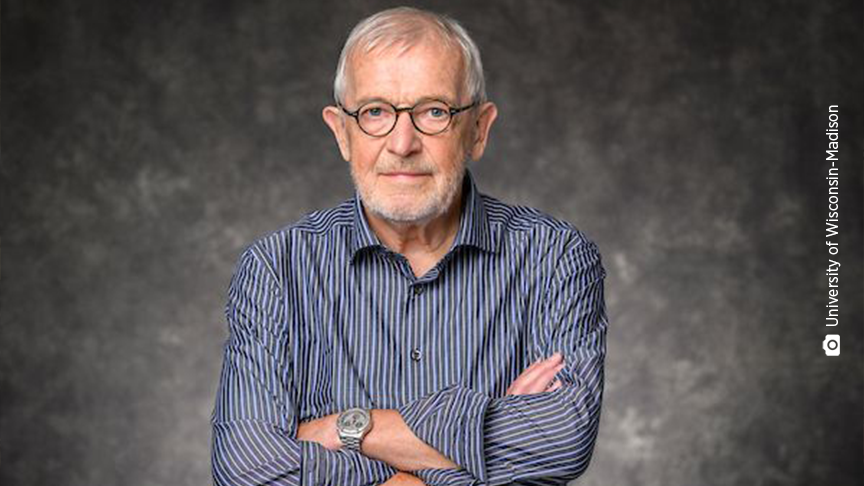
Mixed · 2The Royal Swedish Academy of Sciences in Stockholm announced on Tuesday 6 October 2026 that Francis Halzen won the 2026 Nobel Prize in Physics. Deutsche WelleN “The Royal Swedish Academy of Sciences on Tuesday awarded the Nobel Prize in physics to Francis Halzen.” Read at Deutsche Welle ↗ The Straits TimesRC “won the 2026 Nobel Prize in Physics for "decisive contributions to the IceCube Neutrino Observatory and the discovery of high-energy neutrinos of astrophysical origin"” Read at The Straits Times ↗ Centre · 2The academy cited "decisive contributions to the IceCube Neutrino Observatory and the discovery of high-energy neutrinos of astrophysical origin"; the committee described neutrinos as "ghostly messages from space". Deutsche WelleN “The committee described the neutrinos as "ghostly messages from space."” Read at Deutsche Welle ↗ South China Morning PostN ““decisive contributions to the IceCube Neutrino Observatory and the discovery of high-energy neutrinos of astrophysical origin”” Read at South China Morning Post ↗ Centre · 2Halzen, described as Belgian-born and 82 years old, is affiliated with the University of Wisconsin–Madison in the United States, the lead institution of IceCube. South China Morning PostN “Born in Belgium, the 82-year-old Halzen is affiliated with the University of Wisconsin–Madison in the United States.” Read at South China Morning Post ↗ New ScientistN “Francis Halzen at the University of Wisconsin–Madison has won the 2026 Nobel prize in physics” Read at New Scientist ↗
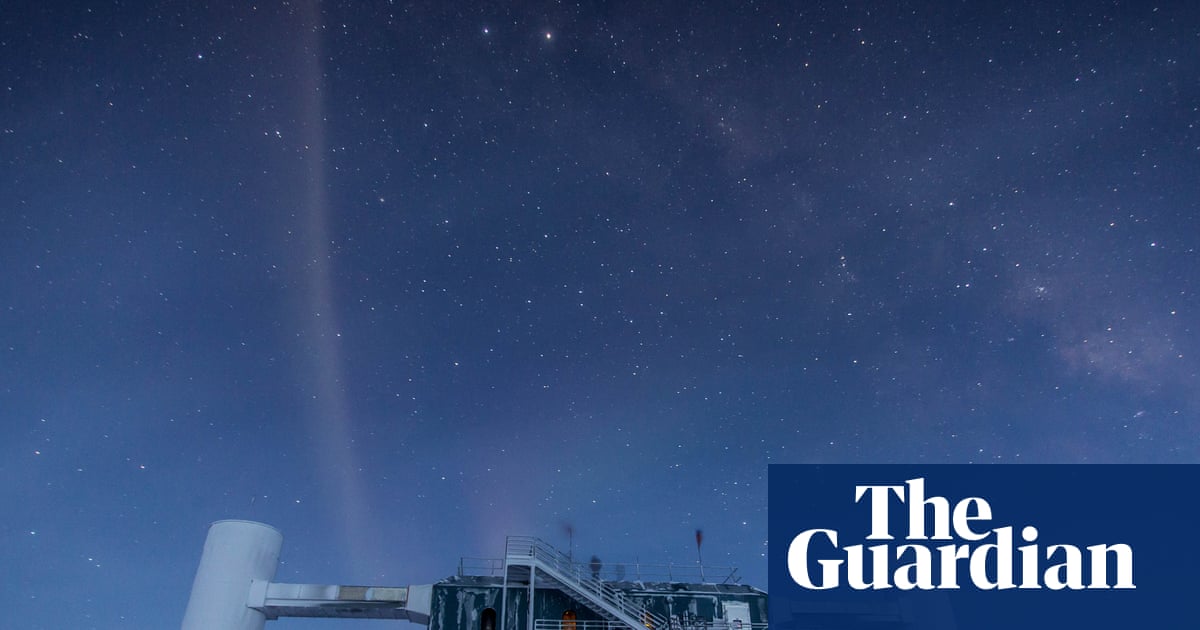
Centre · 2IceCube is a cubic kilometre of South Pole ice fitted with light sensors, buried about 2 kilometres deep in holes drilled with hot water; it lets researchers trace neutrinos from violent processes in the distant universe back to their origin. New ScientistN “The IceCube Neutrino Observatory uses thousands of light sensors buried 2 kilometres under the surface of the ice, in deep holes drilled using hot water.” Read at New Scientist ↗ Hindustan TimesN “Using IceCube, researchers can capture neutrinos from extremely energy-rich processes in the distant universe, the jury said.” Read at Hindustan Times ↗ Centre · 1According to New Scientist, Halzen proposed in 1988 to use Antarctic ice as a neutrino detector and led an international collaboration of more than 450 people from 58 institutions in 14 countries; IceCube was completed in 2011 and detected its first neutrinos two years later. New ScientistN “Halzen has spearheaded an international collaboration of more than 450 people from 58 institutions in 14 countries to make the IceCube a reality.”“Halzen proposed in 1988 to use the Antarctic ice as a neutrino detector.” Read at New Scientist ↗ Centre · 1Mark Pearce, chair of the Nobel Committee for Physics, said Halzen led a team that provided "a fantastic instrument" and that "tenacity and scientific vision have paved the way for a new kind of astronomy". South China Morning PostN “His tenacity and scientific vision have paved the way for a new kind of astronomy,” Mark Pearce, chair of the Nobel Committee for Physics, said in a news release.” Read at South China Morning Post ↗
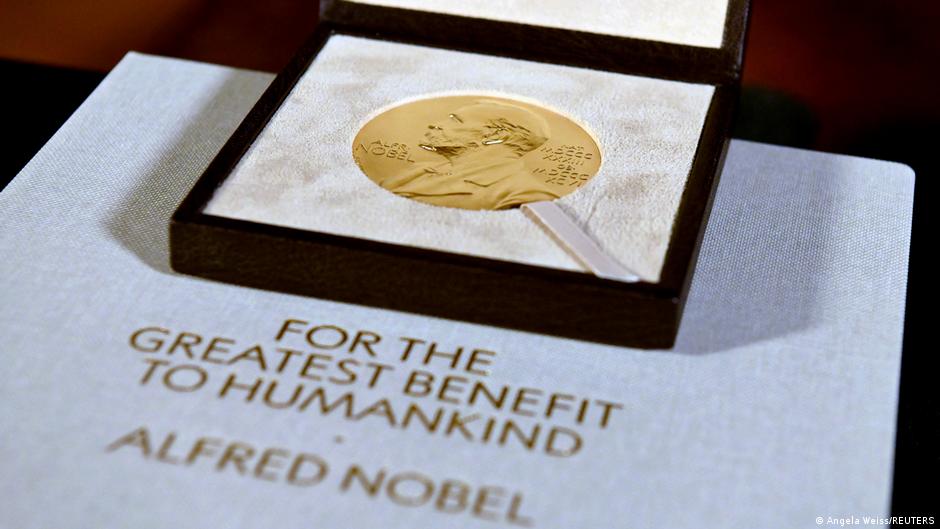
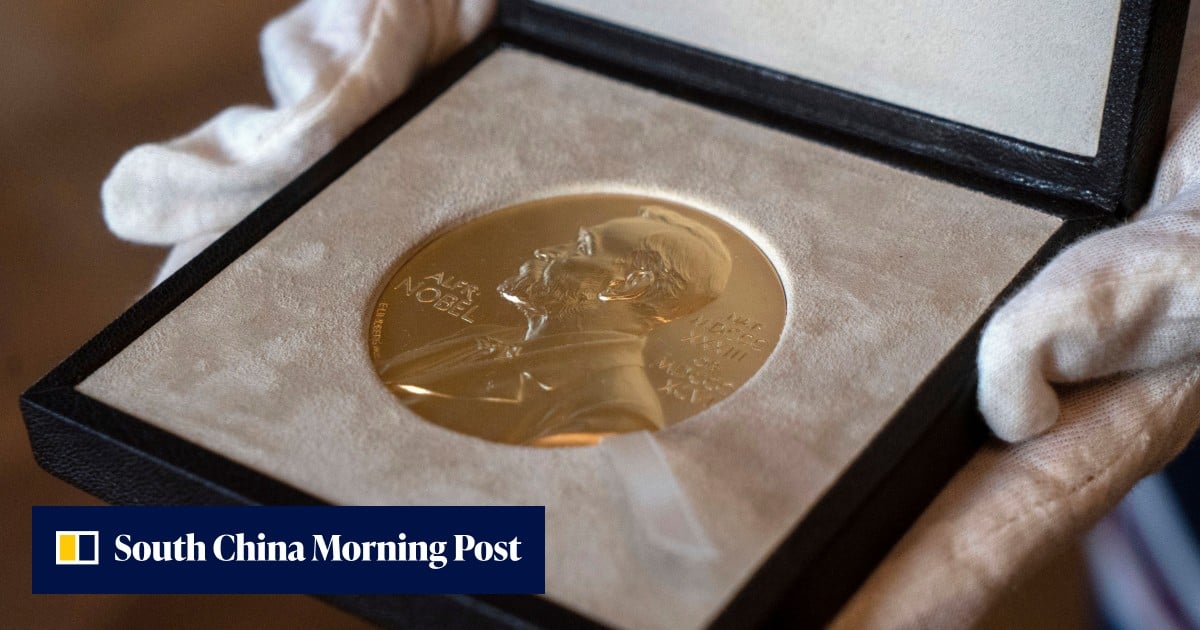
Centre · 2Halzen, speaking by phone from Italy at the announcement, said: "It was a great surprise and I obviously didn't expect it." South China Morning PostN “Halzen spoke to the committee by phone from Italy on Tuesday.” Read at South China Morning Post ↗ New ScientistN ““It was a great surprise and I didn’t expect it,” said Halzen, addressing the press conference by phone.” Read at New Scientist ↗ Mixed · 2The prize is worth 12 million Swedish kronor (about $1.2 million), shared if there are several laureates. DW reports the physics prize has now been awarded 119 times to 230 laureates between 1901 and 2025. The Straits TimesRC “receive a prize sum totalling 12 million Swedish crowns ($1.2 million), which is shared among the winners if there are several.” Read at The Straits Times ↗ Deutsche WelleN “The physics prize has been awarded 119 times to 230 laureates between 1901 and 2025.” Read at Deutsche Welle ↗ Mixed · 2It is the second Nobel of the 2026 season, after Monday's medicine prize to Karl Deisseroth, Peter Hegemann and Georg Nagel for optogenetics; chemistry follows Wednesday, literature Thursday, peace Friday and economics on 12 October. Hindustan TimesN “Karl Deisseroth, Peter Hegemann and Georg Nagel won the 2026 Nobel Prize in Physiology or Medicine for their discoveries concerning light-gated ion channels and optogenetics on Monday.” Read at Hindustan Times ↗ NBC NewsLC “This week’s awards continue Wednesday with the chemistry prize and literature on Thursday.” Read at NBC News ↗
Mixed · 2Last year's physics prize went to John Clarke, Michel Devoret and John Martinis for work on macroscopic quantum tunnelling in an electric circuit. Hindustan TimesN “John Clarke, Michel H Devoret and John M Martinis won the 2025 Nobel Prize in Physics” Read at Hindustan Times ↗ The Straits TimesRC “Last year's physics prize was awarded to US-based scientists John Clarke, Michel Devoret and John Martinis” Read at The Straits Times ↗
Every sentence links to the reporting it rests on. The pill in front of each says where its sources sit: Left, Centre or Right when one side supplies at least half of them, Mixed when they are evenly split. The number is how many outlets it cites.
Left5 outlets
- Framing
- NBC News ran a pre-announcement curtain-raiser, before the winner was named, on the day's schedule.
- Emphasis
- Last year's physics winners, the week's schedule and the prize money.
- Leaves out or plays down
- Carries no winner or science of the award, as it was filed before the announcement.
- For example
-
“The Nobel Prize in physics will be announced Tuesday by the Royal Swedish Academy of Sciences in Stockholm.” — NBC News
Centre8 outlets
- Framing
- Straight news reports of the winner and the IceCube citation, with explanation of neutrinos and the South Pole detector.
- Emphasis
- The science (ice as a detector, collaboration size), Halzen's surprise, and the committee's praise.
- Leaves out or plays down
- Little on how the prize is received by the wider physics community.
- Charged language
- “ghostly messengers from the cosmos”
- For example
-
“work on neutrinos, which act like 'ghostly messengers from the cosmos'” — New Scientist
“His tenacity and scientific vision have paved the way for a new kind of astronomy” — South China Morning Post
Right2 outlets
- Framing
- Reuters copy carried by the Straits Times: a brief winner announcement padded with Nobel history and ceremony details.
- Emphasis
- Alfred Nobel's will, past laureates such as Einstein and Curie, and the 10 December ceremony.
- Leaves out or plays down
- Does not explain what IceCube does or quote Halzen.
- For example
-
“The Nobel Prizes were established under the will of Swedish inventor and entrepreneur Alfred Nobel” — The Straits Times
What every side reports
- Francis Halzen won the 2026 Nobel Prize in Physics for contributions to IceCube and the discovery of high-energy astrophysical neutrinos.
- The prize is worth 12 million Swedish kronor (about $1.2 million).
- It is the second Nobel announced this week, after the medicine prize on Monday.
-
Francis Halzen won the 2026 Nobel Prize in Physics for contributions to the IceCube Neutrino Observatory and the discovery of high-energy astrophysical neutrinos.
Supported- Supports 5
- Deutsche Welle, Hindustan Times, New Scientist, South China Morning Post, The Straits Times
-
The 2026 Nobel prize money is 12 million Swedish kronor (about $1.2 million).
Reported- Reports 4
- NBC News, Deutsche Welle, South China Morning Post, The Straits Times
Francis Halzen person
Halzen said the award was a surprise and a pleasure; the academy credits their vision and leadership of IceCube.
““It was a great surprise and I didn’t expect it,” said Halzen” — New Scientist
Royal Swedish Academy of Sciences organisation
The academy says IceCube's continuing data will give novel knowledge about violent cosmic settings and could reveal unknown phenomena.
“could even reveal previously unknown cosmic phenomena,” the award-giving body said.” — Hindustan Times
Left5 articles
-
Nobel Prize in physics to be awarded in Stockholm
Neutral Pre-announcement preview of the physics prize and the week's schedule.
-
Show 1 moreShow fewer
Centre9 articles
-
Francis Halzen wins 2026 Nobel Prize in Physics for contribution to IceCube Neutrino Observatory
Neutral Winner report with the academy's explanation and recaps of other 2025-26 prizes.
-
-
-
Show 5 moreShow fewer
-
Nobel Physics Prize goes to Francis Halzen for neutrino work
Neutral Short developing-story report of the winner and citation.
-
Nobel prize in physics awarded for discovery of high-energy neutrinos
Sympathetic Explains neutrinos and IceCube, with Halzen's reaction.

-
Francis Halzen wins 2026 Nobel Prize in Physics
Neutral Agency report with Halzen's phone reaction and committee chair's praise.
-

-
Right2 articles
-
The Straits TimesRC · · via Reuters
Francis Halzen wins 2026 Nobel Prize in Physics
Neutral Reuters wire report on the winner with Nobel history and ceremony context.
-
- 6 Oct 09:30 First NBC NewsLC Nobel Prize in physics to be awarded in Stockholm
- 6 Oct 10:52 +1h 21m Hindustan TimesN Francis Halzen wins 2026 Nobel Prize in Physics for contribution to IceCube Neutrino Observatory
- 6 Oct 10:52 +1h 22m France 24N 🔴 Nobel Prize in Physics awarded to Francis Halzen for ice research
- 6 Oct 10:52 +1h 22m CNAN Francis Halzen wins 2026 Nobel Prize in Physics
- 6 Oct 10:53 +1h 23m Hindustan TimesN Nobel Prize in Physics 2026 awarded to Francis Halzen for IceCube Observatory work
- 6 Oct 10:54 +1h 23m Deutsche WelleN Nobel Physics Prize goes to Francis Halzen for neutrino work
- 6 Oct 10:56 +1h 26m New ScientistN Nobel prize in physics awarded for discovery of high-energy neutrinos
- 6 Oct 10:56 +1h 26m South China Morning PostN Francis Halzen wins 2026 Nobel Prize in Physics
- 6 Oct 10:59 +1h 28m The Straits TimesRC Francis Halzen wins 2026 Nobel Prize in Physics via Reuters
- 6 Oct 11:10 +1h 39m Irish IndependentRC Particle physicist Francis Halzen wins 2026 Nobel Prize in physics
- 6 Oct 11:10 +1h 39m BBC NewsN 'Ghost particles' from space telescope wins physics Nobel
- 6 Oct 11:11 +1h 40m The GuardianLC Nobel prize in physics goes to Francis Halzen for south pole work on neutrinos
- 6 Oct 11:16 +1h 46m NPRLC Francis Halzen wins Nobel Prize in physics for work on high-energy neutrinos from space
- 6 Oct 11:27 +1h 56m Anadolu AgencyN Belgian physicist Francis Halzen wins 2026 Nobel Prize in Physics
- 6 Oct 11:33 +2h 2m CBC NewsLC Belgian physicist awarded Nobel Prize for pioneering work tracking neutrino particles at South Pole
- 6 Oct 12:07 +2h 37m ABC News (Australia)LC Nobel Prize in Physics honours work on 'ghost messengers from space'
Times are when each article was published, or when we first saw it if the outlet gave no time.