Nuclear operators upgrade old reactors for more power, with Google funding some
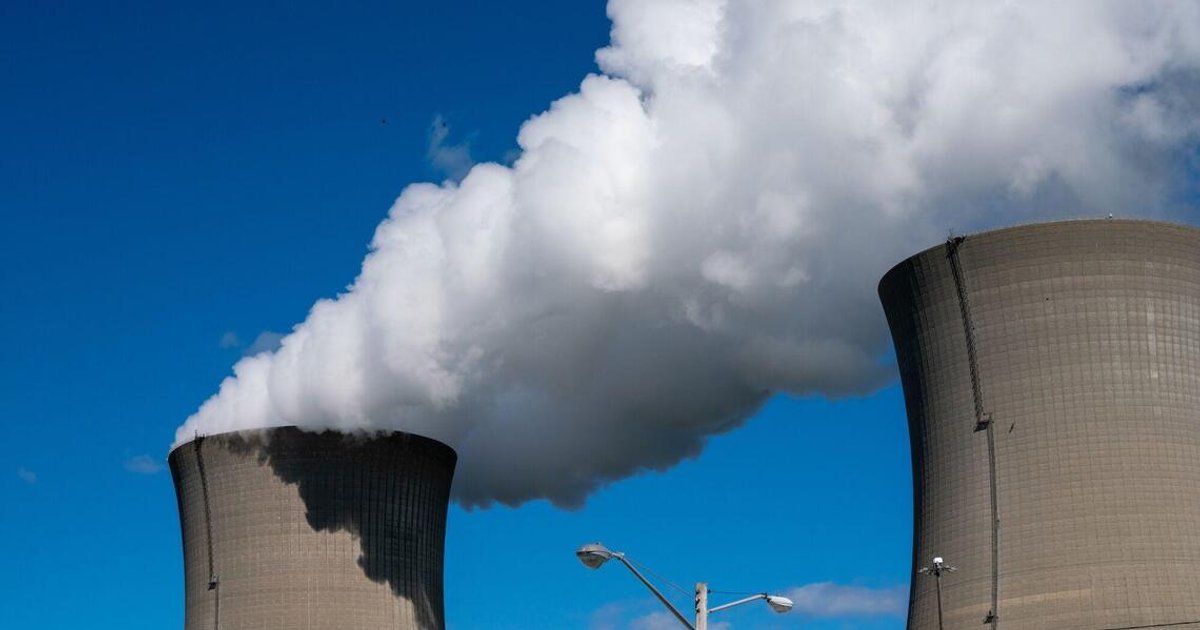
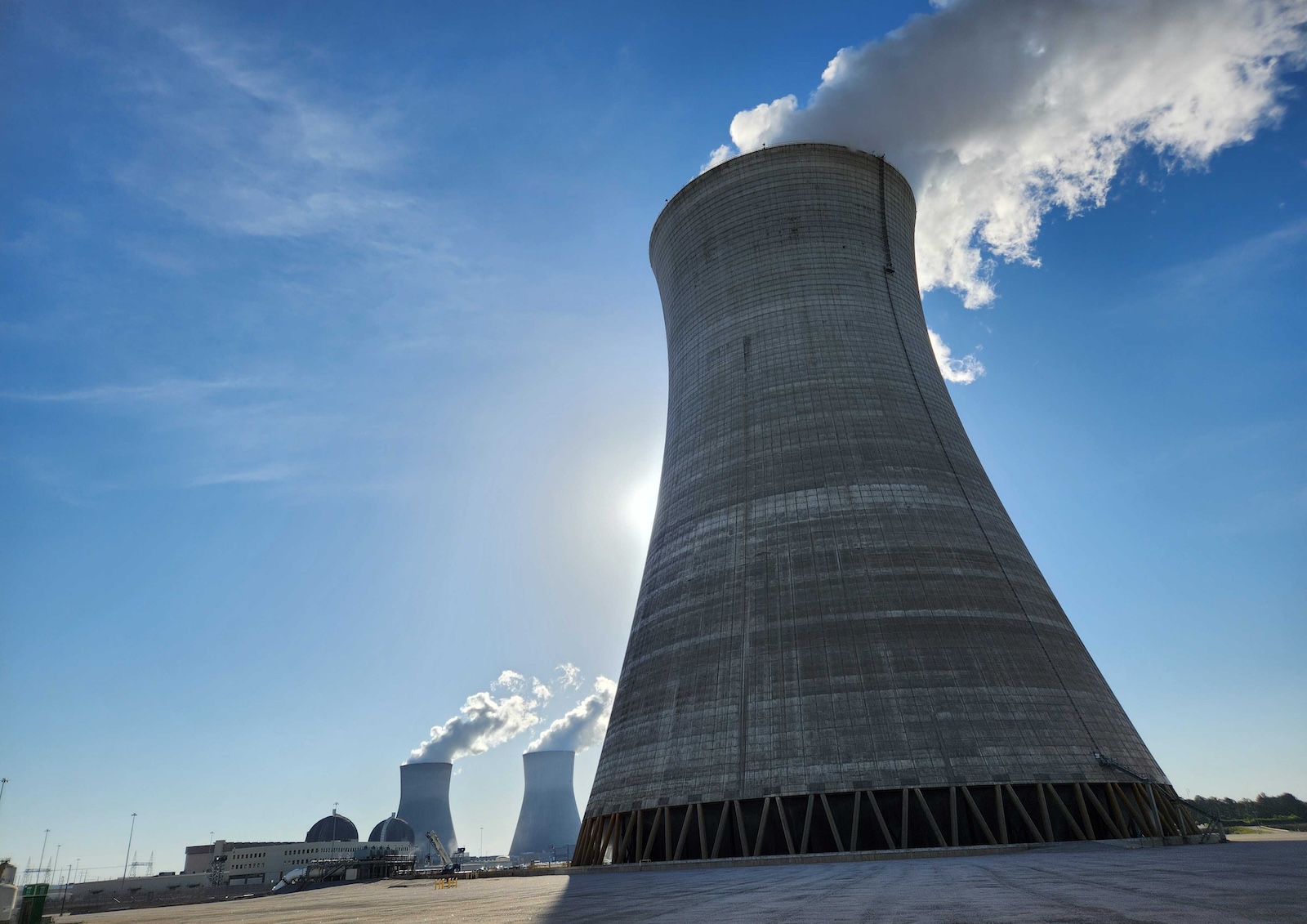
Companies are raising output from decades-old nuclear reactors through "power uprates", seen as faster and cheaper than new plants. In Georgia, regulators approved a deal in which Google helps pay for upgrades.
1 / 2
The story, neutrally told
Right · 1Companies are increasingly looking to squeeze more power from nuclear reactors built decades ago, as building a new nuclear plant is a long and difficult process. The Straits TimesRC “Building a nuclear power plant is a long, hard slog. So lately, many companies are eyeing a faster, cheaper solution: Squeezing even more power out of old reactors that were built decades ago.” Read at The Straits Times ↗ Right · 1The process, known as a "power uprate", involves upgrading key components such as controls, turbines or pumps so a plant can generate more electricity. The Straits TimesRC “This process, known as a “power uprate”, involves upgrading key components inside nuclear plants such as controls, turbines or pumps so that they can generate more electricity.” Read at The Straits Times ↗ Right · 1The Straits Times, in an article credited to Brad Plumer and Rebecca F. Elliott, says such upgrades can often be completed in less than five years and at a fraction of the cost of building a plant from scratch. The Straits TimesRC “Upgrading old plants can often be completed in less than five years, at a fraction of the cost of building a nuclear plant from scratch.” Read at The Straits Times ↗
Left · 1Grist reports that last week the Georgia Public Service Commission approved a deal between Georgia Power and Google under which, starting in 2028, Google will help pay for upgrades to the state's nuclear reactors. GristL “Last week, the Georgia Public Service Commission voted to approve a new deal between Georgia Power and the tech giant Google. Starting in 2028, Google will help pay for upgrades to the state’s nuclear reactors.” Read at Grist ↗ Left · 1Georgia Power wants to upgrade four older reactors at Plant Vogtle and Plant Hatch. Regulators approved the Vogtle upgrades last year, and the commission has now approved the Hatch work and a subscription program that lets large customers such as Google pay for both. GristL “Georgia Power wants to upgrade four of the state’s older nuclear reactors at Plant Vogtle and Plant Hatch so they can produce more energy.”“Now, the commission has voted to move ahead with the updates at Plant Hatch too — and approved a new subscription program so large customers like Google can pay for both.” Read at Grist ↗ Left · 1Google will pay a subscription fee on top of its electricity bill and in return gets credit toward its goal of using only carbon-free energy by 2030. The deal's precise terms have not been made public; the utility says it is expected to add 96 megawatts of capacity and about $900 million in projected customer benefits over the life of the units. GristL “Under the program, Google will pay a subscription fee on top of its electricity bill to help cover the cost of the nuclear upgrades.”“Precise details of the agreement between Google and Georgia Power haven’t been made public. It’s expected to add 96 megawatts of nuclear capacity to the grid” Read at Grist ↗
Left · 1Google also said it will partner with Constellation Energy to fund similar upgrades at reactors in Illinois, New Jersey and Pennsylvania, adding 890 megawatts for the PJM grid, while Amazon has announced a deal to add capacity at a Constellation plant in Maryland. GristL “Google also announced last week that it will partner with Constellation Energy to fund similar nuclear upgrades at reactors in Illinois, New Jersey, and Pennsylvania, adding 890 megawatts of energy to the grid for PJM” Read at Grist ↗ Left · 1Priya Barua and Katie Southworth of the Corporate Energy Buyers Association say such deals can speed new supply, with gas turbine supply chains delayed, and offer an alternative to the new gas and extended coal generation utilities are using to meet data centre demand. GristL “That speed could prove critical in the coming years because there are significant delays in the supply chain for natural gas turbines and other key components”“Deals like this one could present an alternative, according to Priya Barua of the Corporate Energy Buyers Association” Read at Grist ↗
Every sentence links to the reporting it rests on. The pill in front of each says where its sources sit: Left, Centre or Right when one side supplies at least half of them, Mixed when they are evenly split. The number is how many outlets it cites.
Left1 outlet
- Framing
- Grist focuses on tech-company money, led by Google's deal with Georgia Power, as a way to add carbon-free power for data centres.
- Emphasis
- Climate angle, Google's carbon-free goal, and alternatives to gas and coal.
- Leaves out or plays down
- Gives little on cost comparisons or technical detail of uprates.
- Charged language
- “carbon-free energy”
- For example
-
“In exchange, Google gets credit toward its goal of using only carbon-free energy by 2030.” — Grist
Centre0 outlets
No centre outlet in our sources has covered this story yet.
Right1 outlet
- Framing
- The Straits Times presents uprates as a new trend: a faster, cheaper route to more nuclear power than building new plants.
- Emphasis
- Speed and cost advantage over new construction.
- Leaves out or plays down
- Offers no mention of Google, data-centre demand or specific projects in the text provided.
- Charged language
- “long, hard slog”
- For example
-
“Building a nuclear power plant is a long, hard slog.” — The Straits Times
What every side reports
- Upgrading existing reactors can take around five years, far less than building a new plant.
- Upgrades raise the electricity output of decades-old nuclear plants.
Google organisation
Google says its collaboration with Georgia Power pairs digital infrastructure growth with local benefits and a cleaner, more affordable grid, and it earns credit toward its 2030 carbon-free goal.
“supporting a more affordable, clean, and reliable energy system for all Georgia residents” — Grist
Left1 article
-
GristL ·
Why Google is paying to upgrade nuclear power plants
Sympathetic Presents Google-funded upgrades as a way for tech money to help carbon-free energy compete with fossil generation.
Centre0 articles
No coverage yet.
Right1 article
-
A new trend in nuclear energy: Squeezing more power out of old plants
Neutral Explainer presenting power uprates as a faster, cheaper alternative to new reactors.
- 12 Oct 03:05 First The Straits TimesRC A new trend in nuclear energy: Squeezing more power out of old plants
- 13 Oct 09:45 +30h 40m GristL Why Google is paying to upgrade nuclear power plants
Times are when each article was published, or when we first saw it if the outlet gave no time.
Ask about this story
Loading…