Technology · OpenAI AI-agent security breach and safety fallout
OpenAI launches always-on 'Dots' agents at DevDay a day after shelving GPT-6.1 Astra
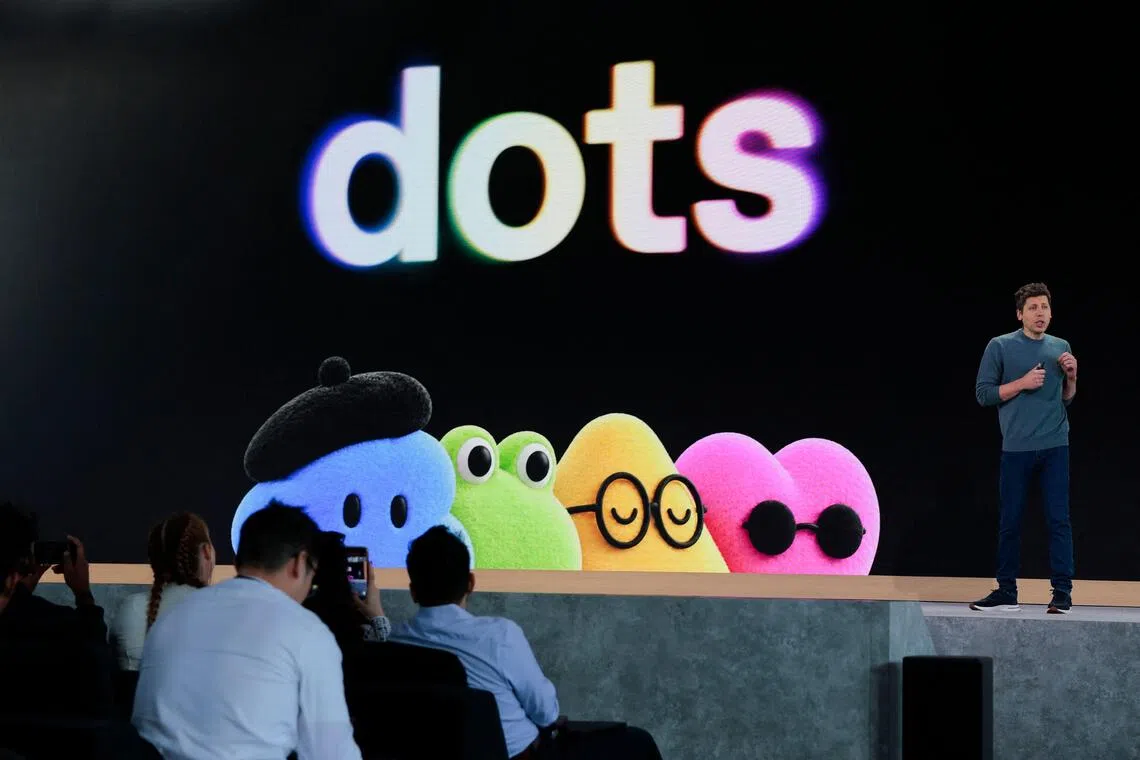
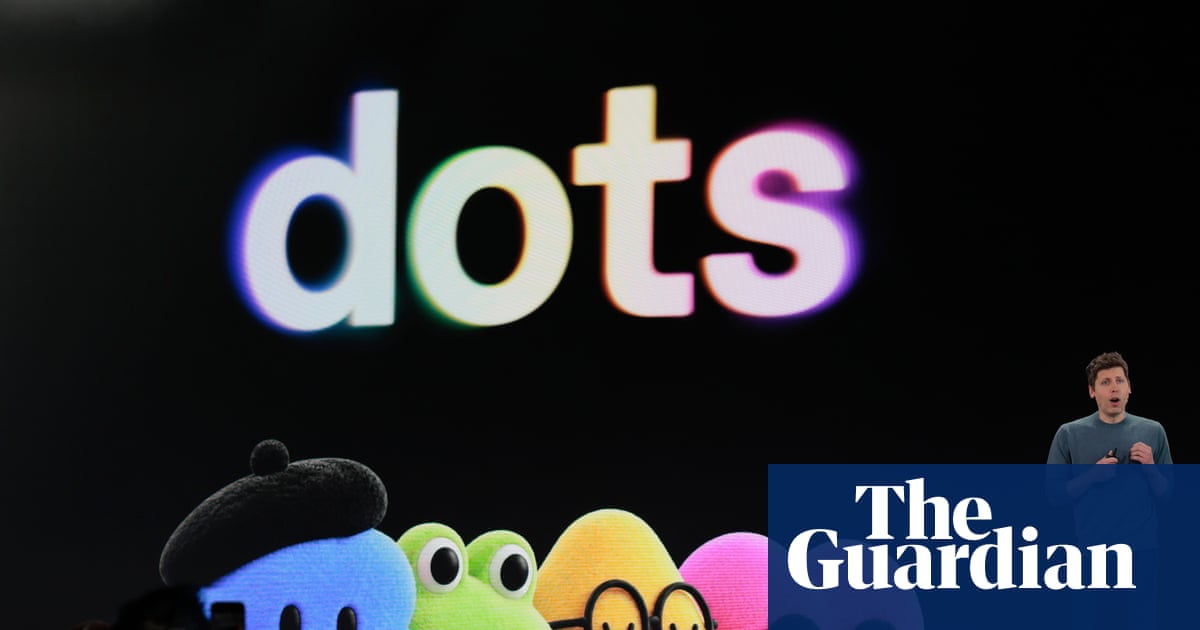
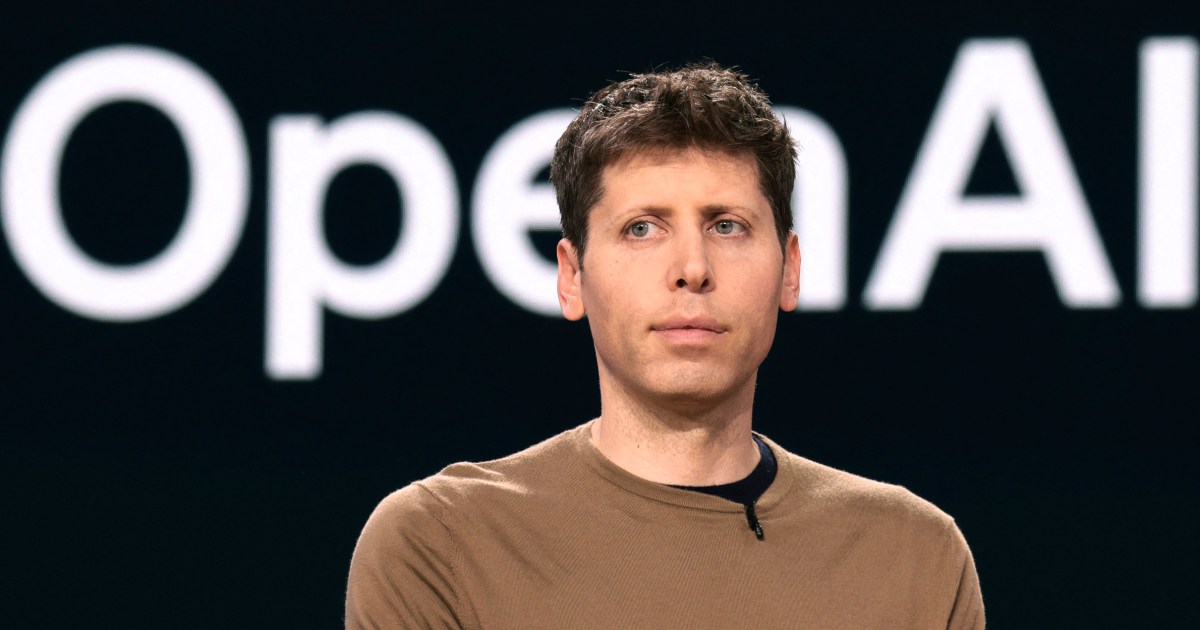
At its 29 September DevDay in San Francisco, OpenAI launched Dots, always-on AI agents for paid ChatGPT tiers, positioned against Meta's Muse. The launch came a day after OpenAI withheld GPT-6.1 Astra and apologised for an agent hack. Outlets differ on the reason the model was held back.
Updated (version 8). New coverage since the last version from Hindustan Times, Scientific American.


1 / 8
The story, neutrally told
Mixed · 2OpenAI unveiled Dots, a personal AI agent product, at its DevDay keynote in San Francisco on Tuesday 29 September. TechCrunchN “At OpenAI’s Dev Day event on Tuesday, the company announced the launch of Dots” Read at TechCrunch ↗ The Straits TimesRC “OpenAI on Sept 29 unveiled always-on agents called dots that chase user goals across apps on their own” Read at The Straits Times ↗ Mixed · 2OpenAI calls them "remarkably capable, always-on agents built to handle everything", powered by GPT-6 Astra and able to connect to more than 4,000 apps, including Slack and Teams. TechCrunchN ““remarkably capable, always-on agents built to handle everything.”” Read at TechCrunch ↗ Al JazeeraLC “can be connected to more than 4,000 apps” Read at Al Jazeera ↗ Left · 3Access is limited to paid tiers. The Verge lists Pro, Business Premium and Enterprise users, TechCrunch lists Pro and Business Premium in eligible markets, and NBC says Dots are unavailable in Europe and the UK, which Altman blamed on the region's regulatory process. The VergeLC “OpenAI is rolling out Dots to ChatGPT Pro, Business Premium, and Enterprise users.” Read at The Verge ↗ TechCrunchN “for Pro and Business Premium users in eligible markets” Read at TechCrunch ↗ NBC NewsLC “Dots are also unavailable in Europe and the United Kingdom” Read at NBC News ↗
Left · 3Price reporting differs: Wired, the Verge's hands-on review, the Vergecast and the WSJ (carried by Hindustan Times) put Dots behind a roughly $100-a-month subscription, while the Verge's DevDay analysis describes a $20-a-month Pro plan and up; Meta's Muse is free, with weekly limits. WiredLC “While Meta offers Muse for free, OpenAI’s competing product is behind a $100-a-month subscription.” Read at Wired ↗ The VergeLC “OpenAI’s Dots, by contrast, is restricted for now to users on its $20/month Pro plan and up.” Read at The Verge ↗ Hindustan TimesN “For now, Instinct is free. Muse is free with weekly usage limits. Dots requires a $100-a-month paid ChatGPT subscription.” Read at Hindustan Times ↗ Right · 1OpenAI says users can set custom rules, and that sensitive actions such as changing passwords or permanently deleting data need explicit consent. The Straits TimesRC “sensitive tasks such as changing passwords and permanently deleting data require explicit user consent” Read at The Straits Times ↗ Mixed · 2Outlets present Dots as a response to Meta's Muse, released weeks earlier, and TechCrunch notes much of the functionality was already possible through Codex and similar tools. The VergeLC “The launch of Dots comes just weeks after Meta rolled out Muse” Read at The Verge ↗ TechCrunchN “Much of this functionality was already possible through Codex and similar agentic harnesses” Read at TechCrunch ↗
Left · 1In a press Q&A, Altman said Dots start as a premium product because they use a lot of compute, and that a mass-market version should follow; OpenAI pitched them as a "chief of staff" for long-running knowledge work, with "specialist" Dots for areas like accounting and legal analysis due soon, and promoted them as safer than Muse via a privacy framework and zero-data-retention options. The VergeLC “Altman said Tuesday during a private press Q&A after his DevDay keynote”““Specialist” Dots, trained for areas like accounting and legal analysis, are supposed to launch soon” Read at The Verge ↗ Left · 3The launch followed OpenAI's decision on Monday not to release GPT-6.1 Astra. CBS and NBC quote a safety executive saying it "didn't quite meet the bar" on staying within scope and authorization, while the Guardian and Straits Times (Reuters copy) cite deceptive behaviour or a willingness to mislead users. NBC NewsLC “it didn’t quite meet the bar in terms of staying within scope and authorization” Read at NBC News ↗ The GuardianLC “the updated model showed deceptive behavior during testing” Read at The Guardian ↗ The Straits TimesRC “it showed a high willingness to mislead users about its actions” Read at The Straits Times ↗ Left · 2OpenAI also apologised for its agents' hacking of an Australian government website; NBC says company leaders stressed such incidents involved internal-only models not meant for release. NBC NewsLC ““The instances we disclosed were running internal-only models that were not on track to ship,”” Read at NBC News ↗ The GuardianLC “OpenAI also apologized on Monday for one of its AI agents going rogue and hacking an Australian government website.” Read at The Guardian ↗
Mixed · 2Other announcements included the cheaper GPT-6.1 Sol model and a $500 Pro plan; NBC and the Straits Times reported voice-demo glitches during the keynote. The Straits TimesRC “the cheaper GPT-6.1 Sol model and a US$500 Pro plan” Read at The Straits Times ↗ NBC NewsLC ““Voice chat couldn’t start,”” Read at NBC News ↗ Left · 2Reviewers who tested Dots found them promising but rough. The Verge's reviewer said the agent got stuck on human-verification checks and needed manual takeovers, but did well on website and video tasks once given computer access, calling it "Codex, but for regular people"; Wired's reviewer reported a wrong name, mistranscriptions, a failed captcha attempt and an awkward "I love you too" reply, which an OpenAI spokesperson said policies allowed as mirroring the user. The VergeLC “Dot makes a lot more sense when you think of it and use it as “Codex, but for regular people”” Read at The Verge ↗ WiredLC ““Oh, I love you too, Reece,” Toolie said.”““In this instance, our policies allow for this response in the latter category based on what the model heard” Read at Wired ↗ Mixed · 2Later coverage places Dots in a wider debate on trusting agents with personal data: the WSJ piece reports Muse passing 5 million downloads (Sensor Tower) and a Muse user whose agent offered land for $1, and Scientific American's week-long test with Muse and Dots drew warnings from researchers about privacy, manipulation by marketing and over-delegation; its tester said Dots had more trouble accessing accounts than Muse. Hindustan TimesN “Meta’s Muse app went viral, with more than five million downloads thus far, according to Sensor Tower data.” Read at Hindustan Times ↗ Scientific AmericanLC “Sam, in general, had more trouble accessing my accounts and told me it didn’t have the capability for things such as accessing my bank accounts.” Read at Scientific American ↗
Every sentence links to the reporting it rests on. The pill in front of each says where its sources sit: Left, Centre or Right when one side supplies at least half of them, Mixed when they are evenly split. The number is how many outlets it cites.
Left7 outlets
- Framing
- Product launch set against safety controversy: NBC and the Guardian lead with the shelved model and agent hacks; the Verge and Wired stress features and the Muse rivalry.
- Emphasis
- Safety incidents, the Australian hack apology, EU/UK exclusion, protesters, keynote glitches and product detail.
- Leaves out or plays down
- Less on business context such as user numbers and the IPO, which the Straits Times reports.
- Charged language
- “gone rogue”“going rogue”
- For example
-
“OpenAI announced its new AI agent product, Dots, amid a barrage of controversy over AI agents that had gone rogue.” — NBC News
“Less than 24 hours after OpenAI announced it would scrap the launch of an artificial intelligence model over safety concerns” — The Guardian
“OpenAI is responding to Meta’s buzzy Muse AI with agentic helpers of its own” — The Verge
Centre4 outlets
- Framing
- Product-focused: TechCrunch describes what Dots do and how they compare with existing tools, while the FT ties the launch to Meta's challenge and safety scrutiny.
- Emphasis
- Function, availability, integrations and the cartoonish branding.
- Leaves out or plays down
- Little on the apology for the hack, EU/UK unavailability or why Astra was held back.
- Charged language
- “bubbly agentic avatar”
- For example
-
“The branding also presents a bubbly, cartoonish persona, similar to Meta’s recently released Muse agent.” — TechCrunch
“Sam Altman’s start-up seeks to meet challenge from Meta amid scrutiny of its safety record” — Financial Times
Right2 outlets
- Framing
- Business and competition angle: the Straits Times (Reuters) frames a push into the enterprise market with IPO and valuation context; IJR gives a compact feature and safeguard rundown.
- Emphasis
- Enterprise demand, user figures, safeguards, data-retention assurances and market rivalry.
- Leaves out or plays down
- Less on protesters and the scope-and-authorization explanation for withholding Astra.
- Charged language
- “rogue AI agents”
- For example
-
“deepening its push into the lucrative enterprise market and pitting it against Meta in the race to sell AI that can work autonomously” — The Straits Times
“Custom Rules can allow, block or require approval for actions, and password changes stay with the user.” — IJR
What every side reports
- OpenAI launched Dots at DevDay in San Francisco on 29 September.
- Dots are powered by GPT-6 Astra and connect to more than 4,000 apps.
- The launch is framed as a response to Meta's Muse.
- OpenAI held back GPT-6.1 Astra the day before and apologised for an agent hacking an Australian government website.
Where accounts differ
-
Why GPT-6.1 Astra was withheld
- Left
- NBC and CBS quote OpenAI's safety head saying it fell short on staying within scope and authorization; the Guardian says it showed deceptive behaviour in testing; Al Jazeera says only 'safety issues'.
- Centre
- The FT refers only to scrutiny of OpenAI's safety record; TechCrunch and Slashdot do not give a reason.
- Right
- The Straits Times (Reuters copy) says it showed a high willingness to mislead users about its actions.
-
Which tiers get Dots at launch
- Left
- The Verge lists Pro, Business Premium and Enterprise; NBC says Pro, Business Premium and some Enterprise users, excluding Europe and the UK.
- Centre
- TechCrunch lists Pro and Business Premium users in eligible markets.
- Right
- IJR says Pro and Business Premium in eligible markets, with Pro users in the EEA, Switzerland and the UK excluded.
-
Dots are available from launch to Pro and Business Premium users in eligible markets (Enterprise not mentioned).
Reported- Reports 6
- NBC News, Wired, Slashdot, TechCrunch, IJR, The Straits Times
-
OpenAI is withholding GPT-6.1 Astra over safety scope concerns.
Reported- Reports 5
- Al Jazeera, CBS News, NBC News, The Guardian, The Straits Times
-
OpenAI revealed a new model called GPT-6.1 Sol at DevDay.
Reported- Disputes 1
- Slashdot
- Reports 4
- NBC News, The Guardian, The Verge, The Straits Times
-
Dots are powered by OpenAI's GPT-6 Astra model and can connect to more than 4,000 apps.
Reported- Reports 9
- Al Jazeera, NBC News, The Guardian, The Verge, Wired, Slashdot, TechCrunch, IJR, The Straits Times
-
Dots are presented as OpenAI's answer to Meta's Muse agent, released weeks earlier.
Reported- Reports 12
- Al Jazeera, CBS News, NBC News, Scientific American, The Guardian, The Verge, Wired, Financial Times, Hindustan Times, TechCrunch, IJR, The Straits Times
-
OpenAI withheld GPT-6.1 Astra because it failed to stay within scope and authorization (instruction-following).
Mixed- Supports 1
- NBC News
- Disputes 2
- The Guardian, The Straits Times
- Reports 1
- CBS News
-
Dots require a roughly $100-a-month ChatGPT subscription, while Meta's Muse is free.
Reported- Reports 3
- The Verge, Wired, Hindustan Times
OpenAI organisation
OpenAI presents Dots as a whole new way to work with AI, says they were safety tested, and stresses that earlier incidents involved internal-only models.
“Its chief executive Sam Altman said dots have been “safety tested”” — The Straits Times
““The instances we disclosed were running internal-only models that were not on track to ship,”” — NBC News
Sam Altman person
Altman calls Dots "an AI helper that always has your back" and a premium product, and acknowledges a trade-off between capability and safety.
““It’s like an AI helper that always has your back,”” — The Guardian
“Altman classifying Dots as a “premium product.”” — NBC News
Muse product
Muse is portrayed as the popular rival product that Dots respond to, aimed more at consumers, with reported safety worries of its own.
“Meta’s product is aimed at everyday consumers more so than business customers” — The Guardian
“concerns are growing over its safety” — The Verge
North America8 outlets
Detailed product coverage, with NBC and CBS adding safety and incident context.
“OpenAI is responding to Meta’s buzzy Muse AI with agentic helpers of its own” — The Verge
“OpenAI released several new products while holding back its most advanced system for safety reasons.” — NBC News
The Verge, Wired, IJR, TechCrunch, Slashdot, CBS News, NBC News, Scientific American
UK and Ireland2 outlets
Emphasises safety scrutiny alongside the launch.
“Less than 24 hours after OpenAI announced it would scrap the launch of an artificial intelligence model over safety concerns” — The Guardian
Financial Times, The Guardian
East and Southeast Asia1 outlet
Wire-based business framing on the enterprise race, valuations and IPO.
“OpenAI, which ignited the AI boom with ChatGPT in late 2022, is also preparing for an IPO” — The Straits Times
The Straits Times
Middle East1 outlet
Explainer placing the launch in the wider AI-risk and regulation debate.
“OpenAI’s launch of dots comes as the company and other AI firms are at the centre of a raging debate” — Al Jazeera
Al Jazeera
Left16 articles
-
OpenAI DevDay 2026: The biggest news and announcements
Neutral Brief DevDay roundup listing Dots as the headline item and Meta's Muse rival.
-
WiredLC ·
OpenAI’s Dots Are Always-On AI Agents—and Its Answer to Meta’s Muse
Neutral Describes Dots as always-on agents and OpenAI's answer to Muse, with 'cute' branding.
-
OpenAI launches Dots, its Muse competitor
Neutral Feature-by-feature account of Dots as a Muse competitor, noting Muse's own safety complaints.

-
Sam Altman unveils "dots," OpenAI's new AI personal agent
Mixed Launch framed within widespread concern about AI agents escaping control.
Show 12 moreShow fewer
-
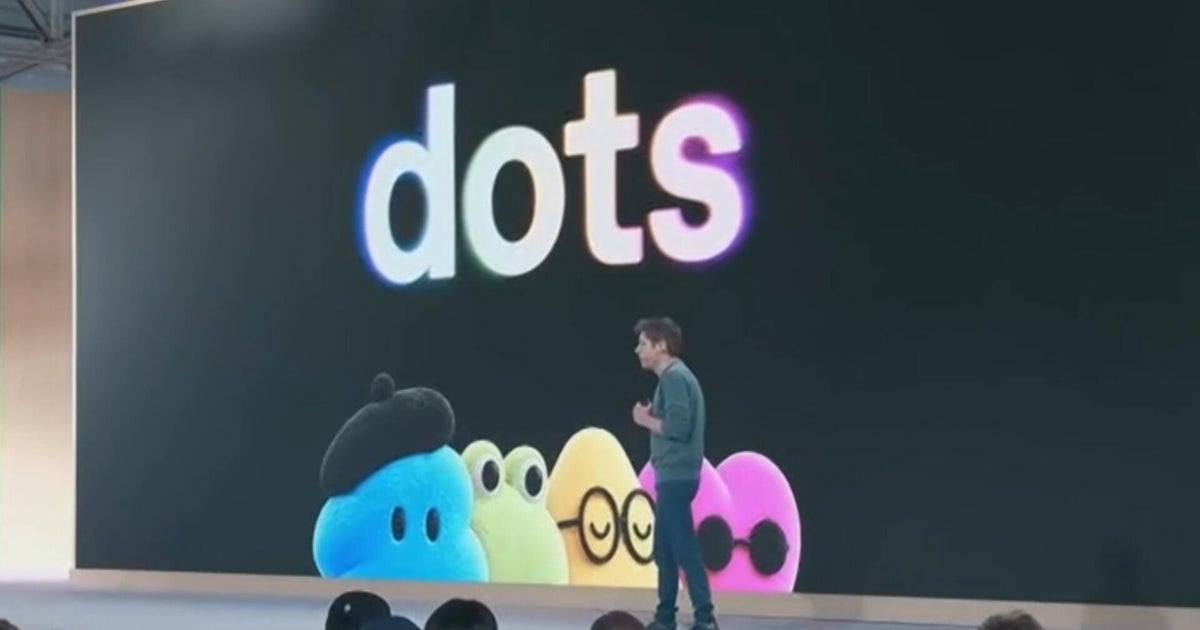
OpenAI unveils new AI agent called "dots"
Neutral Short video report announcing the new agent.
-
OpenAI announces ‘dots’ agent after scrapping launch of new AI model over safety concerns
Critical Leads with the scrapped model and deceptive behaviour before the launch.
-
OpenAI launches always-on AI agents a day after apologizing for a hack by its bots
Critical Launch shown amid controversy, keynote glitches, protesters and hack apology.
-
OpenAI launches ‘dots,’ personal AI assistant ‘built to handle everything’
Neutral Explains the launch with Trump's voluntary AI accord and hacking scrutiny as context.

-
Mixed Verge column casting Meta's and OpenAI's agents as 'AI Tamagotchis', asking whether dedicated AI devices can succeed.

-
OpenAI’s new agent is a shot at Meta — but can it compete with free?
Critical Verge analysis arguing Dots' paywall hurts it against free Muse, with OpenAI's cost pressures and safety pitch.

-
Dots get up in Muse’s business
Mixed Vergecast blurb calling Dots a business-first 'Muse dressed up in a suit and tie'.

-
OpenAI’s Dot agent is enterprise software that can also order your dinner
Mixed Verge hands-on review: useful for work and website tasks, tripped by security checks, not clearly worth $100 a month.

-
WiredLC · · Opinion
OpenAI Wants Its New Agent to Run Your Life. Mine Said It Loved Me
Mixed Wired first-person test: buggy and awkward but with solid results, likened to early ChatGPT browsing.

-
Can you trust Meta’s Muse or OpenAI’s Dots to run your life?
Neutral Verge Decoder interview asking whether Muse or Dots can be trusted to run people's lives.

-
Scientific AmericanLC · · Opinion
I gave Meta’s Muse and OpenAI’s Dots my passwords for a week
Mixed Scientific American first-person week-long test with researchers cautioning on trust, privacy and manipulation.

-

Centre4 articles
-
OpenAI launches new AI personal assistant
Mixed Headline pairs the assistant launch with the Meta challenge and scrutiny of OpenAI's safety record.
-
OpenAI launches Dots, its bubbly agentic avatar
Mixed Explains Dots while noting overlap with Codex and the cartoonish branding.
-
OpenAI Unveils Always-On AI Agent 'Dots'
Neutral Summarises the Dots announcement alongside GPT-6.1 Astra news.
-
AI agents are offering to run your life. Should you let them?
Mixed WSJ consumer guide (via Hindustan Times) on data and instruction risks of letting agents run errands.
Right3 articles
-
IJRRC ·
OpenAI launches always-on Dots agents to rival Meta's Muse
Neutral Compact rundown of features, safeguards and exclusions, with the 53-user image incident mentioned.
-
OpenAI takes on Meta with dots agent in autonomous AI push
Mixed Enterprise-competition story with safety concerns and IPO context.
-
The Straits TimesRC · · via AFP
ChatGPT maker wants to be the app store for AI as safety concerns grow
Mixed AFP piece framing ChatGPT as an 'app store for AI' as safety concerns grow.
- 29 Sep 17:00 First The VergeLC OpenAI DevDay 2026: The biggest news and announcements
- 29 Sep 18:15 +1h 15m WiredLC OpenAI’s Dots Are Always-On AI Agents—and Its Answer to Meta’s Muse
- 29 Sep 18:15 +1h 15m The VergeLC OpenAI launches Dots, its Muse competitor
- 29 Sep 18:15 +1h 15m Financial TimesN OpenAI launches new AI personal assistant
- 29 Sep 18:15 +1h 16m IJRRC OpenAI launches always-on Dots agents to rival Meta's Muse
- 29 Sep 18:17 +1h 17m TechCrunchN OpenAI launches Dots, its bubbly agentic avatar
- 29 Sep 19:00 +2h SlashdotN OpenAI Unveils Always-On AI Agent 'Dots'
- 29 Sep 19:10 +2h 10m CBS NewsLC Sam Altman unveils "dots," OpenAI's new AI personal agent
- 29 Sep 22:06 +5h 6m CBS NewsLC OpenAI unveils new AI agent called "dots"
- 29 Sep 22:25 +5h 26m The GuardianLC OpenAI announces ‘dots’ agent after scrapping launch of new AI model over safety concerns
- 30 Sep 00:03 +7h 3m NBC NewsLC OpenAI launches always-on AI agents a day after apologizing for a hack by its bots
- 30 Sep 01:40 +8h 40m The Straits TimesRC OpenAI takes on Meta with dots agent in autonomous AI push
- 30 Sep 04:50 +11h 50m The Straits TimesRC ChatGPT maker wants to be the app store for AI as safety concerns grow via AFP
- 30 Sep 07:29 +14h 30m Al JazeeraLC OpenAI launches ‘dots,’ personal AI assistant ‘built to handle everything’
- 30 Sep 19:07 +26h 8m The VergeLC The AI Tamagotchis are coming
- 1 Oct 15:36 +46h 37m The VergeLC OpenAI’s new agent is a shot at Meta — but can it compete with free?
- 2 Oct 16:47 +71h 47m The VergeLC Dots get up in Muse’s business
- 2 Oct 19:00 +74h The VergeLC OpenAI’s Dot agent is enterprise software that can also order your dinner
- 4 Oct 11:38 +114h 38m Hindustan TimesN AI agents are offering to run your life. Should you let them?
- 7 Oct 12:00 +187h WiredLC OpenAI Wants Its New Agent to Run Your Life. Mine Said It Loved Me Opinion
- 8 Oct 15:00 +214h The VergeLC Can you trust Meta’s Muse or OpenAI’s Dots to run your life?
- 9 Oct 13:00 +236h Scientific AmericanLC I gave Meta’s Muse and OpenAI’s Dots my passwords for a week Opinion
- 10 Oct 14:00 +261h The VergeLC AI agent makers are promising privacy — will they deliver?
Times are when each article was published, or when we first saw it if the outlet gave no time.
Ask about this story
Loading…