Palestinian Awqaf Ministry reports 26 Israeli incursions into Al-Aqsa in September
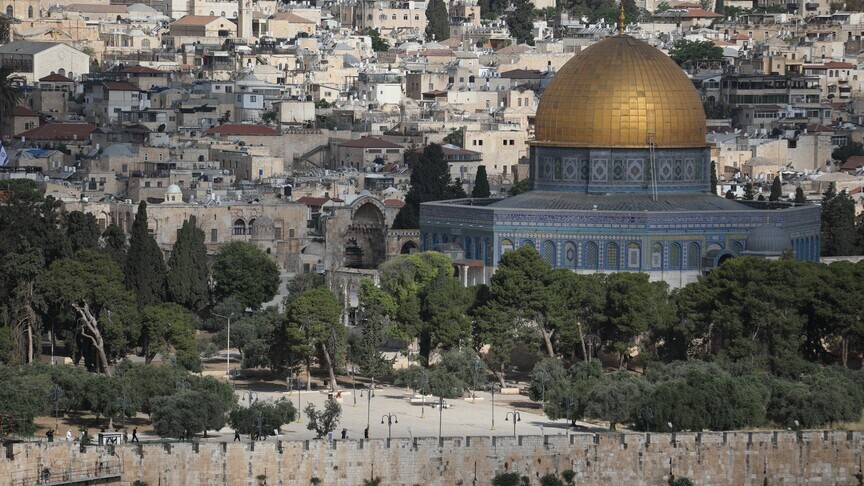
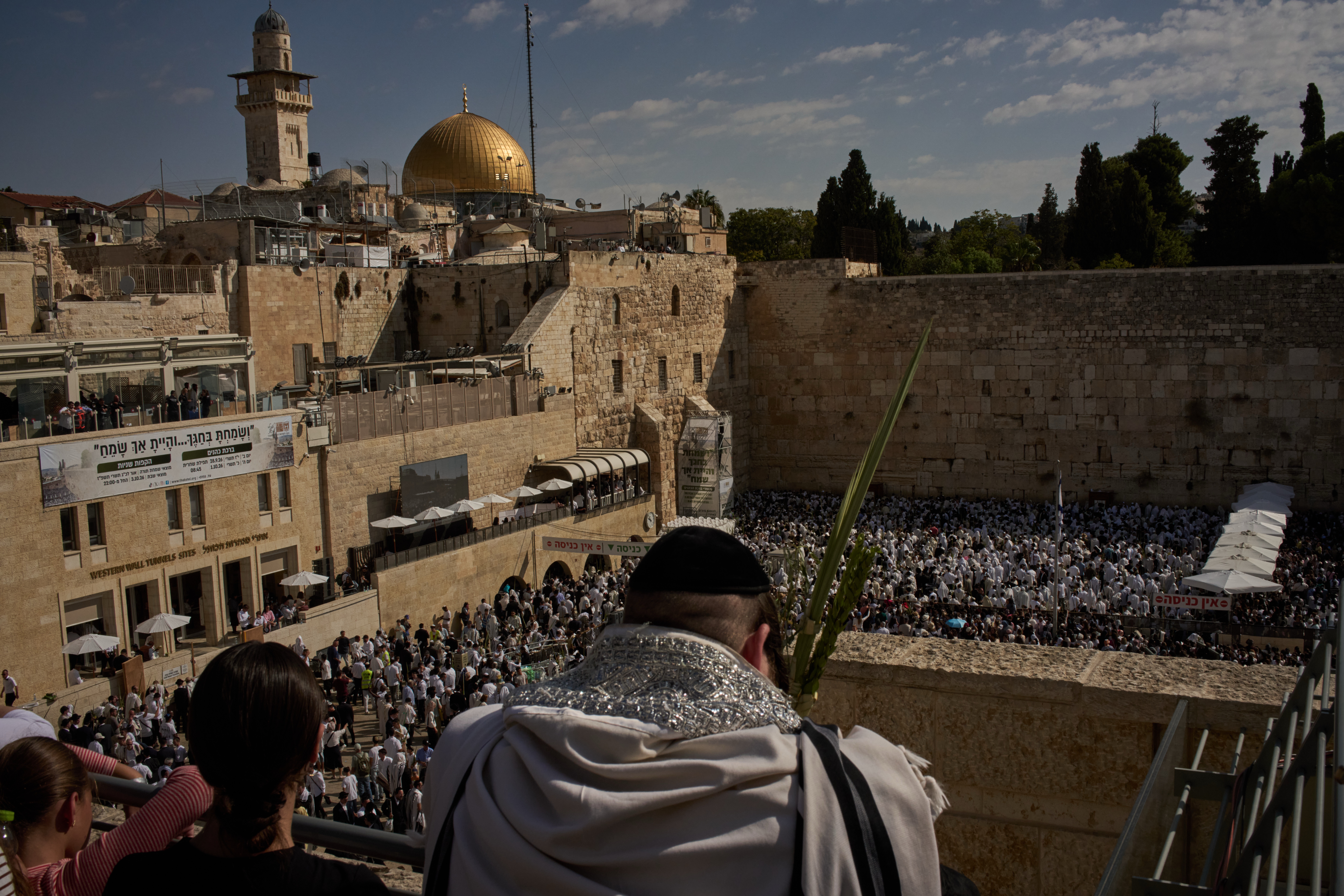
The Palestinian Ministry of Awqaf and Religious Affairs said on 6 October that Israelis entered Al-Aqsa 26 times in September and that the call to prayer was prevented 150 times at Hebron's Ibrahimi Mosque. It also reported attacks on West Bank mosques.
1 / 2
The story, neutrally told
Mixed · 2The Palestinian Ministry of Awqaf and Religious Affairs said on Tuesday 6 October that there were 26 Israeli incursions into Al-Aqsa Mosque in September. Anadolu AgencyN “Israeli occupiers stormed Al-Aqsa Mosque in the occupied West Bank 26 times in September” Read at Anadolu Agency ↗ Arab NewsRC “Israeli forces and settlers carried out 26 incursions into Al-Aqsa Mosque in September” Read at Arab News ↗ Centre · 1At the Ibrahimi Mosque in Hebron, the ministry said Israeli authorities prevented the Muslim call to prayer 150 times in September, and that restrictions on some prayer times had continued for 100 consecutive days. Anadolu AgencyN ““At the Ibrahimi Mosque in Hebron, Israeli authorities prevented the call to prayer 150 times during September,””“restrictions on some prayer times had continued for 100 consecutive days” Read at Anadolu Agency ↗ Mixed · 2It said the mosque was closed completely for six days during Jewish holidays, and that its eastern gate had stayed shut and its windows covered with barriers since the beginning of 2025. Anadolu AgencyN “The mosque was also completely closed for six days under the pretext of Jewish holidays” Read at Anadolu Agency ↗ Arab NewsRC “kept the mosque’s eastern entrance closed and its windows covered with barriers since the beginning of 2025” Read at Arab News ↗
Mixed · 2At Al-Aqsa, the ministry said pressure had intensified, with more Jewish religious rituals and public prayers in the compound and calls from Jewish groups for more visits; Arab News adds that groups were seeking access on Saturdays, which the ministry said was meant to "impose a new reality and cement temporal and spatial division." Anadolu AgencyN “pressure on Al-Aqsa Mosque in occupied East Jerusalem had intensified” Read at Anadolu Agency ↗ Arab NewsRC “calling for access to be expanded to Saturdays”“impose a new reality and cement temporal and spatial division” Read at Arab News ↗ Mixed · 2The ministry also reported attacks on other West Bank mosques: settlers set fire to the Imad al-Din Zengi Mosque in the Nablus area and wrote racist slogans on its walls, and Israeli forces demolished the Al-Duwaysat prayer hall in Al-Jiftlik, Jericho. Anadolu AgencyN “Israeli occupiers set fire to the Imad al-Din Zengi Mosque in Nablus and sprayed racist slogans on its walls.” Read at Anadolu Agency ↗ Arab NewsRC “Israeli authorities also demolished the Al-Du’aisat prayer hall in Al-Jiftlik in the Jericho governorate” Read at Arab News ↗ Right · 1Arab News also reported the ministry's claim that settlers entered the new mosque in Madama and fired tear gas at worshippers, causing cases of suffocation. Arab NewsRC “Settlers also entered the new mosque in Madama and fired tear gas at worshippers, causing cases of suffocation, according to the ministry.” Read at Arab News ↗
Centre · 1Anadolu said the ministry called the incidents a "dangerous escalation" and urged the international community and rights and humanitarian groups to protect the holy sites and their status quo. Anadolu AgencyN “It described the incidents as a “dangerous escalation” and called on the international community and human rights and humanitarian organizations to act” Read at Anadolu Agency ↗ Mixed · 2Under the status quo, Muslims worship at the compound, which is administered by the Jerusalem Islamic Waqf affiliated with Jordan's Ministry of Awqaf, while non-Muslims may visit but not pray. Anadolu AgencyN “Al-Aqsa Mosque is administered by the Jerusalem Islamic Waqf, affiliated with Jordan’s Ministry of Awqaf” Read at Anadolu Agency ↗ Arab NewsRC “non-Muslims may visit during specified hours but are not permitted to pray there” Read at Arab News ↗ Mixed · 2The Ibrahimi Mosque has been divided into Muslim and Jewish areas since 1994, when a Jewish settler killed 29 Palestinian worshippers; Anadolu says 63% went to Jews and 37% to Muslims, and Arab News notes UNESCO listed Hebron's Old City as World Heritage in Danger in 2017. Anadolu AgencyN “allocating 63% to Jews and 37% to Muslims” Read at Anadolu Agency ↗ Arab NewsRC “added to UNESCO’s World Heritage List and its List of World Heritage in Danger in 2017” Read at Arab News ↗
Every sentence links to the reporting it rests on. The pill in front of each says where its sources sit: Left, Centre or Right when one side supplies at least half of them, Mixed when they are evenly split. The number is how many outlets it cites.
Left0 outlets
No left outlet in our sources has covered this story yet.
Centre1 outlet
- Framing
- Anadolu leads with the ministry's figures in its own descriptive language, treating Israeli entries as 'occupiers' storming the site.
- Emphasis
- Mughrabi Gate entries under police protection, the 1994 division of the mosque, Hebron's settler and soldier numbers, the ministry's call for international action.
- Leaves out or plays down
- Does not mention the Madama mosque tear-gas claim or UNESCO status, and gives no Israeli response.
- Charged language
- “Israeli occupiers stormed”“Talmudic rituals”“dangerous escalation”
- For example
-
“Israeli occupiers stormed Al-Aqsa Mosque in the occupied West Bank 26 times in September” — Anadolu Agency
Right1 outlet
- Framing
- Arab News presents the figures as the ministry's claims, via WAFA, and places them in the wider West Bank escalation.
- Emphasis
- Saturday-access demands, the ministry's 'temporal and spatial division' warning, UNESCO concerns, the Madama tear-gas claim.
- Leaves out or plays down
- Omits the ministry's call for international action, the Mughrabi Gate detail and the 63%/37% split; gives no Israeli response.
- Charged language
- “incursions”“impose a new reality and cement temporal and spatial division”
- For example
-
“The ministry said the figures reflected increasing restrictions and religious activity at two of the most sensitive Muslim holy sites” — Arab News
What every side reports
- The Palestinian Awqaf Ministry reported 26 incursions into Al-Aqsa in September.
- The call to prayer was prevented 150 times at the Ibrahimi Mosque in September.
- The Ibrahimi Mosque was closed for six days during Jewish holidays.
- The Imad al-Din Zengi Mosque was set on fire and the Al-Duwaysat prayer hall demolished.
Where accounts differ
-
Who carried out the Al-Aqsa entries and how to describe them
- Centre
- Anadolu says 'Israeli occupiers stormed' the mosque and that police protect entries through the Mughrabi Gate.
- Right
- Arab News says 'Israeli forces and settlers carried out 26 incursions', attributing figures to the ministry via WAFA.
Palestinian Ministry of Awqaf and Religious Affairs organisation
Presents the month's events as a 'dangerous escalation' against Islamic holy sites, warns of an attempt to divide Al-Aqsa in time and space, and asks the international community to protect them.
“It described the incidents as a “dangerous escalation”” — Anadolu Agency
“impose a new reality and cement temporal and spatial division” — Arab News
Left0 articles
No coverage yet.
Centre1 article
-
Israeli occupiers stormed Jerusalem’s Al-Aqsa Mosque 26 times in September: Awqaf Ministry
Critical Reports the ministry's figures in its own voice, using 'occupiers' and adding historical context critical of Israeli policy.
Right1 article
-
Neutral Attributes figures to the ministry and WAFA, adds wider West Bank and UNESCO context.
- 6 Oct 10:20 First Anadolu AgencyN Israeli occupiers stormed Jerusalem’s Al-Aqsa Mosque 26 times in September: Awqaf Ministry
- 6 Oct 22:02 +11h 41m Arab NewsRC Israel carried out 26 Al-Aqsa incursions, banned 150 calls to prayer at Ibrahimi Mosque in September: ministry
Times are when each article was published, or when we first saw it if the outlet gave no time.