Parti Québécois wins Quebec election, with Paul St-Pierre Plamondon set to be premier
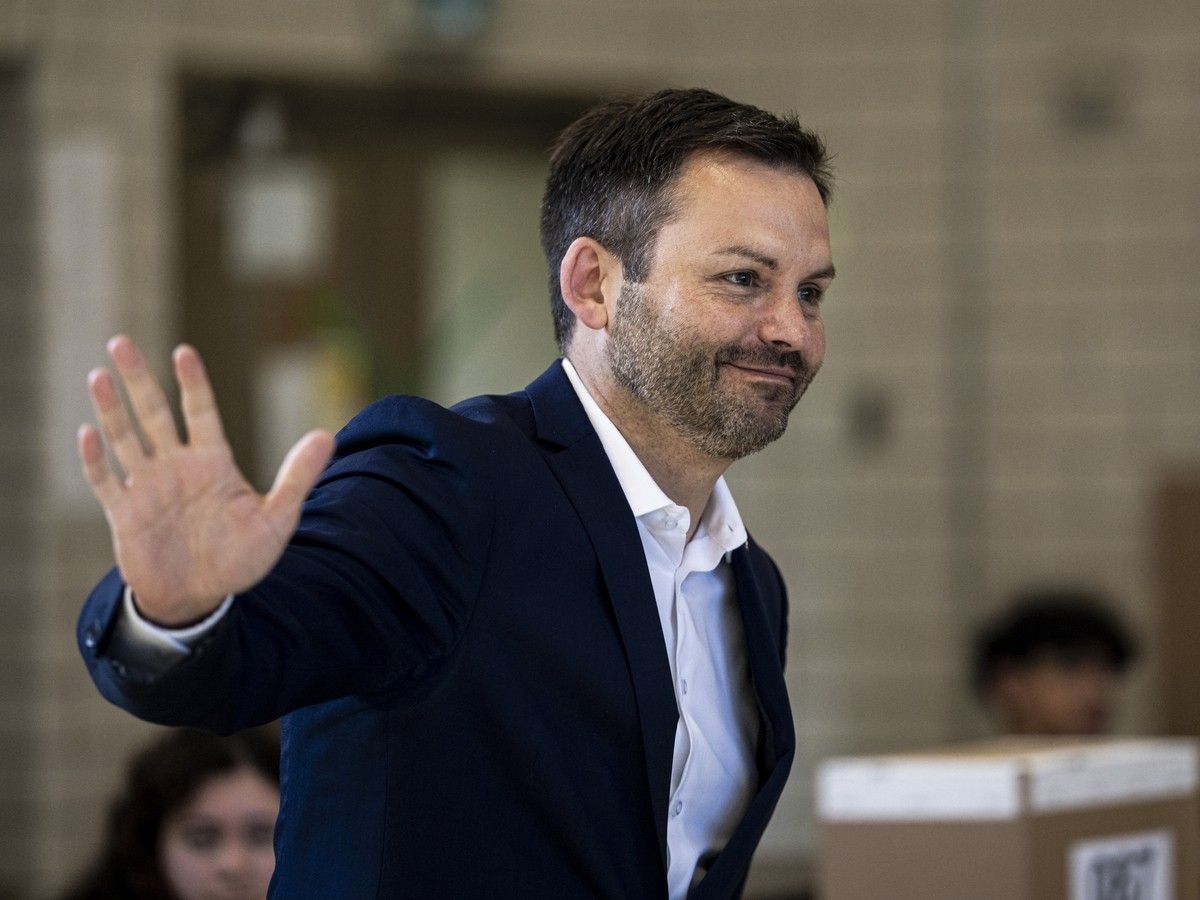
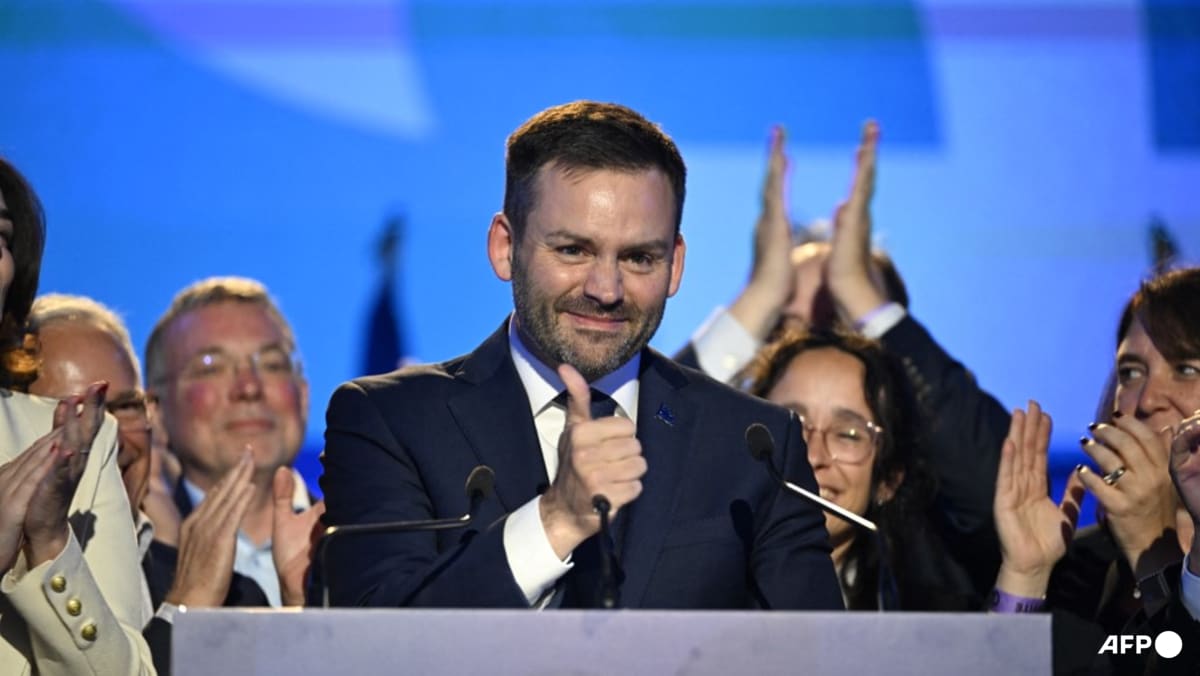
The separatist Parti Québécois won Quebec's 5 October provincial election after being nearly wiped out in 2022. Leader Paul St-Pierre Plamondon is set to become premier, and the party has promised an independence referendum after Donald Trump leaves office.
Updated (version 2). New coverage since the last version from Al Jazeera, CNA, The Hindu.



1 / 5
The story, neutrally told
Mixed · 2The Parti Québécois (PQ) won Quebec's provincial election on Monday 5 October, making leader Paul St-Pierre Plamondon the incoming premier, according to projections by Canadian media. BBC NewsN “Canadian media projects the sovereigntist Parti Québécois (PQ) will secure a minority win in Monday's provincial election in Quebec, making Paul St-Pierre Plamondon the incoming premier.” Read at BBC News ↗ National PostRC “Quebec elected a Parti Québécois government led by leader Paul St-Pierre Plamondon.” Read at National Post ↗ Centre · 3The National Post, writing early on Tuesday, said it was not yet known whether the result was a majority or a minority. The BBC, The Hindu and CNA reported the PQ fell short of a majority, while Al Jazeera said it was not yet clear whether the party had reached the 64 seats needed in the 127-seat National Assembly. BBC NewsN “The Parti Québécois, which secured a minority, has vowed to hold an independence referendum in the years to come.” Read at BBC News ↗ CNAN “But the Parti Quebecois fell short of a majority government in Canada's French-speaking province, offering some solace for the federalist camp.” Read at CNA ↗ Al JazeeraLC “It was not yet clear whether the party had reached the 64 seats needed for a majority in the 127-seat National Assembly.” Read at Al Jazeera ↗ Mixed · 2It is the PQ's first time in power since 2014. The party was nearly wiped off the electoral map in 2022, when it elected only three members of the National Assembly. Its caucus later grew to seven through byelections. BBC NewsN “It marks the first time the PQ has been in power since 2014.” Read at BBC News ↗ National PostRC “having elected only three members of the National Assembly (MNAs) back in 2022. The caucus eventually grew to seven members after the PQ elected four more in byelections.” Read at National Post ↗
Centre · 1Outgoing Premier Christine Fréchette of the Coalition Avenir Québec (CAQ) conceded her own race in Trois-Rivières shortly before 22:00 local time. She said she would work with St-Pierre Plamondon on the transition. The Quebec Liberal Party won the second-most seats, and the Quebec Conservative Party gained seats. BBC NewsN “Fréchette conceded her own re-election race in Trois-Rivières shortly before 22:00 local time. She said in a speech that she would work with St-Pierre Plamondon on the transition.”“The Quebec Liberal Party secured the second-most seats, while the Quebec Conservative Party gained seats.” Read at BBC News ↗ Mixed · 2The PQ has pledged an independence referendum. St-Pierre Plamondon announced on 18 August that it would be held only after US President Donald Trump leaves office in January 2029. The National Post says this was not a new promise, since the PQ already planned a referendum near the end of a first mandate. It says the announcement was meant to blunt attacks that the PQ would destabilise Quebec during the trade war. The BBC says polls indicate only 30% of Quebecers back independence, and that a vote would likely be scheduled for 2029 or 2030. Quebec held earlier referendums in 1980 and 1995. National PostRC “a PQ government would only hold a referendum on the separation of Quebec after U.S. President Donald Trump leaves office in January 2029.”“It wasn’t exactly a new promise, as the PQ was already planning to hold the referendum near the end of a first mandate in government.” Read at National Post ↗ BBC NewsN “Polls indicate only 30% of Quebecers back such a move.” Read at BBC News ↗ Mixed · 2The National Post reports that the PQ had led the polls almost continuously for nearly three years. It says the party's strategists feared a CAQ rise fuelled by the Canada–US trade war, after trade talks collapsed and Trump imposed further tariffs that Canada answered with counter-tariffs. Those strategists said the CAQ gained only modestly. Liberal leader Charles Milliard was hurt by perceived ambiguity on French language and religious signs, and Fréchette struggled to say whether she was a federalist or sovereigntist, settling on "autonomist". La Presse reported that former premier François Legault joked in a private group chat, "I am not Christine Fréchette". The BBC attributes the result partly to public fatigue with the CAQ after eight years in office. National PostRC “St-Pierre Plamondon’s party had been first in the polls, almost without interruption for nearly three years.”“eventually settled on being an “autonomist” vying for more powers for Quebec within Canada.” Read at National Post ↗ BBC NewsN “The success of the Parti Québécois on Monday is in part due to public fatigue with the previous Coalition Avenir Québec government.” Read at BBC News ↗
Left · 2The Hindu reported, citing partial results, that the separatists won only about 30% of the vote and that vote-splitting among the federalist parties tipped the result in the PQ's favour. Al Jazeera quoted McGill University political scientist Daniel Béland as saying the win reflects Quebec's multiparty system rather than a surge in secessionist sentiment. The HinduLC “The partial results indicated that the separatists won only about 30% of the vote, but vote-splitting among the federalist parties tipped the result in the PQ's favour.” Read at The Hindu ↗ Al JazeeraLC “rather than a surge in secessionist sentiment.” Read at Al Jazeera ↗ Mixed · 2CNA reported that the Liberals and Conservatives, the two largest opposition parties, both said they would never back an independence referendum, so a minority PQ government will struggle to advance its separatist agenda. Al Jazeera noted that a minority government needs opposition support to pass major legislation and survive confidence votes. CNAN “The two largest opposition parties after Monday's vote, the Liberals and Conservatives, both declared they would never back a referendum on independence.” Read at CNA ↗ Al JazeeraLC “need support from opposition lawmakers to pass major legislation and survive confidence votes.” Read at Al Jazeera ↗ Right · 1The National Post also reports that PQ officials resented Prime Minister Mark Carney appearing alongside Fréchette at major announcements. PQ communications director Lucas Medernach said, "Mark Carney had chosen his winner", and Carney's team denied this. National PostRC ““Let’s be honest: Mark Carney had chosen his winner,” Medernach said.”“Carney’s team has denied that was the case” Read at National Post ↗
Centre · 1The BBC says the result could test Carney, with likely confrontations over immigration and the monarchy. St-Pierre Plamondon vowed to fight immigration increases mandated by Ottawa. He also pledged to "abolish the monarchy in Quebec" by defunding the lieutenant-governor's office and redirecting the money to social services such as tackling homelessness. The BBC says this is likely to face significant legal challenges, and that St-Pierre Plamondon says he is ready for a legal battle. BBC NewsN “He also pledged to "abolish the monarchy in Quebec" and reroute money spent on its institutions to social services instead.”“His plan to withdraw financial support for the lieutenant-governor's office is likely to face significant legal challenges” Read at BBC News ↗ Centre · 1Carney congratulated St-Pierre Plamondon late on Monday and said he looked forward to working with the party on tariff-hit businesses and workers, jobs, homelessness and housing. The BBC notes that Alberta is due to hold its own separation vote later this month, so Carney may face two unity questions at once. It also says Quebec is among the provinces hardest hit by the new US tariffs, which Oxford Economics projects will cost the province C$2bn. BBC NewsN “Carney congratulated Plamondon on his victory late on Monday and vowed to work together with the party.”“Carney may find himself managing dual unity crises in different parts of the country”“experts at global forecasting firm Oxford Economics projecting a C$2bn blow for the province.” Read at BBC News ↗ Mixed · 2AFP reporting, carried by CNA and The Hindu, said Carney is popular in Quebec and the result was not seen as a repudiation of his stance towards Trump. It tied the PQ's rise to frustration over affordability and a desire to protect the French language. At the victory party in Montreal, St-Pierre Plamondon, 49, said francophones' struggle "will find meaning when (francophones) obtain their own country", while some voters, such as first-time voter Alexia Gomez, said independence would leave Quebec vulnerable. CNAN “The prime minister is popular in Quebec, and the separatist win was not seen as a repudiation of his stance toward Trump”“That struggle "will find meaning when (francophones) obtain their own country," he said.” Read at CNA ↗ The HinduLC “"If Quebec becomes independent it would make us politically, economically and militarily vulnerable," she said.” Read at The Hindu ↗
Mixed · 2CNA and The Hindu said the monarchy plan appears far more popular than independence: in a 2025 Léger poll, 87% of Quebecers said they felt no attachment to the monarchy and 31% viewed King Charles favourably. St-Pierre Plamondon called the lieutenant governor's office a "masquerade that wastes money". The 1995 referendum was lost by independence supporters, with 50.58% voting to stay in Canada. The HinduLC “In a 2025 Leger poll, 87% of Quebecers said they felt no attachment to the British monarchy, and only 31% expressed a favorable view of King Charles.”“calling it a "masquerade that wastes money."” Read at The Hindu ↗ CNAN “the 1995 result was excruciatingly close, with just 50.58 per cent voting to stay in Canada.” Read at CNA ↗
Every sentence links to the reporting it rests on. The pill in front of each says where its sources sit: Left, Centre or Right when one side supplies at least half of them, Mixed when they are evenly split. The number is how many outlets it cites.
Left2 outlets
- Framing
- Al Jazeera and The Hindu present the win as a new national-unity test for Carney, stressing vote-splitting and multiparty dynamics rather than majority support for independence.
- Emphasis
- Roughly 30% support for independence, vote-splitting among federalists, the Alberta vote, voter reactions and the unpopularity of the monarchy.
- Leaves out or plays down
- Little of the PQ's internal campaign strategy or the CAQ's missteps; Al Jazeera leaves the majority question open.
- Charged language
- “Secessionist party”“Separatists”
- For example
-
“rather than a surge in secessionist sentiment.” — Al Jazeera
“but vote-splitting among the federalist parties tipped the result in the PQ's favour” — The Hindu
Centre2 outlets
- Framing
- The BBC presents the result as a new test for Canadian unity and for Prime Minister Carney, with the referendum pledge and the fight over the monarchy and immigration as the main implications. CNA, running AFP copy, frames it as a test for Carney that gives the federalist camp some solace because the PQ lacks a majority.
- Emphasis
- National unity, the Alberta separation vote, polling showing about 30% support for independence, legal hurdles to the monarchy plan, opposition refusal to back a referendum, and Carney's response.
- Leaves out or plays down
- Little of the PQ's internal campaign strategy.
Right1 outlet
- Framing
- The National Post gives an insider account of how the PQ won, based on PQ candidates and staff, and sets the result against the rest of Canada's reaction.
- Emphasis
- PQ campaign strategy, CAQ missteps, Carney's closeness to Fréchette, and the trade-war dynamics.
- Leaves out or plays down
- It does not discuss the monarchy pledge or the legal and constitutional questions, and it does not say how many seats were won. It leaves the majority-or-minority question open.
- For example
-
“The separatist party, which was nearly wiped off the electoral map four years ago, came roaring back on Monday night” — National Post
What every side reports
- The PQ won the 5 October Quebec election and Paul St-Pierre Plamondon is to become premier.
- The PQ's referendum on independence is to come only after Donald Trump leaves office.
- Outgoing CAQ Premier Christine Fréchette led the CAQ into the election after eight years of CAQ government.
- The Canada–US trade war and new US tariffs formed the backdrop to the campaign.
Where accounts differ
-
Whether the PQ's win is a majority or minority
- Centre
- The BBC says the PQ secured a minority.
- Right
- The National Post says it was not yet known whether the government would be a majority or a minority.
-
Whether Carney favoured the CAQ
- Centre
- The BBC reports Carney congratulating the PQ and pledging to work together.
- Right
- The National Post quotes a PQ official saying Carney had "chosen his winner", and says Carney's team denied this.
-
The Parti Québécois fell short of a majority and will lead a minority government.
Supported- Supports 3
- The Hindu, BBC News, CNA
- Reports 1
- Al Jazeera
-
Only about 30% of Quebecers support independence.
Supported- Supports 3
- Al Jazeera, The Hindu, CNA
-
The PQ promises an independence referendum, to be held only after Trump leaves office in January 2029.
Reported- Reports 3
- Al Jazeera, The Hindu, CNA
Parti Québécois party
The PQ, per its staff in the National Post, says it won by neutralising the trade-war argument against a referendum, offering an authentic leader and presenting the CAQ as the same old party. Its leader pledges a referendum after Trump leaves office.
““We took away their strongest argument,”” — National Post
“It was the same old CAQ” — National Post
Quebec place
Quebec voted for change after eight years of CAQ government. The BBC says the province is among the hardest hit by US tariffs and has held independence referendums before, in 1980 and 1995.
“The majority French-speaking province has held other votes on this, in 1980 and 1995.” — BBC News
Left2 articles
-
Secessionist party wins Quebec election in Canada
Neutral Short report on the PQ win as a unity test for Carney, with an expert saying it reflects multiparty vote-splitting.
-
Separatists win Quebec election in test for Canada PM
Neutral AFP-based report stressing vote-splitting, the 30% independence figure and the popularity of anti-monarchy plans.
Centre2 articles
-
Separatist party projected to win Quebec election, adding new test to Canada's unity
Neutral Explains what the PQ win means for Canadian unity, Carney and the monarchy, in measured terms.
-
CNAN ·
Separatists win Quebec election in test for Canada PM
Neutral AFP-based report on the win as a test for Carney, noting the minority limits the PQ's agenda.
Right1 article
-
How the separatist Parti Québécois took back power in Quebec
Mixed Insider analysis of the PQ's comeback, with a wry tone about the rest of Canada's reaction and a close look at the other parties' mistakes.
- 6 Oct 01:45 First National PostRC How the separatist Parti Québécois took back power in Quebec
- 6 Oct 03:37 +1h 52m BBC NewsN Separatist party projected to win Quebec election, adding new test to Canada's unity
- 6 Oct 04:11 +2h 26m Al JazeeraLC Secessionist party wins Quebec election in Canada
- 6 Oct 04:33 +2h 48m The HinduLC Separatists win Quebec election in test for Canada PM
- 6 Oct 05:23 +3h 38m CNAN Separatists win Quebec election in test for Canada PM
Times are when each article was published, or when we first saw it if the outlet gave no time.