Pentagon weighs adding up to 50 autonomous drone boats on Rio Grande and Gulf of Mexico
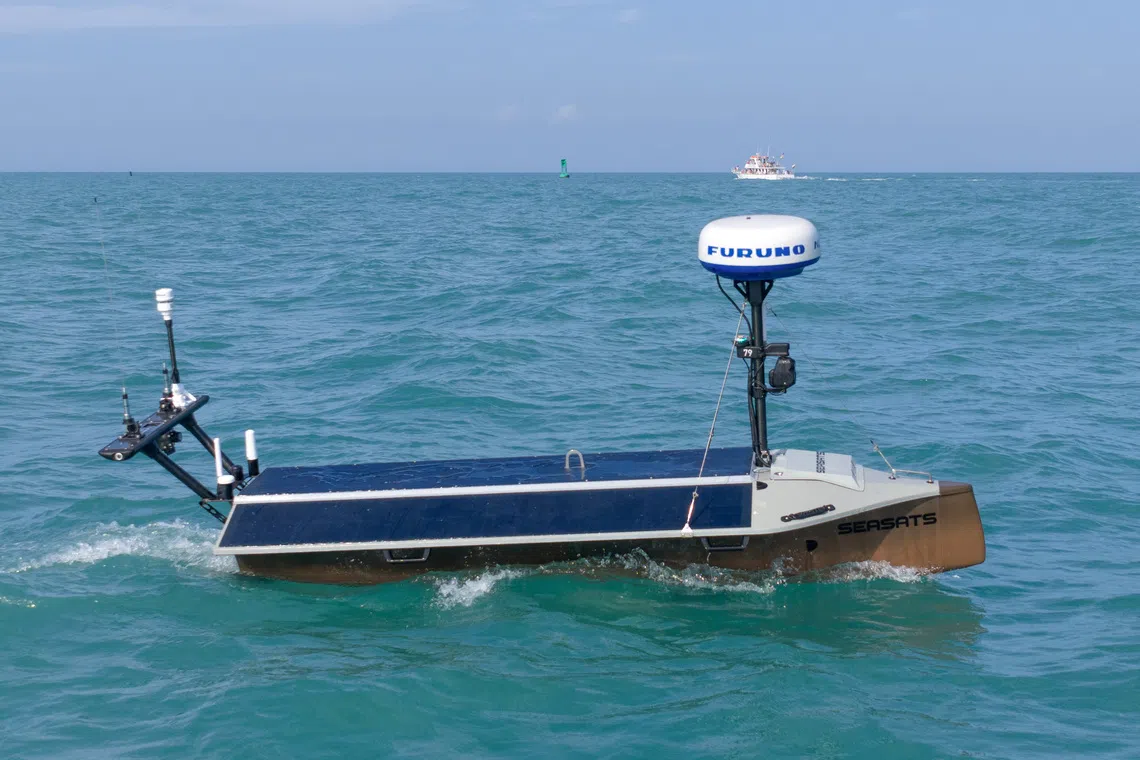
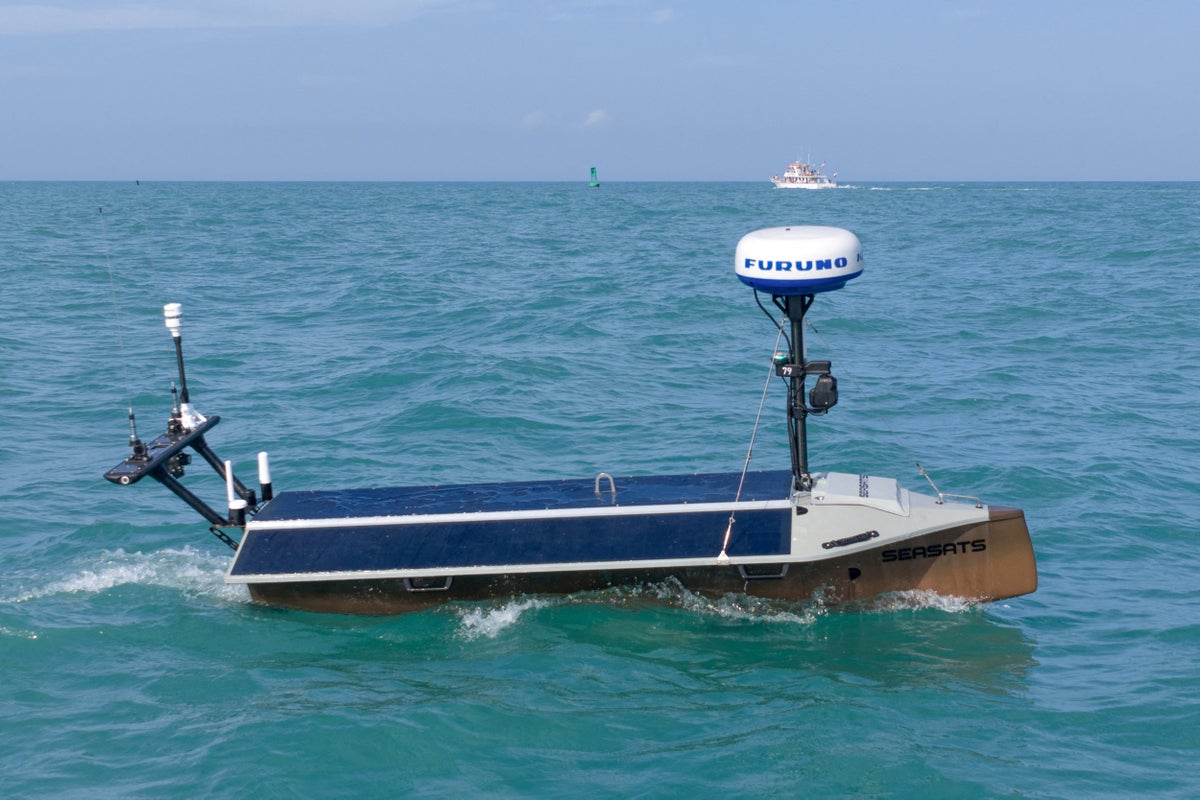
The Pentagon may expand its use of canoe-sized autonomous surveillance boats built by Seasats after a pilot programme begun in January, a US official said. Defence officials want to grow the fleet from 10 vessels by as many as 50.
1 / 2
The story, neutrally told
MixedThe Pentagon may expand its use of autonomous surveillance boats on the Rio Grande and in the Gulf of Mexico, a US official said, after a pilot programme that began in January helped detect and deter illegal border crossings and narcotics trafficking. The Straits TimesRC “The Pentagon may expand its use of autonomous surveillance boats on the Rio Grande and in the Gulf of Mexico” Read at The Straits Times ↗ The IndependentLC “the Pentagon is considering expanding its deployment of autonomous, canoe-sized surveillance craft along the Rio Grande and across the Gulf of Mexico, a US official confirmed” Read at The Independent ↗ MixedThe unmanned surface vessels are built by San Diego startup Seasats and patrol the river for long periods without crews; Saronic, Saildrone and Splash make similar marine drones. The Straits TimesRC “Aside from Seasats, companies named Saronic, Saildrone and Splash provide similar marine drones.” Read at The Straits Times ↗ The IndependentLC “Alongside Seasats, other private firms including Saronic, Saildrone, and Splash manufacture comparable maritime drones.” Read at The Independent ↗ MixedDefence officials want to increase the fleet from its current test group of 10 vessels by as many as 50, to relieve strain on Coast Guard cutters and crewed aircraft patrolling the border with Mexico under President Donald Trump's immigration crackdown. The Straits TimesRC “increase the robotic fleet from its current test group of 10 vessels by as many as 50” Read at The Straits Times ↗ The IndependentLC “scale up the robotic fleet from its current test group of 10 craft to as many as 50” Read at The Independent ↗
MixedSeasats' Lightfish is 11 feet long, weighs 340 pounds, costs roughly $240,000, can be launched from a boat ramp or a pickup truck, and can operate for months in rough seas; it is solar-powered. The Straits TimesRC “Seasats' 11-foot, 340-pound Lightfish is a low-profile autonomous vessel that costs roughly $240,000” Read at The Straits Times ↗ The IndependentLC “Powered by solar panels, the boats are currently being evaluated” Read at The Independent ↗ MixedElectro-optical, infrared and sonar sensors feed real-time tracking data into military software networks, including Palantir's Maven Smart System and Anduril's Fortress platform, alerting Customs and Border Protection and Coast Guard units. The Straits TimesRC “feed real-time tracking data directly into military software networks” Read at The Straits Times ↗ The IndependentLC “alerting US Customs and Border Protection and Coast Guard personnel” Read at The Independent ↗ MixedThe Pentagon said that in an average month the Lightfish drones assisted in 452 detections, 350 apprehensions and 100 turnbacks, meaning groups that abandon a crossing after realising they have been discovered. The Straits TimesRC “452 detections, 350 apprehensions and 100 turnbacks” Read at The Straits Times ↗ The IndependentLC “452 detections, 350 apprehensions, and 100 turnbacks” Read at The Independent ↗
MixedM. Roosevelt Ditlevson, assistant secretary of defense for Homeland Defense and Americas Security Affairs, called maritime drones "cost-effective solutions to interdict and put people in these areas that narco traffickers are now moving towards" and said he is "agnostic to the vendor". The Straits TimesRC “"We're agnostic to the vendor. We want the best technology," he told Reuters in an interview.” Read at The Straits Times ↗ The IndependentLC “cost-effective solutions to interdict and put people in these areas that narco traffickers are now moving towards” Read at The Independent ↗ MixedDitlevson said that with continued success Lightfish orders could rise by 50 boats and the vessels could operate in the Gulf of Mexico, forming a radar fence between Texas and Key West, but that expansion will come in increments while different technologies are explored. The Straits TimesRC “forming a radar fence between Texas and Key West” Read at The Straits Times ↗ The IndependentLC “expansion will proceed in incremental phases to test various technologies” Read at The Independent ↗ RightSeasats chief executive Mike Flanigan said uncrewed boats give persistent coverage that fuel-heavy planes and ships cannot, staying on station for months though covering less territory quickly. The Straits TimesRC “it can stay there for months at a time, which is the key differentiator for these security and monitoring applications.” Read at The Straits Times ↗
MixedSeasats drew attention in July when Reuters reported a commercial Lightfish in the Philippines' exclusive economic zone got close enough to a Chinese navy guided-missile destroyer to film it; the expanded Gulf use is described as a precursor to tests in the rougher Pacific near San Diego. The Straits TimesRC “The expanded drone use in the Gulf of Mexico is a precursor to testing the vessels in the harsher seas of the Pacific Ocean near San Diego.” Read at The Straits Times ↗ The IndependentLC “navigated sufficiently close to a Chinese People's Liberation Army Navy guided-missile destroyer” Read at The Independent ↗
Every sentence links to the reporting it rests on. The pill in front of each says where its sources sit: Left, Centre or Right when one side supplies at least half of them, Mixed when they are evenly split.
Left1 outlet
- Framing
- The Independent presents the story as a Pentagon expansion plan after a pilot 'success', closely following the Reuters reporting.
- Emphasis
- Pilot success, fleet growth and defence-startup contracts.
- Leaves out or plays down
- No independent critical voices, such as civil liberties or migrant-rights groups, or any cost or oversight questions.
- For example
-
“Pentagon wants to add more canoe-sized drone boats to its robotic fleet after Rio Grande success” — The Independent
Centre0 outlets
No centre outlet in our sources has covered this story yet.
Right1 outlet
- Framing
- The Straits Times carries Reuters copy framed around deterring illegal crossings and narcotics trafficking as part of Trump's crackdown.
- Emphasis
- Deterrence results, cost-effectiveness and the startup angle.
- Leaves out or plays down
- No critical or independent voices, nor any questions on privacy or oversight.
- For example
-
“US looks to expand use of canoe-sized drones to deter migrant crossings” — The Straits Times
What every side reports
- Pilot programme began in January with Seasats Lightfish boats
- Fleet is 10 vessels, with plans for as many as 50 more
- Pentagon figures: 452 detections, 350 apprehensions, 100 turnbacks in an average month
- Expansion would be incremental
US Department of Defense organisation
Presents the pilot as effective and cost-efficient, and says expansion would be incremental and vendor-neutral.
“We're agnostic to the vendor. We want the best technology” — The Straits Times
Seasats organisation
Its chief executive says the boats offer persistent coverage that traditional assets cannot match.
“it can stay there for months at a time” — The Straits Times
Left1 article
-
Pentagon wants to add more canoe-sized drone boats to its robotic fleet after Rio Grande success
Neutral Largely a rewording of the Reuters report, presenting the pilot as a success and the expansion as under consideration.
Centre0 articles
No coverage yet.
Right1 article
-
The Straits TimesRC · · via Reuters
US looks to expand use of canoe-sized drones to deter migrant crossings
Neutral Reuters wire copy, run by the Straits Times, reporting the expansion plan and pilot results with official and company quotes.
- 2 Oct 11:08 First The Straits TimesRC US looks to expand use of canoe-sized drones to deter migrant crossings via Reuters
- 2 Oct 17:12 +6h 4m The IndependentLC Pentagon wants to add more canoe-sized drone boats to its robotic fleet after Rio Grande success
Times are when each article was published, or when we first saw it if the outlet gave no time.