Peta releases footage of infant macaque experiments at University of Washington primate centre
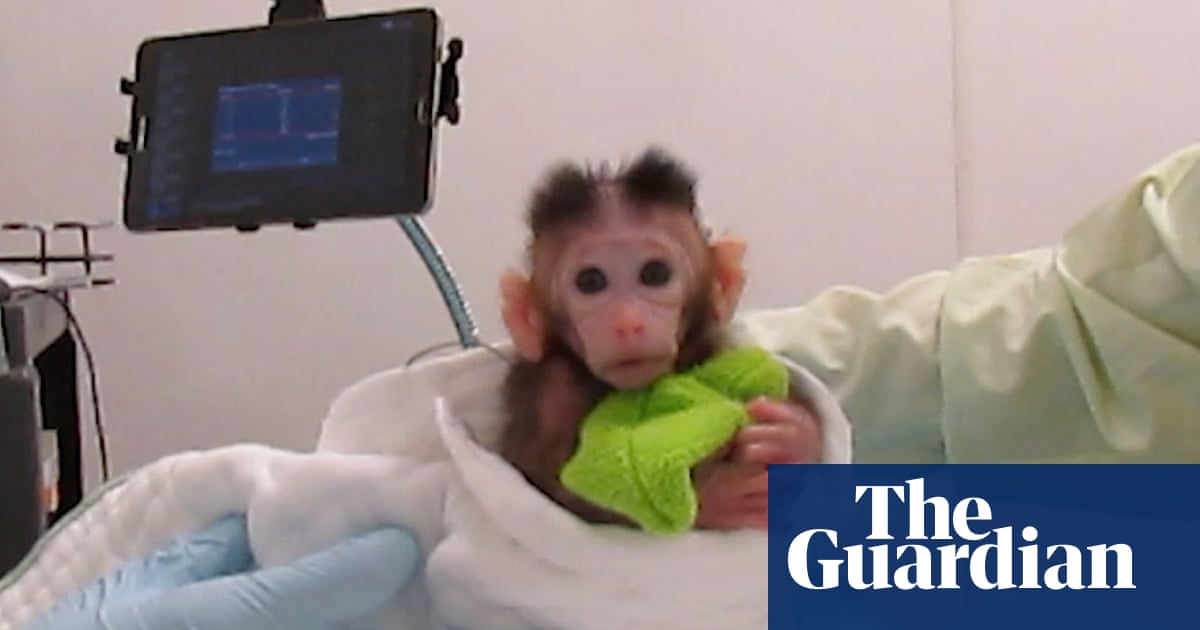
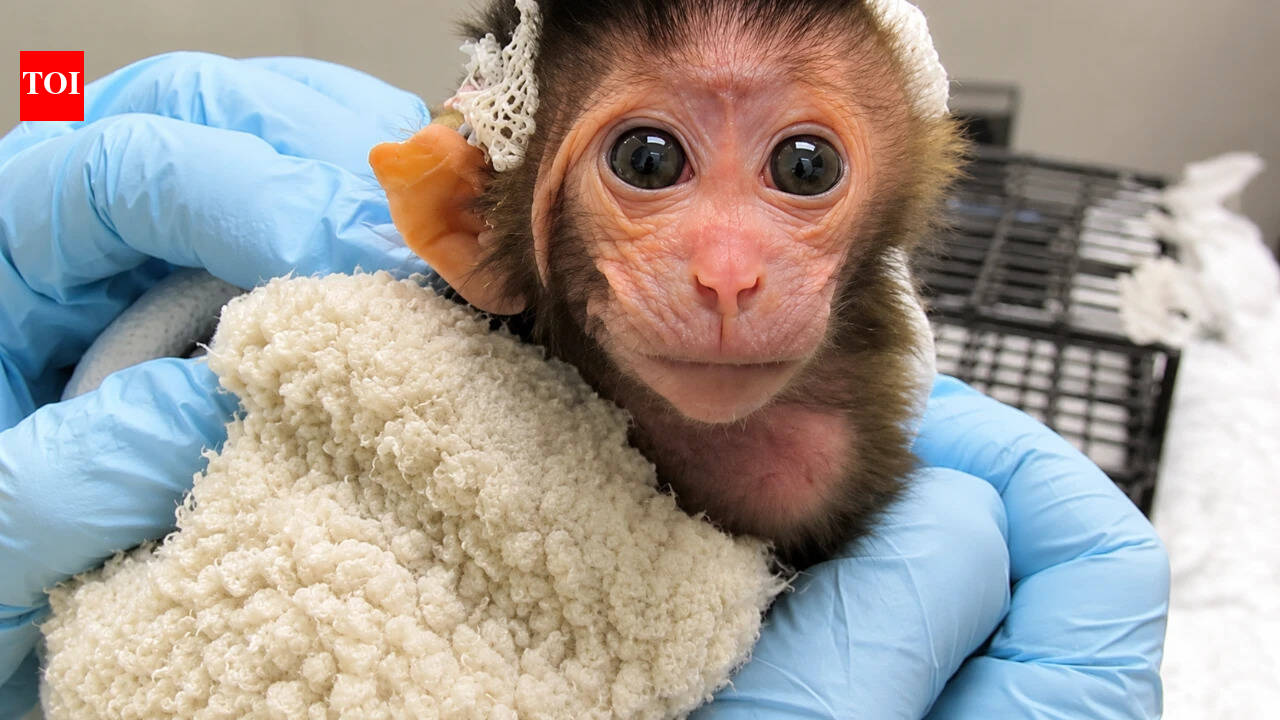
Animal-rights group Peta released video, obtained through a records request, of newborn macaques separated from their mothers for neurotoxin tests at the University of Washington. The centre says infant research raises welfare questions but remains scientifically relevant.
1 / 2
The story, neutrally told
Mixed · 2Peta has released footage it says shows, for the first time on film, experiments on newborn macaques at the University of Washington's National Primate Research Center (WaNPRC), in which infants were separated from their mothers and given neurological tests after prenatal exposure to a neurotoxin. The GuardianLC “in which newborn monkeys were separated from their mothers and subjected to neurological tests after prenatal exposure to a neurotoxin” Read at The Guardian ↗ The Times of IndiaN “The video offers the first filmed look inside these experiments.” Read at The Times of India ↗ Mixed · 2Peta obtained the video through a records request in September 2026; it was filmed between 2017 and 2019. The GuardianLC “The footage was released to Peta in September 2026 in response to a records request. The videos were filmed between 2017 and 2019.” Read at The Guardian ↗ The Times of IndiaN “Peta obtained the video through a records request in September 2026.” Read at The Times of India ↗ Mixed · 2The research studied domoic acid, a toxin produced by marine algae that accumulates in shellfish and can cause illness in humans; some infants were just two days old. The GuardianLC “domoic acid, a toxin produced by marine algae that accumulates in shellfish and can cause illness in humans” Read at The Guardian ↗ The Times of IndiaN “infant macaques, some only two days old” Read at The Times of India ↗
Mixed · 2Researchers dosed 32 pregnant macaques daily; after birth, 28 infants were taken from their mothers, bottle-fed, kept in incubators and housed individually from three weeks old. The GuardianLC “Researchers administered doses of domoic acid daily to 32 pregnant macaques. After birth, 28 infants were removed from their mothers” Read at The Guardian ↗ The Times of IndiaN “later housed alone from the age of three weeks” Read at The Times of India ↗ Left · 1The footage shows monkeys with electrodes on their heads, clutching blankets, sucking their fingers and screeching as experimenters shave their heads and test reflexes and memory. The GuardianLC “The baby monkeys appear distressed as they clutch blankets, suck their fingers, screech, and jerk” Read at The Guardian ↗ Mixed · 2The project ran from 2014 to 2020 and received more than $4.2m in National Institutes of Health (NIH) funding; according to Peta, the monkeys were killed after the experiments ended. The GuardianLC “The project ran from 2014 to 2020 and received more than $4.2m in National Institutes of Health (NIH) funding.” Read at The Guardian ↗ The Times of IndiaN “Peta says the monkeys were killed once the work ended.” Read at The Times of India ↗
Mixed · 2Dr Lisa Jones-Engel, Peta's chief science adviser on primate issues and a former University of Washington primate scientist of 17 years, said the infants grasp blankets on metal tables instead of clinging to their mothers. Dr Malene Hansen, a long-tailed macaque expert, said it is unethical to separate infant macaques from their mothers. The GuardianLC ““It is unethical to conduct research that separates infant macaques from their mothers. Period,” she says.” Read at The Guardian ↗ The Times of IndiaN “Jones-Engel spent 17 years as a primate scientist at the university before becoming one of its most outspoken critics.” Read at The Times of India ↗ Left · 1The WaNPRC told the Guardian that research involving infant animals raises important questions about their wellbeing and that its veterinary staff have specialised expertise in primate care, including nursery rearing. It also said the studies helped understanding of how prenatal domoic acid exposure may affect learning and memory, findings it says remain relevant to public health; the Guardian noted there is no clear evidence the experiments changed public health recommendations. The GuardianLC ““These findings remain relevant to public health.””“However, there is no clear evidence that the experiments led to changes in public health recommendations.” Read at The Guardian ↗ Mixed · 2The centre says it currently has no infant studies, though protocols for such studies are active. The NIH said animals in supported research are protected by laws and policies meant to keep numbers to a minimum and prioritise welfare, and the university said it is committed to replacing, reducing and refining animal experiments while maintaining that animal studies remain necessary for some complex scientific questions. The GuardianLC “there are no current infant studies at its center; however, protocols for such studies are active.” Read at The Guardian ↗ The Times of IndiaN ““animal studies remain necessary for some complex scientific questions”” Read at The Times of India ↗
Left · 1The Guardian reported that the centre has continued to use infant monkeys in other work, including a 2021 study in which 25 infant rhesus macaques were infected with SIV and an Epstein-Barr vaccine study in which 10 infants were separated from their mothers within two days of birth. The GuardianLC “In a 2021 study, 25 infant rhesus macaques were infected with SIV”“10 infant monkeys were separated from their mothers within two days of birth to test an experimental Epstein-Barr vaccine” Read at The Guardian ↗ Left · 1Peta is calling for all seven US National Primate Research Centers to close. The release comes amid a long-running dispute with the university, including a 2020 Peta lawsuit in which a court ruled the university violated public-records laws by failing to search adequately for records. The GuardianLC “Peta is calling for the closure of all seven US National Primate Research Centers.”“The court ruled that the university violated laws by failing to adequately search for records” Read at The Guardian ↗ Mixed · 2Both outlets give context that US federal agencies are moving toward alternatives such as organ-on-a-chip and computer modelling, yet more than 106,000 monkeys were held in US facilities in 2025, up 1.5% on 2024, and more than 32,000 primates were imported from Asia and Africa for laboratory use between 2025 and 2026. The GuardianLC “more than 106,000 monkeys were held in US facilities in 2025, up 1.5% from 2024” Read at The Guardian ↗ The Times of IndiaN “Between 2025 and 2026, more than 32,000 primates were imported from Asia and Africa for laboratory use” Read at The Times of India ↗
Every sentence links to the reporting it rests on. The pill in front of each says where its sources sit: Left, Centre or Right when one side supplies at least half of them, Mixed when they are evenly split. The number is how many outlets it cites.
Left1 outlet
- Framing
- The Guardian presents the footage as a revelation of lab suffering, but adds context on the centre's response, the lack of evidence the work changed public health advice, and later infant studies.
- Emphasis
- Animal-welfare and scientific-value critiques, ongoing infant research, Peta's legal dispute with the university.
- Leaves out or plays down
- Does not mention Peta's separate criticism of researcher Beth Buffalo.
- For example
-
“However, there is no clear evidence that the experiments led to changes in public health recommendations.” — The Guardian
Centre1 outlet
- Framing
- The Times of India rewrites much of the Guardian's reporting with more emotive wording and a headline stressing 'days-old baby monkeys'.
- Emphasis
- The distress of the infants, Peta's call to action and its criticism of researcher Beth Buffalo.
- Leaves out or plays down
- Leaves out the Guardian's details on the 2021 SIV and Epstein-Barr infant studies, the 2020 records lawsuit and the lack of evidence of public health impact.
- Charged language
- “heart-breaking”“Unethical experiments”“exposes”
- For example
-
“In the heart-breaking video, the baby monkeys are seen sucking their fingers, screeching and jerking” — The Times of India
“The animal rights group has urged the public to share its video on social media” — The Times of India
Right0 outlets
No right outlet in our sources has covered this story yet.
What every side reports
- Peta released footage, obtained by records request in September 2026 and filmed 2017–2019, of infant macaques at the University of Washington primate centre.
- The domoic acid project ran 2014–2020 with more than $4.2m of NIH funding, dosing 32 pregnant macaques and separating 28 infants.
- The centre says it has no current infant studies but protocols remain active.
- Peta calls for closing all seven US National Primate Research Centers.
Where accounts differ
-
Value of the research
- Left
- The centre says findings remain relevant to public health; the Guardian notes no clear evidence they changed recommendations, and quotes critics saying monkey studies often fail to yield treatments.
- Centre
- Times of India repeats the centre's defence and critics' claim but does not note the lack of evidence of public health impact.
Peta organisation
Peta says the footage exposes suffering hidden behind the term 'primate research' and calls for closure of all seven US National Primate Research Centers; it urged the public to share the video.
“Peta is calling for the closure of all seven US National Primate Research Centers.” — The Guardian
“The animal rights group has urged the public to share its video on social media” — The Times of India
University of Washington organisation
The university and its primate centre acknowledge welfare questions around infant research but defend the work as relevant to public health and say animal studies remain necessary for some complex questions while it works to replace, reduce and refine them.
““We recognize that research involving infant animals raises important questions about their wellbeing.” — The Guardian
““animal studies remain necessary for some complex scientific questions”” — The Guardian
UK and Ireland1 outlet
The Guardian originates the reporting, quoting Peta's experts and the centre directly.
“The WaNBRC told the Guardian” — The Guardian
The Guardian
South Asia1 outlet
The Times of India relays the Guardian's quotes, attributing them to 'the publication', with added campaign detail.
“the adviser told The Guardian” — The Times of India
The Times of India
Left1 article
-
Peta releases video showing experiments on infant monkeys at University of Washington
Mixed Reports Peta's footage and critics' views while giving the centre, NIH and university responses and noting lack of evidence of public health change.
Centre1 article
-
Peta exposes experiments on 2 days-old baby monkeys
Sympathetic Largely repackages the Guardian's account in emotive language, centring the infants' distress and Peta's campaign.
Right0 articles
No coverage yet.
- 26 Oct 12:00 First The GuardianLC Peta releases video showing experiments on infant monkeys at University of Washington
- 27 Oct 07:57 +19h 57m The Times of IndiaN Peta exposes experiments on 2 days-old baby monkeys
Times are when each article was published, or when we first saw it if the outlet gave no time.
Ask about this story
Loading…