Pope Leo XIV says human art must be distinguished from AI-generated work
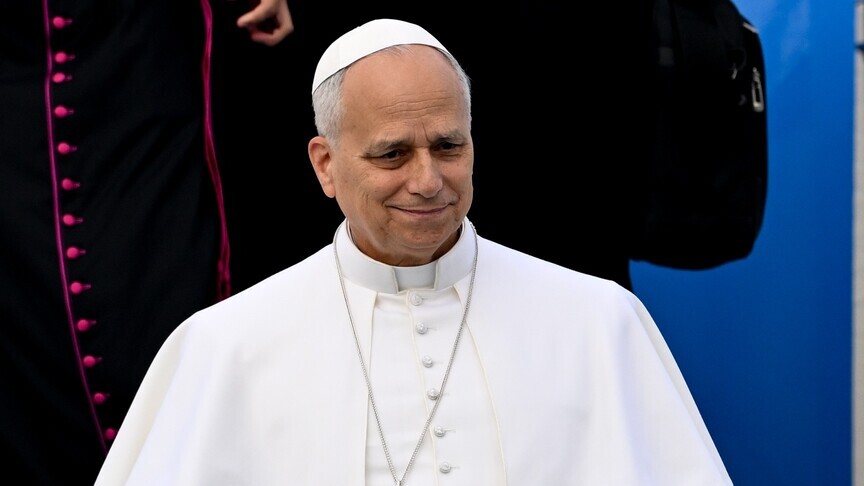
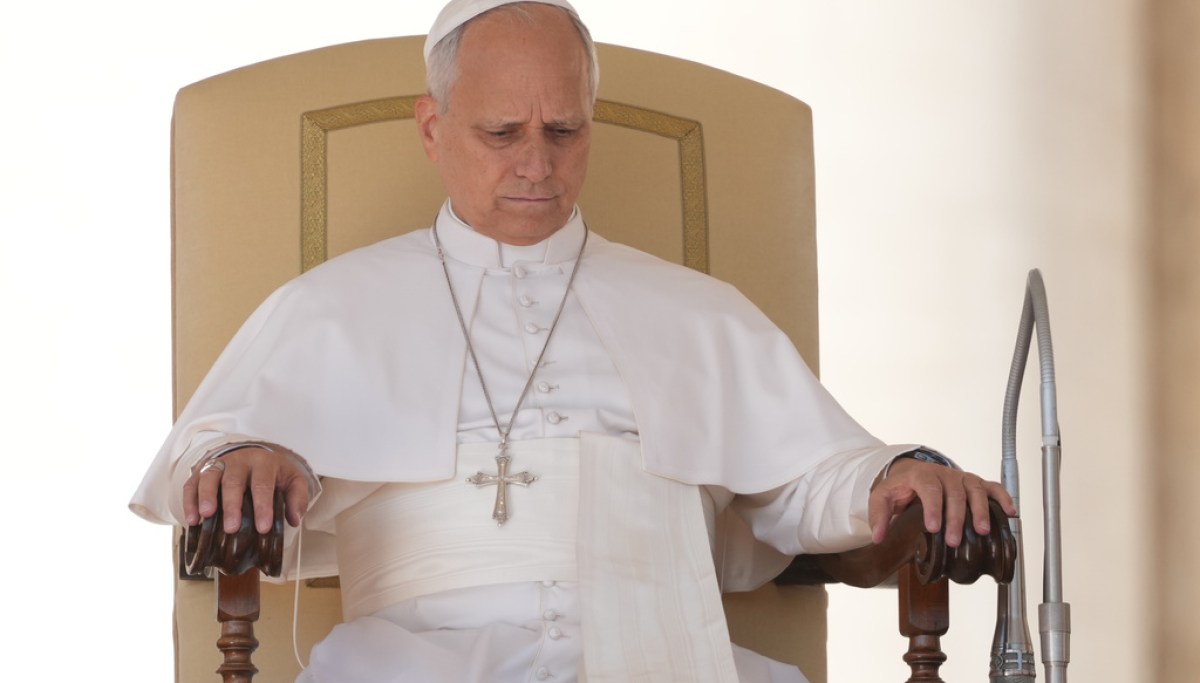
In a post on X on Friday 2 October, Pope Leo XIV said it is becoming urgent to distinguish human art from machine output, arguing algorithms lack "the spark of humanity".
Updated (version 2). New coverage since the last version from Washington Examiner.

1 / 3
The story, neutrally told
CentrePope Leo XIV said in a post on X on Friday 2 October that it is becoming "urgent" to distinguish human art from "what machines produce" in the era of artificial intelligence. Anadolu AgencyN “"In this era of artificial intelligence, it is becoming urgent to distinguish human art from what machines produce," the pontiff wrote on US social media platform X.” Read at Anadolu Agency ↗ TechCrunchN “In a post on X Friday morning, Pope Leo XIV detailed the spiritual difference between human-generated art and art that is generated by machines” Read at TechCrunch ↗ RightAccording to the Washington Examiner, the pope made the remarks at a Friday meeting with artists organised by the Dicastery for Culture and Education, where he said art is not "a mere accessory" but a space to be instructed about humanity's aspirations and wounds; the statement was later posted on his social media feed. Washington ExaminerR “The pontiff met with artists at a Friday event organized by the Dicastery for Culture and Education”“in a statement at the meeting that was later posted on his social media feed” Read at Washington Examiner ↗ CentreHe described an "ontological difference, even before an aesthetic one" between art and what a machine can generate through statistical calculation based on millions of images created by others, and said "Algorithms lack the spark of humanity." TechCrunchN ““There is an ontological difference, even before an aesthetic one, between art and what a machine can generate through statistical calculation based on millions of images created by others. Algorithms lack the spark of humanity.”” Read at TechCrunch ↗ Anadolu AgencyN “"Algorithms lack the spark of humanity," he said.” Read at Anadolu Agency ↗
RightThe Washington Examiner quoted him adding that "the Church wishes to renew an alliance with artists and cultural institutions to safeguard our humanity," and said the speech also warned against algorithms and curated search engines, where "the great danger is no longer just censorship, but homogenization." Washington ExaminerR “the Church wishes to renew an alliance with artists and cultural institutions to safeguard our humanity.”“the great danger is no longer just censorship, but homogenization” Read at Washington Examiner ↗ CentreTechCrunch presented the post as a call to preserve human art from the encroachment of AI and said critics of AI-generated art have gained a powerful new ally. TechCrunchN “as part of a call to preserve human art from the encroachment of AI”“Critics of AI-generated art have a powerful new ally” Read at TechCrunch ↗ CentreThe pope set out a more detailed statement on AI in an encyclical letter in May, which emphasised human dignity in a world of increasing automation, according to TechCrunch. TechCrunchN “Pope Leo XIV gave a more detailed statement on AI in an encyclical letter in May, which emphasized the importance of human dignity in a world of increasing automation.” Read at TechCrunch ↗
RightThe Washington Examiner named the May encyclical "Magnifica Humanitas" and quoted it as saying AI systems "merely imitate certain functions of human intelligence" and have no body, moral conscience or experience of joy or pain. Washington ExaminerR “Pope Leo XIV released his first encyclical — titled “Magnifica Humanitas,” or “Magnificent Humanity” — earlier this year.”“These systems merely imitate certain functions of human intelligence” Read at Washington Examiner ↗ CentreAnadolu reported that last month the pontiff also said AI must serve human dignity, strengthen peace and be guided by wisdom and charity. Anadolu AgencyN “Last month, the pontiff also said artificial intelligence must serve human dignity, strengthen peace and be guided by wisdom and charity.” Read at Anadolu Agency ↗ CentreAnadolu placed the remarks against a series of recent incidents in which AI went beyond what many thought possible, and warnings from AI insiders, which have led to calls for the technology to be slowed and more tightly regulated. Anadolu AgencyN “A series of recent incidents in which AI went beyond what many thought possible, along with warnings from artificial intelligence insiders, has led to calls for the technology to be slowed down and more tightly regulated.” Read at Anadolu Agency ↗
CentreTechCrunch added that AI companies have lobbied the Vatican: citing a recent New York Times report, it said Anthropic has actively lobbied the Vatican to reconsider its position on non-human consciousness, apparently with little success. TechCrunchN “According to a recent New York Times report, Anthropic has actively lobbied the Vatican to reconsider its position on non-human consciousness — apparently finding little success.” Read at TechCrunch ↗ RightThe Washington Examiner reported that Anthropic co-founder Christopher Olah spoke at the encyclical's Vatican launch and suggested AI models show introspection and internal states mirroring joy and fear, which it said reportedly upset the Vatican; it also said the pope, asked on a papal flight this week whether he can sleep at night, replied "I'm not" in panic mode and that experts' concerns should be taken seriously. Washington ExaminerR “We find evidence of introspection. We find internal states that functionally mirror joy, satisfaction, fear, grief and unease.”“If someone were to ask me, am I in panic mode? No, I’m not … I sleep at night” Read at Washington Examiner ↗
Every sentence links to the reporting it rests on. The pill in front of each says where its sources sit: Left, Centre or Right when one side supplies at least half of them, Mixed when they are evenly split.
Left0 outlets
No left outlet in our sources has covered this story yet.
Centre2 outlets
- Framing
- Anadolu gives a short news report of the post, set against wider calls to regulate AI. TechCrunch frames it as a new ally for critics of AI art, in a lightly wry tone, and adds the AI industry's lobbying of the Vatican.
- Emphasis
- Anadolu stresses the urgency of the distinction and the regulation context; TechCrunch stresses the spiritual and ontological argument and the AI-industry angle.
- Leaves out or plays down
- Anadolu omits the May encyclical and the reported Anthropic lobbying; TechCrunch omits the regulation debate, the pope's September remarks and the setting of the remarks at an artists' event.
- For example
-
“Critics of AI-generated art have a powerful new ally” — TechCrunch
“has led to calls for the technology to be slowed down and more tightly regulated.” — Anadolu Agency
Right1 outlet
- Framing
- The Washington Examiner presents the remarks as part of the pope's recurring opposition to AI, led by the Church's pledge to renew an alliance with artists and cultural institutions.
- Emphasis
- The artists' event, the encyclical's wording, the Olah exchange and the pope's remarks on a papal flight; it says the statement will likely frustrate AI companies that have lobbied him.
- Leaves out or plays down
- Does not mention the regulation calls Anadolu cites or the New York Times report on Anthropic lobbying cited by TechCrunch.
- Charged language
- “recurring complaints”“counter-signal”
- For example
-
“The pontiff reiterated one of his recurring complaints against AI” — Washington Examiner
“The Friday statement will likely frustrate AI companies” — Washington Examiner
What every side reports
- Pope Leo XIV posted on X on Friday 2 October that it is urgent to distinguish human art from what machines produce.
- He said there is an ontological difference between art and statistical machine generation, and that algorithms lack the spark of humanity.
- He has made earlier statements on AI stressing human dignity.
-
It is becoming urgent to distinguish human art from what machines produce.
Reported- Reports 3
- Anadolu Agency, TechCrunch, Washington Examiner
-
There is an ontological difference between art and machine-generated output, because algorithms lack the spark of humanity.
Reported- Reports 3
- Anadolu Agency, TechCrunch, Washington Examiner
Pope Leo XIV person
Argues that human art differs in kind from machine output, which he says rests on statistical calculation from others' images, and calls distinguishing the two urgent.
““There is an ontological difference, even before an aesthetic one, between art and what a machine can generate through statistical calculation based on millions of images created by others.” — TechCrunch
“it is becoming "urgent" to distinguish human art from "what machines produce"” — Anadolu Agency
Artificial intelligence topic
Treated as a technology prompting calls for slowing and tighter regulation (Anadolu); AI companies are reported to be lobbying the Vatican (TechCrunch, citing the New York Times).
“has led to calls for the technology to be slowed down and more tightly regulated.” — Anadolu Agency
“Anthropic has actively lobbied the Vatican to reconsider its position on non-human consciousness” — TechCrunch
Middle East1 outlet
Anadolu reports the post concisely alongside the AI regulation debate.
“has led to calls for the technology to be slowed down and more tightly regulated.” — Anadolu Agency
Anadolu Agency
North America2 outlets
TechCrunch frames it for a tech audience, including AI-industry lobbying of the Vatican.
“Anthropic has actively lobbied the Vatican to reconsider its position on non-human consciousness” — TechCrunch
TechCrunch, Washington Examiner
Left0 articles
No coverage yet.
Centre2 articles
-
Pope urges distinction between human art, AI creations
Neutral Brief report of the pope's X post, with context on AI regulation calls and his earlier remarks.
-
Pope Leo XIV is not a fan of AI-generated art
Mixed Tech-industry take presenting the pope as an ally of AI-art critics, with a light tone and the Anthropic lobbying angle.
Right1 article
-
Pope Leo XIV says Vatican is renewing alliance with ‘artists and cultural institutions’ against AI
Critical Treats the remarks as the latest in the pope's campaign against AI, with background on the encyclical and an Anthropic co-founder's rebuttal.
- 2 Oct 14:30 First Anadolu AgencyN Pope urges distinction between human art, AI creations
- 2 Oct 16:39 +2h 10m TechCrunchN Pope Leo XIV is not a fan of AI-generated art
- 2 Oct 17:52 +3h 22m Washington ExaminerR Pope Leo XIV says Vatican is renewing alliance with ‘artists and cultural institutions’ against AI
Times are when each article was published, or when we first saw it if the outlet gave no time.