Senate passes Protect College Sports Act 77-22; House timing and court challenges uncertain
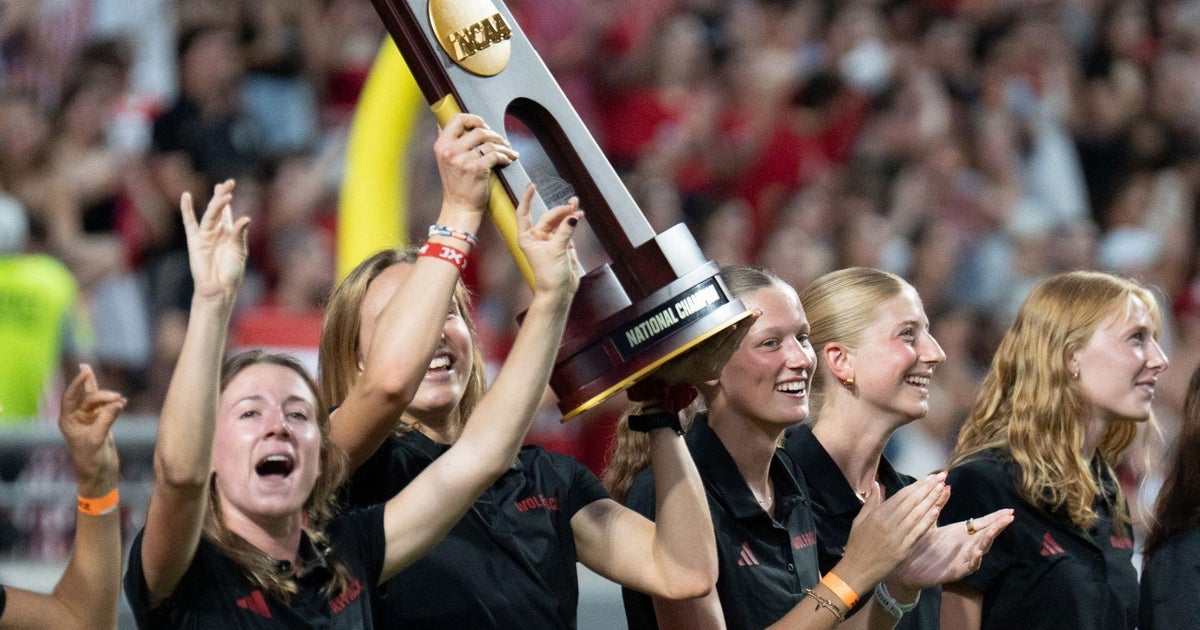
The Senate passed the bipartisan Protect College Sports Act on Monday night, 77-22. It would set national rules for college athletics and give the NCAA a limited antitrust exemption. The House is on midterm recess, and opponents and commentators expect obstacles there and in court.
Updated (version 2). Rewritten with the latest reporting. Previously: “Senate passes Protect College Sports Act 77-22; House timing and legal challenges uncertain”.
1 / 5
The story, neutrally told
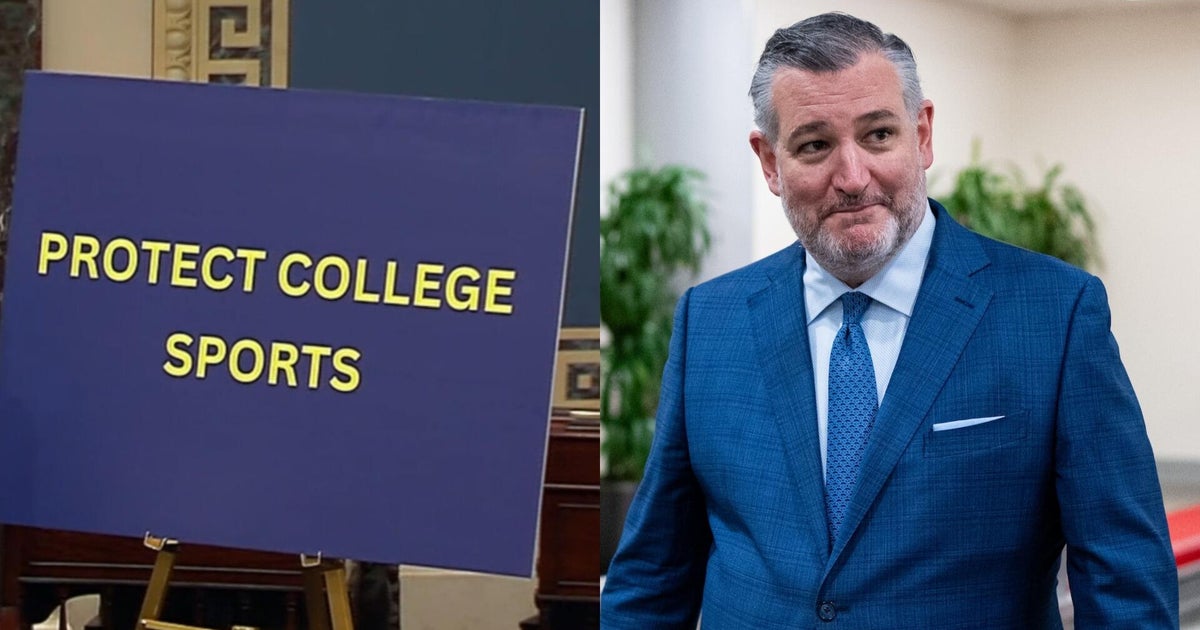
The Senate passed the Protect College Sports Act late Monday night by a vote of 77 to 22. ABC NewsLC “the Senate passed the act with a vote of 77-22.” Read at ABC News ↗ NPRLC “the Senate passed it by a bipartisan vote of 77-22.” Read at NPR ↗ Reason reports that 50 Republicans and 27 Democrats voted in favour, one senator did not vote, and four amendments were added. ReasonRC “50 Republicans voted in favor, plus 27 Democrats.” Read at Reason ↗ The bill, co-authored by Sens. Ted Cruz (R-Texas) and Maria Cantwell (D-Wash.), would grant the NCAA a limited antitrust exemption to enforce uniform rules on eligibility and transfers, and would regulate name, image and likeness (NIL) deals. Los Angeles TimesLC “the NCAA would be granted a limited antitrust exemption” Read at Los Angeles Times ↗ NPRLC “The bill would grant the NCAA a limited antitrust exemption in order to restore its five-year eligibility rule and transfer limits.” Read at NPR ↗
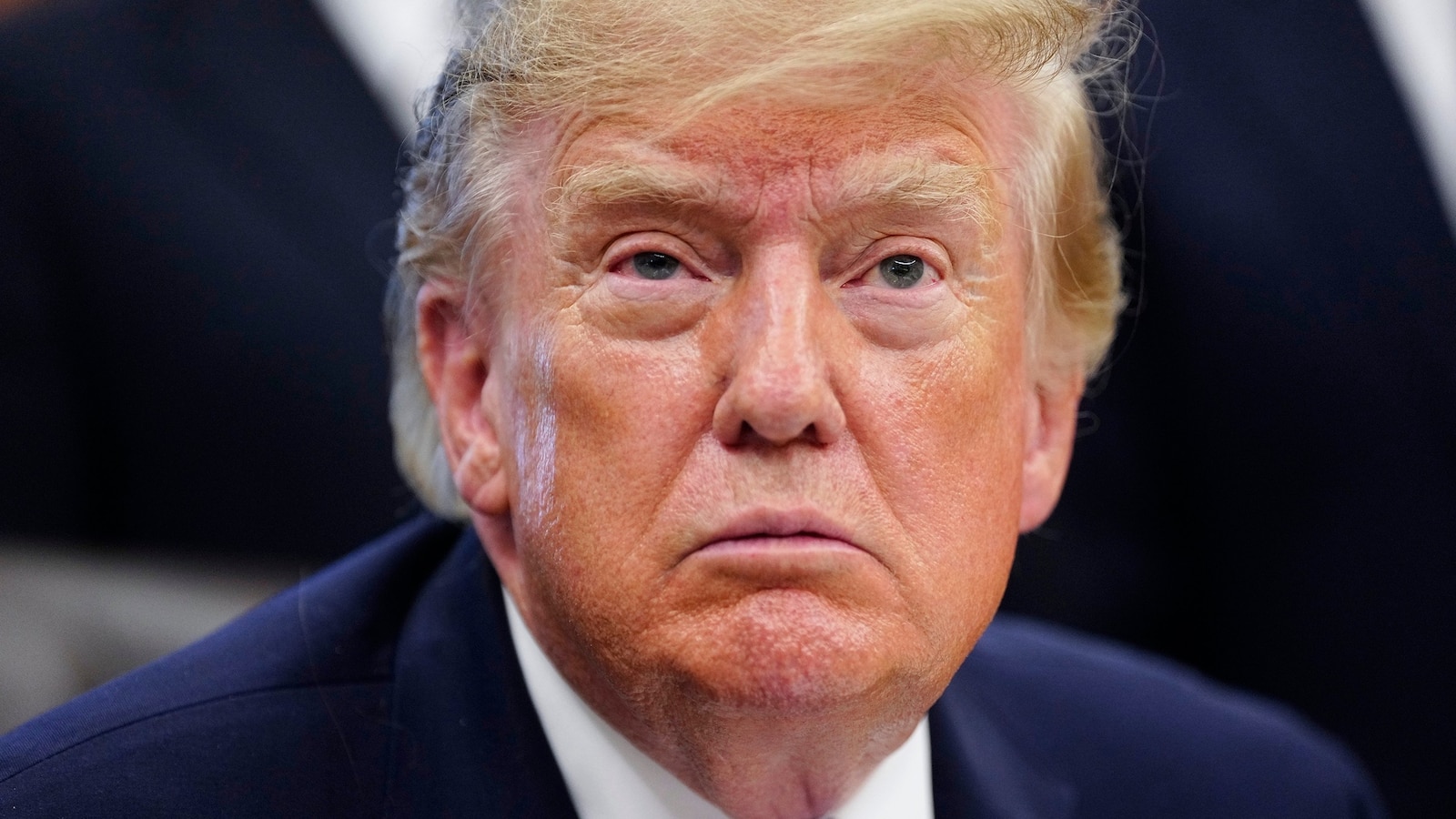
The Los Angeles Times reports it would raise the revenue-sharing cap to about $50 million per school from $21.5 million and send challenges to the rules to federal court. Los Angeles TimesLC “The new bill would increase the revenue sharing cap to around $50 million per school from $21.5 million”“all challenges to these rules would have to be handled in federal court.” Read at Los Angeles Times ↗ Supporters, including Cruz, say national rules would end chaos and uncertainty. President Trump called the bill a "really big deal" that would save college sports, and the NCAA thanked the sponsoring senators. ABC NewsLC “This bill puts an end to the chaos plaguing college athletics.”“This is a really big deal. It will not only save college sports, it will save the colleges themselves,” Read at ABC News ↗ Opponents include Sen. Chris Murphy (D-Conn.), who says the bill protects a system of exploitation. Labor groups, athlete organisations and the NAACP say it limits athletes without giving them an equal seat at the table, and the Congressional Black Caucus objects over protections for Black athletes. Los Angeles TimesLC ““What this bill does, at its core, is protect a system of exploitation,” Sen. Chris Murphy” Read at Los Angeles Times ↗ NPRLC “it unfairly places limits on athletes without allowing them an equal seat at the table alongside powerful institutions.” Read at NPR ↗ ABC NewsLC “The Congressional Black Caucus has come out against the bill” Read at ABC News ↗
The bill now goes to the House, which is on recess until after the November midterms. ABC says it is unlikely to be called back early, while NPR calls the bill's chances of passing unclear. ABC NewsLC “it is unlikely that they will be called back to Washington early to consider the legislation.” Read at ABC News ↗ NPRLC “Its chances of passing are unclear.” Read at NPR ↗ Some House Republicans have expressed hesitance, and NPR notes a rule discouraging conference realignment could draw opposition from some states. If the House changes the bill, it returns to the Senate. Los Angeles TimesLC “If changes are made in the House, the bill would be returned to the Senate for another vote.” Read at Los Angeles Times ↗ NPRLC “Similar opposition could materialize in the House, from Florida to the Carolinas to California.” Read at NPR ↗ Reason's opinion column says Cruz expects a House vote before the midterms, calls that wishful thinking, and points to the failure of the similar SCORE Act. It predicts numerous federal lawsuits. ReasonRC “That appears to be some extremely wishful thinking from Cruz”“it's actually going to cause numerous federal lawsuits challenging various parts of the act” Read at Reason ↗
Every sentence links to the reporting it rests on.
Left4 outlets
- Framing
- Straight news explainers on what the bill does, who backs and opposes it, and the hurdles ahead. ABC leads with Trump's reaction.
- Emphasis
- Bill provisions, bipartisan vote, NCAA power and athletes' lack of a seat at the table, House obstacles.
- Leaves out or plays down
- Little on how the bill could produce new litigation; the CBS pieces are short video summaries with little detail.
- Charged language
- “Wild West”“sweeping”
- For example
-
“The bipartisan Protect Student College Sports Act would give the NCAA more power to govern national rules and regulations in college sports.” — Los Angeles Times
“it’s going to take more than a "tush push" to get it into the end zone and onto the president's desk.” — ABC News
“a bill aiming to rein in what its supporters call a "Wild West" era of college athletics” — NPR
Centre0 outlets
No centre outlet in our sources has covered this story yet.
Right1 outlet
- Framing
- An opinion newsletter that is sceptical of the bill, calling it a bad law and predicting House trouble and lawsuits.
- Emphasis
- Litigation risk, House prospects, the failed SCORE Act, and criticism of Cruz's expectations.
- Leaves out or plays down
- Says little about the bill's contents or its opponents' arguments about athletes.
- Charged language
- “bad law”“extremely wishful thinking”“biggest, most invasive sports law in American history”
What every side reports
- The Senate passed the Protect College Sports Act 77-22 on Monday night.
- The bill is bipartisan and co-authored by Cruz and Cantwell.
- The House is on midterm recess and the bill's House prospects are uncertain.
- The NCAA and President Trump support the bill; Murphy, labor groups and the Congressional Black Caucus have objected.
Where accounts differ
-
Whether the bill will bring stability
- Left
- Coverage largely relays supporters' claim that it will bring order and clear rules, alongside critics' concerns about NCAA power.
- Right
- Reason argues it will cause numerous federal lawsuits and that lawyers will be the real winners.
-
House timing
- Left
- LA Times says the House will take it up in November; ABC says an early recall is unlikely.
- Right
- Reason says Cruz expects a vote before the midterms but calls that wishful thinking.
-
The Senate passed the Protect College Sports Act 77-22 on Monday night.
Reported- Reports 5
- ABC News, CBS News, Los Angeles Times, NPR, Reason
-
The House is on recess and is unlikely to take up the bill before the midterms.
Reported- Supports 1
- Reason
- Reports 3
- ABC News, Los Angeles Times, NPR
-
The bill will bring stability rather than end litigation (Reason predicts many federal lawsuits).
Reported- Supports 1
- Reason
- Reports 2
- ABC News, Los Angeles Times
NCAA organisation
Thanked the senators who sponsored and voted for the bill and said much work remains in the House.
“Now the bill moves to the U.S. House of Representatives and there is much work left to do” — ABC News
Donald Trump person
Celebrated passage and said it would save college sports and the colleges.
“This is a really big deal. It will not only save college sports, it will save the colleges themselves,” — ABC News
Protect College Sports Act law
Backers say it will bring national rules; critics say it entrenches NCAA power and invites litigation.
“"The Protect College Sports Act is bipartisan legislation designed to bring order to the chaos,"” — NPR
Left5 articles
-
Senate OKs a sweeping college sports bill. Here's what it would do
Neutral Explainer on provisions, supporters and opponents.
-
NPRLC ·
The Senate passes the Protect College Sports Act, but the bill's future is unclear
Mixed Detailed report weighing supporters' "Wild West" argument against critics' concerns.
-
Republican and Democratic Senators pass bill to overhaul college sports industry
Neutral Brief video report on bipartisan passage.
-
Senate approves sweeping college sports bill
Neutral Brief video summary of Senate approval and the framework's aims.
Show 1 moreShow fewer
-
Trump celebrates Senate passage of legislation to overhaul college sports
Neutral Leads with Trump's celebration, then covers provisions and obstacles, ending with a football metaphor.
Centre0 articles
No coverage yet.
Right1 article
-
ReasonRC · · Opinion
Critical Opinion column predicting House trouble and lawsuits and calling it a bad law.
- 28 Sep 20:37 First Los Angeles TimesLC Senate OKs a sweeping college sports bill. Here's what it would do
- 29 Sep 03:16 +6h 39m NPRLC The Senate passes the Protect College Sports Act, but the bill's future is unclear
- 29 Sep 15:15 +18h 38m CBS NewsLC Republican and Democratic Senators pass bill to overhaul college sports industry
- 29 Sep 16:10 +19h 33m CBS NewsLC Senate approves sweeping college sports bill
- 29 Sep 16:55 +20h 18m ReasonRC The Protect College Sports Act Passed the Senate. It Faces a Tougher Road in the House—and in the Courts. Opinion
- 29 Sep 18:07 +21h 31m ABC NewsLC Trump celebrates Senate passage of legislation to overhaul college sports
Times are when each article was published, or when we first saw it if the outlet gave no time.