Putin at Valdai: expects more conflicts, warns of nuclear risk and AI totalitarianism
Speaking to the Valdai Discussion Club in Moscow on 1 October, Vladimir Putin said international conflicts are very likely to continue, called for UN reform and warned about AI. Coverage of the speech differs in which parts it stresses.
1 / 2
The story, neutrally told
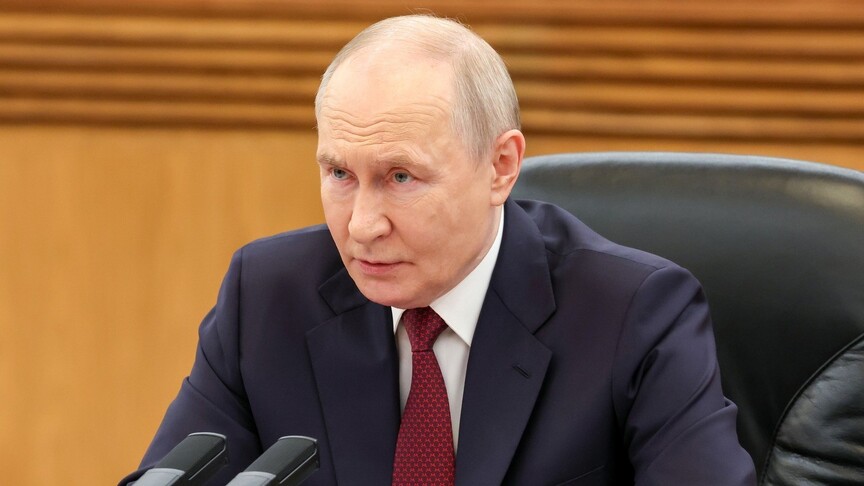
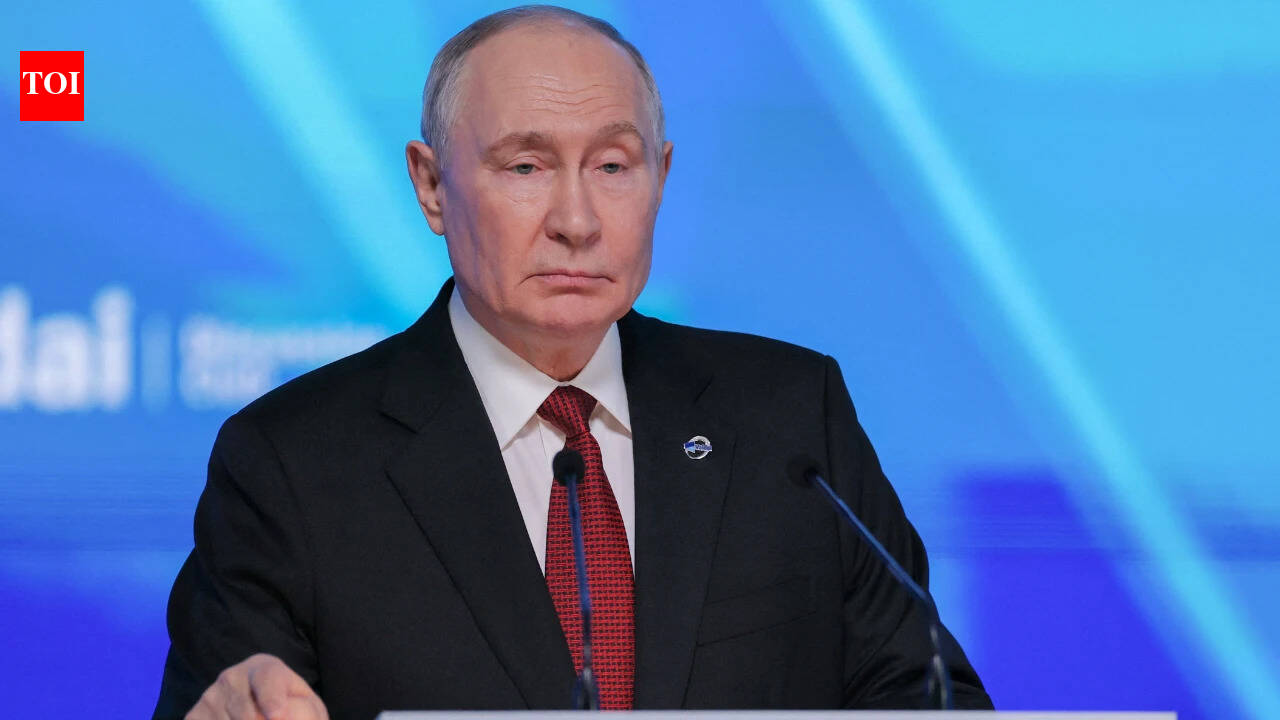
Russian President Vladimir Putin said on Thursday 1 October that continued international conflicts in the coming years are very likely, in a speech to the Valdai Discussion Club in Moscow. Anadolu AgencyN ““The continuation of international conflicts in the coming years is very likely. I would very much like to be mistaken,” he noted.” Read at Anadolu Agency ↗ The Times of IndiaN “the continuation of international conflicts is, unfortunately, highly likely” Read at The Times of India ↗ He tied this to fundamental shifts in the global order, which he said fuel ambitions and a willingness to take risks, though he said the situation would improve as Western hegemony waned. The Times of IndiaN “although he said the situation would improve as what he described as Western hegemony waned” Read at The Times of India ↗ Putin warned that escalating retaliation could reach a "fatal point of no return" and said the arsenals of leading powers hold weapons able to destroy all life or leave the Earth in a catastrophic state, which must be avoided. The Times of IndiaN “The logic of escalating, increasingly harsh retaliatory measures leads to a fatal point of no return” Read at The Times of India ↗
On the UN, he said it works in "a less collegial and democratic manner" than intended; Russia supports fair reform but, he said, this is impossible now without an internal consensus, and Asia, Africa and Latin America should play a bigger role. Anadolu AgencyN “Russia supports the idea of a fair reform of the UN, but it is impossible now without an internal consensus”“Asia, Africa and Latin America should play an increasingly significant role in the UN” Read at Anadolu Agency ↗ On artificial intelligence, he said experts warn its spread could strip people of individuality, and that "digital totalitarianism" would be as dead-end, bleak and anti-human as the totalitarian societies of the past. Anadolu AgencyN “Possible ‘digital totalitarianism' in the development of AI will become just as dead-end, bleak and anti-human as the totalitarian societies of the past” Read at Anadolu Agency ↗ On Ukraine, Putin said Ukraine could not strike deep inside Russia without Western technical support, which he called direct involvement in the conflict, and said using Ukraine as a proxy is a threat to Russia. The Times of IndiaN “Putin said Ukraine would not be able to carry out attacks deep inside Russia without Western technical support” Read at The Times of India ↗
He said Ukrainian strikes on refineries had cost Russia 1% of GDP and that Ukraine had "partially achieved its objectives", and that Ukraine had damaged more than 100 Russian vessels in the Black Sea, with Moscow now responding. The Times of IndiaN “Putin also said Ukrainian strikes on Russian oil refineries had cost Russia 1% of its gross domestic product.” Read at The Times of India ↗ He said Russia would consider using its full range of weapons if Kaliningrad were threatened, that Russia does not plan to attack any European country "not in 2030, not in 2050", and that Russia would not attack arms-producing enterprises in countries supplying Ukraine tomorrow, "but that's a threat". The Times of IndiaN ““We are not going to attack tomorrow enterprises in countries which supply weapons to Ukraine, but that's a threat,” Putin said.”“not in 2030, not in 2050” Read at The Times of India ↗ The same day the Kremlin said Russia's recent letter to Nato on Kaliningrad should not be seen as confrontational; the letter accused the alliance of a "dangerous and reckless course". The Times of IndiaN “the Kremlin said Russia's recent letter to Nato on Kaliningrad should not be viewed as confrontational” Read at The Times of India ↗
Putin also said Russia would back a possible trilateral meeting with Xi Jinping and Donald Trump once an agenda is worked out, hoped the Strait of Hormuz stays open and Iran sanctions are lifted, said Russia's offer to take Iran's enriched uranium stands, and voiced concern over Japan's militarisation while saying Japanese firms may keep operating in Russia. The Times of IndiaN “Putin also said Russia supported a possible trilateral meeting with Chinese President Xi Jinping and US President Donald Trump”“Russia's proposals to deliver enriched uranium from Iran to Russia remained valid” Read at The Times of India ↗
Every sentence links to the reporting it rests on.
Left0 outlets
No left outlet in our sources has covered this story yet.
Centre2 outlets
- Framing
- Both centre outlets relay Putin's statements largely without commentary. Anadolu Agency gives a short report on conflicts, UN reform and AI; The Times of India gives a longer account led by nuclear and escalation warnings, Ukraine, Kaliningrad and other foreign-policy remarks.
- Emphasis
- Anadolu stresses the conflict forecast, UN reform and the AI warning. The Times of India stresses the nuclear 'point of no return' warning, Western involvement in Ukraine and Kaliningrad.
- Leaves out or plays down
- Anadolu leaves out the nuclear, Ukraine, Kaliningrad, Iran, Japan and Xi–Trump remarks. The Times of India omits the UN reform and AI remarks. Neither presents independent rebuttal or outside comment on Putin's claims.
- Charged language
- “digital totalitarianism”“Fatal point of no return”
- For example
-
“He warned that the development of AI could result in "digital totalitarianism."” — Anadolu Agency
“warned that the world was living through a dangerous moment” — The Times of India
Right0 outlets
No right outlet in our sources has covered this story yet.
What every side reports
- Putin spoke at the Valdai forum in Moscow on 1 October.
- He said continued international conflicts in the coming years are very likely.
Vladimir Putin person
Presents Russia as defensive and not aiming to attack anyone, blames Western arrogance and support for Ukraine for escalation, backs UN reform and warns against AI-driven digital totalitarianism.
“We are not going to attack anyone, but will respond if we face aggression” — The Times of India
“He also advocated for reforming the structure so that it reflects the diversity of the world.” — Anadolu Agency
Middle East1 outlet
Anadolu Agency reports a concise account focused on the conflict forecast, UN reform and AI.
“Putin said Thursday that he expects the continuation of conflicts around the world in the near future.” — Anadolu Agency
Anadolu Agency
South Asia1 outlet
The Times of India leads with the nuclear-risk warning and covers Ukraine, Kaliningrad and wider diplomacy.
“stressing that weapons of mass destruction must never be used” — The Times of India
The Times of India
Left0 articles
No coverage yet.
Centre2 articles
-
Putin expects global conflicts to continue in near future
Neutral Brief report quoting Putin on expected conflicts, UN reform and AI risks.
-
‘Fatal point of no return’: Putin warns against use of nukes amid global tensions
Neutral Longer report foregrounding Putin's nuclear escalation warning and security remarks on Ukraine, Kaliningrad and Nato, mostly in direct quotes.
Right0 articles
No coverage yet.
- 1 Oct 16:59 First Anadolu AgencyN Putin expects global conflicts to continue in near future
- 1 Oct 18:22 +1h 23m The Times of IndiaN ‘Fatal point of no return’: Putin warns against use of nukes amid global tensions
Times are when each article was published, or when we first saw it if the outlet gave no time.