Opioid settlement money: questionable local spending found in 2025 national database
A KFF Health News, Johns Hopkins and Shatterproof database of 2025 opioid settlement spending found about $3.7 billion spent or committed. Much of the questionable spending was at county and city level, and housing spending raised questions about links to addiction.

1 / 2
The story, neutrally told
Mixed · 2State and local governments spent about $3.7 billion in opioid settlement funds in 2025, according to a KFF Health News investigation with the Johns Hopkins Bloomberg School of Public Health and Shatterproof, a national addiction nonprofit. CBS NewsLC “State and local governments spent about $3.7 billion in opioid settlement funds last year.” Read at CBS News ↗ KFF Health NewsN “Of the roughly $3.7 billion publicly reported as spent or committed last year” Read at KFF Health News ↗ Mixed · 2The team filed public records requests, searched government websites and built a database of more than 17,500 expenditures, which it calls the most comprehensive national resource of its kind. It sorted them into categories such as treatment or prevention. CBS NewsLC “The result is the most comprehensive national database documenting how opioid settlement money was used (or left unspent) in 2025.” Read at CBS News ↗ KFF Health NewsN “a catalog of more than 17,500 ways settlement cash was used (or left unspent) in 2025” Read at KFF Health News ↗ Mixed · 2The money comes from companies sued for pushing painkillers and fueling the opioid crisis, and is expected to total about $60 billion over nearly two decades. It is split among states, counties, cities and, in some places, special opioid settlement councils. The settlements contain some spending guidelines but also considerable flexibility, limited oversight and gaps in how the public can track the money. CBS NewsLC “It is split among state governments, counties, cities, and specially created opioid settlement councils in some places.” Read at CBS News ↗ KFF Health NewsN “Although there are some spending guidelines, there is a lot of wiggle room, little oversight, and large gaps in the public’s ability to track the money.” Read at KFF Health News ↗
Left · 1Large amounts went to treatment, recovery housing and other initiatives that many researchers and affected families say fit the settlements' purpose. Other expenditures had tenuous ties to addiction, including $150,000 for street lighting in Camden, New Jersey; $130,000 for Flock cameras in Carmel, Indiana; at least $84,000 for city insurance, utilities and vehicle repairs in Mullens, West Virginia; and $36,200 for a pickleball court in Gilmer County, West Virginia. CBS NewsLC “$150,000 for street lighting in Camden, New Jersey.$130,000 for Flock cameras in Carmel, Indiana.”“$36,200 for a pickleball court in Gilmer County, West Virginia.” Read at CBS News ↗ Left · 1Much of the questionable spending happened at the county and city level, where leaders often have no addiction-policy background. Local decision-makers control nearly half the money nationwide, according to OpioidSettlementTracker.com. Supporters of local control say local officials know their communities best. CBS NewsLC “Nationwide, local decision-makers control nearly half the money, according to OpioidSettlementTracker.com”“Proponents of local control say these officials know their communities best and are closest to the problem.” Read at CBS News ↗ Left · 1Elizabeth Burke Beaty, a New Jersey recovery advocate, said the settlement "should be run by the people who've lost everything". Philip Rutherford of the National Council for Mental Wellbeing said no model will work flawlessly, and that local control offers lower administrative costs, faster adaptation and room to test innovations. Annie Qing of the National Association of Counties said officials routinely decide matters outside their expertise and should consult experts. CBS NewsLC “"This whole opioid settlement should be run by the people who've lost everything," she said.”“They spend less on administrative costs, can pivot more quickly as the drug landscape changes, and can test innovations.”“There are a lot of county commissioners that are making decisions on roads that may not be construction experts,” Read at CBS News ↗
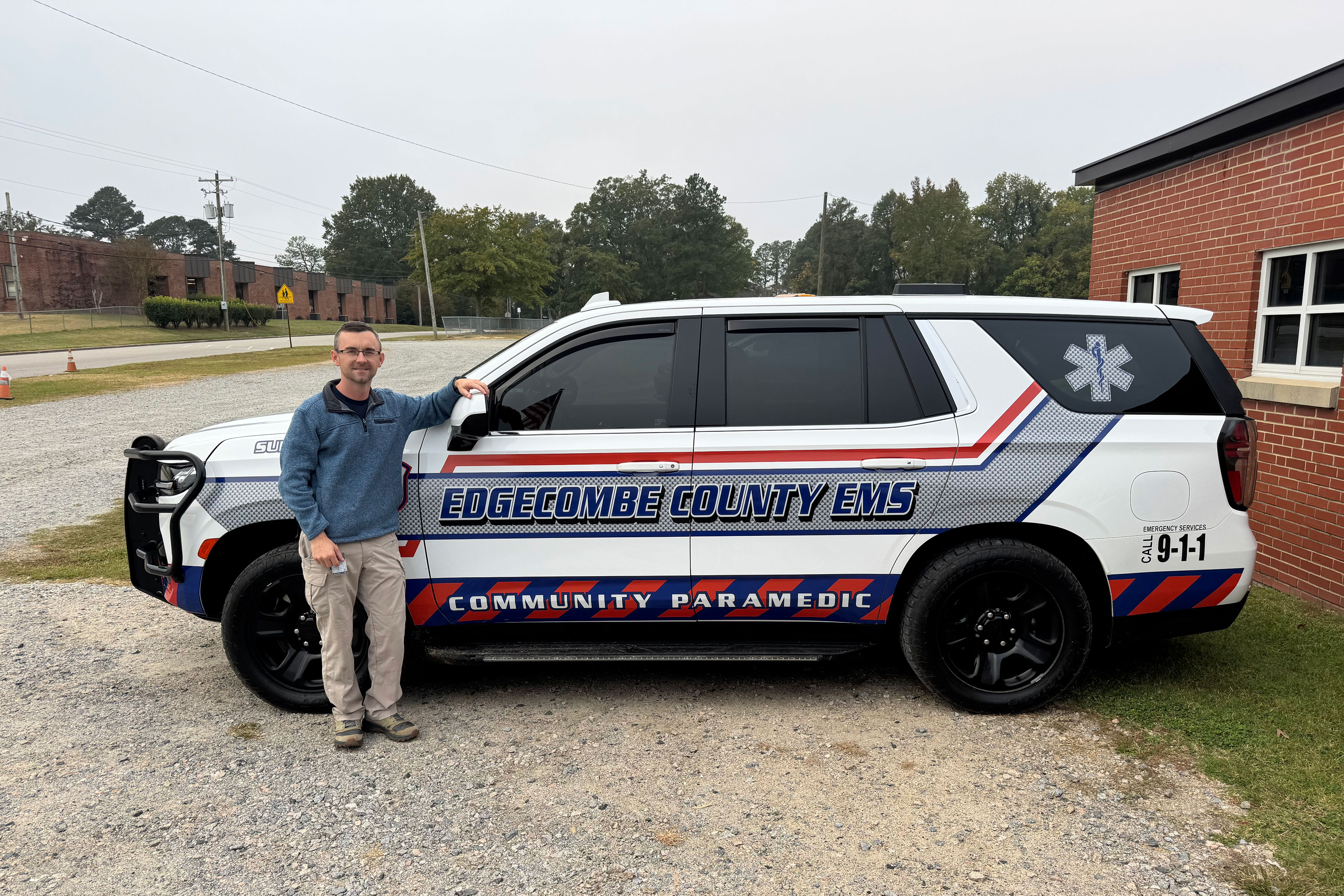
Left · 1Reporting notes that giving states full control has been tried: under the 1998 Tobacco Master Settlement, much of the money plugged budget gaps, and over 20 years less than 3% of tobacco settlement and tax-related revenue went to anti-smoking programs. CBS NewsLC “less than 3% of tobacco settlement and tax-related revenue was directed to anti-smoking programs” Read at CBS News ↗ Left · 1Defibrillators were one contested category: about 100 localities in 20 states committed $3.7 million to AEDs, cardiac monitors and accessories. Southfield, Michigan, bought six Lifepak cardiac monitors for about $350,000, and Mayor Kenson Siver said they help responders judge whether interventions are working in complex overdoses. Paramedic Dalton Barrett of Edgecombe County, North Carolina, said AEDs are rarely used in opioid overdoses, which typically involve stopped breathing treated with oxygen or naloxone, and that such purchases more likely plug general-budget gaps. CBS NewsLC “Last year, about 100 localities across 20 states committed $3.7 million in opioid funds to expenditures that included AEDs, cardiac monitors, and related accessories.”“Southfield, Michigan, purchased six Lifepak cardiac monitors and related supplies for about $350,000.”“AEDs and cardiac monitors are critical public health tools — but they are rarely used for opioid overdoses.” Read at CBS News ↗ Centre · 1A companion KFF Health News report on housing found that more than $340 million, about 9% of the roughly $3.7 billion, went to housing-related initiatives in 2025. Housing is an allowable use but not a core strategy in most agreements. KFF Health NewsN “about 9% went to housing initiatives”“Although housing is not a main bucket of settlement spending or itself a core strategy recommended in most opioid agreements, it is an allowable use.” Read at KFF Health News ↗
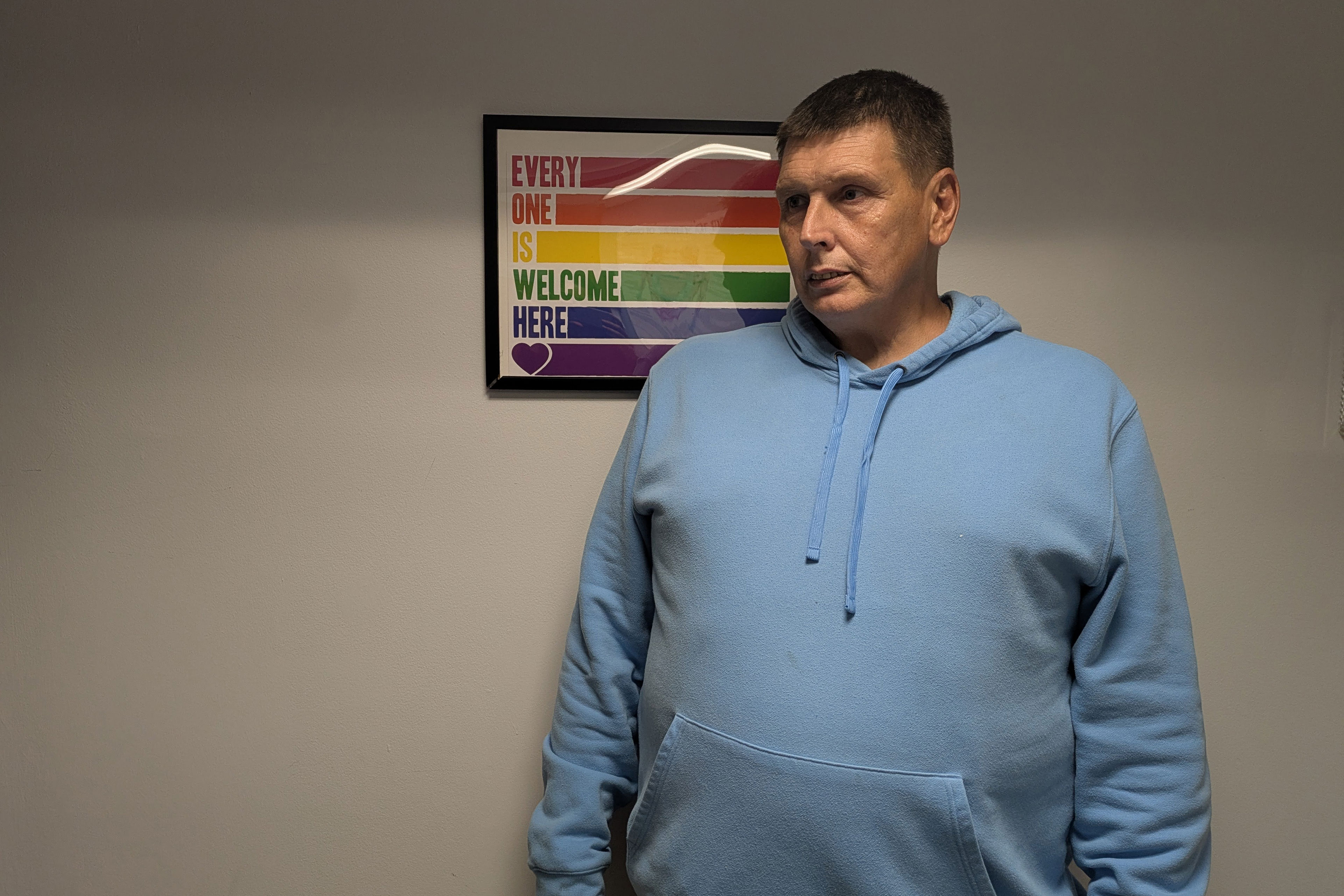
Centre · 1Connecticut put about $59 million into a program giving rental vouchers and case management to people with a verified substance use disorder; participant Jason Fazekas, 49, said having his own apartment changed his life. Elsewhere the link is less clear: New Brunswick, New Jersey, spent $520,000 on "homeless services", and a city spokesperson did not say what was funded or how it related to addiction. The city's report to the state described the money as "budgetary offsets and allocations". KFF Health NewsN “a housing program the state of Connecticut funded with about $59 million in opioid settlement cash”“New Brunswick, New Jersey, spent $520,000 of its settlement funds on “homeless services.””“the city wrote that the money was for “budgetary offsets and allocations”” Read at KFF Health News ↗ Centre · 1Dan Kelly of the Michigan Association of Counties said maintaining the connection to opioid remediation is the most important piece. Recovery advocates fear governments will use the money to replace general funding for existing services or to reduce the visibility of homelessness. The database notes it does not capture all spending, since some reports may have been missed and many jurisdictions publish none. KFF Health NewsN ““The most important piece” of investing settlement dollars “is maintaining that connection to opioid remediation and the populations impacted by opioid use disorder,””“Recovery advocates have long feared that governments would use the opioid money to simply replace general taxpayer funding”“it does not represent all opioid settlement expenditures.” Read at KFF Health News ↗
Every sentence links to the reporting it rests on. The pill in front of each says where its sources sit: Left, Centre or Right when one side supplies at least half of them, Mixed when they are evenly split. The number is how many outlets it cites.
Left1 outlet
- Framing
- CBS News carries the KFF Health News investigation under the headline 'Dubious buys raise alarm over local control of opioid cash', focused on questionable county and city spending and who should control the money.
- Emphasis
- Specific odd purchases (street lighting, Flock cameras, a pickleball court), recovery advocates' view that politicians should not run the funds, and the AED debate.
- Leaves out or plays down
- Does not cover the housing and homelessness spending analysis found in the companion KFF piece.
- Charged language
- “Dubious buys”“blood money”
Centre1 outlet
- Framing
- KFF Health News publishes the investigation's findings, including a companion piece on whether homelessness spending fits the settlements' aim of fighting addiction.
- Emphasis
- Housing as an emerging priority (more than $340 million, about 9%), the Connecticut program as a model, and New Brunswick's vague 'homeless services' spending; the data methodology and its limits.
- Leaves out or plays down
- The housing piece does not discuss the other questionable purchases or the debate over local versus state control in detail.
- Charged language
- “blurred”“wiggle room”
- For example
-
“some people closely tracking settlement money worry that the lines will be blurred between general homelessness initiatives and those that focus specifically on people with substance use disorders.” — KFF Health News
“Nationwide, state and local governments invested more than $340 million from opioid settlements into housing-related initiatives in 2025” — KFF Health News
Right0 outlets
No right outlet in our sources has covered this story yet.
What every side reports
- State and local governments spent or committed about $3.7 billion in opioid settlement funds in 2025.
- The data comes from a KFF Health News, Johns Hopkins Bloomberg School of Public Health and Shatterproof database of more than 17,500 expenditures.
- The settlements are expected to total about $60 billion over nearly two decades, with limited oversight and tracking gaps.
- Some spending has a clear link to addiction treatment and recovery, while other spending has a tenuous or unclear link.
Opioid settlement funds topic
The funds are portrayed as a once-in-a-generation opportunity to address the overdose crisis. Much has gone to treatment and recovery, but some local spending has tenuous addiction links and oversight is limited.
“is considered a once-in-a-generation opportunity to address an overdose epidemic that has claimed more than 1 million lives since 2000.” — KFF Health News
“But other expenditures had tenuous ties to addiction” — CBS News
Left1 article
-
Dubious buys raise alarm over local control of opioid cash
Critical Presents the KFF investigation as raising alarm about unqualified local officials' spending, while giving local-control proponents' arguments.
Centre2 articles
-
-
Opioid Settlement Cash and Homelessness: It’s Not Always Clear How Addiction Fits In
Mixed Frames housing spending as promising when tied to addiction but at risk of blurring into general homelessness policy.
Right0 articles
No coverage yet.
- 12 Nov 10:00 First KFF Health NewsN Dubious Buys Raise Alarm Over Local Control of Opioid Cash
- 12 Nov 10:00 First KFF Health NewsN Opioid Settlement Cash and Homelessness: It’s Not Always Clear How Addiction Fits In
- 12 Nov 10:00 First CBS NewsLC Dubious buys raise alarm over local control of opioid cash
Times are when each article was published, or when we first saw it if the outlet gave no time.
Ask about this story
Loading…