Rabid raccoon found in Westlake Village, first in LA County since 1973
Los Angeles County health officials documented its first rabid raccoon in more than 50 years, found in a Westlake Village backyard. Four people and a dog may have been exposed, and officials urged the public to avoid wild animals.

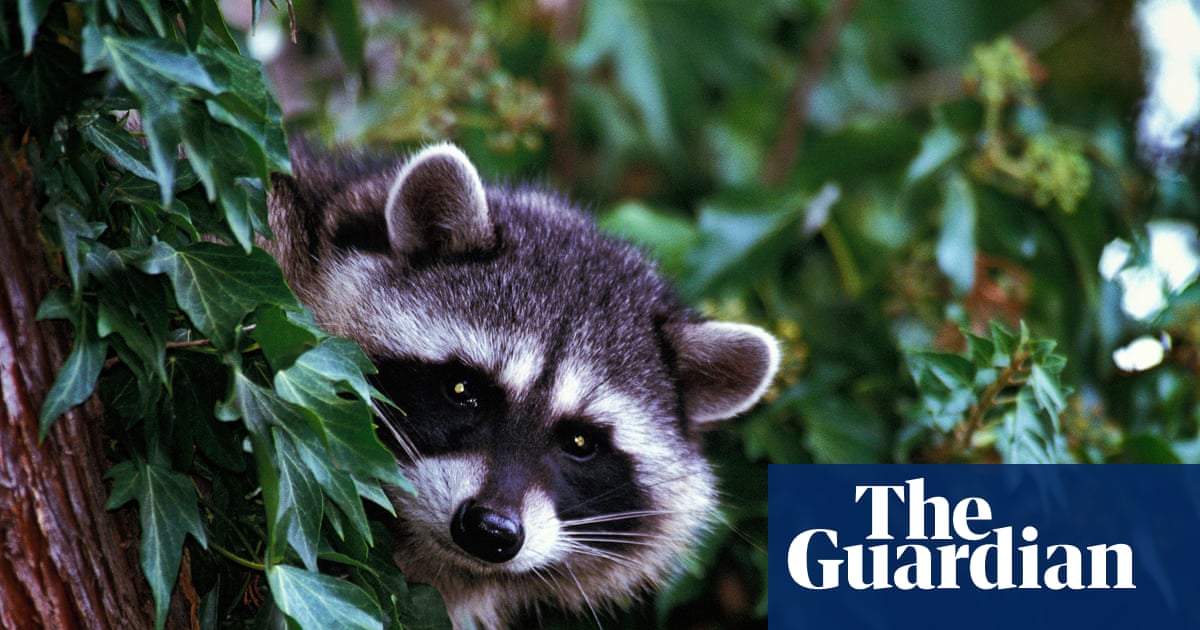
1 / 2
The story, neutrally told
Mixed · 2The Los Angeles County Department of Public Health announced its first rabies-positive raccoon in more than 50 years, found in a backyard in Westlake Village. New York PostR “Officials said they are investigating the first case in more than 50 years of a rabies-positive raccoon” Read at New York Post ↗ The GuardianLC “Los Angeles county recently documented its first rabid raccoon in more than 50 years” Read at The Guardian ↗ Mixed · 2The animal appeared unwell but was not aggressive toward people. New York PostR “The animal didn’t appear well but wasn’t aggressive toward people.” Read at New York Post ↗ The GuardianLC “The raccoon appeared in ill health but was not aggressive.” Read at The Guardian ↗ Mixed · 2Four people at a worksite may have been exposed and were receiving follow-up care, including rabies post-exposure prophylaxis, which the Guardian describes as a series of vaccines. New York PostR “were receiving “recommended follow-up for rabies post-exposure prophylaxis.”” Read at New York Post ↗ The GuardianLC “which includes a series of vaccines” Read at The Guardian ↗
Mixed · 2A dog that was exposed had up-to-date rabies vaccinations; it was quarantined and reported to be doing well. New York PostR “A dog exposed to the raccoon, which had updated vaccines, was quarantined and reported to be doing fine.” Read at New York Post ↗ The GuardianLC “The dog was up to date on its rabies vaccine and is “doing well” under quarantine” Read at The Guardian ↗ Mixed · 2The rabies variant is not yet known; officials believe the raccoon was probably infected by a bat, and the Post says variant testing can take up to several weeks. New York PostR “it is likely the animal was infected by a bat, but the department is awaiting subsequent variant testing that can take up to several weeks.” Read at New York Post ↗ The GuardianLC “It is not yet known which rabies variant the raccoon was infected with, although officials believe it was probably rabies from a bat.” Read at The Guardian ↗ Mixed · 2County health officer Dr Muntu Davis said the detection is a reminder to never touch, handle or feed wild animals, even healthy-looking ones, and to contact animal control about sick or unusual animals. New York PostR ““The detection of rabies in a raccoon is an important reminder to never touch, handle, or feed any wild animals, even when they appear healthy,”” Read at New York Post ↗ The GuardianLC “contact your local animal control if you encounter an animal that appears sick, injured, or is behaving unusually” Read at The Guardian ↗
Mixed · 2The county's last documented rabid raccoon was in 1973; the Guardian adds that the last known rabid animal other than a bat was a skunk in 2014. New York PostR “The last reported case of a rabid raccoon in the county dates back in 1973.” Read at New York Post ↗ The GuardianLC “the last known animal, aside from bats, to have rabies was a skunk in 2014” Read at The Guardian ↗ Mixed · 2Rabies exposure in the county has historically come from bats, and 2026 is a record year for rabid bats: the Post reports 70 cases with peak season still to come, while the Guardian cites 69 documented cases as of last week's department statement, with nearly a third of bats tested infected. New York PostR “A record number of rabid bat cases — 70 — has been recorded in the county in 2026” Read at New York Post ↗ The GuardianLC “with 69 documented cases” Read at The Guardian ↗ Mixed · 2Rabies is almost always fatal once symptoms appear but is preventable with post-exposure treatment; the Guardian cites the CDC as saying the US sees fewer than 10 deaths a year, and officials urged anyone bitten by a wild animal to seek medical care and pet owners to keep pets vaccinated. The GuardianLC “The US sees fewer than 10 deaths annually “due to robust prevention efforts”” Read at The Guardian ↗ New York PostR “Rabies is preventable with post-exposure treatment.” Read at New York Post ↗
Every sentence links to the reporting it rests on. The pill in front of each says where its sources sit: Left, Centre or Right when one side supplies at least half of them, Mixed when they are evenly split. The number is how many outlets it cites.
Left1 outlet
- Framing
- Measured public-health report that places the case in a wider context of global and US rabies deaths and the county's rising bat trend.
- Emphasis
- CDC data on rabies deaths, the 2014 skunk case, and the decade-long rise in rabid bats.
- Leaves out or plays down
- Does not mention the 100% fatality wording or the symptoms list, or the increase in bat encounters indoors.
- For example
-
“It kills tens of thousands of people each year, mostly in Africa and Asia” — The Guardian
Centre0 outlets
No centre outlet in our sources has covered this story yet.
Right1 outlet
- Framing
- Leads with the unsettling 'sickly creature' and the 50-year first, then relays the county's warning and practical safety advice.
- Emphasis
- Symptoms, 100% fatality once symptoms set in, record bat numbers with peak season ahead, and bats found in urban areas and indoors.
- Leaves out or plays down
- Does not give CDC US death figures or the 2014 skunk case.
- Charged language
- “Sickly creature”“100% fatal”
- For example
-
“Sickly creature found in Los Angeles prompts official warning — marks first case in 50 years” — New York Post
“is 100% fatal once symptoms set in” — New York Post
What every side reports
- First rabid raccoon documented in LA County in more than 50 years, last in 1973
- Found in Westlake Village; appeared ill but not aggressive
- Four people and a dog may have been exposed; people receiving follow-up care, dog vaccinated and quarantined
- Variant unknown; bat origin suspected
- Officials urge never touching wild animals
Where accounts differ
-
Number of rabid bats recorded in LA County in 2026
- Left
- The Guardian: 69 documented cases, per last week's department statement.
- Right
- The New York Post: a record 70, with peak season yet to begin.
-
Where the exposure happened
- Left
- The Guardian: a backyard work site in Westlake Village.
- Right
- The New York Post: a backyard of a Westlake Village home, with four people at a nearby worksite.
Los Angeles County place
The county health department says the case is a reminder to avoid wild animals, keep pets vaccinated, and report sick animals; it notes a long upward trend in rabid bats.
“Always keep a safe distance from wildlife and contact your local animal control” — New York Post
“Los Angeles county has seen a steady upward trend for more than a decade” — The Guardian
Rabies topic
Described as almost always fatal once symptoms appear, but preventable with post-exposure treatment and pet vaccination.
“Rabies is preventable with post-exposure treatment.” — New York Post
“almost completely fatal once symptoms appear” — The Guardian
Left1 article
-
LA officials document first case of a rabid raccoon in more than 50 years
Neutral Straightforward account of the county statement with added CDC context.
Centre0 articles
No coverage yet.
Right1 article
-
Sickly creature found in Los Angeles prompts official warning — marks first case in 50 years
Alarmist Dramatic headline and emphasis on fatality and record bat numbers, though the body relays the county's guidance.
- 7 Oct 00:49 First New York PostR Sickly creature found in Los Angeles prompts official warning — marks first case in 50 years
- 7 Oct 17:16 +16h 27m The GuardianLC LA officials document first case of a rabid raccoon in more than 50 years
Times are when each article was published, or when we first saw it if the outlet gave no time.