3,400 rare one-flowered wintergreens moved from eroding Culbin coast in Moray
Conservationists moved about 3,400 one-flowered wintergreen plants, one of the UK's rarest flowers, from an eroding shoreline at Culbin on the Moray coast to a safer site nearby. Plantlife Scotland, NatureScot and Forestry and Land Scotland say it is not yet known how many will survive.

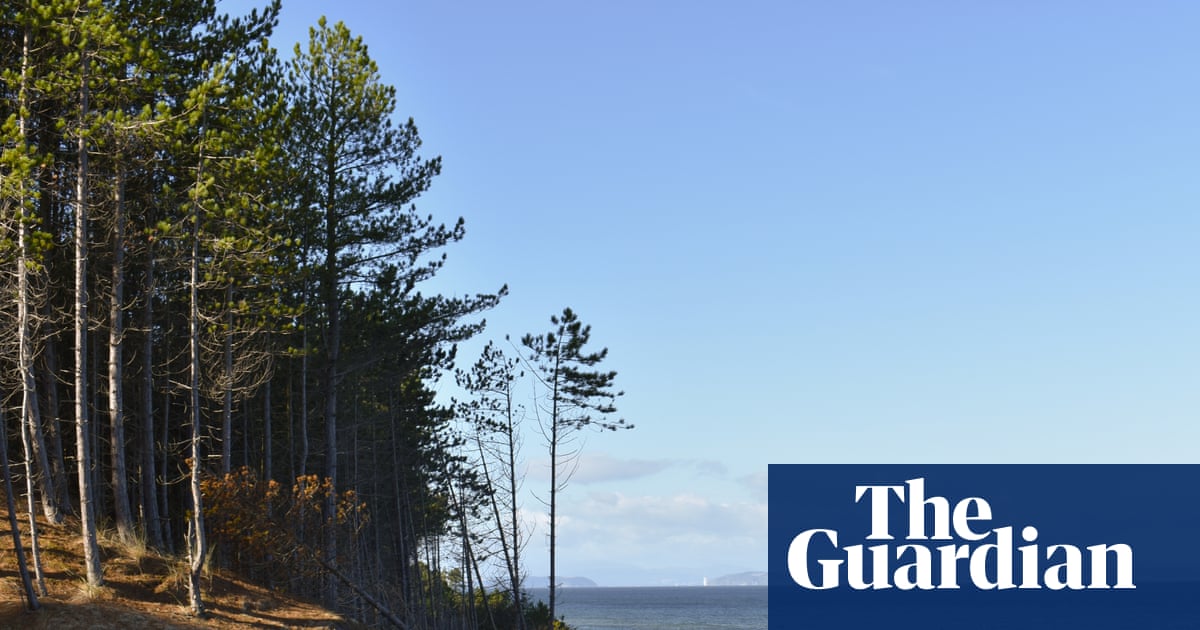
1 / 2
The story, neutrally told
Mixed · 2Conservationists have rescued about 3,400 one-flowered wintergreen plants from an eroding stretch of coast at Culbin Sands, near Findhorn on the Moray coast, and moved them to a safer location nearby in Culbin Forest. BBC NewsN “About 3,400 of the tiny plants have been rescued from an area of eroded beach at Culbin Sands, an area of dunes and forest near Findhorn, and moved to a safe location nearby.” Read at BBC News ↗ The GuardianLC “Conservationists rescued 3,400 one-flowered wintergreen plants at Culbin Forest in Moray” Read at The Guardian ↗ Mixed · 2Plantlife Scotland carried out the work with Forestry and Land Scotland, NatureScot and volunteers; the Guardian reports that 18 volunteers took part, that the rescue followed a smaller trial, and that it was supported by the Scottish government's nature restoration fund. BBC NewsN “Plantlife Scotland worked with Forestry and Land Scotland, NatureScot and volunteers to rescue the plants.” Read at BBC News ↗ The GuardianLC “Eighteen volunteers conducted the rescue, which followed a smaller trial. The project received support from the Scottish government’s nature restoration fund.” Read at The Guardian ↗ Mixed · 2The plants were at risk because the sea had eroded the site over recent years; the Guardian says 2-3 metres of land collapsed into the sea. BBC NewsN “A patch of the flowers was carefully dug up at a site on the coast where it has been eroded away by the sea over the last few years.” Read at BBC News ↗ The GuardianLC “after 2-3 metres of land collapsed into the sea over recent years” Read at The Guardian ↗
Mixed · 2In the UK the tiny, star-shaped flower is found only in pine woodlands in north-east Scotland, and it is estimated to have lost more than half its UK population over the past 50 years. BBC NewsN “In the UK, the one-flowered wintergreen can only be found in pine woodlands in north-east Scotland.” Read at BBC News ↗ The GuardianLC “a species estimated to have lost more than half its UK population in the past 50 years” Read at The Guardian ↗ Left · 1According to Plantlife Scotland, quoted by the Guardian, the species survives at just seven sites, only three of which support healthy populations. About 50,000 plants remain in Scotland, but because they spread through genetically identical root growth, the number of genetically distinct individuals could be fewer than 500; at one site about 100 plants represented just two individuals. The GuardianLC “It survives at just seven sites, only three of which support healthy populations, according to Plantlife Scotland.”“The number of genetically distinct individuals could be fewer than 500. At one site, about 100 plants represented just two distinct individuals.” Read at The Guardian ↗ Mixed · 2The plant can also draw energy from fungi in woodland soils rather than relying only on photosynthesis. Volunteers therefore cut out sections of soil around the plants to preserve the fungal networks on which they depend. BBC NewsN “the flowers can also take energy from fungus in woodland soils.” Read at BBC News ↗ The GuardianLC “Volunteers cut out sections of soil around the plants to preserve the networks of fungi on which they depend for germination and survival.” Read at The Guardian ↗
Mixed · 2Conservationists link the decline to climate change drying out damp soils; the Guardian adds that Plantlife also cites changes in forest management that have affected the fungi's conditions. BBC NewsN “Conservationists said increasingly warmer conditions caused by climate change risked drying up these damp soils.” Read at BBC News ↗ The GuardianLC “Changes in forest management have affected the conditions those fungi need, while hotter, drier conditions caused by the climate crisis have reduced the soil moisture on which the plant relies, Plantlife said.” Read at The Guardian ↗ Centre · 1Iain Macdonald, biodiversity adviser at NatureScot, said it is not yet known how many plants will survive at the new site, but that they would eventually have been lost to the sea had they been left, so any survival would be a success. Sam Jones, senior ecological adviser at Plantlife Scotland, called the work groundbreaking and said it was a privilege to help save the patch. BBC NewsN “"So, any survival will be a success, and if we can continue to introduce more plants to some of the small, existing populations then we'll strengthen their ability to cope with our changing environment."”“It has been a privilege to be able to help save this patch of the precious and rare one-flowered wintergreen” Read at BBC News ↗ Left · 1The Guardian also reports that a small number of plants and seeds were moved to another wood where the species has not previously been recorded, in the hope of establishing a new population. The GuardianLC “Conservationists have also moved a small number of plants and seeds to another wood, where the species has not previously been recorded, hoping to establish a new population.” Read at The Guardian ↗
Every sentence links to the reporting it rests on. The pill in front of each says where its sources sit: Left, Centre or Right when one side supplies at least half of them, Mixed when they are evenly split. The number is how many outlets it cites.
Left1 outlet
- Framing
- The Guardian leads with the scale of the rescue and the species' precarious genetic and geographic position, adding detail on the method and the wider conservation context.
- Emphasis
- Genetic fragility (possibly fewer than 500 distinct individuals), only seven UK sites, forest management and the climate crisis as causes, the volunteer effort and public funding.
- Leaves out or plays down
- Does not mention the BBC's description of the work as being near Findhorn.
- Charged language
- “climate crisis”
- For example
-
“The number of genetically distinct individuals could be fewer than 500.” — The Guardian
“hotter, drier conditions caused by the climate crisis” — The Guardian
Centre1 outlet
- Framing
- BBC News reports the rescue as a short good-news conservation story with quotes from Plantlife Scotland and NatureScot.
- Emphasis
- The rescue itself, the partners involved, the plant's reliance on fungi and climate change risk to soils.
- Leaves out or plays down
- Leaves out the number of remaining sites, the genetic-diversity figures, the volunteer count, the funding and the new-population attempt reported by the Guardian.
- Charged language
- “ground-breaking”
- For example
-
“This type of ground-breaking conservation work will help ensure endangered species like the one-flowered wintergreen are not lost.” — BBC News
Right0 outlets
No right outlet in our sources has covered this story yet.
What every side reports
- About 3,400 one-flowered wintergreens were moved from an eroding coastal site at Culbin in Moray.
- Plantlife Scotland, Forestry and Land Scotland, NatureScot and volunteers did the work.
- The plant in the UK is found only in pine woodlands in north-east Scotland and has lost more than half its population in 50 years.
- NatureScot's Iain Macdonald said it is not yet known how many plants will survive.
One-flowered wintergreen other
A tiny, star-shaped plant found in the UK only in north-east Scottish pine woods, which has lost over half its population in 50 years and depends partly on soil fungi.
“In the UK, the one-flowered wintergreen can only be found in pine woodlands in north-east Scotland.” — BBC News
“It survives at just seven sites, only three of which support healthy populations, according to Plantlife Scotland.” — The Guardian
Culbin Sands place
The eroding dune and forest coast near Findhorn from which the plants were taken, with the survivors moved to a safer spot in Culbin Forest.
“an area of eroded beach at Culbin Sands, an area of dunes and forest near Findhorn” — BBC News
Left1 article
-
Thousands of rare wildflowers rescued from eroding Scottish coast
Sympathetic Detailed conservation report that stresses the species' fragility and the climate and management pressures behind its decline.
Centre1 article
-
Patch of one of UK's rarest flowers saved from falling into the sea
Sympathetic Short, positive account of a successful rescue, relying on conservation-body quotes.
Right0 articles
No coverage yet.
- 10 Nov 06:28 First BBC NewsN Patch of one of UK's rarest flowers saved from falling into the sea
- 11 Nov 05:00 +22h 32m The GuardianLC Thousands of rare wildflowers rescued from eroding Scottish coast
Times are when each article was published, or when we first saw it if the outlet gave no time.
Ask about this story
Loading…