Regulators propose consent decree and plan to restore Roanoke River habitat near Domtar mill
Federal and state regulators have proposed a consent decree with Domtar and a restoration plan for the lower Roanoke River in North Carolina, after decades of pollution from the Plymouth pulp mill. The public can comment on it through Oct. 16.
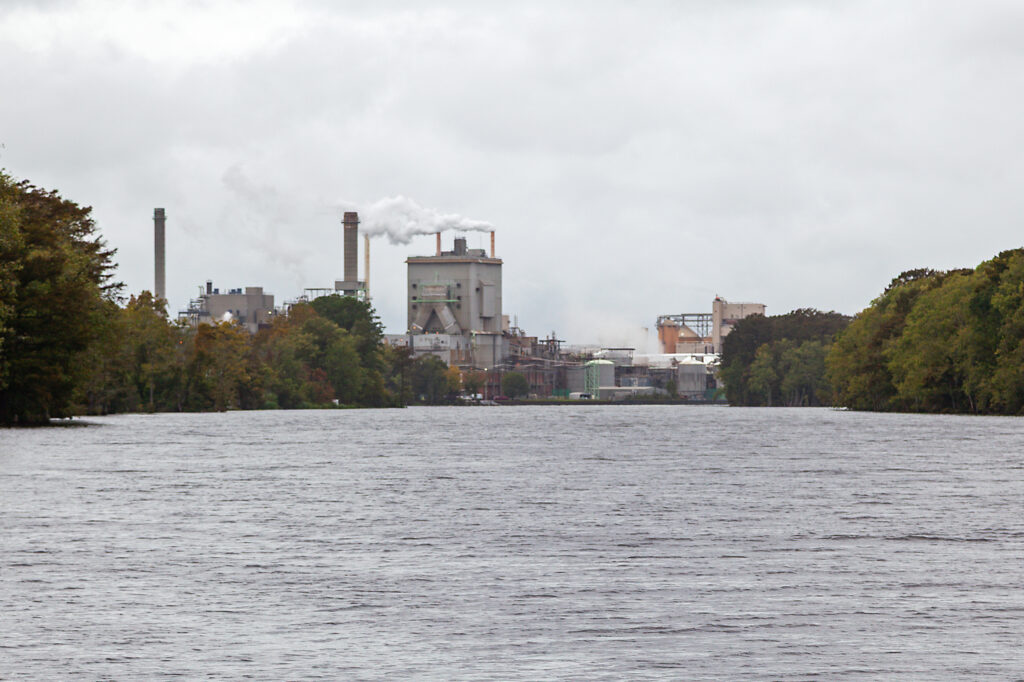
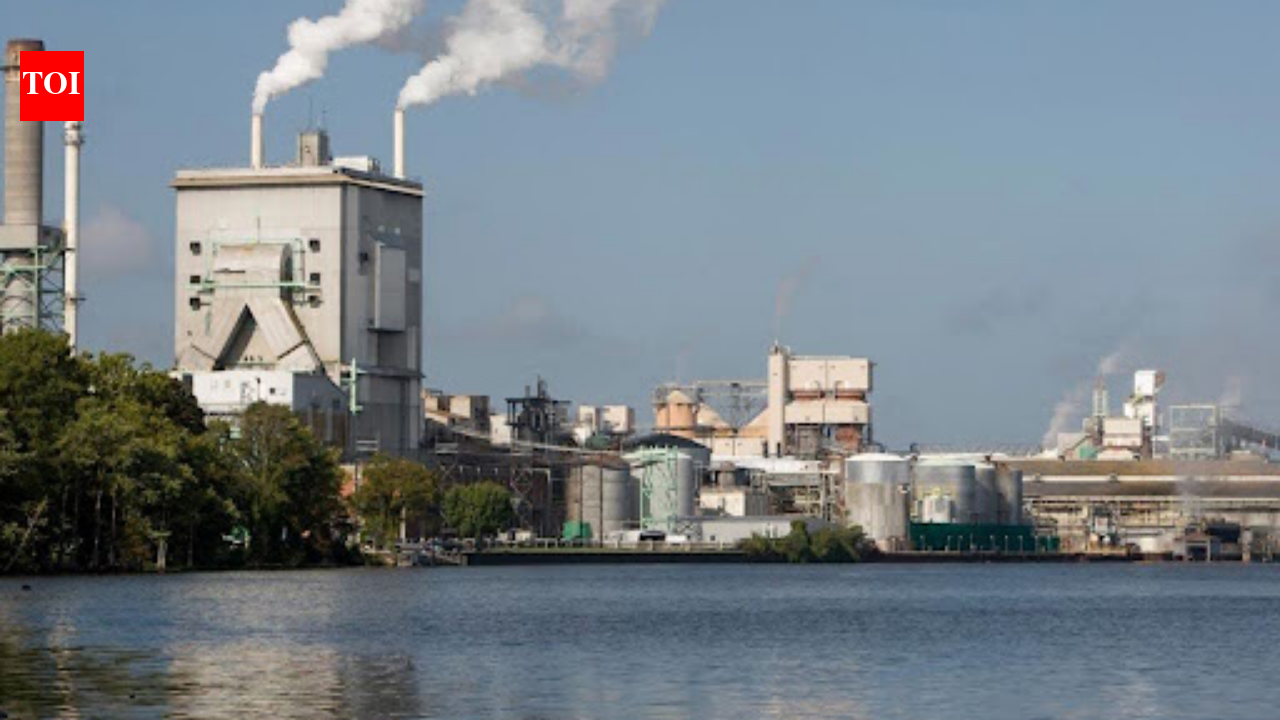
1 / 2
The story, neutrally told
Federal and state regulators have reached a tentative agreement with Domtar to restore and protect natural areas in the Roanoke River watershed in North Carolina, and a proposed consent decree and restoration plan has been filed in federal court. Inside Climate NewsLC “Federal and state regulators have now reached a tentative agreement with Domtar to restore and protect natural areas in the Roanoke River watershed.” Read at Inside Climate News ↗ The Times of IndiaN “The restoration plan is part of a proposed consent decree submitted in federal court by the North Carolina Department of Environmental Quality, NOAA and the U.S. Fish and Wildlife Service.” Read at The Times of India ↗ The plan responds to more than 50 years of pollution from the Plymouth pulp and paper mill, which Inside Climate News says discharged dioxins, furans and mercury into the river; the Times of India lists dioxins, furans, mercury and volatile organic compounds as contaminants released into groundwater, soil, Welch Creek and the river. Inside Climate NewsLC “For 50 years, Domtar’s predecessor, Weyerhaeuser, discharged toxic dioxins, furans and mercury—byproducts of the bleaching process—into the Roanoke River.” Read at Inside Climate News ↗ The Times of IndiaN “Contaminants identified in the area include dioxins, furans, mercury and volatile organic compounds.” Read at The Times of India ↗ Domtar did not cause the original damage but assumed liability for the cleanup after buying the property from Weyerhaeuser. Inside Climate NewsLC “Although Domtar isn’t responsible for the original damage, the company assumed liability for the cleanup after buying the property from Weyerhaeuser in 2007.” Read at Inside Climate News ↗ The Times of IndiaN “which assumed responsibility for addressing the site's environmental liabilities after acquiring the property from Weyerhaeuser” Read at The Times of India ↗
Inside Climate News says the agreement would require Domtar to fund restoration of more than 1,000 acres of sensitive habitat along the river. Inside Climate NewsLC “would require the paper company to fund the restoration of more than 1,000 acres of sensitive habitat along the Roanoke River.” Read at Inside Climate News ↗ According to NOAA as cited by the Times of India, a central element is protecting about 760 acres of forested wetlands at Warren Neck through a conservation deed restriction, plus about $1.75 million for floodplain reconnection, wetland protection and fish-passage improvements. That work could repair up to five lost natural connections, reconnect about three miles of historic stream channels and improve more than 600 acres of habitat. The Times of IndiaN “the protection of approximately 760 acres of forested wetlands at Warren Neck through a conservation deed restriction”“It is expected to reconnect about three miles of historic stream channels to their natural flow and flood regime while improving more than 600 acres of habitat.” Read at The Times of India ↗ The mill's water withdrawals also drew in larval fish; Inside Climate News, citing state and federal records, says this reduced striped bass, river herring and white perch by 100,000 each day. Inside Climate NewsLC “reducing the total number of striped bass, river herring and white perch by 100,000 each day, state and federal records show.” Read at Inside Climate News ↗ The Times of IndiaN “drawing larval fish into the facility and contributing to impacts on fish populations and recreational fishing” Read at The Times of India ↗
Dioxin levels have declined since 1990, but state health officials still recommend eating no more than one meal a month of carp and catfish from the river, according to Inside Climate News; the Times of India notes a fish consumption advisory has stood for decades. Inside Climate NewsLC “state health officials still recommend limiting consumption of car and catfish caught there to no more than one meal per month.” Read at Inside Climate News ↗ The Times of IndiaN “A fish consumption advisory associated with the contamination has remained in place for decades.” Read at The Times of India ↗ Earlier measures have reduced some impacts: Domtar voluntarily cut its water withdrawals and is proposed to receive settlement credit for past work including boat ramp and waterfront park improvements and high-capacity cooling towers that ended river withdrawals for cooling. Domtar has spent at least $5.5 million on remediation since 2011, including a sand cap on contaminated sediment in Welch Creek. The Times of IndiaN “installation of high-capacity cooling-water towers that eliminated river withdrawals for cooling purposes” Read at The Times of India ↗ Inside Climate NewsLC “Since 2011, Domtar has spent at least $5.5 million on remediation.” Read at Inside Climate News ↗ The site was eligible for Superfund listing based on its hazard score, but because Domtar is paying, it is being remediated under the Superfund Alternative Approach, which needs no federal funds, Inside Climate News reports. Inside Climate NewsLC “the site is being remediated under the Superfund Alternative Approach, which does not require federal funds.” Read at Inside Climate News ↗
North Carolina Secretary of the Environment Reid Wilson said the settlement ensures protection of fish and wildlife habitat, recreation and flood resilience. Domtar did not respond to Inside Climate News but told WCTI it would reserve comment until the public comment period ends and the decree is ordered. Inside Climate NewsLC ““This settlement ensures protection of fish and wildlife habitat, abundant recreational opportunities and strengthened resilience to flooding.””“We are aware of the consent decree that has been filed and reserve further comment until the public comment period is concluded and the decree is ordered.” Read at Inside Climate News ↗ The Nature Conservancy in North Carolina, which owns about 2,000 acres near the mill, is reviewing the draft and plans to submit comments. Larry Baldwin of the North Carolina Environmental Advocacy Corps called the river “a lifeblood for North Carolina” and noted that two-thirds to 90 percent of residents near the plant are people of color. Inside Climate NewsLC “The group is reviewing the draft restoration plan and plans to submit comments”“Census data show two-thirds to 90 percent of residents living in neighborhoods near the Domtar plant are people of color.” Read at Inside Climate News ↗ The public can comment on the proposal through Oct. 16, and the agencies will consider comments before the settlement and restoration measures move forward. Inside Climate NewsLC “The public can comment on the proposal through Oct. 16.” Read at Inside Climate News ↗ The Times of IndiaN “The agencies will consider comments before the proposed settlement and restoration measures move forward.” Read at The Times of India ↗
Every sentence links to the reporting it rests on.
Left1 outlet
- Framing
- Local, scene-setting report from Plymouth, N.C. that places the settlement within the mill's long pollution record and nearby environmental-justice concerns.
- Emphasis
- Health risks of dioxin, daily fish losses, Domtar's 2024 dioxin releases, demographics near the plant, and voices from the Nature Conservancy and an advocacy group.
- Leaves out or plays down
- Gives fewer details of the specific restoration projects, such as Warren Neck and the $1.75 million for floodplain reconnection.
- Charged language
- “toxic dioxins”“environmental cost”“corporate malfeasance”
- For example
-
“But those goods come at an environmental cost.” — Inside Climate News
“Census data show two-thirds to 90 percent of residents living in neighborhoods near the Domtar plant are people of color.” — Inside Climate News
Centre1 outlet
- Framing
- Explanatory science-desk summary of the proposed restoration strategy, largely based on NOAA material and Inside Climate News.
- Emphasis
- Specific restoration projects, acreage, funding, credits for Domtar's earlier improvements and how to comment.
- Leaves out or plays down
- Leaves out the dioxin health effects, the 2024 release figures, community demographics and the quoted reactions from officials and groups.
- For example
-
“One of the central elements of the proposed restoration plan is the protection of approximately 760 acres of forested wetlands at Warren Neck through a conservation deed restriction.” — The Times of India
“According to Inside Climate News, Domtar has spent at least $5.5 million on remediation since 2011” — The Times of India
Right0 outlets
No right outlet in our sources has covered this story yet.
What every side reports
- A proposed consent decree and restoration plan for the lower Roanoke River has been filed, involving Domtar and federal and state regulators.
- The Plymouth mill released dioxins, furans and mercury, and its water withdrawals harmed fish.
- Domtar assumed cleanup liability after buying the site from Weyerhaeuser.
- Domtar has spent at least $5.5 million on remediation since 2011.
- The proposal is open for public comment.
Where accounts differ
-
Scale of habitat covered by the plan
- Left
- Inside Climate News says Domtar would fund restoration of more than 1,000 acres of sensitive habitat.
- Centre
- The Times of India cites NOAA for about 760 acres protected at Warren Neck and more than 600 acres of habitat improved; it gives no 1,000-acre figure.
Domtar organisation
Domtar says it is aware of the filed consent decree and will reserve further comment until the public comment period ends and the decree is ordered. Coverage notes it assumed liability for the cleanup, not the original damage, and credits it with voluntary reductions in water withdrawal.
“We are aware of the consent decree that has been filed and reserve further comment until the public comment period is concluded and the decree is ordered.” — Inside Climate News
“Domtar voluntarily implemented modifications that reduced the volume of water withdrawn from the Roanoke River.” — The Times of India
Roanoke River place
The river is described as an ecologically important system with large bottomland forests and diverse fish, including endangered Atlantic sturgeon, that has been damaged by decades of contamination.
“The Roanoke River boasts the largest intact systems of bottomland forests on the Atlantic Coast” — Inside Climate News
“The Roanoke River supports diverse fish populations and extensive bottomland forests” — The Times of India
North America1 outlet
Local North Carolina reporting centred on community, health and ecological stakes.
““Residents of Plymouth and downstream communities deserve a healthy and clean Roanoke River,” said North Carolina Secretary of the Environment Reid Wilson.” — Inside Climate News
Inside Climate News
South Asia1 outlet
Distant science-desk explainer that relays the restoration proposal's details and credits Inside Climate News for cleanup costs.
“According to Inside Climate News, Domtar has spent at least $5.5 million on remediation since 2011” — The Times of India
The Times of India
Left1 article
-
Regulators Release a Plan to Help Repair the Contaminated Roanoke River
Critical Places the settlement against the mill's long toxic legacy, health risks and environmental-justice context, with local voices.
Centre1 article
-
After 50+ years of pulp-mill pollution, regulators propose restoring North Carolina's Roanoke River
Neutral Explains the proposed restoration projects and public-comment process, drawing on NOAA and Inside Climate News.
Right0 articles
No coverage yet.
- 1 Oct 09:55 First Inside Climate NewsLC Regulators Release a Plan to Help Repair the Contaminated Roanoke River
- 2 Oct 09:30 +23h 35m The Times of IndiaN After 50+ years of pulp-mill pollution, regulators propose restoring North Carolina's Roanoke River
Times are when each article was published, or when we first saw it if the outlet gave no time.