Entertainment · Celebrity Traitors series 2
Economist argues Celebrity Traitors is harder than it looks, citing deception research
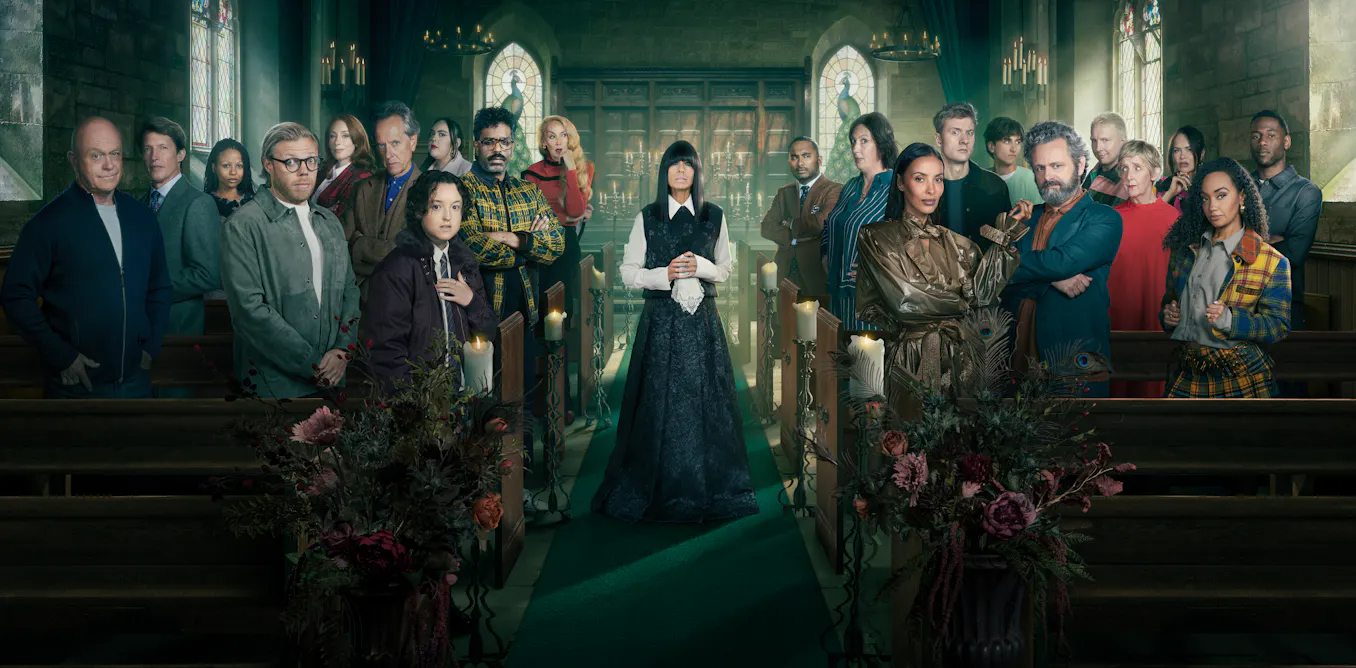
An article by a Salford economics lecturer, published by The Conversation and republished by The Independent, says research on lie detection and a classroom experiment show the second celebrity series will be tougher than it appears.
1 / 2
The story, neutrally told
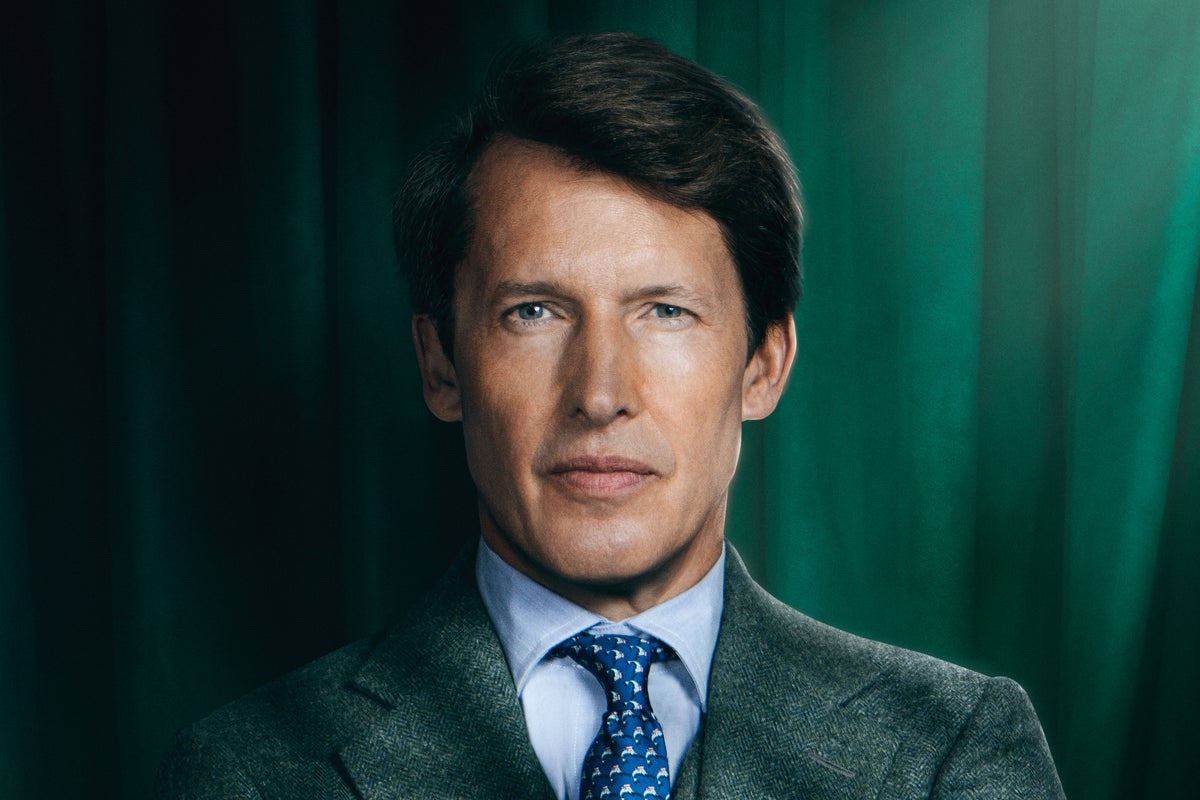
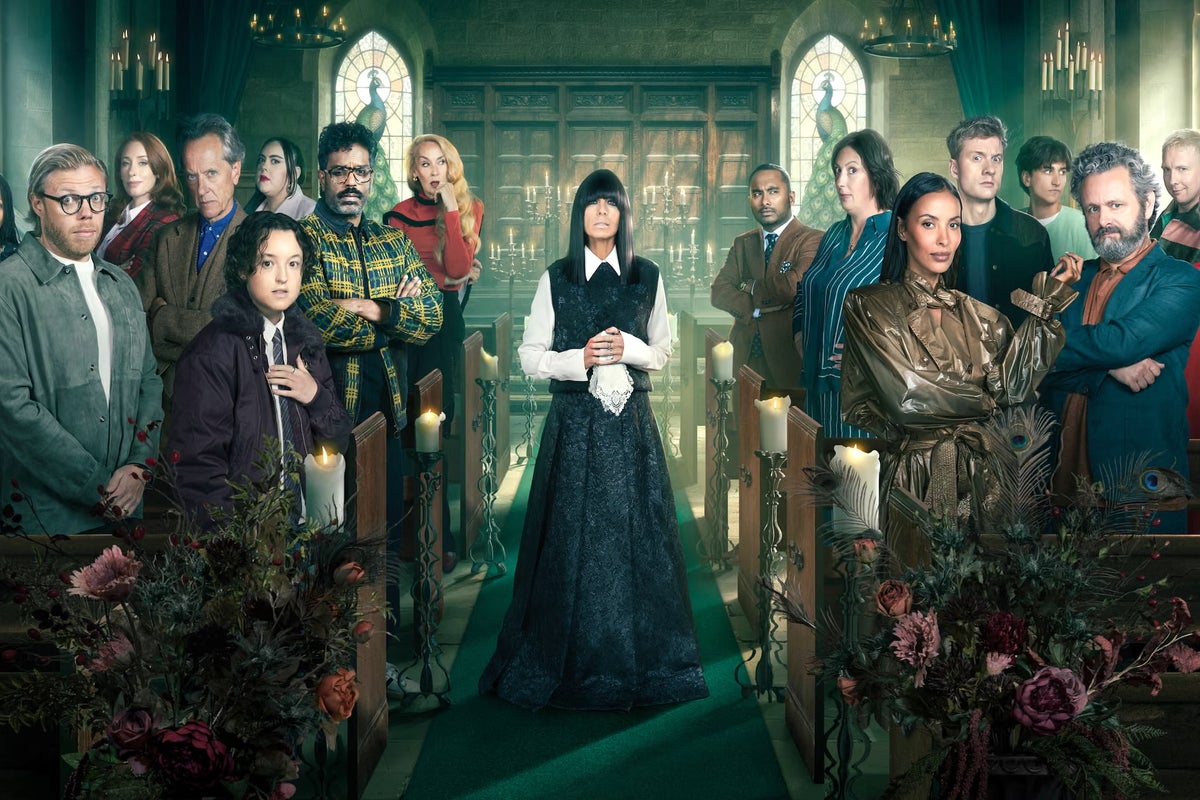
Left · 2Tony Syme, a senior lecturer in economics at the University of Salford, wrote that the 2026 celebrity version of The Traitors will be harder for contestants than it looks from the sofa. The ConversationLC “And it looks very easy from the sofa.” Read at The Conversation ↗ The IndependentLC “Tony Syme is a Senior Lecturer in Economics at Salford Business School, University of Salford.” Read at The Independent ↗ Left · 1The line-up named includes singer James Blunt, mathematician Hannah Fry, broadcaster Amol Rajan and actors Bella Ramsey and Richard E. Grant. The ConversationLC “contestants including singer James Blunt, mathematician Hannah Fry, broadcaster Amol Rajan and actors Bella Ramsey and Richard E. Grant” Read at The Conversation ↗ Left · 2Syme argues that, under economic theory, talk is cheap in the castle because nothing a player says is binding or checkable, so anything a traitor says is also something a faithful might say. The ConversationLC “Nothing they say is binding. Nothing they say can be checked.” Read at The Conversation ↗ The IndependentLC “everything they say is also something a faithful might say” Read at The Independent ↗
Left · 1The piece cites research across more than 200 studies finding people identify deception about 54% of the time, against 50% for a coin flip. The ConversationLC “Across more than 200 studies, people successfully identify deception about 54% of the time.” Read at The Conversation ↗ Left · 1It adds that with three traitors among 21 players a random accusation has a one in seven chance of being right, so unsupported accusations are more likely wrong for almost the whole series. The IndependentLC “any name picked has a one in seven chance of being right” Read at The Independent ↗ Left · 1Syme also describes a study in which a vivid description outweighed base-rate numbers, as an explanation of why players fixate on behaviour such as someone being defensive or going quiet. The ConversationLC “the description wins and the statistic is ignored” Read at The Conversation ↗
Left · 1To illustrate, Syme ran a version of the game with 13 economics undergraduates: six players, two of them traitors, over four rounds of about five minutes, with the class voting by phone to banish one player. The IndependentLC “I ran a version of the game with a class of 13 economics undergraduates.” Read at The Independent ↗ Left · 1Players were given randomly generated, meaningless observations about each other. In round one the most outspoken student was banished, in round two a traitor's partner in accusation was banished, and from round three players used voting records, which led the faithfuls to win. The ConversationLC “Only in the third round did the players start reasoning from evidence that could not be faked: who had voted for whom.” Read at The Conversation ↗ Left · 1Afterwards several players admitted the meaningless cards had shaped their suspicions, and all four faithfuls said they felt confident even when wrong. Syme notes that TV viewers usually know who the traitors are. The ConversationLC “All four faithfuls said they had felt confident, even in the rounds they got wrong.” Read at The Conversation ↗
Every sentence links to the reporting it rests on. The pill in front of each says where its sources sit: Left, Centre or Right when one side supplies at least half of them, Mixed when they are evenly split. The number is how many outlets it cites.
Left2 outlets
- Framing
- Both left-leaning outlets run the same explanatory, light-hearted piece by an academic, presented as expert analysis of the show's psychology and game theory; The Independent adds a tie-in to the second series' return and a headline naming James Blunt.
- Emphasis
- Cheap talk, poor human lie detection, the odds of accusation, and a classroom experiment.
- Leaves out or plays down
- No broadcaster, production or contestant comment, and no centre or right outlets covered the story. The Independent's version carries a series-launch standfirst but otherwise no extra reporting.
- Charged language
- “hit game show”“essential viewing”
- For example
-
“The hit game show returns for its second series on Thursday with a prize of up to £100,000” — The Independent
“In the castle, talk is cheap and not to be trusted.” — The Conversation
Centre0 outlets
No centre outlet in our sources has covered this story yet.
Right0 outlets
No right outlet in our sources has covered this story yet.
What every side reports
- Both outlets carry the same article by Tony Syme, a Salford economics lecturer.
- Talk among players is described as unreliable because nothing said is binding or checkable.
- People spot deception about 54% of the time across more than 200 studies.
- The classroom experiment involved 13 economics undergraduates and ended in a faithful victory.
James Blunt person
James Blunt is named as a contestant expected to find the game harder than it looks; he is not quoted.
“James Blunt will find Celebrity Traitors harder than it looks. Here’s why” — The Independent
Left5 articles
-
-
The ConversationLC · · Opinion
Neutral Academic opinion piece using economic theory and a classroom game to argue that spotting traitors is harder than viewers assume.
-
James Blunt will find Celebrity Traitors harder than it looks. Here’s why
Neutral Republication of the same piece with a Blunt-focused headline and a launch-day standfirst about the second series and the £100,000 prize.
-
Show 1 moreShow fewer
Centre0 articles
No coverage yet.
Right0 articles
No coverage yet.
- 30 Sep 12:30 First The ConversationLC Celebrity Traitors: research suggests that the likes of Bella Ramsey and James Blunt will find the game tougher than it looks Opinion
- 30 Sep 12:30 First The ConversationLC Celebrity Traitors: research suggests that contestants will find the game tougher than it looks
- 1 Oct 10:12 +21h 43m The IndependentLC James Blunt will find Celebrity Traitors harder than it looks. Here’s why
- 1 Oct 14:43 +26h 13m The ConversationLC The Traitors: the psychology works differently for celebrity players like Rob Beckett and Romesh Ranganathan
- 1 Oct 16:24 +27h 54m The IndependentLC This one trait makes a winning Traitors contestant, according to psychologists
Times are when each article was published, or when we first saw it if the outlet gave no time.
Ask about this story
Loading…