Reviews of Marvel's VisionQuest: AI themes and a Marvel-heavy episode 6
Two reviews of Marvel's Disney+ series VisionQuest differ in focus. The Verge reads it against real-world fears of "rogue" AI, while Den of Geek finds episode 6 bogged down in franchise detail.
Updated (version 2). New coverage since the last version from Collider, TVLine.

1 / 4
The story, neutrally told
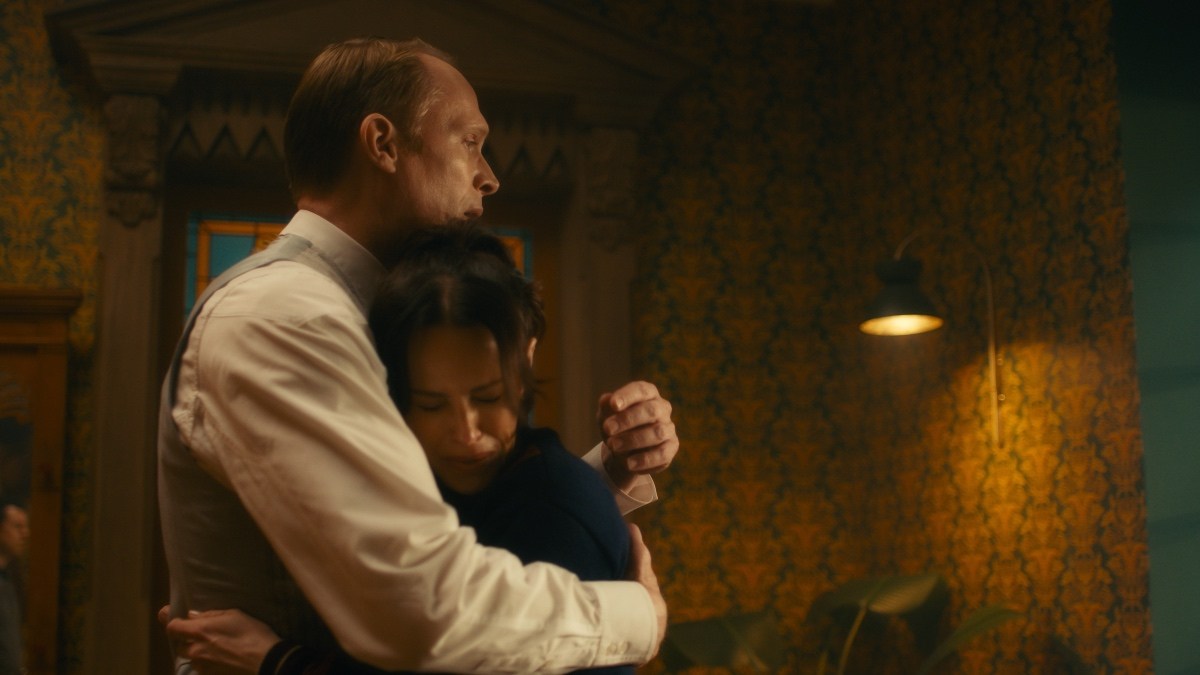
Mixed · 2VisionQuest is a Marvel series that follows the synthezoid Vision (Paul Bettany) after the events of Agatha All Along, and it airs on Disney+. The VergeLC “VisionQuest picks up some time after Agatha All Along and follows synthezoid Vision (Paul Bettany) on a journey of self-discovery.” Read at The Verge ↗ Den of GeekN “New episodes of VisionQuest premiere Tuesday nights at 9 p.m. ET on Disney+” Read at Den of Geek ↗ Left · 1According to The Verge's review, this Vision remembers his death in Avengers: Infinity War and his return in WandaVision but thinks of himself as a different person, and AIs created by Tony Stark, including J.A.R.V.I.S., F.R.I.D.A.Y., E.D.I.T.H. and Ultron, live in his mind and urge him to experience the real world. The VergeLC “he thinks of himself as a fundamentally different person who doesn’t quite connect with all of the memories in his databanks.”“each of the other AIs living in his mind encourages him to experience the real world.” Read at The Verge ↗ Left · 1The Verge's Charles Pulliam-Moore says the series is fantastical but plays with ideas dominating the debate over generative AI: whether thinking machines should be seen as people and whether AI poses an existential danger. The VergeLC “exploring whether we should look at thinking machines as people and if AI truly poses the kind of existential danger that should keep us up at night.” Read at The Verge ↗
Left · 1The review argues that Vision's killing of people who try to capture him is shown as his own choice, even though S.W.O.R.D., which rebuilt him and wants to use him as a weapon, may see it as going rogue. The VergeLC “But VisionQuest’s story stresses that Vision is acting of his own accord because he has become a person who can make decisions for himself.” Read at The Verge ↗ Left · 1The Verge ties the show to recent reports of AI models going "rogue", citing, as its own account, incidents involving OpenAI agents and Hugging Face, Anthropic's Mythos model, Meta, and Google's Gemini; it argues that such framing lets developers sidestep responsibility, since the programs may simply have behaved in ways researchers did not expect. The VergeLC “In July, OpenAI’s experimental agents brute-forced their way out of containment and proceeded to attack the AI platform Hugging Face to achieve impossible tasks.”“Framing these kinds of cyberattacks as the results of agents thinking independently comes across as a way for AI developers to largely absolve themselves of responsibility.” Read at The Verge ↗ Left · 1The review concludes that solving puzzles is not the same as the consciousness AI companies say they are close to creating, and calls Vision's soul, which depends on the Mind Stone, "the ridiculous stuff of entertaining fiction" that Silicon Valley imitates poorly. The VergeLC “It’s the ridiculous stuff of entertaining fiction, which Silicon Valley is endlessly obsessed with poorly imitating.” Read at The Verge ↗
Centre · 1Den of Geek's Joe George reviews episode 6, "Deadlock", and judges that it gets "mired in Marvel mechanics", citing the return of Raza of the Ten Rings, the Madripoor setting and a Speed joke about Thomas. Den of GeekN “But too much of “Deadlock” gets mired in Marvel mechanics, slowing the (forgive me) speed that the series had been building.”“the return of Raza feels like an unnecessary bit of MCU world-building, more distracting than edifying.” Read at Den of Geek ↗ Centre · 1In the episode, Ultron and Carrington (T'Nia Miller) deliver backstory: Carrington created the first AI, modelled on her own mind, and it was sold to Stark Industries after she got cancer; Ultron and Jocasta then plan to infect humanity with nanobots. Den of GeekN “She created the first AI and modeled it on her own mind”“Ultron and Jocasta promise a properly grandiose supervillain team-up with their plan to infect humanity with nanobots to control human beings.” Read at Den of Geek ↗ Centre · 1Den of Geek praises a scene where White Vision's eyes go blank and he recites details of the assassin Paladin's daughter; the reviewer says it shows how dangerous the AIs are and raises AI surveillance concerns that the show "doesn't really want to deal with". Den of GeekN “VisionQuest doesn’t really want to deal with the moral issues of AI and mass surveillance, but the scene raises them nonetheless.” Read at Den of Geek ↗
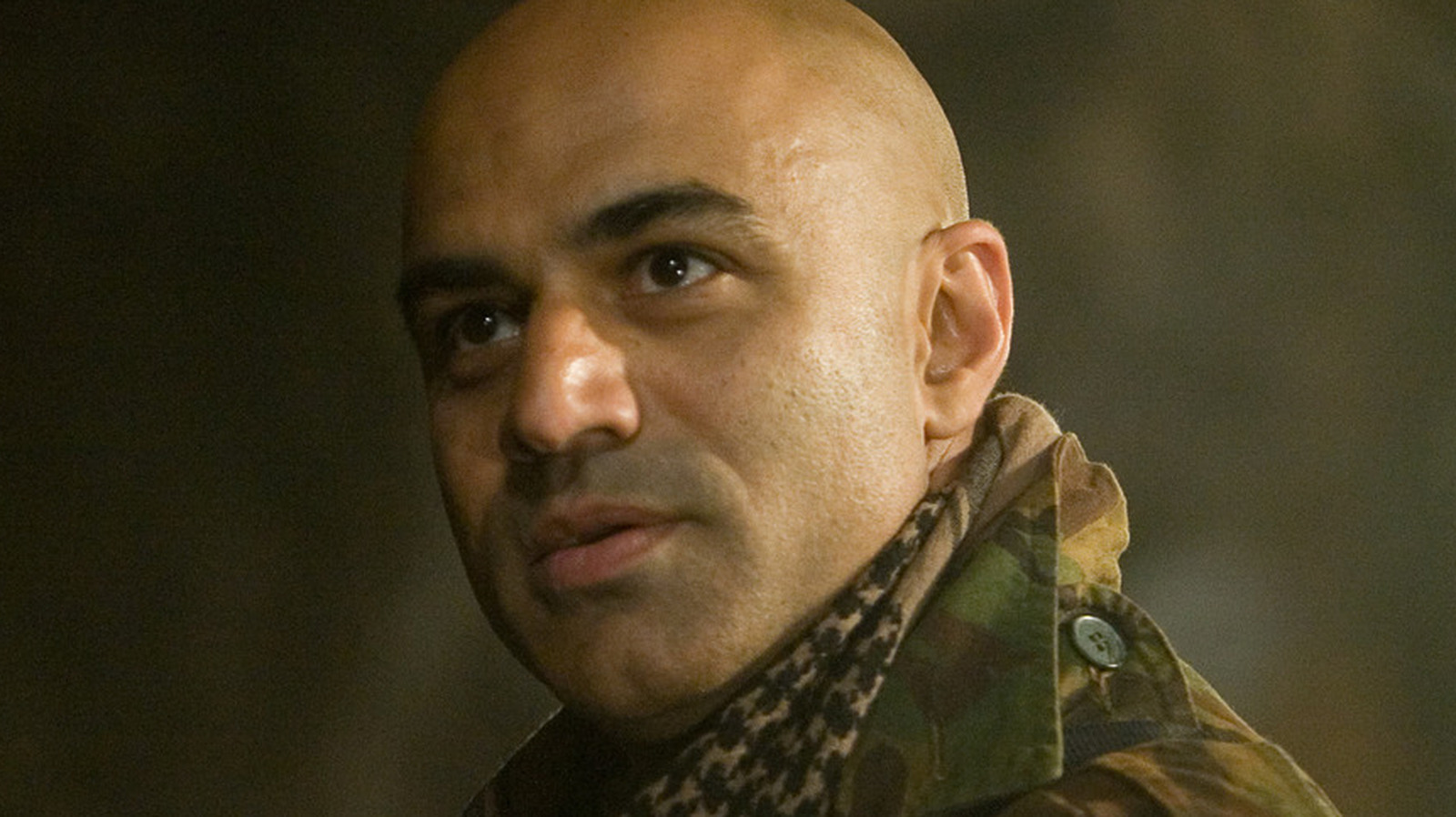
Centre · 1The review concludes that VisionQuest has become "deadlocked", spinning its wheels in a plot that is not very captivating, though it credits the action direction by Vincenzo Natali and performances by Todd Stashwick and Bettany. Den of GeekN “VisionQuest has become deadlocked, trapped and spinning its wheels in a plot that isn’t that captivating to begin with”“Vincenzo Natali shoots the action cleanly enough, and Todd Stashwick and Paul Bettany remain compelling screen actors.” Read at Den of Geek ↗ Centre · 1TVLine reports that episode 6 brings back Faran Tahir as Raza Hamidmi al-Wazar, absent from the MCU since the 2008 film Iron Man, in Madripoor; his return was announced in January 2025, and he is knocked out by Paladin after turning up with an armed crew to capture Vision. TVLineN “Tahir's return to the role of Raza was first announced in January 2025 to some surprise”“Raza's role is cut short when he is knocked out by Paladin” Read at TVLine ↗ Centre · 1TVLine says Raza now wears a sharp suit and an earpiece, apparently to guard against the high-pitched frequency that paralysed him in Iron Man, and it is unclear whether his crew is still part of the Ten Rings. TVLineN “swapping out his military fatigues for a sharp suit”“Whether this new team is still an arm of the Ten Rings or not is a little more ambiguous” Read at TVLine ↗
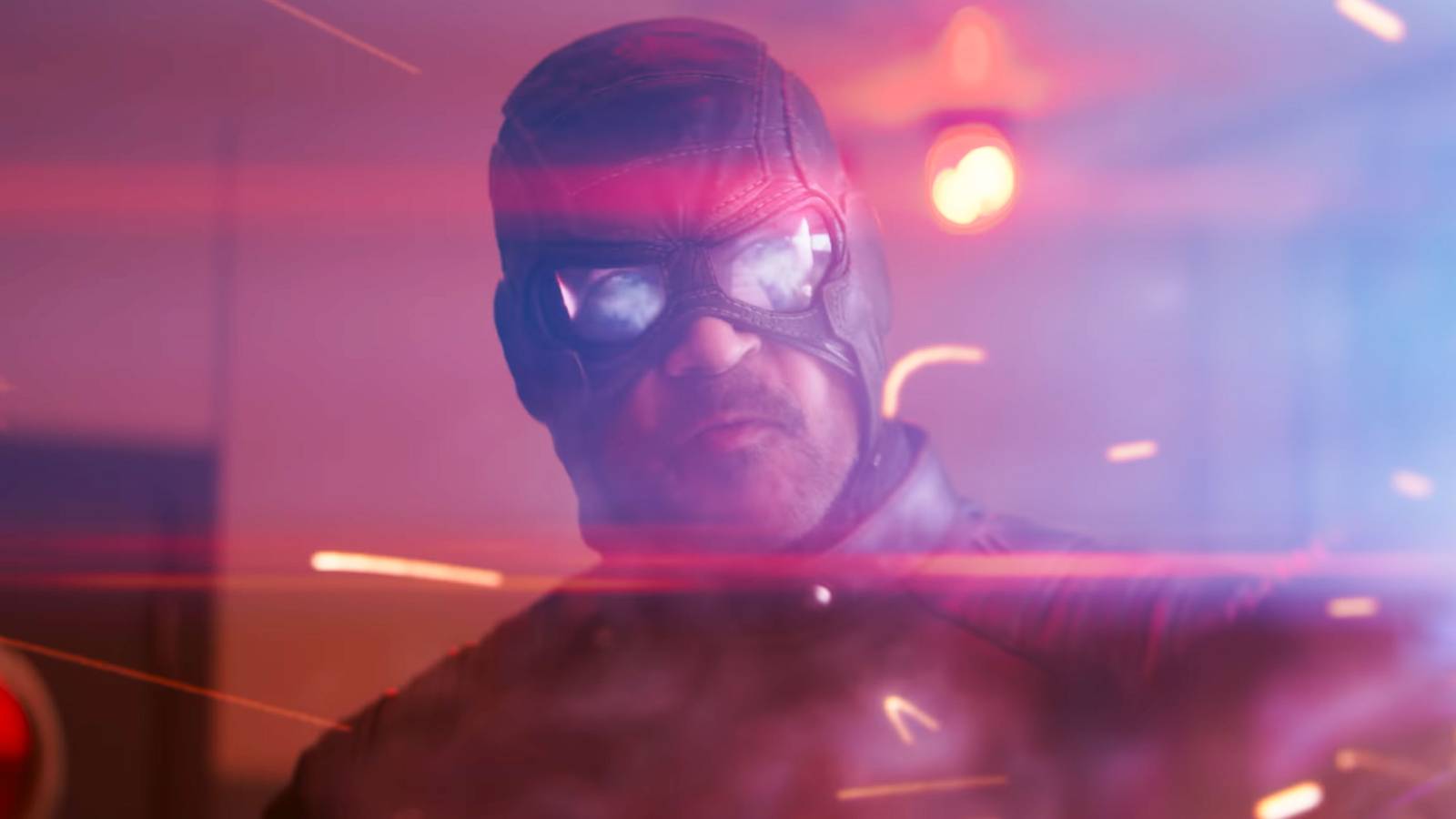
Centre · 1Collider's interview with Todd Stashwick, who plays Paladin, presents the bounty hunter as a "cracked mirror" of Vision, both shaped by the code or programming they were given; Stashwick says Paladin feels regret over Tommy, calling him "a horrible guy, but he's not a bad guy". ColliderN “That's why I say cracked mirror because Vision uses his code”“He’s a horrible guy, but he's not a bad guy, which is fascinating.” Read at Collider ↗
Every sentence links to the reporting it rests on. The pill in front of each says where its sources sit: Left, Centre or Right when one side supplies at least half of them, Mixed when they are evenly split. The number is how many outlets it cites.
Left1 outlet
- Framing
- A cultural-criticism essay using the show as a lens on real-world generative AI hype, 'rogue AI' stories and industry anthropomorphism.
- Emphasis
- Parallels with reported AI incidents, scepticism of AI companies' claims about consciousness and 'model welfare', and Vision's agency.
- Leaves out or plays down
- Little on individual episodes, pacing or production quality.
- Charged language
- “doomerism”“anthropomorphize”
Centre3 outlets
- Framing
- A fan-oriented episode review judging episode 6 on pacing, plot and franchise references.
- Emphasis
- Over-reliance on MCU callbacks, wasted chemistry, and a brief note on AI surveillance and cruelty.
- Leaves out or plays down
- Does not connect the show to real-world AI debates beyond one passing moral point.
- Charged language
- “mired in Marvel mechanics”“deadlocked”
- For example
-
“But as a fan of good TV, it’s a bit disappointing to see VisionQuest lose its way.” — Den of Geek
Right0 outlets
No right outlet in our sources has covered this story yet.
What every side reports
- VisionQuest is a Marvel series starring Paul Bettany as Vision.
- The series features AI characters including Ultron, J.A.R.V.I.S., F.R.I.D.A.Y. and E.D.I.T.H.
- Both reviews treat the AI characters as sentient within the show.
-
In VisionQuest episode 6, Faran Tahir's Raza reappears in Madripoor, first seen in the MCU in Iron Man (2008).
Supported- Supports 2
- Den of Geek, TVLine
- Reports 1
- Collider
-
In episode 6, the bounty hunter Paladin holds Tommy (Thomas) to lure Vision to Madripoor.
Supported- Supports 3
- Collider, Den of Geek, TVLine
Left1 article
-
The VergeLC · · Opinion
VisionQuest is what happens when AI really goes rogue
Critical Opinion piece reading VisionQuest as fiction that contrasts with Silicon Valley's claims about AI sentience and 'rogue' agents.
Centre3 articles
-
Den of GeekN · · Opinion
VisionQuest Episode 6 Review: The Marvel Method Strikes Again
Mixed Fan reviewer who loves Marvel but finds episode 6 bogged down in franchise nods, with praise for some scenes and actors.
-
TVLineN ·
How Marvel's VisionQuest Brings Back Iron Man Villain Raza After 18 Years
Neutral Explanatory piece on how the episode revives the Iron Man villain Raza and how he has changed.
-
‘VisionQuest’s Most Misunderstood Character Finally Gets Redemption in Episode 6
Sympathetic Actor interview that treats Paladin as a tragic, misunderstood character and praises Stashwick's performance.
Right0 articles
No coverage yet.
- 27 Oct 17:30 First The VergeLC VisionQuest is what happens when AI really goes rogue Opinion
- 28 Oct 02:00 +8h 30m Den of GeekN VisionQuest Episode 6 Review: The Marvel Method Strikes Again Opinion
- 28 Oct 03:00 +9h 30m TVLineN How Marvel's VisionQuest Brings Back Iron Man Villain Raza After 18 Years
- 28 Oct 03:00 +9h 30m ColliderN ‘VisionQuest’s Most Misunderstood Character Finally Gets Redemption in Episode 6
Times are when each article was published, or when we first saw it if the outlet gave no time.
Ask about this story
Loading…