Study: seabirds, native plants and rat removal may help atolls keep up with sea-level rise
A Science Advances study of 28 atoll islands found reef growth potential twice as high around rat-free, seabird-rich islands. The authors say restoration could help some atolls keep pace with sea-level rise at about 2°C of warming, but is no miracle solution.
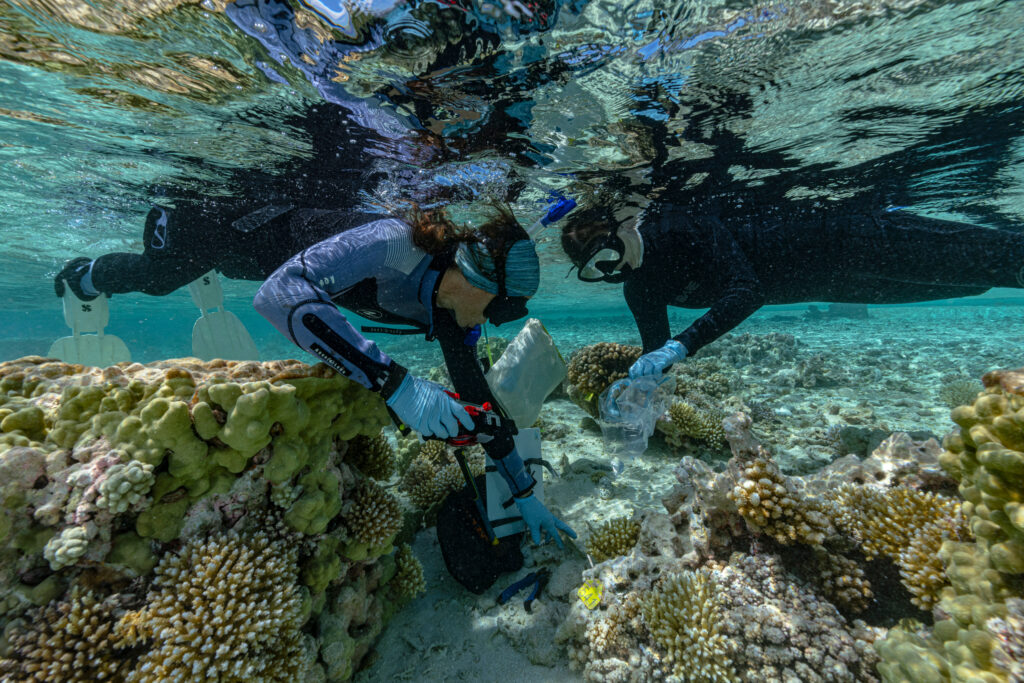
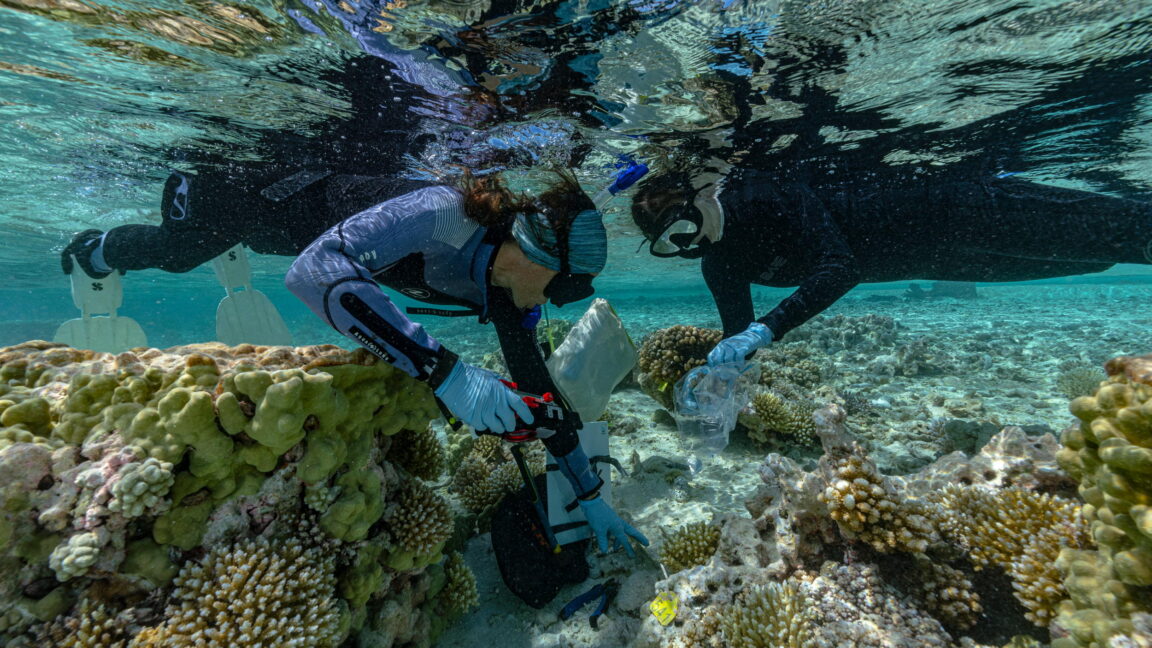
1 / 2
The story, neutrally told
Left · 2A study published Wednesday 14 October 2026 in Science Advances reports that restoring atoll ecosystems may help low-lying coral islands keep pace with rising seas. Inside Climate NewsLC “Their paper, published Wednesday in Science Advances, shows that restoring atoll ecosystems reinforces their growth.” Read at Inside Climate News ↗ Ars TechnicaLC “Their paper, published Wednesday in Science Advances, shows that restoring atoll ecosystems reinforces their growth.” Read at Ars Technica ↗ Left · 2An international team led by Nick Graham, a marine ecologist at Lancaster University in the UK, studied 28 atoll islands in the Pacific and Indian oceans, including islands in the Seychelles and Chagos archipelagos and Tetiaroa in French Polynesia. Inside Climate NewsLC “who led an international team of scientists that studied island resilience across 28 atoll islands in the Pacific and Indian oceans.” Read at Inside Climate News ↗ Ars TechnicaLC “The research included data from islands in the Seychelles and Chagos archipelagos in the Indian Ocean, and Tetiaroa, an atoll in French Polynesia in the Pacific Ocean.” Read at Ars Technica ↗ Left · 2Terrestrial ecologists, marine ecologists and geomorphologists combined measurements of seabird populations, native vegetation, and coral and reef organisms, using an approach called ecosystem energetics that treats energy flow as a common currency across organisms usually studied separately. Ars TechnicaLC “The scientific approach, called ecosystem energetics, uses energy flow as a common currency to connect organisms typically studied in isolation.” Read at Ars Technica ↗ Inside Climate NewsLC “Graham said terrestrial ecologists, marine ecologists and geomorphologists combined measurements of seabird populations, native vegetation and coral and reef organisms” Read at Inside Climate News ↗
Left · 1The proposed mechanism is a cycle: seabirds feed at sea and deposit nutrient-rich guano on the islands, which feeds land plants, marine life and coral growth. Parrotfish and other reef feeders turn dead coral into sand, and native plants with dense root networks stabilise the shallow soil, while coconut palms have small, unstable rootballs that leave soil prone to erosion. Ars TechnicaLC “Seabirds ferry nutrients from the open ocean and deposit them on the atolls as guano that nurtures land plants, marine life and coral growth.”“Coconut palms have small, unstable rootballs that leave the surrounding soil vulnerable to erosion.” Read at Ars Technica ↗ Left · 2The study measured "reef accretion potential" and found it twice as high on lagoonal and ocean-facing reefs around rat-free islands with abundant seabirds as around rat-infested islands. Co-author Casey Benkwitt, a restoration scientist with The Nature Conservancy, said that would be "sufficient to closely keep up with predicted sea-level rises to the end of the century under a 2 degree Celsius warming scenario", and that reef growth without seabirds is less likely to keep pace. Inside Climate NewsLC “showing it to be twice as high on lagoonal and ocean-facing reefs around rat-free islands with abundant seabirds as around rat-infested islands.” Read at Inside Climate News ↗ Ars TechnicaLC “Reef growth rates without seabird populations are less likely to keep pace with projected sea-level rise, she added.” Read at Ars Technica ↗ Left · 2Graham said eradicating rats, which were brought by colonisers and have devastated seabird colonies for centuries, and replacing coconut plantations with native forest and brush could give some atolls a "fighting chance" to persist at the sea-level rise expected late this century with about 2°C (3.6°F) of warming. Inside Climate NewsLC “could give some atolls a “fighting chance” to persist at the rate of sea-level rise expected toward the end of the century” Read at Inside Climate News ↗ Ars TechnicaLC “Restoring the nutrient cycle also means eliminating invasive rats brought by colonizers that have devastated seabird colonies for centuries.” Read at Ars Technica ↗
Left · 2Graham cautioned that the study is not a miracle solution. It did not make direct before-and-after restoration comparisons, the islands differed in seabird abundance and rat infestation (differences the team tried to smooth out with the energetics framework), and it focused on mostly uninhabited or sparsely populated islands. Inside Climate NewsLC “It didn’t make direct before-and-after restoration comparisons, and the data came from islands with different levels of seabird abundance and rat infestations” Read at Inside Climate News ↗ Ars TechnicaLC “The study also focused on mostly uninhabited or sparsely populated islands with room for native ecosystems.” Read at Ars Technica ↗ Left · 2Graham also noted that reef accretion does not always mean an atoll is growing vertically, because warming is changing waves, winds and currents that affect where material ends up, and that on developed atolls restoration can help but will not replace engineering solutions. Ars TechnicaLC “And reef accretion doesn’t always mean an atoll is growing vertically, because global warming is also changing waves, winds, and currents that affect where the material ends up.” Read at Ars Technica ↗ Inside Climate NewsLC “On developed atolls, he said, restoration efforts can help but won’t replace the need for engineering solutions.” Read at Inside Climate News ↗ Left · 2In a Science Advances Focus commentary, ecologist Hillary Young called the work a nearly complete loop from seabirds through native forests and reefs back to island building, and said atoll land and sea cannot be managed separately. Young added that local conservation can influence physical resilience but that rapid cuts in greenhouse-gas emissions remain essential to the systems' long-term viability. Ars TechnicaLC “Quantifying the loop provides “much-needed evidence that the fate of an atoll cannot be understood or managed by treating its land and sea separately,” she wrote.” Read at Ars Technica ↗ Inside Climate NewsLC ““rapid reductions in greenhouse-gas emissions remain essential to long-term viability of these systems.”” Read at Inside Climate News ↗
Left · 2Context cited in the coverage: a 2026 study of 288 reef core growth records found most reefs kept pace with rising seas, though that capacity varied by location and is not guaranteed at the current rate of warming. Inside Climate NewsLC “A 2026 study of 288 reef core growth records found that most kept pace with rising seas, although that capacity varied by location and is not guaranteed at the current rate of warming.” Read at Inside Climate News ↗ Ars TechnicaLC “A 2026 study of 288 reef core growth records found that most kept pace with rising seas” Read at Ars Technica ↗
Every sentence links to the reporting it rests on. The pill in front of each says where its sources sit: Left, Centre or Right when one side supplies at least half of them, Mixed when they are evenly split. The number is how many outlets it cites.
Left2 outlets
- Framing
- Both pieces are the same article by Bob Berwyn: Inside Climate News published it first, and Ars Technica republished it with a note that it originally appeared on Inside Climate News. The story is framed as a hopeful nature-based solution, led by the idea that healthy ecosystems are a 'potential superpower' for atolls.
- Emphasis
- The seabird–vegetation–reef 'virtuous cycle', rat eradication and replacing coconut plantations, and Graham's and Benkwitt's quotes on keeping pace at 2°C of warming; the caveats come later in the text.
- Leaves out or plays down
- No outlet-independent reporting, no voices from atoll communities or governments, and no sceptical outside scientists beyond the study's authors and commentator.
- Charged language
- “potential superpower”“fighting chance”“virtuous cycle”
- For example
-
“but many have a potential superpower: Healthy ecosystems may help them keep pace with rising seas.” — Inside Climate News
“This story originally appeared on Inside Climate News.” — Ars Technica
Centre0 outlets
No centre outlet in our sources has covered this story yet.
Right0 outlets
No right outlet in our sources has covered this story yet.
What every side reports
- The study was published in Science Advances on 14 October 2026 and covered 28 atoll islands in the Pacific and Indian oceans.
- Reef accretion potential was twice as high around rat-free, seabird-rich islands.
- The lead researcher cautioned that the study is not a miracle solution and that engineering remains needed on developed atolls.
- Emission cuts remain essential, according to commentary by Hillary Young.
Atoll islands and sea level rise topic
The topic is presented as one where healthy atoll ecosystems may help islands build up as seas rise, while the researchers stress limits and the continuing need for emissions cuts.
“Graham cautioned that the study doesn’t imply a miracle solution for global warming impacts to low-lying islands.” — Inside Climate News
“Local conservation can influence physical resilience to rising seas, but, she wrote,” — Ars Technica
Left2 articles
-
How Rewilding Could Help Atoll Islands Keep Pace With Rising Seas
Sympathetic Original Inside Climate News report presenting ecosystem restoration as a promising way for atolls to keep pace with sea-level rise, with caveats from the lead author.
-
Rewilding could help vulnerable islands keep pace with rising seas
Sympathetic Ars Technica republication of the Inside Climate News piece, with a shorter headline and a seabirds-and-coral standfirst, and the same hopeful-but-caveated framing.
Centre0 articles
No coverage yet.
Right0 articles
No coverage yet.
- 14 Oct 19:05 First Inside Climate NewsLC How Rewilding Could Help Atoll Islands Keep Pace With Rising Seas
- 15 Oct 16:05 +21h 1m Ars TechnicaLC Rewilding could help vulnerable islands keep pace with rising seas
Times are when each article was published, or when we first saw it if the outlet gave no time.
Ask about this story
Loading…