Martian meteorite found in Sahara dated to at least 4.1 billion years old
A study in Science says the meteorite Teghaza 001, found in Mali in 2022, is a piece of Martian crust at least 4.1 billion years old, making it perhaps the oldest known Martian meteorite and evidence of water on early Mars.
Updated (version 4). New coverage since the last version from Daily Mirror, Wired.
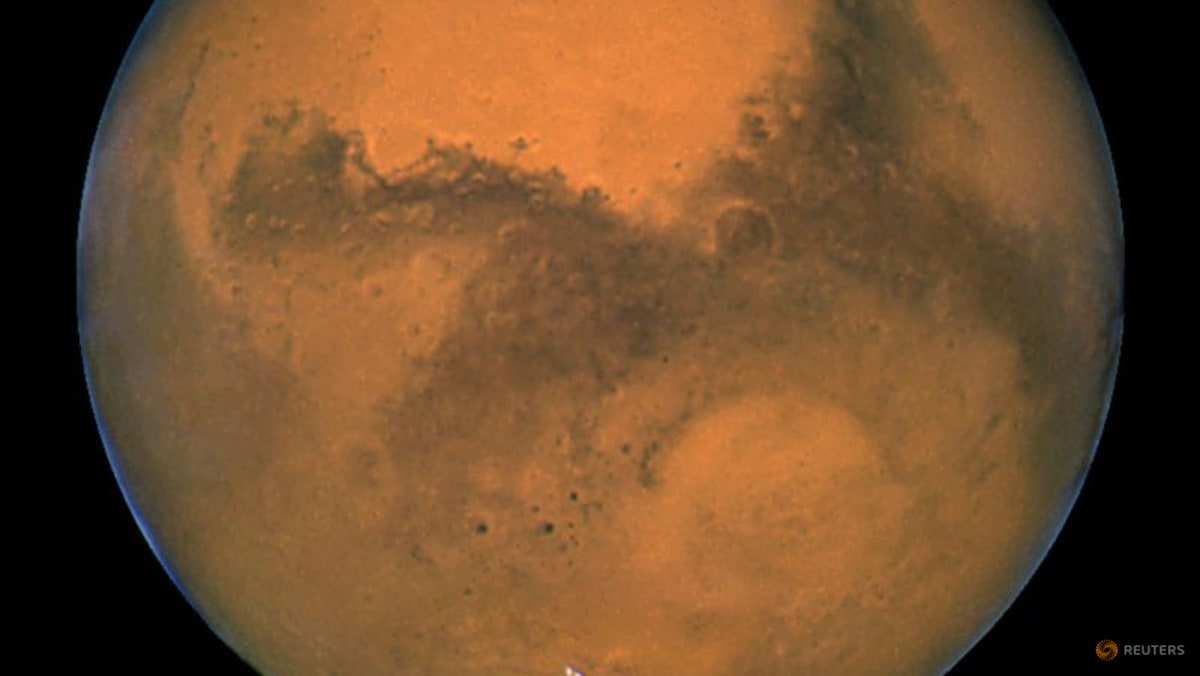
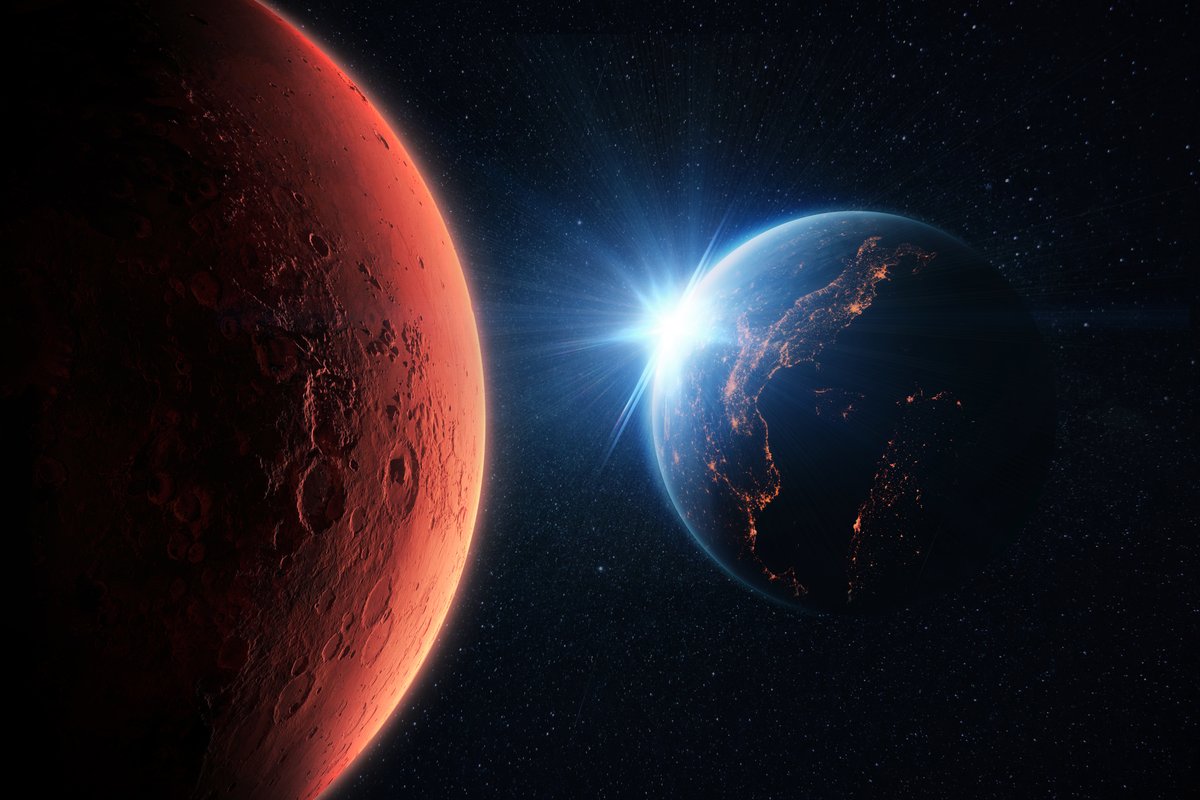
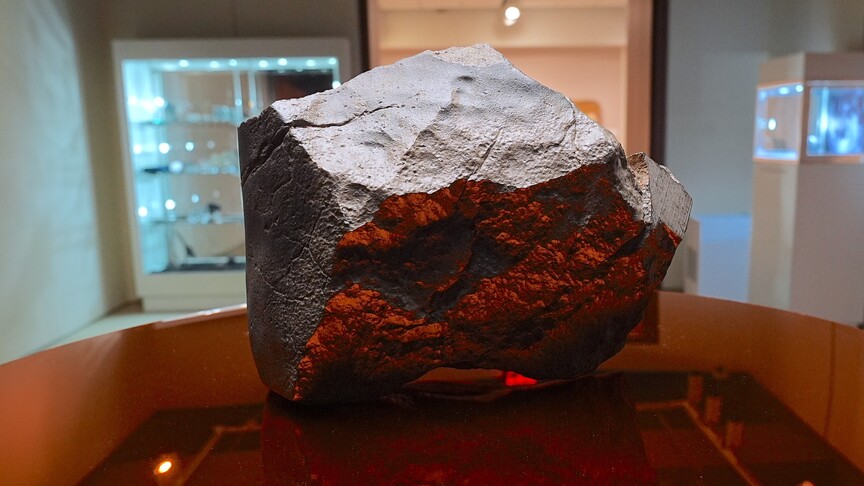
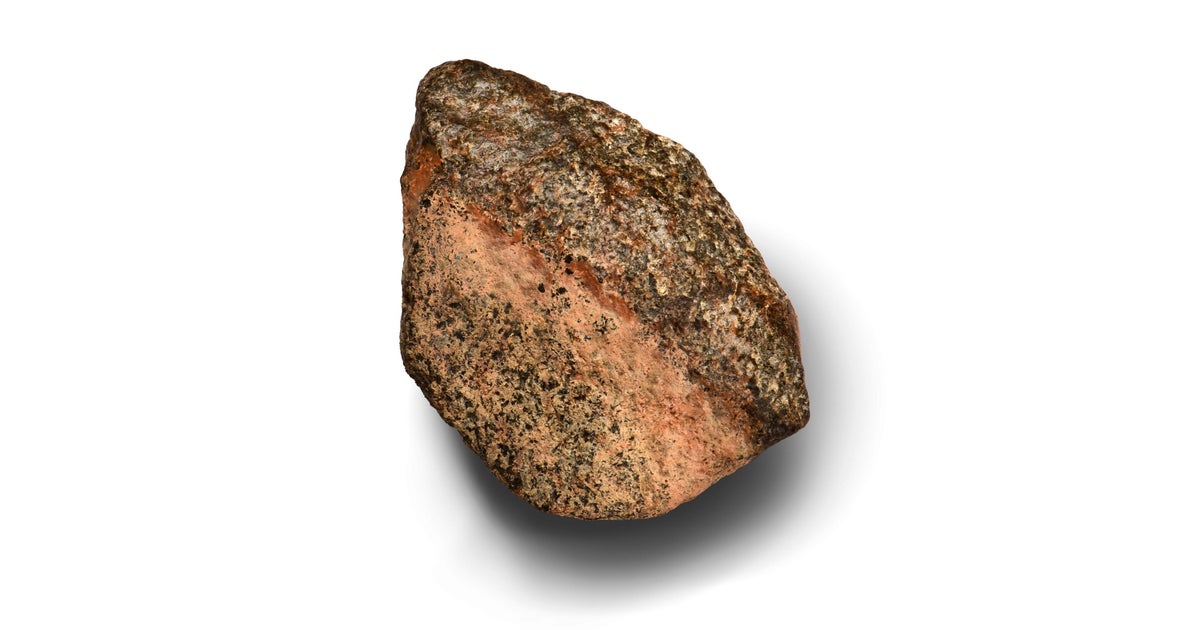


1 / 8
The story, neutrally told
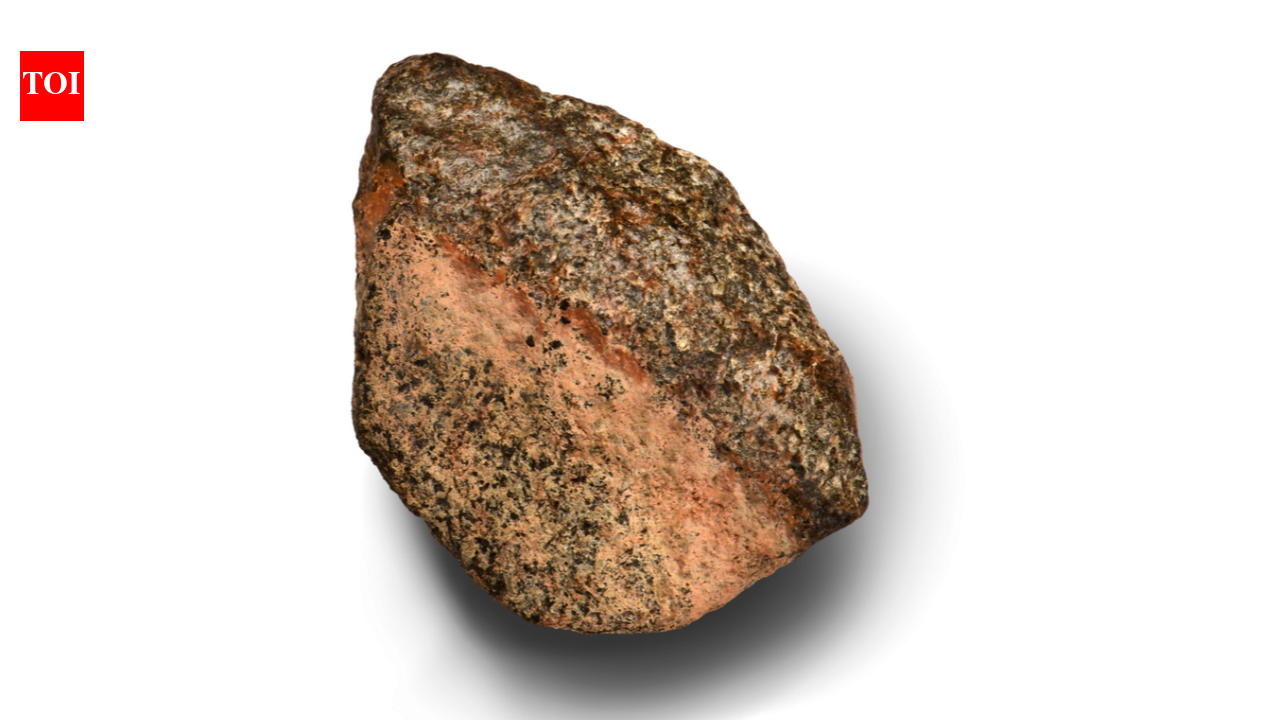
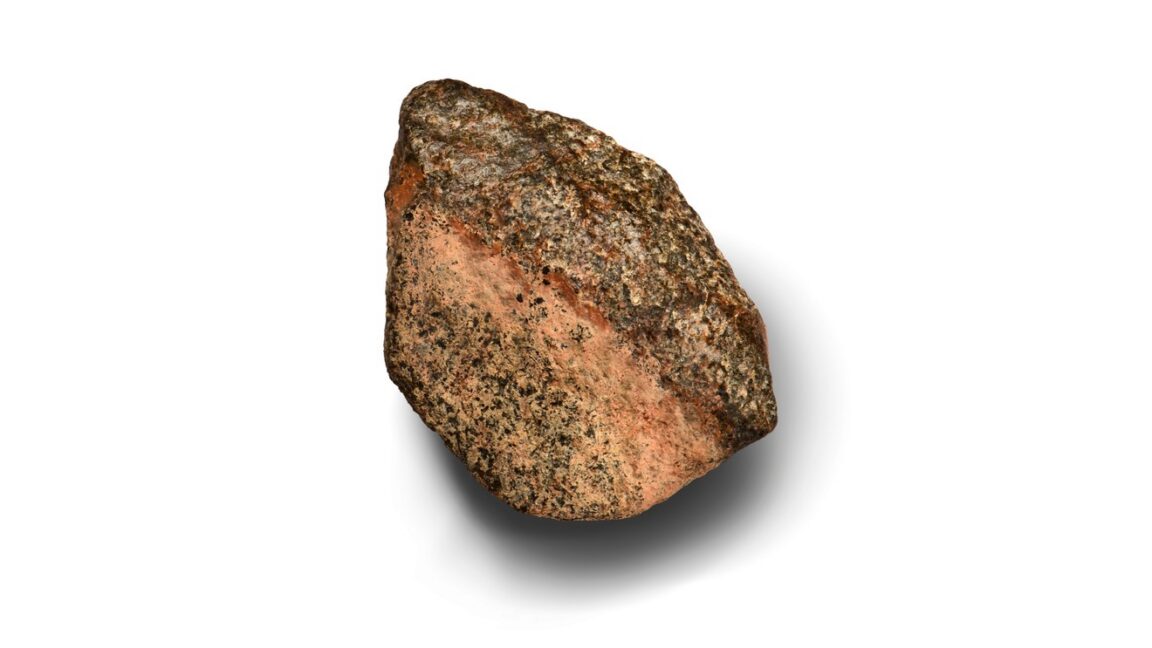
Mixed · 2A meteorite found in 2022 in the Sahara in Mali, called Teghaza 001, formed in the Martian crust at least 4.1 billion years ago, according to a study published in the journal Science on 29 October. CNAN “A meteorite found in 2022 in the Sahara in Mali formed in the Martian crust at least 4.1 billion years ago, according to scientists” Read at CNA ↗ Scientific AmericanLC “The new paper, published today in Science, identifies it as a piece of Mars’s crust that’s at least 4.1 billion years old” Read at Scientific American ↗ Mixed · 2Scientific American calls it the oldest Martian meteorite ever found, while CNA says it is perhaps the oldest of the 435 meteorites from Mars known on Earth. Scientific AmericanLC “Now new research reveals it’s the oldest ever found” Read at Scientific American ↗ CNAN “perhaps the oldest of the 435 meteorites from Mars known on Earth” Read at CNA ↗ Mixed · 2The rock was found in eight pieces, the largest about the size of a fist, in the desert roughly 21 miles (34 km) from the Malian village of Bir Chali; Scientific American says nomadic meteorite hunters discovered it. CNAN “Teghaza 001 was discovered in eight pieces, with the largest chunk about the size of a fist, in the desert roughly 21 miles (34 km) from the Malian village of Bir Chali.” Read at CNA ↗ Scientific AmericanLC “a group of nomadic meteorite hunters discovered a strange stone in the Sahara Desert” Read at Scientific American ↗
Left · 1Ars Technica says the eight stones, just under 800 grams in total, were bought through the desert meteorite trade by a private collector who sent a piece to the University of New Mexico, where Carl Agee and Karen Ziegler measured its oxygen isotopes. Ars TechnicaLC “Its eight stones, weighing just under 800 grams in total, were bought by a private collector” Read at Ars Technica ↗ Mixed · 2Anadolu Agency and CBS News put the meteorite's mass at about 800 grams (nearly two pounds) and say it is named after the Teghaza salt plain in Mali where it was found; both attribute the details to a NASA news release. Anadolu AgencyN “an approximately 800-gram (1.8-pound) meteorite found in the Sahara Desert” Read at Anadolu Agency ↗ CBS NewsLC “It was named Teghaza 001, after the salt plain where it was discovered, NASA said in a news release.” Read at CBS News ↗ Mixed · 2It is an igneous rock, a coarse-grained gabbro made mainly of feldspar and pyroxene, that cooled slowly from magma; it contains zircon crystals with uranium, and the team dated it from the decay of uranium into lead. CNAN “Its main minerals are feldspar and pyroxene, and it contains zircon crystals bearing the element uranium.” Read at CNA ↗ Scientific AmericanLC “Teghaza, they found, is an igneous rock that formed from slowly-cooled magma and was once a piece of the planet’s crust.” Read at Scientific American ↗
Mixed · 2Researchers at the University of New Mexico first identified Teghaza 001 as Martian from its oxygen isotopes, as a likely shergottite; Liu then noticed unusual textures and zircon crystals, and Francois Tissot of Caltech applied an in-situ rubidium-strontium dating method that analyses single mineral grains from a fragment smaller than a fingernail, leaving most of the rock for future study. Anadolu AgencyN “Researchers at the University of New Mexico initially identified Teghaza 001 as Martian by analyzing its oxygen isotopes”“in-situ rubidium-strontium dating technique developed by his team” Read at Anadolu Agency ↗ CBS NewsLC “a pioneering age-dating method that studied a piece of meteorite smaller than a fingernail” Read at CBS News ↗ Mixed · 2Lead author Yang Liu of NASA's Jet Propulsion Laboratory said the chemistry points to the southern highlands, possibly near the Hellas Basin, though Scientific American's expert source Anya Udry of the University of Nevada, Las Vegas, who was not involved, noted that its exact origin is not known. CNAN “It may have originated in the southern highlands, possibly from near Hellas Basin, one of the largest Martian impact craters, Liu said.” Read at CNA ↗ Scientific AmericanLC “this meteorite is really cool, but we don’t know exactly where it came from” Read at Scientific American ↗ Mixed · 2Ars Technica adds that the team compared the rock's chemistry with orbital maps and suggests it most likely came from the southern highlands northwest of the Hellas basin, while The Times of India says the comparison with Mars Reconnaissance Orbiter data identified 13 possible source locations and that none can yet be singled out. Ars TechnicaLC “the team suggests it most likely came from the southern highlands, northwest of the giant Hellas impact basin” Read at Ars Technica ↗ The Times of IndiaN “identified 13 possible locations on the planet that could match the meteorite” Read at The Times of India ↗
Mixed · 2The researchers say the meteorite shows interaction with water as it cooled, and that oxygen and hydrogen isotopes indicate water percolating into the deeper crust and mixing with mantle magma, evidence that Mars's surface had water more than 4.1 billion years ago. CNAN “Isotopes, or forms, of the elements oxygen and hydrogen present in the meteorite show that water was percolating down into the planet's deeper crust” Read at CNA ↗ Scientific AmericanLC “some of the minerals in the meteorite have been aqueously altered—a sign that liquid water once percolated through Mars’s ancient mantle and crust” Read at Scientific American ↗ Left · 1Wired, in a piece translated from its Spanish edition, adds that tiny apatite crystals in the rock preserve two hydrogen signatures, one from Mars's interior and one linked to its ancient hydrosphere, and that the rock dates from about 500 million years after the solar system formed, so the exchange between deep magma and a watery surface happened very early. WiredLC “Tiny crystals of a mineral called apatite preserves signatures of two sources of hydrogen: one originating from the interior of Mars and the other related to its ancient hydrosphere.”“Since the rock comes from just about 500 million years after Mars and the rest of our solar system formed, this volatility occurred very early in the planet's existence.” Read at Wired ↗ Left · 1Scientific American adds that trapped hydrogen shows Mars was already losing most of its atmosphere and cooling when the rock formed, and that the findings suggest the Martian mantle is more heterogeneous and complex than many scientists assumed. Scientific AmericanLC “the planet was already well on its way to losing most of its atmosphere, growing cold and transitioning to its current freeze-dried state”“Mars’s mantle is likely more heterogeneous and complex than many planetary scientists have long assumed” Read at Scientific American ↗
Left · 1Ars Technica reports that the 4.1 billion-year figure marks the rock's last soaking by hot water, so its crystallization age would be older; zircon grains gave about 4.11 billion years, and phosphate minerals and rubidium-strontium dating gave similar ages. Ars TechnicaLC “So 4.1 billion years marks its last soaking, the youngest of what were probably several alteration events.”“Zircon grains gave about 4.11 billion years.” Read at Ars Technica ↗ Left · 1Ars Technica also says the rock is unusually rich in oxygen-18, which the team reads as magma that swallowed crust already altered by surface water or reacted with such fluids, and that the magma's source in a garnet-bearing mantle deeper than 160 kilometres matches none of the mantle reservoirs inferred from other meteorites. Ars TechnicaLC “Teghaza 001 is also unusually rich in oxygen-18, a heavier form of oxygen”“Teghaza 001’s source does not match any of them.” Read at Ars Technica ↗ Centre · 1Co-author Lee Saper of NASA's Ames Research Center said the findings support the idea that early Mars had the ingredients and conditions to harbour life but do not directly answer whether life existed there. CNAN “do not directly answer the question of whether there was life on Mars” Read at CNA ↗
Left · 1Saper called it "our first piece of Martian crust from a part of Mars we've never had a sample of before", and said it "records interactions of water and rock and maybe even an imprint of the Martian atmosphere as it was losing water"; NASA also said the data suggest early Mars had a more dynamic water cycle than previously believed. CBS NewsLC “"This is really our first piece of Martian crust from a part of Mars we've never had a sample of before,"”“The data also showed that early Mars may have had a more dynamic water cycle than scientists previously believed.” Read at CBS News ↗ Mixed · 2Only three Martian meteorites, including Teghaza 001, date to the planet's early history; the other intact ancient sample, found in Antarctica in 1984, was once assessed at about 4.5 billion years old but is now thought to be of similar age, and Teghaza 001 is likely the older, by about 10 million years according to Scientific American. CNAN “Only three Martian meteorites, including Teghaza 001, date to the planet's early history.”“Teghaza 001 likely is the older of the two, according to the new study.” Read at CNA ↗ Scientific AmericanLC “is just 10 million years younger than Teghaza” Read at Scientific American ↗ Left · 1Ars Technica notes that the three main classes of Martian meteorites are all 2.4 billion years old or younger, and Liu attributes the scarcity of old samples partly to the launch impact acting as a filter that weak rocks do not survive; it names the two other ancient meteorites as Allan Hills 84001 and Black Beauty. Ars TechnicaLC “are all 2.4 billion years old or younger”“So the natural impact already acts as a filter. Weak rocks do not make it off Mars.” Read at Ars Technica ↗
Mixed · 2Anadolu Agency and CBS News describe Teghaza 001 as one of the three most ancient Martian meteorites; Anadolu names the others as ALH84001, of similar age, and "Black Beauty", which formed about 2.1 billion years ago. Anadolu AgencyN “Teghaza 001 is among the three most ancient Martian meteorites found on Earth.” Read at Anadolu Agency ↗ CBS NewsLC “making it one of the three most ancient Martian meteorites found on Earth, NASA said” Read at CBS News ↗ Centre · 1It is not known when the rock landed on Earth; Liu said it was blasted off Mars by an impact and drifted through space until its path crossed Earth's. CNAN “We do not know when the sample landed on Earth.” Read at CNA ↗ Left · 1Udry said the meteorite shows why samples should be brought back from Mars, and Liu said her team has only scratched the surface of what it may reveal. Scientific AmericanLC “this is really another example of why we need to bring back samples”“has only scratched the surface” Read at Scientific American ↗
Centre · 1A separate study in Science Advances in June examined the meteorite's water content and what it implies for early Mars's surface, and a reviewer of the Science paper called the rock a "Rosetta Stone for Mars", according to Liu. Anadolu AgencyN “A separate study published in Science Advances in June examined the meteorite's water content”“One of the paper's reviewers called it a Rosetta Stone for Mars.” Read at Anadolu Agency ↗ Left · 2The Daily Mirror, on 4 November, repeats the NASA-funded study's main points, including the 13 possible source locations, calling the stone a "mysterious pink rock" that is one of the three oldest known Martian meteorites; Wired says the findings come from studies in both Science and Science Advances. Daily MirrorL “they have identified 13 possible locations matching its characteristics” Read at Daily Mirror ↗ WiredLC “a series of studies published in the journals Science and Science Advances revealed that Teghaza 001 is not like other samples” Read at Wired ↗
Every sentence links to the reporting it rests on. The pill in front of each says where its sources sit: Left, Centre or Right when one side supplies at least half of them, Mixed when they are evenly split. The number is how many outlets it cites.
Left5 outlets
- Framing
- Scientific American runs a science feature on the rock as a 'Rosetta stone' for Mars's watery past, with an outside expert's caution; CBS News gives a short news summary built on NASA's release; Ars Technica gives the most technical account, with Liu's interview quotes on dating, water and mantle structure.
- Emphasis
- SciAm: zircon discovery, Mars-Earth comparison, sample return. CBS: NASA's determination, rose-colored rock, 'Rosetta Stone' quote, dynamic water cycle. Ars: why old Martian meteorites are rare, multiple dating methods, oxygen-18, mantle complexity, sample return from Perseverance.
- Leaves out or plays down
- Neither SciAm nor CBS gives Saper's caveat that life is not proven; SciAm omits the 435 count and the find location in Mali; CBS has no independent expert; Ars does not cite the 435 count.
- For example
-
““It’s actually more dynamic and more active than we thought,” Liu said.” — Ars Technica
Centre3 outlets
- Framing
- CNA and Anadolu Agency report the Science study straight, leading with the age and what it says about water and early Mars; Anadolu credits NASA/JPL and frames it as a Mali discovery; The Times of India writes an explainer from NASA's report, with a 'pink rock' hook and the unresolved birthplace.
- Emphasis
- Rock type, discovery details, Liu and Saper quotes, caution that life is not proven (CNA); dating method, Black Beauty comparison, June study (Anadolu); fingernail-sized sample, 13 candidate source sites, Saper's quote (Times of India).
- Leaves out or plays down
- None includes an independent outside expert or the call for sample return.
- Charged language
- “pink Martian rock”
- For example
-
“Scientists still do not know its exact birthplace” — The Times of India
Right0 outlets
No right outlet in our sources has covered this story yet.
What every side reports
- Teghaza 001 was found in the Sahara in 2022.
- It formed in the Martian crust at least 4.1 billion years ago, per a study in Science.
- Yang Liu of NASA's Jet Propulsion Laboratory is lead author.
- It shows evidence of water on early Mars.
- It is an igneous rock containing zircons used for dating.
Where accounts differ
-
Whether it is the oldest Martian meteorite
- Left
- Scientific American says it is the oldest ever found.
- Centre
- CNA says it is 'perhaps' the oldest of 435 known.
-
Teghaza 001 formed in the Martian crust at least 4.1 billion years ago.
Supported- Supports 7
- Ars Technica, CBS News, Daily Mirror, Scientific American, Anadolu Agency, CNA, The Times of India
-
The meteorite shows Mars's surface had liquid water more than 4.1 billion years ago.
Supported- Supports 8
- Ars Technica, CBS News, Daily Mirror, Scientific American, Wired, Anadolu Agency, CNA, The Times of India
-
Teghaza 001 is one of roughly 435 known Martian meteorites.
Reported- Reports 6
- CBS News, Daily Mirror, Scientific American, Anadolu Agency, CNA, The Times of India
-
The meteorite's chemistry matches Mars's southern highlands.
Reported- Reports 6
- Ars Technica, Daily Mirror, Scientific American, Anadolu Agency, CNA, The Times of India
Teghaza 001 other
Presented as a 4.1-billion-year-old piece of Martian crust, distinct from other known Martian meteorites, that records early water on Mars.
“Teghaza 001's chemistry shows it is distinct from the other known Martian meteorites.” — CNA
“a piece of Mars that’s so ancient, it existed when life had just started on Earth” — Scientific American
Left5 articles
-
Oldest known Mars rock is a ‘Rosetta stone’ for the Red Planet’s watery past
Celebratory Enthusiastic feature presenting the find as a key to Mars's and Earth's early history.
-
Meteorite found in the Sahara Desert turns out to be piece of Mars
Neutral Short explainer based on NASA's release, headlined as a Sahara rock that 'turns out to be piece of Mars'.
-
Rare meteorite from Mars gives us a view into its ancient crust
Neutral Detailed science explainer built on interview quotes from Yang Liu, covering dating, water and mantle findings and the limits of the evidence.
-
WiredLC ·
Ancient Meteorite Found in the Sahara Holds Secrets About Mars’ Watery Past
Neutral Wired frames the rock as a surprising window on Mars's watery past, noting that the Sahara is a natural archive of Earth and solar-system history.
Show 1 moreShow fewer
-
Mysterious pink rock discovered in the Sahara Desert identified as Martian meteorite
Sympathetic The Daily Mirror leads with a 'mysterious pink rock' hook and a short summary of NASA's release, relying on Liu and Saper quotes.
Centre3 articles
-
CNAN ·
Martian meteorite found in the Sahara is 4.1 billion years old
Neutral Plain report of the study's findings with direct quotes and a caveat on life.
-
Ancient Martian meteorite discovered in Mali formed over 4.1 billion years ago: Study
Neutral Agency-style report of the Science study, sourced to NASA/JPL, stressing dating method and Mars's water history.
-
NASA-funded study reveals 4.1-billion-year-old history of pink Martian rock found in Sahara
Neutral Explainer relaying NASA's report, with a human-interest hook about an ordinary-looking 'pink' rock and attention to the unknown birthplace.
Right0 articles
No coverage yet.
- 29 Oct 18:00 First Scientific AmericanLC Oldest known Mars rock is a ‘Rosetta stone’ for the Red Planet’s watery past
- 29 Oct 18:02 +3m CNAN Martian meteorite found in the Sahara is 4.1 billion years old
- 30 Oct 04:14 +10h 15m Anadolu AgencyN Ancient Martian meteorite discovered in Mali formed over 4.1 billion years ago: Study
- 30 Oct 15:09 +21h 9m CBS NewsLC Meteorite found in the Sahara Desert turns out to be piece of Mars
- 30 Oct 18:13 +24h 14m Ars TechnicaLC Rare meteorite from Mars gives us a view into its ancient crust
- 31 Oct 16:34 +46h 34m The Times of IndiaN NASA-funded study reveals 4.1-billion-year-old history of pink Martian rock found in Sahara
- 3 Nov 10:15 +112h 15m WiredLC Ancient Meteorite Found in the Sahara Holds Secrets About Mars’ Watery Past
- 4 Nov 15:22 +141h 23m Daily MirrorL Mysterious pink rock discovered in the Sahara Desert identified as Martian meteorite
Times are when each article was published, or when we first saw it if the outlet gave no time.
Ask about this story
Loading…