AfD's Tobias Rausch elected Saxony-Anhalt parliament speaker with BSW and other votes
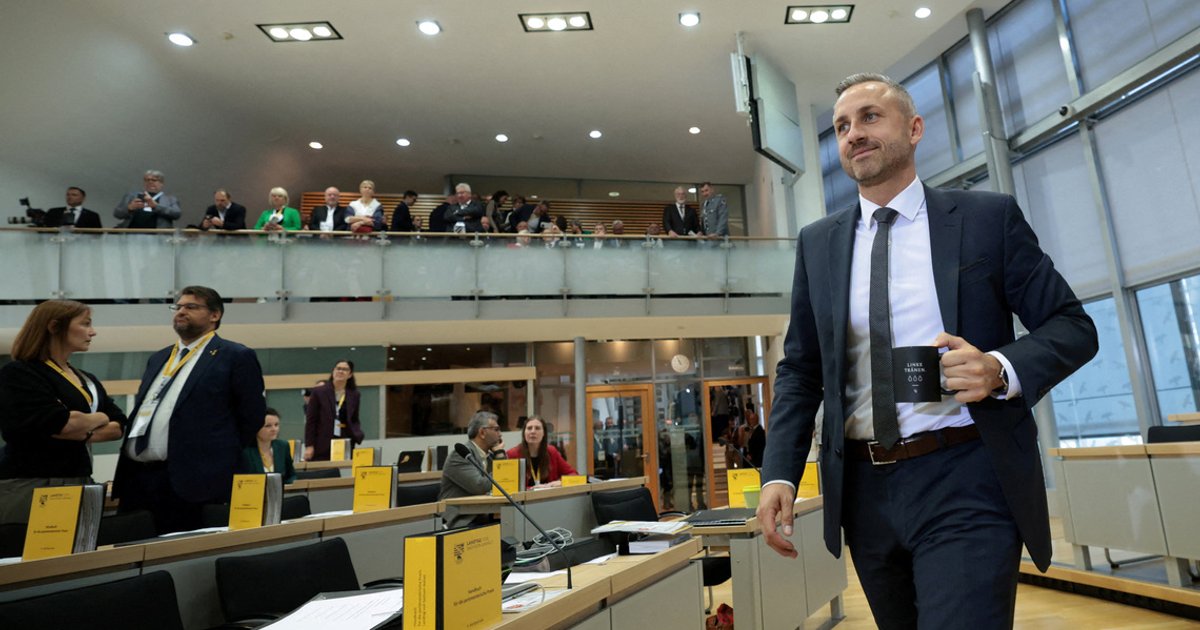
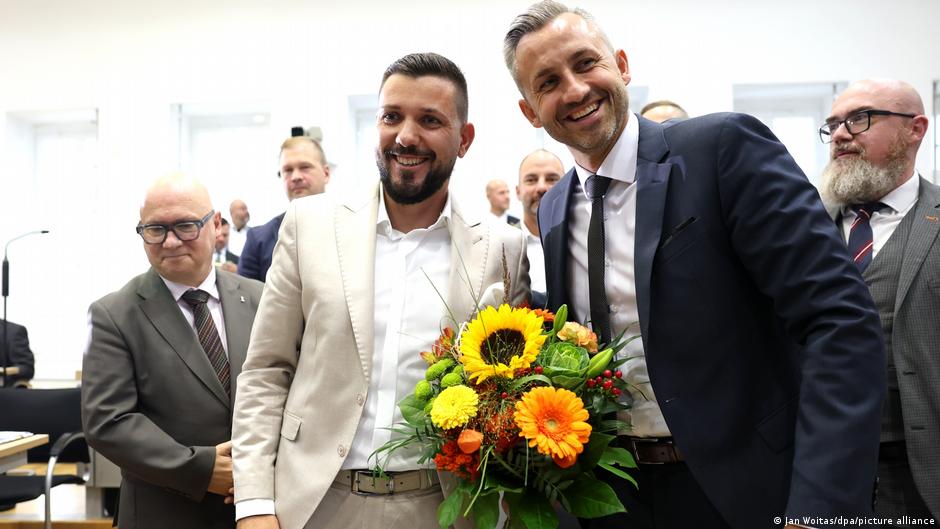
At the first session of Saxony-Anhalt's new state parliament on 6 October 2026, AfD nominee Tobias Rausch was elected speaker, the first AfD member to hold the post in a German state. The AfD still has no clear path to forming a state government.
1 / 3
The story, neutrally told
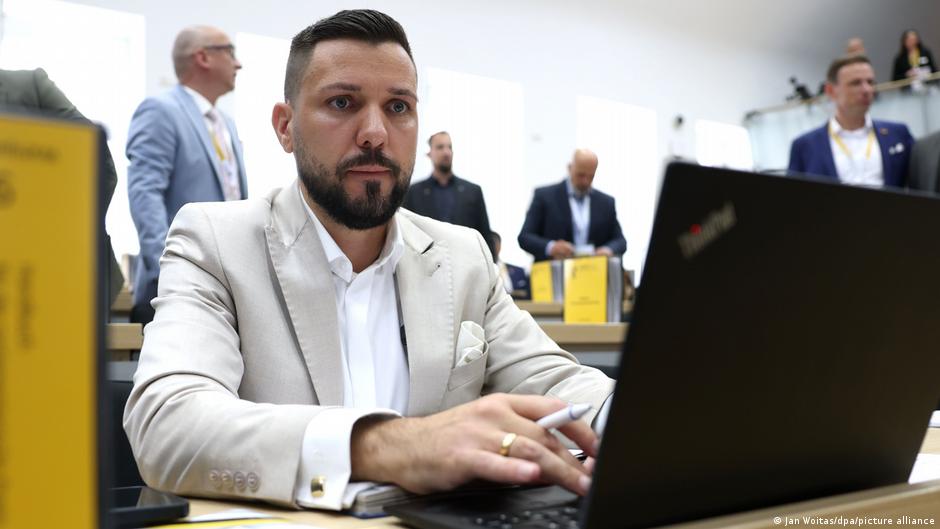
Mixed · 2Tobias Rausch, the AfD's nominee, was elected speaker of Saxony-Anhalt's state parliament at its first session on Tuesday 6 October 2026, with the help of the BSW party. Deutsche WelleN “has been elected with the help of the populist BSW party.” Read at Deutsche Welle ↗ The Straits TimesRC “was elected president of the state parliament with support from the left-wing populist BSW” Read at The Straits Times ↗ Mixed · 2Rausch won 48 votes in a secret ballot; DW reports five abstentions and 82 eligible votes. Deutsche WelleN “Rausch gained 48 votes from 82 eligible votes. There were five abstentions.” Read at Deutsche Welle ↗ The Straits TimesRC “In Tuesday's secret ballot to become state parliament leader, Rausch secured 48 votes” Read at The Straits Times ↗ Mixed · 2The AfD holds 39 seats and the BSW five, which is 44 votes, so Rausch must have drawn support from at least four lawmakers of other parties, even though those parties reject working with the AfD under the "firewall" policy. Deutsche WelleN “The result means that member of parties besides the AfD and BSW voted for him.” Read at Deutsche Welle ↗ The Straits TimesRC “also from at least four other lawmakers” Read at The Straits Times ↗
Centre · 1Before the vote, the state CDU chairman had advised party members to abstain. Deutsche WelleN “the CDU chairman in the state has advised members of his party to abstain from the vote.” Read at Deutsche Welle ↗ Centre · 1Rausch, 35, is a real-estate entrepreneur and has sat in the state parliament for the AfD since 2016. He is the first AfD member to be speaker of a German state parliament. The AfD is classified by the state's domestic intelligence service as a "confirmed right-wing extremist" organisation. Deutsche WelleN “The new speaker is a real-estate entrepreneur by profession and has been a member of parliament for the AfD in Saxony-Anhalt since 2016.”“to become speaker in a state parliament in Germany.” Read at Deutsche Welle ↗ Right · 1In his inaugural speech Rausch called on lawmakers to work together and said "the days of political firewalls should be a thing of the past", according to Reuters. The Straits TimesRC “the days of political firewalls should be a thing of the past” Read at The Straits Times ↗
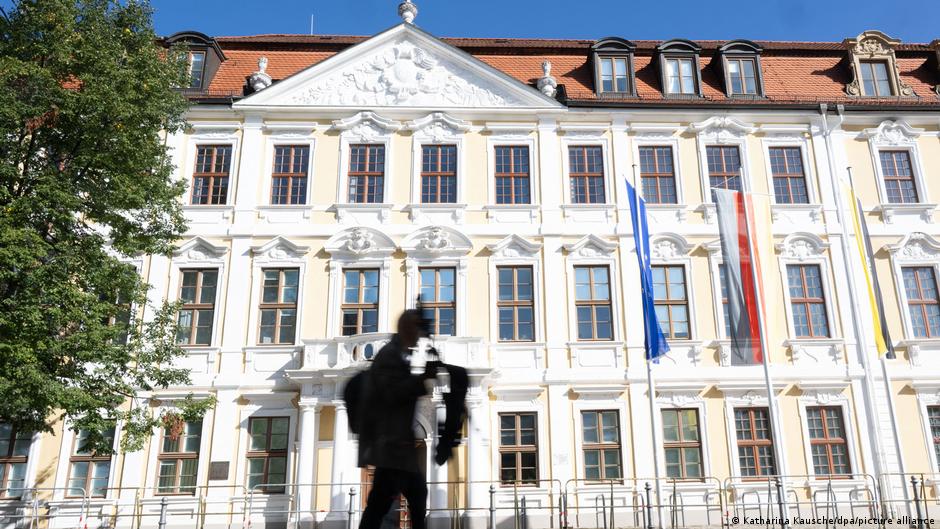
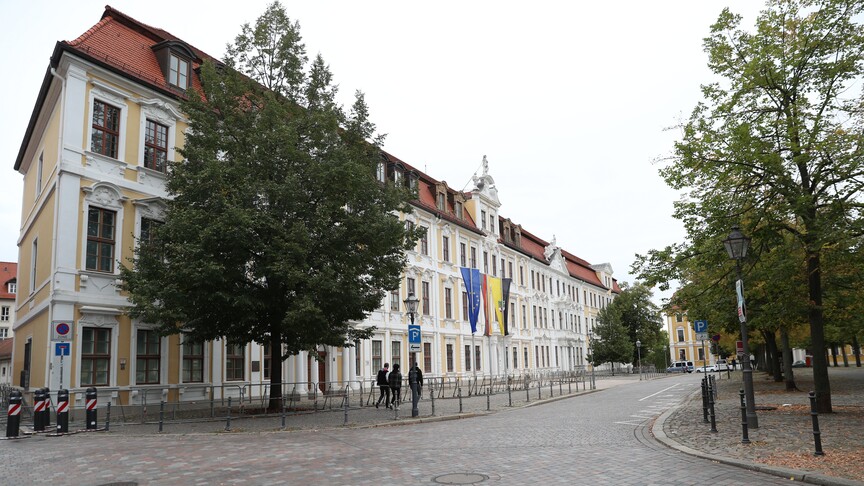
Mixed · 2About 400 protesters gathered peacefully outside the parliament in Magdeburg, read the constitution aloud and held a banner reading "No cooperation with the extreme right"; DW also reported several anti-AfD protests. The Straits TimesRC “About 400 protesters gathered peacefully on Tuesday outside the state parliament in Magdeburg” Read at The Straits Times ↗ Deutsche WelleN “The parliamentary session was accompanied by several anti-AfD protests in front of the parliament building.” Read at Deutsche Welle ↗ Mixed · 2The AfD won the 6 September election with almost 44% of the vote, but fell three seats short of an absolute majority. It still has no clear path to forming a government, because no partners or defectors from rival parties have come forward. The Straits TimesRC “the AfD fell three seats short of the absolute majority that candidate Ulrich Siegmund had aimed for.”“The party has so far failed to secure enough support from potential partners” Read at The Straits Times ↗ Deutsche WelleN “won elections there with almost 44% of the vote.” Read at Deutsche Welle ↗ Right · 1Siegmund, the AfD's candidate for state premier, said a first round of voting for the post would take place only in December, and has floated new elections if he lacks a majority. The Straits TimesRC “Siegmund has also floated the possibility of new elections if he does not secure the required majority the first time around.” Read at The Straits Times ↗
Right · 1The BSW has rejected joining the AfD in a coalition and has said it would abstain in any vote on Siegmund. That could allow a minority government tolerated by the BSW, as in Thuringia, which Siegmund has previously rejected as making him too dependent on the smaller party. The Straits TimesRC “has said it would abstain in any vote for Siegmund for state premier.”“Siegmund has previously rejected such a setup as making him too reliant on the smaller party.” Read at The Straits Times ↗
Every sentence links to the reporting it rests on. The pill in front of each says where its sources sit: Left, Centre or Right when one side supplies at least half of them, Mixed when they are evenly split. The number is how many outlets it cites.
Left0 outlets
No left outlet in our sources has covered this story yet.
Centre2 outlets
- Framing
- DW's live news roundup leads on the milestone of the first AfD state parliament speaker, with seat arithmetic and the BSW's role.
- Emphasis
- Seat counts, the 48-vote result and abstentions, the extremist classification and protests.
- Leaves out or plays down
- Says little on the AfD's difficulty forming a government or Siegmund's plans.
- Charged language
- “far-right”“confirmed right-wing extremist”
- For example
-
“Rausch, 35, thus becomes the first member of the AfD” — Deutsche Welle
“There will be no vote on who will lead the state.” — Deutsche Welle
Right1 outlet
- Framing
- Reuters copy run by the Straits Times frames the day around the AfD's struggle to turn its election win into a state government, with the speaker vote as a symbolic gain.
- Emphasis
- Siegmund's plans, the BSW's reliability, defections from the CDU and the firewall.
- Leaves out or plays down
- Does not mention the extremist classification or the CDU chairman's abstention advice.
- Charged language
- “far-right”“landmark win”“stalemate”
- For example
-
“the party still lacks a clear path to forming what would be its first state government.” — The Straits Times
“nevertheless offered the AfD a symbolic victory.” — The Straits Times
What every side reports
- Tobias Rausch, 35, was elected speaker with 48 votes, with BSW support.
- He is the first AfD member to hold the post in a German state parliament.
- The session was accompanied by anti-AfD protests.
- Other parties reject cooperation with the AfD under the 'firewall' policy.
Where accounts differ
-
What the result signals
- Centre
- DW stresses the milestone of the first AfD speaker, the AfD's seat count and BSW help, and the 'confirmed right-wing extremist' classification.
- Right
- Reuters, carried by the Straits Times, treats the speaker's election as a symbolic victory while stressing the AfD's stalemate in forming a government.
Alternative for Germany party
The AfD gained its first state parliament speaker. Rausch urged cooperation and an end to the firewalls, while the party seeks a path to government and Siegmund is aiming for a vote in December.
“the days of political firewalls should be a thing of the past” — The Straits Times
“a first round of voting that he said would only take place in December” — The Straits Times
Saxony-Anhalt place
The state's new parliament met within the 30 days the constitution requires. The other parties refuse to work with the AfD, and no vote on state leadership took place at this session.
“which the state constitution requires to take place within 30 days of the election” — The Straits Times
“There will be no vote on who will lead the state.” — Deutsche Welle
Left0 articles
No coverage yet.
Centre4 articles
-
Germany news: Saxony-Anhalt parliament sits after AfD win
Neutral Morning preview of the session and the pending speaker vote, noting the firewall and the protests.
-
Germany news: Far-right AfD gets first house speaker in a German state parliament
Neutral Roundup leading with the first AfD speaker and the seat arithmetic, noting the extremist classification.
-
-
Right1 article
-
The Straits TimesRC · · via Reuters
Germany's far-right AfD struggles to form first state government after landmark win
Neutral Reuters wire analysis centring on the AfD's stalled government formation after the symbolic speaker win.
- 6 Oct 07:21 First Deutsche WelleN Germany news: Saxony-Anhalt parliament sits after AfD win
- 6 Oct 07:21 First Deutsche WelleN Germany news: Far-right AfD gets first house speaker in a German state parliament
- 6 Oct 14:04 +6h 43m The Straits TimesRC Germany's far-right AfD struggles to form first state government after landmark win via Reuters
- 6 Oct 14:27 +7h 6m Deutsche WelleN Germany's far-right AfD makes history again in Saxony-Anhalt
- 6 Oct 15:22 +8h 1m Anadolu AgencyN Germany’s Saxony-Anhalt state elects AfD parliament speaker in historic vote
Times are when each article was published, or when we first saw it if the outlet gave no time.