Computer-made 1960s sparrow song copied by Buenos Aires bird; AI and tutors weighed for lost songs
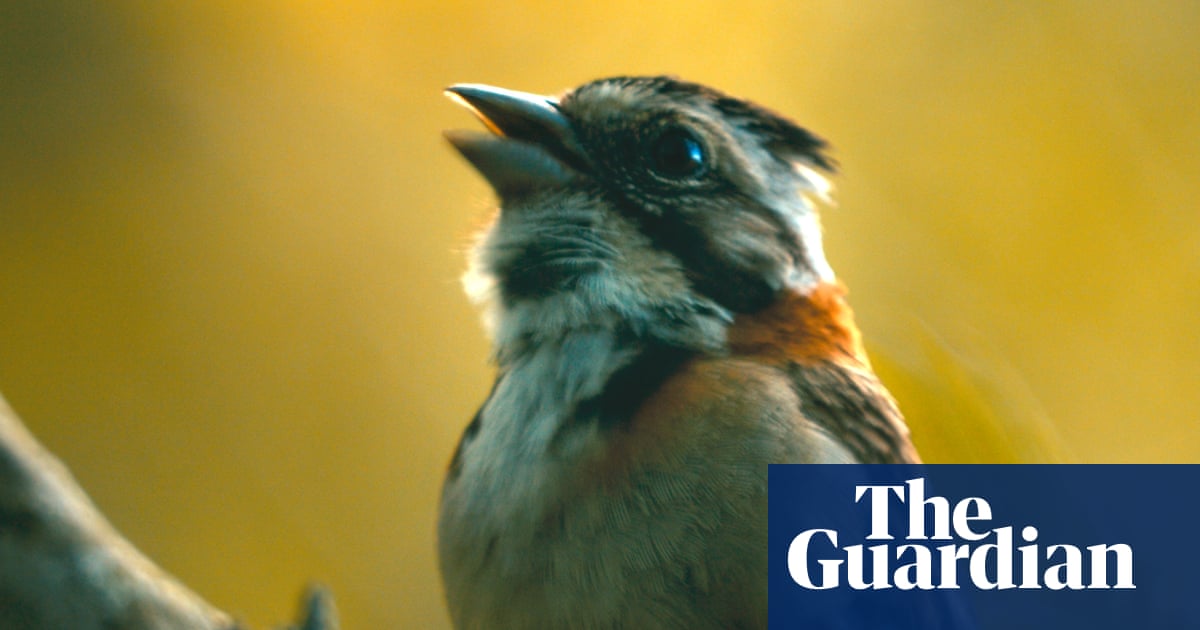
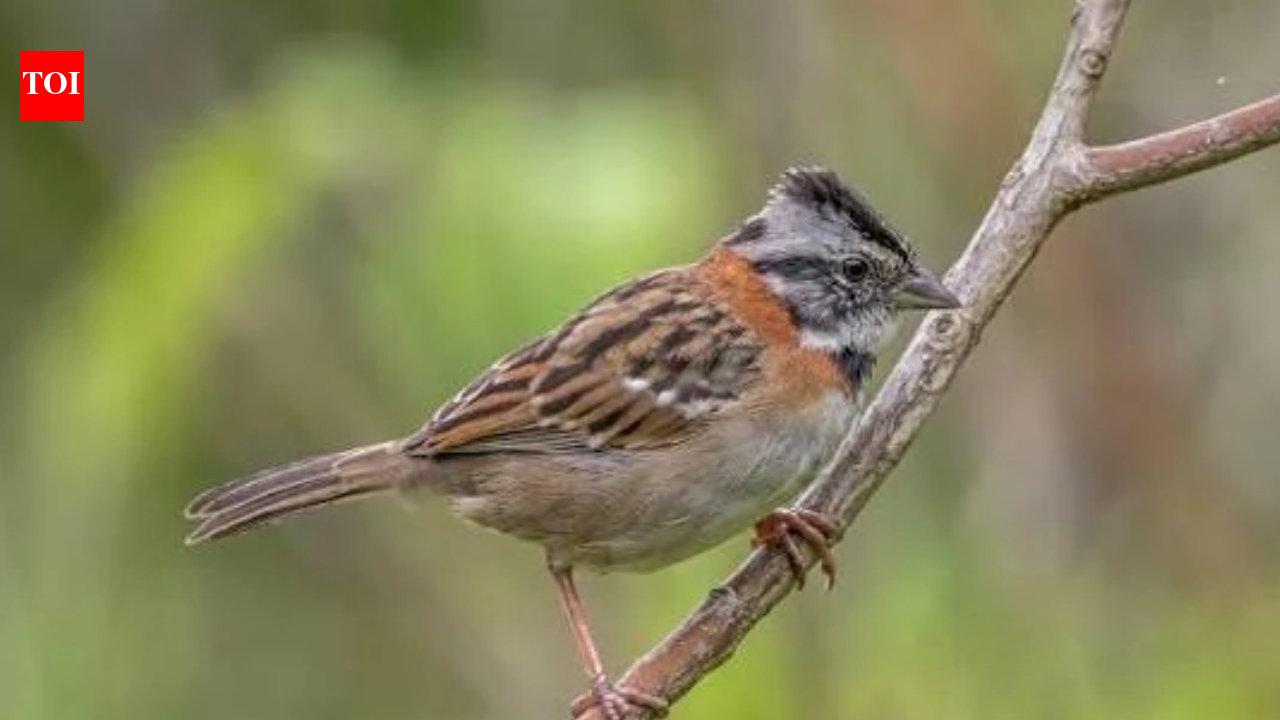
Researchers in Buenos Aires recreated a 1960s rufous-collared sparrow song by computer, and within three months a local bird began copying parts of it. Scientists say the approach, and live tutoring, may help endangered species keep learned songs, but it is early.
1 / 2
The story, neutrally told
Mixed · 2Researchers in a Buenos Aires park created a computer-generated version of a rufous-collared sparrow song that local birds had sung in the 1960s but that had since disappeared from the area. The GuardianLC “This arrangement was among those chirped by the local rufous-collared sparrows in the 1960s, but had since disappeared from the area.” Read at The Guardian ↗ The Times of IndiaN “Researchers used the historical records to produce a computer-generated rendition of one of the missing variations and played it in the birds’ habitat.” Read at The Times of India ↗ Mixed · 2Less than three months later, a local bird began to copy parts of the song. The GuardianLC “Less than three months later, a local avian resident began to copy parts of the song.” Read at The Guardian ↗ The Times of IndiaN “Within less than three months, a sparrow in the area began incorporating elements of the recreated song into its own vocalisations.” Read at The Times of India ↗ Left · 1The song was rebuilt from hand-drawn annotations of sparrow songs made in the 1960s. Gabriel Mindlin, a physics professor at the University of Buenos Aires who co-authored the study, said it is still sung by a few individuals close to where it was introduced, though only time will tell how long it lasts. The GuardianLC “The song studied by Mindlin was recreated based on hand-drawn annotations of rufous-collared sparrow songs that were made in the 1960s.”““It’s still being sung by just a few individuals, pretty close to where we inserted it,” he says” Read at The Guardian ↗
Left · 1It is not clear why the song vanished, though Mindlin notes the park's bird population had declined. The GuardianLC “It is not clear why the song studied by Mindlin had disappeared, though he notes the population of birds in the park had declined.” Read at The Guardian ↗ Mixed · 2Songbirds learn songs from fathers and neighbours, so local dialects form. When populations fall, fledglings have fewer models and may sing abnormally or learn other species' songs, which can hurt their chances of finding a mate. The GuardianLC “Birds can begin to tweet abnormally or mistakenly learn the songs of other species, jeopardising their chances of breeding.” Read at The Guardian ↗ The Times of IndiaN “Young birds acquire vocal patterns by listening to adults, including their fathers and neighbouring birds.” Read at The Times of India ↗ Mixed · 2Researchers hope synthetic recordings could help teach songs to other species with dwindling populations, letting conservationists tutor birds where no real recordings exist. The rufous-collared sparrow is not considered vulnerable globally. The GuardianLC “researchers hope that synthetic recordings could help teach birdsong to other species whose populations are dwindling” Read at The Guardian ↗ The Times of IndiaN “Synthetic recordings could help researchers recreate vocal patterns for which no usable audio survives” Read at The Times of India ↗
Mixed · 2Live tutoring has worked in other cases. In Australia, zoo-bred regent honeyeaters, a critically endangered species with a wild population of about 250, learned wild songs after interacting with two wild-born male tutors, and trained males went on to tutor the next generation. The Times of India, citing research in Scientific Reports, says 42% of zoo-population males were singing the traditional song after three breeding seasons, against none of the young birds in the first year. The GuardianLC “Interacting with just two wild-born male “tutors” helped the zoo-bred birds to learn to sing the wild songs.” Read at The Guardian ↗ The Times of IndiaN “By the end of three breeding seasons, 42% of the male birds in the zoo population were singing versions of the traditional wild song” Read at The Times of India ↗ Left · 1Sarah Collins of the University of Plymouth studied cirl buntings translocated from Devon to Cornwall. They first sang squeaky, slow, less varied songs, but their songs had returned to normal eight years later. She says recovery is possible but it is unclear whether other species would match it, and she recommends a tutor for translocated birds. The GuardianLC “Eight years later, however, their songs had returned to normal.”“Either way, Collins recommends a tutor to help other birds that are being translocated.” Read at The Guardian ↗ Left · 1Playback alone may not be enough: Collins says some birds do not learn well from recordings and need interaction. The Guardian notes that bringing wild birds into captivity as tutors could cause distress and disease, and suggests AI might provide live tutoring in future. The GuardianLC ““Sometimes birds don’t learn very well from CDs or just playbacks. They need some sort of interaction,” says Collins.”“It is possible that AI could help provide live tutoring in the future.” Read at The Guardian ↗
Centre · 1The Times of India points out that the Buenos Aires experiment used a computer-generated recording rather than a fully interactive AI system. It calls the result an early and limited success, not a proven technique, and says more research is needed on whether recreated calls spread, stay stable and improve breeding. The Times of IndiaN “Although the Buenos Aires experiment used a computer-generated recording rather than a fully interactive artificial intelligence system”“the revived sparrow song remains an early and limited success rather than a proven conservation technique” Read at The Times of India ↗ Mixed · 2Dialect matters too. Rebecca Lewis of Chester Zoo says birds with mismatched songs pair more slowly and do less well, and familiarising birds with their destination's songs can help. The GuardianLC ““Birds with mismatched songs don’t pair quite as quickly or do quite as well once they’re paired,” adds Lewis.” Read at The Guardian ↗ The Times of IndiaN “Introducing the appropriate vocal patterns before release could help address this problem.” Read at The Times of India ↗
Every sentence links to the reporting it rests on. The pill in front of each says where its sources sit: Left, Centre or Right when one side supplies at least half of them, Mixed when they are evenly split. The number is how many outlets it cites.
Left1 outlet
- Framing
- A feature built around expert voices, presenting the Buenos Aires result as hopeful research on birdsong and species survival, with AI as a possible future tutor.
- Emphasis
- Quotes from Mindlin, Collins and Lewis; cirl bunting and honeyeater cases; the culture-as-biodiversity argument; the risks of captive tutoring.
- Leaves out or plays down
- Gives no honeyeater success percentage and does not say outright that the Buenos Aires work was not interactive AI.
- Charged language
- “Trill seekers”
- For example
-
“But animals’ learned behaviour or culture, such as birdsong, is also an essential part of their population, says Mindlin.” — The Guardian
“It is possible that AI could help provide live tutoring in the future.” — The Guardian
Centre1 outlet
- Framing
- A summary of the Guardian report, with added Scientific Reports and ANU material, presented as a promising tech tool for conservation but a limited early success.
- Emphasis
- Honeyeater figure of 42%, the gap between a recording and a living tutor, and the caveat that AI was not actually used interactively.
- Leaves out or plays down
- Names no scientists and adds no new interviews; leaves out the cirl bunting study.
- Charged language
- “groundbreaking approach”“forgotten melody”
- For example
-
“A groundbreaking approach has emerged, leveraging computer-generated recordings to rejuvenate the bird songs that nature has lost.” — The Times of India
“Although the Buenos Aires experiment used a computer-generated recording rather than a fully interactive artificial intelligence system” — The Times of India
Right0 outlets
No right outlet in our sources has covered this story yet.
What every side reports
- Researchers recreated a 1960s rufous-collared sparrow song by computer in Buenos Aires and a local bird began copying it within three months.
- The song was rebuilt from 1960s handwritten annotations.
- Population decline can disrupt song learning and dialects, hurting breeding chances.
- Regent honeyeater tutoring research suggests live tutors help captive birds learn wild songs.
- Whether the revived song will persist is not yet known.
Where accounts differ
-
How much AI is involved
- Left
- Presents AI as a possible future source of live tutoring, building on synthetic recordings.
- Centre
- Stresses that the Buenos Aires work used a computer-generated recording, not a fully interactive AI system.
Birdsong conservation topic
Coverage treats birdsong as learned culture that is part of a population's survival. It sees synthetic recordings and tutors as promising but unproven tools.
“There is a growing recognition of birdsong’s importance to conservation, and of the need to better understand how birds learn to sing.” — The Guardian
“Conservation is not simply about keeping populations alive; it can also involve preserving the behaviours that allow animals to recognise one another and reproduce successfully.” — The Times of India
Left1 article
-
Trill seekers: can scientists use AI and tutors to help birds remember lost songs?
Sympathetic Expert-led feature that is hopeful about song restoration for conservation while noting limits and risks.
Centre1 article
-
Mixed Upbeat opening about a breakthrough, then a cautious conclusion that it is an early, limited success and not true AI tutoring.
Right0 articles
No coverage yet.
- 13 Oct 10:00 First The GuardianLC Trill seekers: can scientists use AI and tutors to help birds remember lost songs?
- 15 Oct 06:25 +44h 26m The Times of IndiaN Tech Aids Lost Birdsong Recovery: Synthetic calls help sparrows relearn old songs; scientists weigh AI’s role
Times are when each article was published, or when we first saw it if the outlet gave no time.
Ask about this story
Loading…