Michigan family and care home clash over sedating a woman with dementia
A lawsuit by the sons of Marjorie Tingley, 85, says a Michigan memory care facility pressed for antipsychotic sedation and then evicted her. The facility denies wrongdoing; the story sits within a wider debate over such drugs in dementia care.
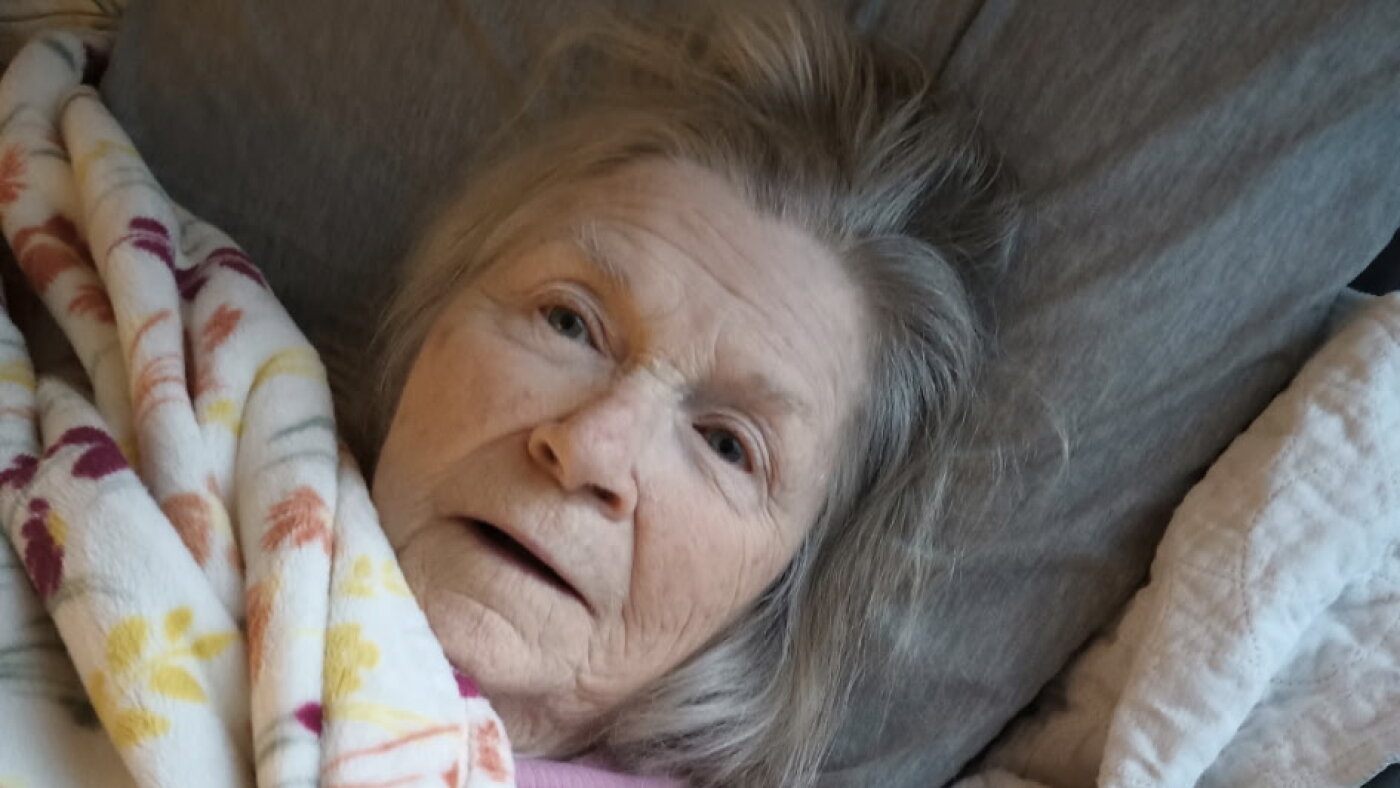
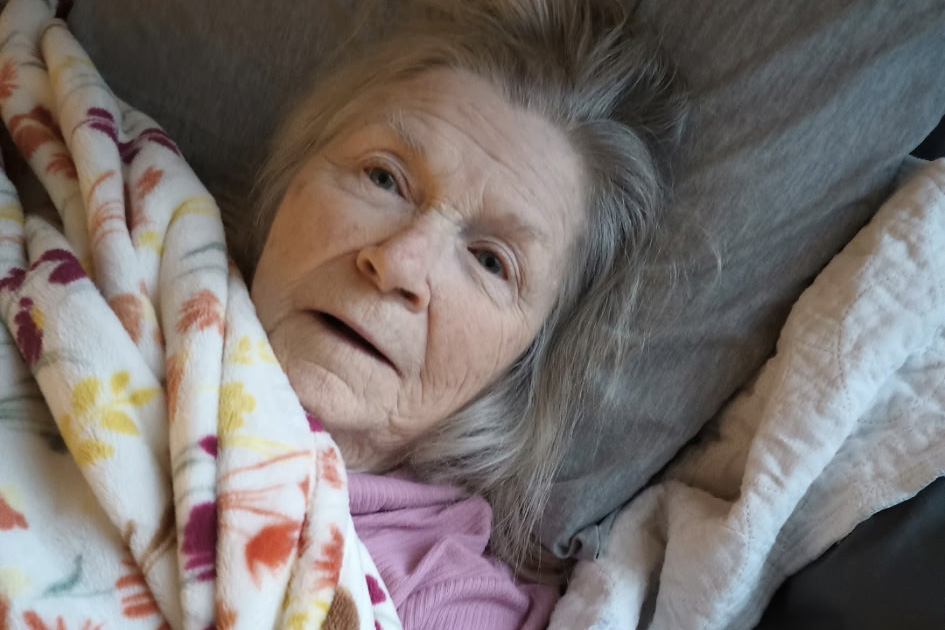
1 / 2
The story, neutrally told
In December 2024, the sons of Marjorie Tingley, 85, received an urgent email from the dementia care unit at Vista Grande Villa, a Michigan senior living community, saying their mother was a major safety threat and asking permission to sedate her. KFF Health NewsN “They were told that their 85-year-old mother was a major safety threat.” Read at KFF Health News ↗ NPRLC “Vista Grande wanted permission to sedate her.” Read at NPR ↗ Facility behavior logs said she had hit, kicked or elbowed aides on at least 10 days in the previous month while they helped her with dressing, bathing and toileting. KFF Health NewsN “according to Vista Grande behavior logs” Read at KFF Health News ↗ NPRLC “On at least 10 days the previous month” Read at NPR ↗ The family and the facility disagreed over antipsychotic drugs, which the FDA requires to carry a warning of increased risk of death in older people with Alzheimer's and similar diseases. KFF Health NewsN “increase the chance of death in older people with Alzheimer’s and similar diseases” Read at KFF Health News ↗ NPRLC “increase the chance of death in older people with Alzheimer's and similar diseases” Read at NPR ↗
Records show administrators called 911 after altercations and she was taken to the emergency room repeatedly; after four trips the facility issued a 30-day eviction notice and sent her to hospital four more times. KFF Health NewsN “After four trips, Vista Grande gave Tingley a 30-day eviction notice” Read at KFF Health News ↗ NPRLC “it sent her to the hospital four more times while the family was arranging a new placement” Read at NPR ↗ She died at another facility in January 2025, and the cause was plaque buildup in the brain, a hallmark of Alzheimer's. NPRLC “Tingley died at another facility in January 2025.” Read at NPR ↗ Her sons sued Vista Grande and its then-director for negligence, emotional distress and wrongful eviction, alleging the hospital trips were retaliation. KFF Health NewsN “The suit also asserted Vista Grande initiated the ER trips in retaliation” Read at KFF Health News ↗
Vista Grande and its director deny the allegations, calling the drugs "routine medication" and saying it sent her to hospital because of the family's refusal to allow on-site treatment. NPRLC “"because of her family's refusal to allow Ms. Tingley to be treated on site."” Read at NPR ↗ KFF Health NewsN “Vista Grande and its director have denied the allegations.” Read at KFF Health News ↗ A Michigan Circuit Court judge dismissed the negligence claim on legal grounds, and a trial on the rest is scheduled for early next year if mediation fails. KFF Health NewsN “A Michigan Circuit Court judge has dismissed the negligence claim on legal grounds.” Read at KFF Health News ↗ Nationally, a JAMA study estimated 1 in 4 Medicare beneficiaries with dementia are potentially inappropriately prescribed antipsychotics or similar drugs, despite a 14-year federal campaign to reduce use. KFF Health NewsN “1 in 4 Medicare beneficiaries with dementia are potentially inappropriately prescribed antipsychotics” Read at KFF Health News ↗ NPRLC “Despite a 14-year campaign by the federal government to reduce the use of psychotropics” Read at NPR ↗
Geriatric psychiatrist Lauren Gerlach said non-drug approaches often work better but that "for some patients, these behaviors are so severe that medications will be required." KFF Health NewsN “for some patients, these behaviors are so severe that medications will be required.” Read at KFF Health News ↗
Every sentence links to the reporting it rests on.
Left1 outlet
- Framing
- NPR runs Jordan Rau's KFF Health News report on one family's fight over sedating drugs, placing it within national concern over antipsychotic use in dementia care.
- Emphasis
- The family's experience, the eviction and hospital trips, and national prescribing data.
- Leaves out or plays down
- No differences from the centre version; adds photo captions but no extra reporting or comment.
- Charged language
- “wrenching decisions”“drugged up”
- For example
-
“A clash over whether to drug a Michigan woman named Marjorie Tingley illuminates the wrenching decisions families and guardians face.” — NPR
Centre1 outlet
- Framing
- KFF Health News, the original publisher, frames the case as an illustration of a long-running problem in long-term care, using the family's records to show the dilemma.
- Emphasis
- Records from the lawsuit, prescribing statistics, congressional and federal efforts to curb use, and expert comment.
- Leaves out or plays down
- Facility and its parent company did not comment beyond court filings.
- Charged language
- “wrenching decisions”“drugged up”
- For example
-
“A clash over whether to drug a Michigan woman illuminates the wrenching decisions families and guardians face.” — KFF Health News
Right0 outlets
No right outlet in our sources has covered this story yet.
What every side reports
- Marjorie Tingley, 85, lived in the memory care unit at Vista Grande in Michigan and died in January 2025 at another facility.
- Her sons sued Vista Grande and its former director; the defendants deny the allegations.
- The negligence claim was dismissed; a trial on the other claims is set for early next year if mediation fails.
- Both outlets carry the same Jordan Rau report, with near-identical text.
Where accounts differ
-
Why Tingley was repeatedly sent to hospital
- Left
- Same account as centre: sons allege retaliation for disagreements over care; the facility says the family refused on-site treatment.
- Centre
- Sons allege retaliation for disagreements over care; the facility says the family refused on-site treatment.
-
Whether the drugs were appropriate
- Left
- Sons say the facility wanted her "drugged up"; facility calls them "routine medication".
- Centre
- Sons say the facility wanted her "drugged up"; facility calls them "routine medication".
Left1 article
-
NPRLC ·
Drugs are widely used to sedate dementia patients. Her sons wanted to keep her off them
Sympathetic Republication of the same report with photo captions, framing the case as a window into a wider dementia-care dilemma.
Centre1 article
-
Drugs Are Widely Used To Sedate Dementia Patients. Her Sons Wanted To Keep Her Off Them.
Sympathetic Original report presenting the family's account alongside the facility's denials and national data on antipsychotic use.
Right0 articles
No coverage yet.
- 30 Sep 10:00 First NPRLC Drugs are widely used to sedate dementia patients. Her sons wanted to keep her off them
- 30 Sep 10:00 First KFF Health NewsN Drugs Are Widely Used To Sedate Dementia Patients. Her Sons Wanted To Keep Her Off Them.
Times are when each article was published, or when we first saw it if the outlet gave no time.