Senate Democrats block House-passed congressional stock trading bill, 53-47
The Senate failed, 53-47, to reach the 60 votes needed to advance the Stop Insider Trading Act, which restricts stock trading by lawmakers and includes a voter ID provision. Democrats called the bill too weak and the ID language a poison pill.
Updated (version 2). New coverage since the last version from Newsweek.

1 / 5
The story, neutrally told
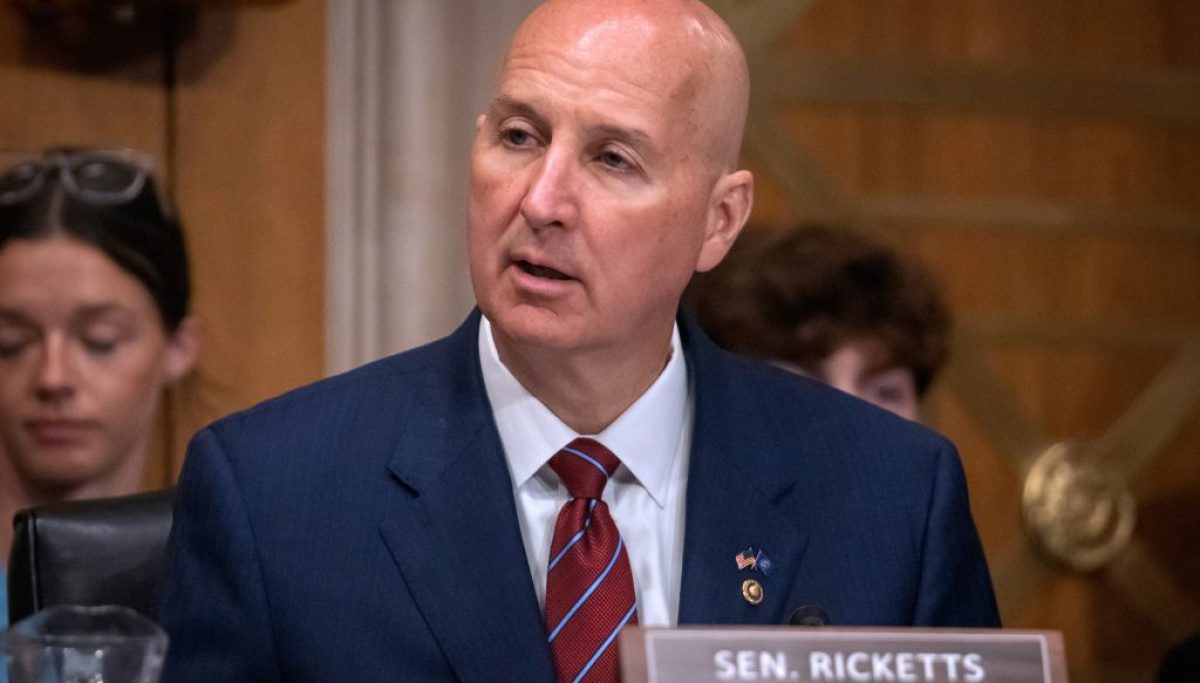
On Wednesday 30 September the Senate voted 53-47 on a bill restricting stock trading by members of Congress, short of the 60 votes needed to advance it. Just the NewsRC “The 53-47 vote came on party lines and saw the bill fall short of the 60 votes it needed to advance in the upper chamber.” Read at Just the News ↗ NewsweekN “failed to overcome the 60-vote filibuster, as the vote fell along party lines, 53-47” Read at Newsweek ↗ The Stop Insider Trading Act, introduced by Nebraska Republican Sen. Pete Ricketts, had passed the House with the support of 13 Democrats. NewsweekN “introduced by Nebraska Republican Pete Ricketts” Read at Newsweek ↗ Just the NewsRC “The lower chamber approved the "Stop Insider Trading Act" with the support of 13 Democrats” Read at Just the News ↗ It would bar members, spouses and dependent children from buying new stocks and require public notice of 7 to 14 days before intended sales, with a penalty of $2,000 or 10 percent of the investment value. NewsweekN “It would require a public notice of at least 7 days but no more than 14 days in advance of any intended sales.” Read at Newsweek ↗ New York PostR “The "Stop Insider Trading Act" would prohibit members of Congress, spouses and dependent children from buying stocks of publicly-traded companies.” Read at New York Post ↗
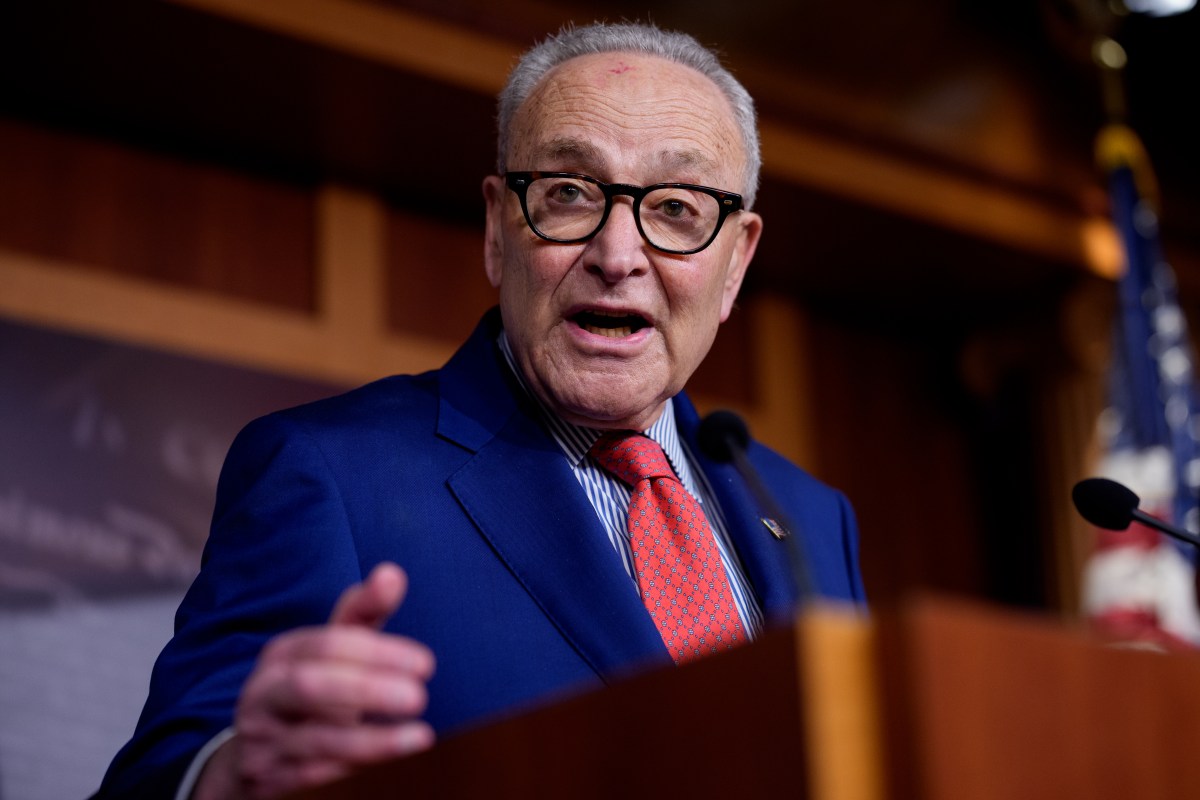
The bill also carries a voter ID requirement, which Democrats called a "poison pill"; Sen. Jack Reed called the bill a "sham" with voter suppression language. NewsweekN “loaded it up with a poison-pill voter ID bill” Read at Newsweek ↗ Washington ExaminerR “Senate Democrats block congressional stock trading ban over voter ID ‘poison pill’” Read at Washington Examiner ↗ Democrats also said the bill does not go far enough, pointing to exemptions for the president and vice president and to lawmakers keeping stocks they already own. NewsweekN “pointing to measures exempting the president and vice president while allowing lawmakers to keep stocks they already own” Read at Newsweek ↗ CBS NewsLC “with Democrats saying the restrictions don't go far enough and pushing back against a voter ID provision” Read at CBS News ↗ Senate Minority Leader Chuck Schumer called it "Swiss-cheese legislating" with loopholes, such as allowing trades in privately held companies. NewsweekN “The bill Republicans are offering today is Swiss-cheese legislating, creating loophole after loophole after loophole” Read at Newsweek ↗
Majority Leader John Thune called it a "common sense" measure, and Sen. Dave McCormick said voter ID and stock trading limits are both common sense. NewsweekN “It’s a pretty simple measure, Mr. President, but an important way to ensure that members of Congress are held to the standards” Read at Newsweek ↗ Just the News said Democratic opposition appeared driven mostly by the voter ID language and that the vote effectively ends the bill's chances before the midterms, less than five weeks away. Just the NewsRC “the Wednesday vote in the Senate effectively kills the measure's chances of passing before the midterms” Read at Just the News ↗ NewsweekN “The vote comes less than five weeks until the midterm elections” Read at Newsweek ↗ Newsweek said Congress could revisit a ban in the post-midterm lame-duck session or next year, and cited polls showing large majorities oppose lawmakers trading stocks. NewsweekN “Congress could revisit a stock trading ban at a later date, either in the post-midterm lame duck session or next year” Read at Newsweek ↗
Every sentence links to the reporting it rests on.
Left1 outlet
- Framing
- CBS leads on Democrats' argument that the bill is too weak alongside the voter ID objection, calling it a Republican-led effort that fell short.
- Emphasis
- Democratic objections and the campaign-season context.
- Leaves out or plays down
- Less on Republican arguments that voter ID should not be controversial.
- For example
-
“A Republican-led effort to approve a House-passed stock trading bill fell short in the Senate, with Democrats saying the restrictions don't go far enough” — CBS News
Centre1 outlet
- Framing
- Newsweek explains why Democrats voted no, giving both parties' quotes, then polling and what comes next.
- Emphasis
- Schumer's loophole critique, Republican 'common sense' replies, polls showing public opposition to lawmaker trading, and the midterm context.
- Leaves out or plays down
- Little on the Republican effort to attach voter ID to other bills.
- Charged language
- “Swiss-cheese legislating”
- For example
-
“Senator Chuck Schumer accused Republicans of "Swiss-cheese legislating" as Democrats opposed a bill to ban stock trading.” — Newsweek
Right3 outlets
- Framing
- Outlets lead on Democrats blocking a stock trading ban, with voter ID as the main reason; Just the News says opposition was driven mostly by a 'largely unrelated' ID requirement.
- Emphasis
- Voter ID, the filibuster, Republicans' broader push on the SAVE America Act, and the party-line vote.
- Leaves out or plays down
- Just the News gives little of Democrats' argument that the bill is too weak or has loopholes.
- Charged language
- “Senate Dems block ban”“largely unrelated”“poison pill”
- For example
-
“Democratic opposition appeared to be driven mostly by the inclusion of a largely unrelated voter ID requirement.” — Just the News
“Senate Democrats block congressional stock trading ban over voter ID ‘poison pill’” — Washington Examiner
What every side reports
- The Senate vote was 53-47 on party lines, short of 60 votes.
- The bill passed the House earlier with some Democratic support.
- The bill includes a voter ID provision that Democrats oppose.
Where accounts differ
-
Why Democrats opposed the bill
- Left
- CBS: restrictions don't go far enough, plus objection to voter ID.
- Centre
- Newsweek: Democrats cite loopholes and exemptions and the voter ID tie-in.
- Right
- Just the News: opposition appeared driven mostly by voter ID; Examiner stresses voter ID as poison pill.
-
Whether the bill is a real ban
- Left
- Democrats say it falls short of a true ban.
- Centre
- Newsweek reports Schumer saying it would hide rather than stop insider trading; Republicans call it common sense.
- Right
- Just the News calls it a ban on lawmakers trading stocks.
-
Senate Democrats blocked bill to limit congressional stock trading
Supported- Supports 5
- CBS News, Newsweek, Just the News, New York Post, Washington Examiner
-
The bill's voter ID provision is a poison pill
Reported- Supports 1
- Just the News
- Reports 4
- CBS News, Newsweek, New York Post, Washington Examiner
-
The bill falls short of a full ban on congressional stock trading
Reported- Reports 4
- CBS News, Newsweek, New York Post, Washington Examiner
Chuck Schumer person
Schumer says Republicans wrote a loophole-ridden bill and loaded it with a poison-pill voter ID provision.
“it’s a step backwards to solving this critical problem.” — Newsweek
US Senate organisation
The Senate fell short of the 60 votes needed, with Democrats opposed and Republicans supporting.
“The 53-47 vote came on party lines” — Just the News
Stop Insider Trading Act law
The bill would bar new stock purchases by lawmakers, spouses and dependents and require advance notice of sales; Democrats call it too weak.
“would prohibit members, spouses and dependent children from purchasing any new stocks in publicly traded companies” — Newsweek
Left1 article
-
Senate Democrats block bill to limit lawmakers' stock trades
Neutral Explains the vote through Democrats' twin objections and quotes both Schumer and Thune.
Centre1 article
-
Every Senate Democrat Just Voted Against Stock Trading Ban—Here's Why
Neutral Explainer giving both parties' arguments, polling and prospects of revisiting the issue.
Right3 articles
-
Senate Dems block ban on congressional stock trading
Critical Short item presenting Democrats as killing a stock trading ban mainly over a largely unrelated voter ID provision.
-
Senate Democrats block congressional stock trading ban over voter ID ‘poison pill’
Mixed Presents the block as a filibuster over a voter ID poison pill and calls the vote a messaging exercise.
-
New York PostR · · via Reuters
Bill to limit stock trading in Congress is blocked by Senate Democrats
Neutral Reuters copy focused on Democrats' full-ban demand, with political and Trump trading context.
- 30 Sep 17:52 First Washington ExaminerR Senate Democrats block congressional stock trading ban over voter ID ‘poison pill’
- 30 Sep 17:55 +3m CBS NewsLC Senate Democrats block bill to limit lawmakers' stock trades
- 30 Sep 18:04 +12m New York PostR Bill to limit stock trading in Congress is blocked by Senate Democrats via Reuters
- 30 Sep 18:28 +36m Just the NewsRC Senate Dems block ban on congressional stock trading
- 30 Sep 19:46 +1h 54m NewsweekN Every Senate Democrat Just Voted Against Stock Trading Ban—Here's Why
Times are when each article was published, or when we first saw it if the outlet gave no time.