Senate Democrats block Ratepayer Protection Act on data center costs, 57-43
On 30 September the Senate fell short of the 60 votes needed to advance the House-passed Ratepayer Protection Act, which aims to keep data center costs off household bills. Democrats called it toothless; Republicans called it obstruction.
Updated (version 4). New coverage since the last version from Al Jazeera, CBS News, NBC News, New York Post, Raw Story, The Guardian, Washington Examiner. Previously: “Senator blocks fast-track Senate vote on House-passed data center ratepayer bill”.



1 / 8
The story, neutrally told
Senate Democrats on Wednesday 30 September blocked the Ratepayer Protection Act, which is meant to shield consumers from higher electricity costs tied to data centers. NBC NewsLC “Senate Democrats blocked legislation Wednesday aimed at protecting consumers from paying higher prices when new data centers are built in their communities.” Read at NBC News ↗ The GuardianLC “The Ratepayer Protection Act failed by a 57 to 43 vote” Read at The Guardian ↗ The vote fell short of the 60 needed to overcome a filibuster. NBC NewsLC “The vote was 57-43, short of the 60 needed to break a filibuster.” Read at NBC News ↗ The House had passed the bill 417-3 earlier in September. NBC NewsLC “which passed the House by a vote of 417-3 two weeks ago” Read at NBC News ↗ NewsweekN “The bill already passed the House with overwhelming support on September 16” Read at Newsweek ↗
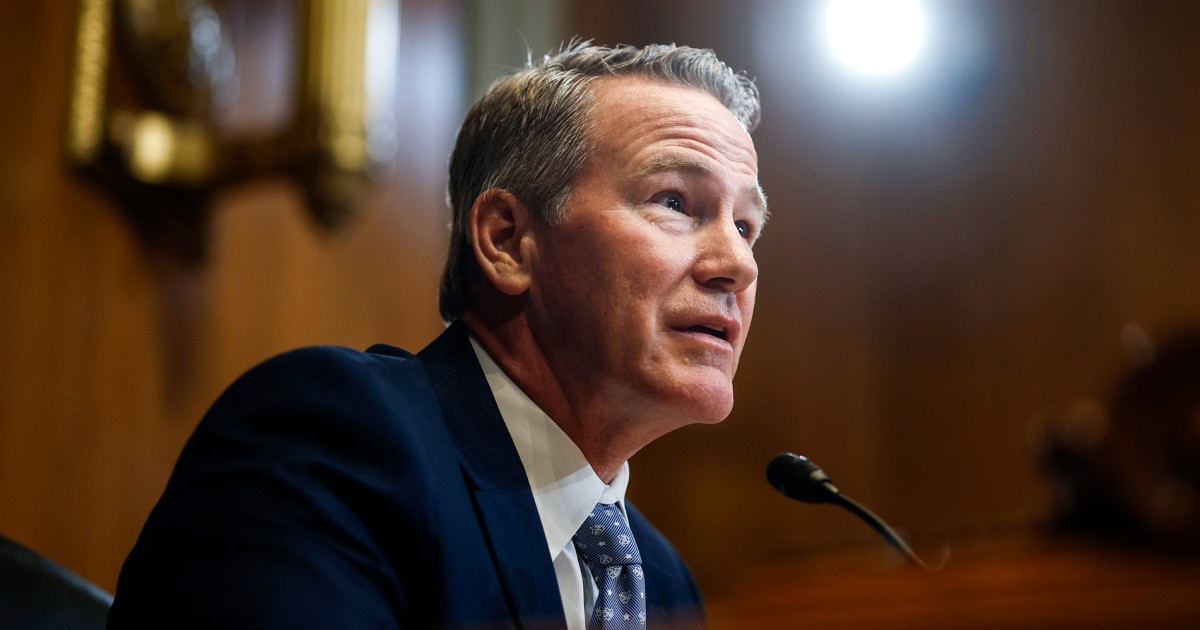
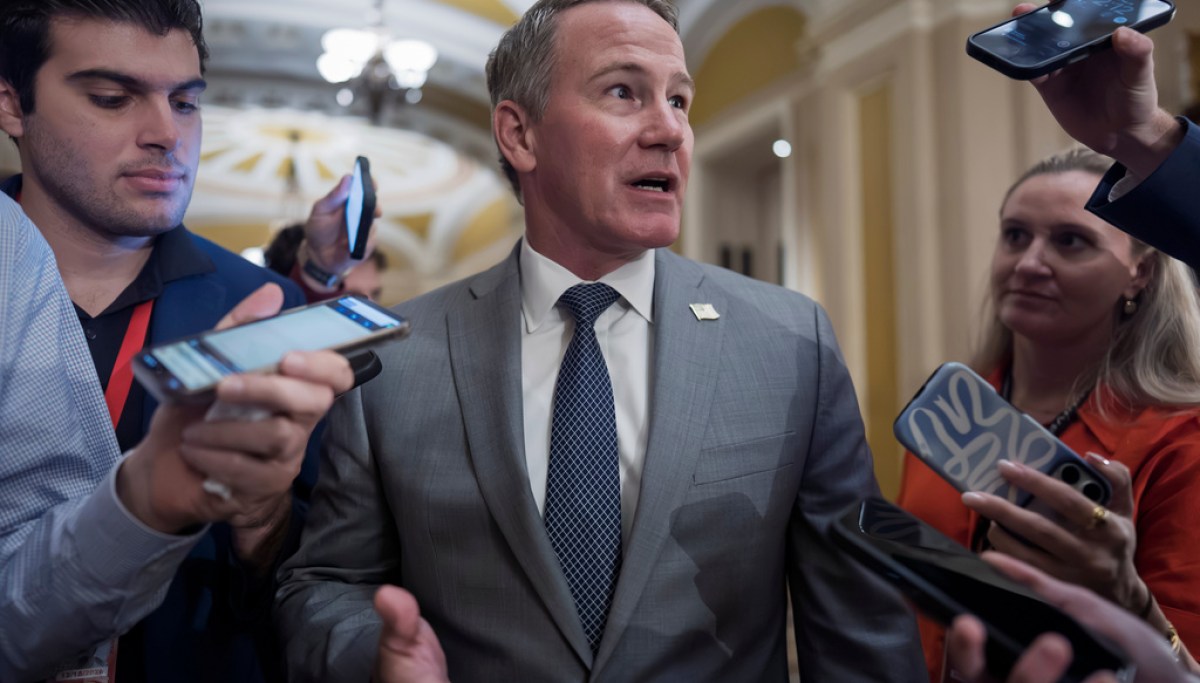
It would set a federal standard on the issue for states to consider, covering large users of 100 megawatts or more, and it lets states refuse the standard. NewsweekN “electricity demand of 100 megawatts or more” Read at Newsweek ↗ Hot AirR “It still has to get through the Senate, and states can refuse the standard.” Read at Hot Air ↗ Sen. Jon Husted (R-Ohio) led the bill in the Senate and is in a tight re-election race against Democrat Sherrod Brown, who attacks him over data centers. NBC NewsLC “He’s facing heat at home from Democratic rival and former senator Sherrod Brown” Read at NBC News ↗ The GuardianLC “recent polls have shown Husted trailing his opponent” Read at The Guardian ↗ Earlier, Sen. Martin Heinrich (D-N.M.) had objected to passing it by unanimous consent, saying Congress needs legislation with "real teeth". NewsweekN “"Congress needs to pass real legislation with real teeth," he said.” Read at Newsweek ↗
Senate Democratic leader Chuck Schumer called the bill "a fraud" and "optional" for states, and urged votes on bills by Sens. Van Hollen and Heinrich. NBC NewsLC ““Plain and simple, the Ratepayer Protection Act is a fraud,” Schumer told reporters on Tuesday.” Read at NBC News ↗ Majority Leader John Thune (R-S.D.) rejected the idea that it was a political move, noting near-unanimous House support, including from Democrats such as Hakeem Jeffries. NBC NewsLC ““I don’t know how you can say something that passed the House of Representatives 417-3 isn’t consequential,” Thune told reporters.” Read at NBC News ↗ Republican Sen. Thom Tillis, who is retiring, said Husted was right to get the message out but, asked whether the bill would achieve more, said "No." NBC NewsLC “But when asked if the bill would achieve much beyond that, Tillis said, “No.”” Read at NBC News ↗
The Guardian says the vote was one of the Senate's last before the 3 November midterms, with the chamber due to finish its work Friday. The GuardianLC “The vote was one of the last the Senate is expected to take before the midterms.” Read at The Guardian ↗
Every sentence links to the reporting it rests on.
Left5 outlets
- Framing
- Straight news on the failed vote, giving Democrats' reasoning (toothless, optional) alongside Republican rebuttals and the electoral stakes for Husted.
- Emphasis
- The 57-43 tally, Democrats' objections and midterm politics; the Guardian notes the vote posed a quandary for Democrats.
- Leaves out or plays down
- Little on the bill's detailed provisions beyond a summary.
- Charged language
- “toothless”“a fraud”
- For example
-
“Republicans are offering a toothless messaging bill.” — NBC News
“it also presented a quandary for the chamber’s Democrats” — The Guardian
Centre2 outlets
- Framing
- Explanatory coverage of what the bill does, its bipartisan House support, and criticism that it does not go far enough, written before the final vote.
- Emphasis
- Bill mechanics, Heinrich's alternative GRID Savings Act, and data center impacts on prices.
- Leaves out or plays down
- Does not report the 30 September vote result.
Right3 outlets
- Framing
- Opinion piece accusing Democrats of hypocrisy: campaigning against data centers while obstructing a bipartisan bill.
- Emphasis
- Democratic campaign messaging on data centers and Schumer's 'fraud' remark.
- Leaves out or plays down
- Does not give Democrats' substantive objections beyond Schumer's label; predates the final vote.
- Charged language
- “weaselly, turncoat”“Democrats are standing in the way of lower prices”
- For example
-
“This is another instance of Democrats talking out of one side of their mouths while doing the exact opposite.” — Hot Air
What every side reports
- The House passed the Ratepayer Protection Act 417-3 in September.
- The Senate vote on 30 September was 57-43, short of 60.
- Husted, facing Sherrod Brown, led the bill in the Senate.
Where accounts differ
-
Why Democrats blocked it
- Left
- Democrats said the bill is toothless and would not effectively address data center costs; the Guardian notes it was also seen as a bid to help Husted.
- Centre
- Newsweek reports Heinrich said it lacks real teeth and that critics say it does not go far enough.
- Right
- Hot Air says Democrats are standing in the way of lower prices and protecting data centers while campaigning against them.
-
The House passed the Ratepayer Protection Act 417-3.
Reported- Reports 5
- NBC News, The Guardian, Newsweek, The Hill, Hot Air
-
Senate Democrats blocked the bill and are obstructing lower prices.
Mixed- Supports 1
- Hot Air
- Disputes 1
- NBC News
- Reports 1
- Newsweek
-
It is unclear whether the bill would have any real effect on data center electricity costs.
Reported- Reports 5
- NBC News, The Guardian, Newsweek, The Hill, Hot Air
-
Senate Democrats blocked the Ratepayer Protection Act on datacenter electricity costs
Reported- Supports 1
- NBC News
- Reports 2
- The Guardian, Hot Air
Jon Husted person
Says Democrats claim to want lower electricity prices and should simply vote for the bill.
“All they have to do is not block it, vote for it, and it will be on the president’s desk, and we will have a bipartisan win.”” — NBC News
Left5 articles
-
Senate Democrats block Sen. Husted-led bill on data centers, calling it ‘toothless’
Neutral Reports the vote with both parties' arguments and polling on data centers.
-
Senate Democrats block datacenter energy bill
Neutral Concise report stressing the electoral context and Democrats' dilemma.
-
-
Show 1 moreShow fewer

Centre3 articles
-
Congress Targets Data Centers: What It Could Mean for Home Prices, Bills
Neutral Explainer on the bill and data center effects on prices.
-
What would Jon Husted's data center bill actually do?
Neutral Questions whether the bill would have any practical effect.
-
Right3 articles
-
Hot AirR · · Opinion
Senate Democrats Seem Determined to Protect Data Centers and Everyone Should Know It
Critical Opinion attacking Democrats as hypocritical on data centers.
-
-
New York PostR · · via Reuters
Chuck Schumer, Senate Dems block bill to address AI data center costs
- 29 Sep 01:00 First Hot AirR Senate Democrats Seem Determined to Protect Data Centers and Everyone Should Know It Opinion
- 29 Sep 16:38 +15h 39m NewsweekN Congress Targets Data Centers: What It Could Mean for Home Prices, Bills
- 29 Sep 21:27 +20h 27m The HillN What would Jon Husted's data center bill actually do?
- 30 Sep 18:41 +41h 41m NBC NewsLC Senate Democrats block Sen. Husted-led bill on data centers, calling it ‘toothless’
- 30 Sep 18:48 +41h 48m The GuardianLC Senate Democrats block datacenter energy bill
- 30 Sep 18:51 +41h 51m CBS NewsLC Senate Democrats block data center bill aimed at addressing energy costs
- 30 Sep 18:55 +41h 55m Washington ExaminerR Democrats deny GOP a midterm win by blocking Husted data center bill
- 30 Sep 19:20 +42h 20m New York PostR Chuck Schumer, Senate Dems block bill to address AI data center costs via Reuters
- 30 Sep 19:45 +42h 45m Raw StoryL GOP data center bill goes down in flames as Dems rage against 'toothless' protections
- 30 Sep 20:00 +43h NewsweekN Full List of Democrats Opposing Bill to Lower Data Center Electricity Costs
- 30 Sep 23:58 +46h 58m Al JazeeraLC US Senate rejects bill targeting AI data centre electricity costs
Times are when each article was published, or when we first saw it if the outlet gave no time.