South Korean ship completes Arctic round trip to Europe; Seoul eyes regular service by 2030
The container ship PanStar Acro returned to Busan on 11 October after South Korea's first commercial Arctic round trip to Europe. President Lee Jae Myung hailed it, while coverage notes sanctions, environmental and commercial risks.
1 / 2
The story, neutrally told
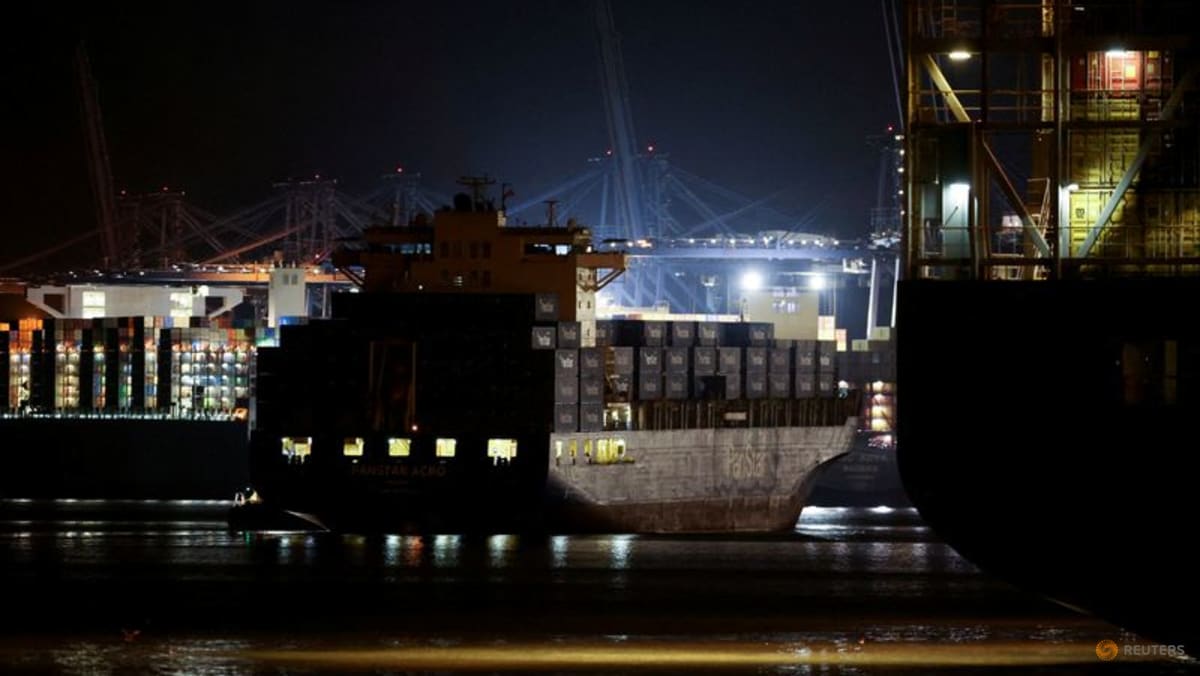
Centre · 2The South Korean container ship PanStar Acro docked at Busan on Sunday 11 October, completing the country's first commercial round trip to Europe via the Arctic. CNAN “A South Korean container ship completed the country's first commercial round trip to Europe via the Arctic on Sunday (Oct 11)” Read at CNA ↗ Gulf NewsN “docked at Jaseongdae Pier in Busan Port” Read at Gulf News ↗ Centre · 2The ship set sail on 22 August and took 50 days, using the Northern Sea Route, with port calls at Felixstowe in Britain, Rotterdam in the Netherlands and Gdansk in Poland before returning the same way. CNAN “The PanStar Acro docked in the southeastern port 50 days after setting sail on Aug 22.” Read at CNA ↗ Gulf NewsN “making port calls at Felixstowe in Britain, Rotterdam in the Netherlands and Gdansk in Poland, and returning via the same route” Read at Gulf News ↗ Centre · 2Authorities say the route could cut typical voyage times by around a third, and President Lee Jae Myung said it shortened one-way sailing time by 10 days compared with the Suez Canal route. CNAN “Authorities say the Arctic route could cut typical voyage times by around a third.” Read at CNA ↗ Gulf NewsN “shortened the one-way sailing time by 10 days compared with the conventional route via the Suez Canal” Read at Gulf News ↗
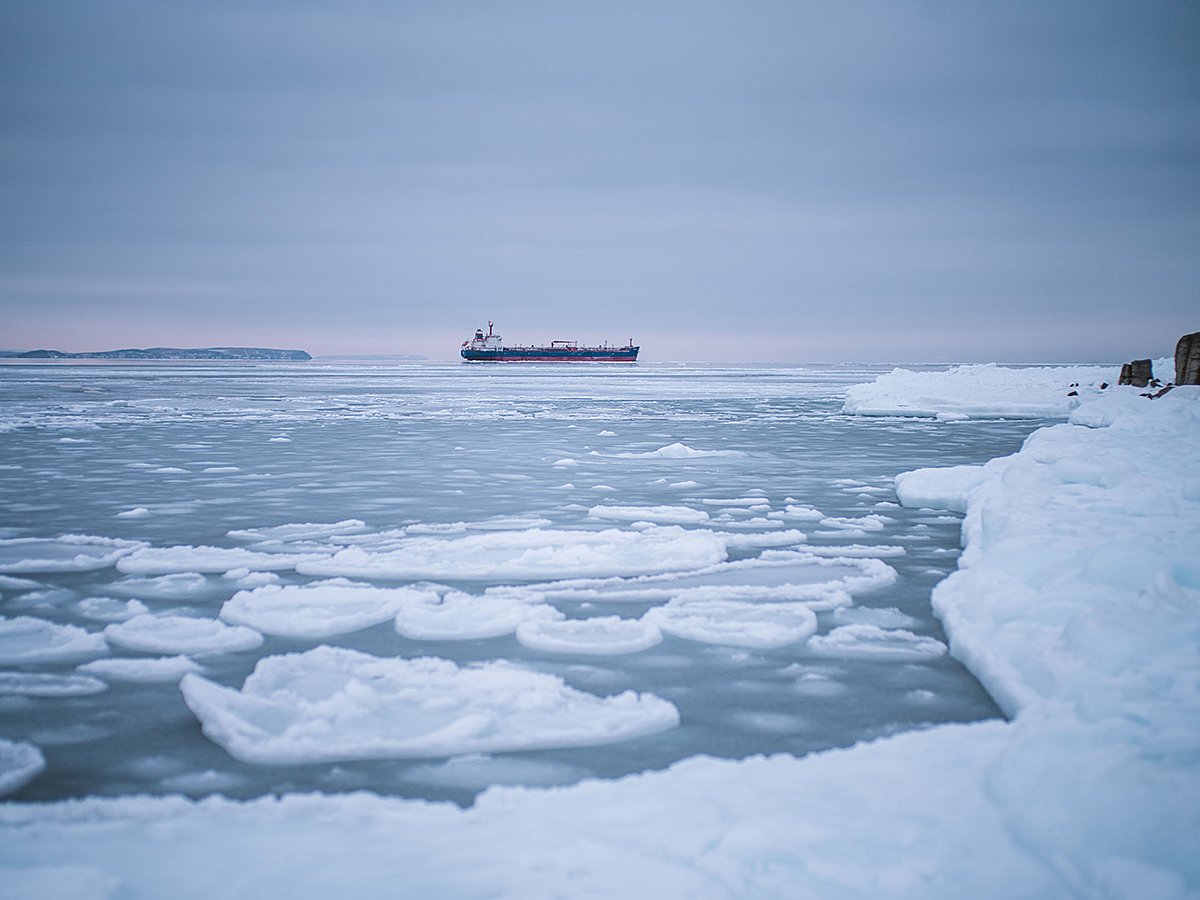
Centre · 2Lee has made Arctic shipping a priority and officials hope to launch regular services by 2030; he said the trial would help Korea "prepare for the era of Arctic shipping routes" and make Busan and the southeast a "southern maritime capital region". CNAN “officials hope to launch regular services by 2030” Read at CNA ↗ Gulf NewsN “We will transform Busan and the southeastern region into a 'southern maritime capital region'” Read at Gulf News ↗ Centre · 1The trip comes as conflict in the Middle East, sparked by US-Israeli strikes on Iran in February, has disrupted global shipping and pushed governments and operators to look for alternatives. Gulf NewsN “The Middle East conflict, sparked by US-Israeli strikes on Iran in February, has roiled global shipping” Read at Gulf News ↗ Centre · 2The route runs along Russia's Arctic coast. CNA says this risks friction with Western allies seeking to keep Russia isolated over Ukraine, and that Seoul consulted Moscow, including on whether the ship might need help if stuck in ice. AFP, carried by Gulf News, says it could expose operators to sanctions-related risks. CNAN “Seoul consulted with Moscow about the journey, including whether the ship needed help to tackle any problems” Read at CNA ↗ Gulf NewsN “The Arctic route could also expose operators to sanctions-related risks because it runs along Russia's northern coast.” Read at Gulf News ↗
Centre · 1Commercial challenges emerged: PanStar had sought about 1,300 TEU of cargo, but the ship left with 737 TEU plus empty containers. Experts say the route's value depends on reliable schedules, ice-avoidance slowdowns, insurance premiums and extra fuel use. CNAN “the ship left with 737 TEU of cargo plus empty containers”“reliable schedules, the costs of slowing to avoid ice, special insurance premiums and extra fuel use” Read at CNA ↗ Centre · 1Environmental advocates warn expanded shipping could harm the Arctic ecosystem and accelerate ice loss. CMA-CGM, MSC and Hapag-Lloyd have pledged to avoid Arctic routes, and AFP notes Lee did not mention these concerns. Gulf NewsN “Major shipping companies, including CMA-CGM, MSC and Hapag-Lloyd, have pledged to avoid Arctic routes, citing environmental concerns.”“Without making any reference to the the environmental concerns” Read at Gulf News ↗
Every sentence links to the reporting it rests on. The pill in front of each says where its sources sit: Left, Centre or Right when one side supplies at least half of them, Mixed when they are evenly split. The number is how many outlets it cites.
Left0 outlets
No left outlet in our sources has covered this story yet.
Centre2 outlets
- Framing
- Both outlets report a milestone trial voyage while stressing risks: CNA on geopolitics and commercial viability, Gulf News/AFP on the Middle East shipping disruption and environmental concerns.
- Emphasis
- CNA: Western friction, consultation with Moscow, low cargo load. AFP: Suez comparison, ice loss, major carriers avoiding the Arctic.
- Leaves out or plays down
- CNA omits environmental objections and the Middle East context; the AFP copy omits the cargo shortfall and the Moscow consultation.
- Charged language
- “icy reality”
Right0 outlets
No right outlet in our sources has covered this story yet.
What every side reports
- PanStar Acro completed a round trip to Europe via the Arctic, docking at Busan on 11 October after leaving on 22 August.
- Ports called were Felixstowe, Rotterdam and Gdansk.
- The route runs along Russia's Arctic coast, raising sanction-related concerns.
- President Lee Jae Myung backs Arctic shipping.
Lee Jae Myung person
Hailed the voyage as a success that shortened one-way sailing by 10 days, gave polar operating experience and data, and will make Busan a 'southern maritime capital region' and a growth engine.
“It also allowed us to gain valuable experience operating a South Korean container ship in polar waters and to collect navigational data” — Gulf News
South Korea place
Authorities bank on the route making Busan a global maritime hub and hope for regular services by 2030; the oceans ministry confirmed the docking.
“authorities bank on the route helping turn the port of Busan into a global maritime hub” — CNA
Left0 articles
No coverage yet.
Centre2 articles
-
CNAN ·
South Korea completes Arctic-Europe commercial voyage, eyes regular service despite risks
Neutral Milestone report that weighs geopolitical friction and commercial weaknesses of the route.
-
Gulf NewsN · · via AFP
South Korea completes trial of Arctic shipping route
Neutral AFP copy: trial success set against Middle East disruption, sanctions and environmental concerns.
Right0 articles
No coverage yet.
- 11 Oct 05:57 First CNAN South Korea completes Arctic-Europe commercial voyage, eyes regular service despite risks
- 11 Oct 09:23 +3h 26m Gulf NewsN South Korea completes trial of Arctic shipping route via AFP
Times are when each article was published, or when we first saw it if the outlet gave no time.