Study: losses outpacing newcomers fractured elephant society in Sri Lanka's Udawalawe park
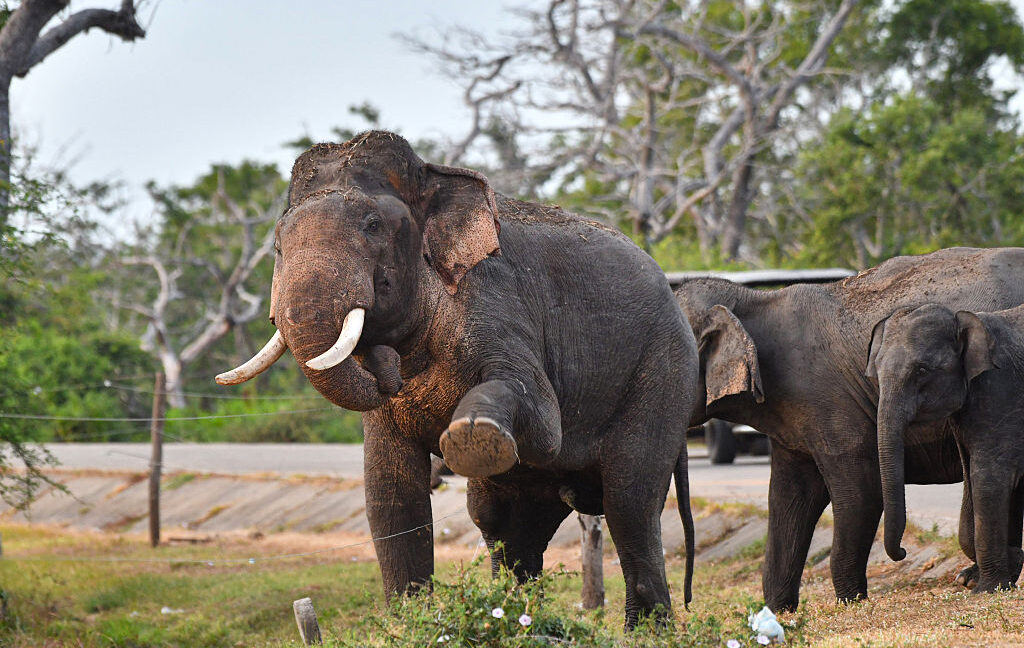
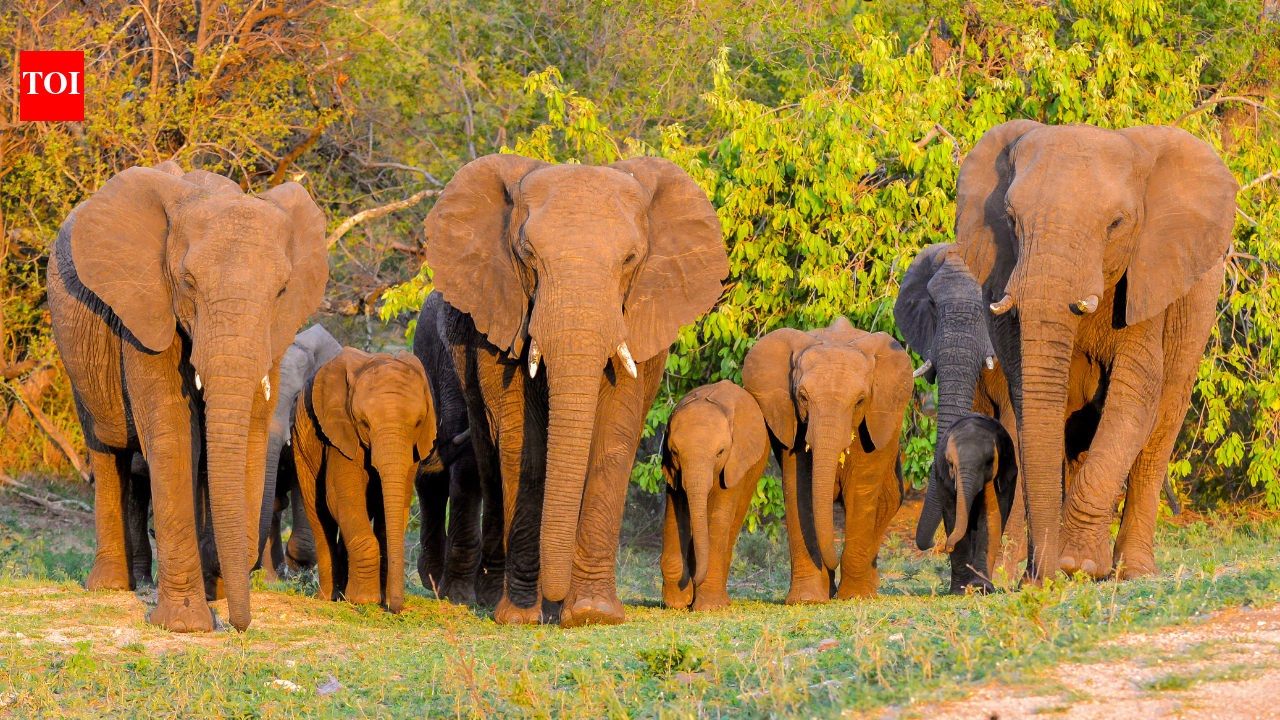
A 12-year study in Science of wild female Asian elephants in Udawalawe National Park found that once deaths and departures outnumbered newcomers, their social communities broke into smaller, more isolated groups. Researchers link the decline to habitat change and human pressures.
1 / 2
The story, neutrally told
Mixed · 2A study published in Science on 12 November 2026 reports that the social network of wild female Asian elephants in Udawalawe National Park, Sri Lanka, fragmented after losses of individuals began to outpace new arrivals. The Times of IndiaN “published in the journal Science on November 12, 2026, examined more than 440 wild female Asian elephants at Udawalawe National Park in Sri Lanka” Read at The Times of India ↗ Ars TechnicaLC “once losses began to outpace newcomers, the elephants’ society didn’t just get smaller. It fractured.” Read at Ars Technica ↗ Mixed · 2The work was led by Anastasia Madsen, a behavioral ecologist at the University of California, San Diego, with Shermin de Silva, an ecologist at the university and senior author, who started the Udawalawe Elephant Research Project in 2006. Ars TechnicaLC “Shermin de Silva, an ecologist at UC San Diego and senior author of the study (de Silva started the Udawalawe Elephant Research Project in 2006)” Read at Ars Technica ↗ The Times of IndiaN “The research was led by postdoctoral researcher Anastasia Madsen, working with Associate Professor Shermin de Silva” Read at The Times of India ↗ Left · 1Between 2007 and 2018 the team identified 443 adult and subadult females, mostly by the distinctive holes, tears and cuts in their ears, while driving park roads about three days a week. Ars TechnicaLC “Between 2007 and 2018, the team identified 443 adult and subadult females that roamed the park.”“driving random routes along the park’s roads about three days a week” Read at Ars Technica ↗
Left · 1Madsen reconstructed a social network for each year, based on how often two animals were seen together, and used an algorithm common in human network analysis to identify communities. Ars TechnicaLC “An algorithm commonly used for analyzing human social networks then picked out communities” Read at Ars Technica ↗ Mixed · 2Around 2012, departures and deaths began to exceed newcomers; by 2018 about 69 percent of the females seen at the start were gone, and communities then became smaller, more numerous and more isolated from each other. Ars TechnicaLC “By 2018, about 69 percent of the females seen at the start of the study were gone” Read at Ars Technica ↗ The Times of IndiaN “the elephants shifted from larger, densely connected social communities to smaller groups with fewer connections between them” Read at The Times of India ↗ Mixed · 2The change was not just a matter of fewer animals: among 59 resident elephants seen every year, relationships changed too, with fracturing coming one to three years after the decline began, and the weakest ties disappeared first. Ars TechnicaLC “Among these residents, the fracturing came one to three years after the decline began.” Read at Ars Technica ↗ The Times of IndiaN “The surviving animals were altering their relationships with one another, further weakening the overall structure of their social networks.” Read at The Times of India ↗
Left · 1Madsen suspects some lost individuals were key animals holding subgroups together, and de Silva links the shrinking social sphere to growing competition for food as grass disappears. Ars TechnicaLC “There could have been some key individuals that were lost that were holding these subgroups together.”“As the competition becomes more severe, your social sphere sort of shrinks” Read at Ars Technica ↗ Left · 1According to de Silva, the park's grassland, which formed after settlers were moved out, has been overtaken by invasive plants such as lantana that offer elephants little food; she says this stops the park attracting elephants from outside and means fewer calves reach adulthood. Ars TechnicaLC “Without fires and clearing, invasive plants like lantana took over.”“stops attracting elephants from outside while, due to limited food, fewer calves reach adulthood” Read at Ars Technica ↗ Left · 1Madsen says fluctuating network statistics before the break-up resemble 'flickering' and could serve as an early warning sign, though detecting it requires long-term data that many populations lack. Ars TechnicaLC “Hopefully, park managers and conservationists can detect that and intervene before the population collapses”“this detection requires long-term data, and we don’t have that for many populations” Read at Ars Technica ↗
Left · 1The study data end in 2018, but de Silva says conditions have not improved: the team predicted a decline in 2019, and it appears to be happening faster than expected, with calves not surviving and many adult females dying in their 30s and 40s. Ars TechnicaLC “The study’s data end in 2018, but de Silva says things haven’t improved.”“Many adult females die in their 30s and 40s, and they should be living roughly twice as long.” Read at Ars Technica ↗ Left · 1Ars Technica adds that human conflict contributes, as elephants are shot when raiding crops, and de Silva argues management must cover whole landscapes, including roads and irrigation canals; her team now works with farmers on crops elephants are less likely to damage. Ars TechnicaLC “Management really has to be about entire landscapes”“Her team now works with farmers outside the park, testing crops elephants are less likely to damage.” Read at Ars Technica ↗ Centre · 1The Times of India, drawing on a UC San Diego announcement, stresses that the study does not attribute every disappearance to a single cause and that its findings concern how accumulated losses were associated with social change; it says the researchers warn the fragmentation may be hard to reverse once a tipping point is crossed. The Times of IndiaN “the study does not attribute every disappearance to a single cause”“social fragmentation may not be easily reversed once a population crosses a critical threshold” Read at The Times of India ↗
Every sentence links to the reporting it rests on. The pill in front of each says where its sources sit: Left, Centre or Right when one side supplies at least half of them, Mixed when they are evenly split. The number is how many outlets it cites.
Left1 outlet
- Framing
- Science-feature narrative built on interviews with the researchers, explaining the habitat history of the park and why elephant society fractured.
- Emphasis
- Ecological change (lantana, lost grassland), the 'flickering' early-warning idea, ongoing decline since 2018 and landscape-wide management.
- Leaves out or plays down
- Does not mention the study's title or its caution about attributing individual losses to a single cause.
- Charged language
- “fractured”“point of no return”
- For example
-
“It fractured.” — Ars Technica
“There was a point of no return where there was structural damage” — Ars Technica
Centre1 outlet
- Framing
- Explainer based on the UC San Diego press announcement, focused on the social tipping point and why relationships matter to elephants.
- Emphasis
- Tipping point that is hard to reverse, the study's title, the role of social connections, and caution on causes.
- Leaves out or plays down
- Gives little of the park's habitat history, the lantana invasion, the 69 percent figure, or the post-2018 decline.
- Charged language
- “tipping point”“sudden breakdown”
- For example
-
“the population appears to have crossed a social tipping point” — The Times of India
“Increased demographic turnover and isolation precede social fragmentation in Asian elephants” — The Times of India
Right0 outlets
No right outlet in our sources has covered this story yet.
What every side reports
- The study was led by UC San Diego researchers Anastasia Madsen and Shermin de Silva and covers 443 female Asian elephants in Udawalawe National Park.
- Losses of elephants outpacing newcomers preceded the fragmentation of social communities into smaller, more isolated groups.
- The researchers argue social monitoring could give early warning of population trouble.
Where accounts differ
-
How much the study explains the causes of the losses
- Left
- Ars Technica relays de Silva's account of invasive lantana, reduced forage, poor calf survival and human conflict as drivers.
- Centre
- The Times of India says the study does not attribute every disappearance to a single cause and lists habitat connectivity and food availability as potential pressures.
Left1 article
-
In elephants, the resilience of communities has its limits
Neutral Detailed, researcher-voiced feature linking habitat change and human conflict to social breakdown and a shrinking population.
Centre1 article
-
12-year study finds declining elephant numbers lead to fragmented social networks
Neutral Press-release-based explainer on social fragmentation and a hard-to-reverse tipping point, with cautious causal language.
Right0 articles
No coverage yet.
- 13 Nov 20:03 First Ars TechnicaLC In elephants, the resilience of communities has its limits
- 15 Nov 19:22 +47h 19m The Times of IndiaN 12-year study finds declining elephant numbers lead to fragmented social networks
Times are when each article was published, or when we first saw it if the outlet gave no time.
Ask about this story
Loading…