Study finds 39% of royal retainer skulls at Abydos show fatal head trauma
A re-examination of 46 skulls from First Dynasty subsidiary graves at Abydos found 18 with fractures consistent with a deadly blow to the head, supporting the theory of retainer sacrifice. The author cautions the sample is small and the fate of the others is unknown.
1 / 3
The story, neutrally told
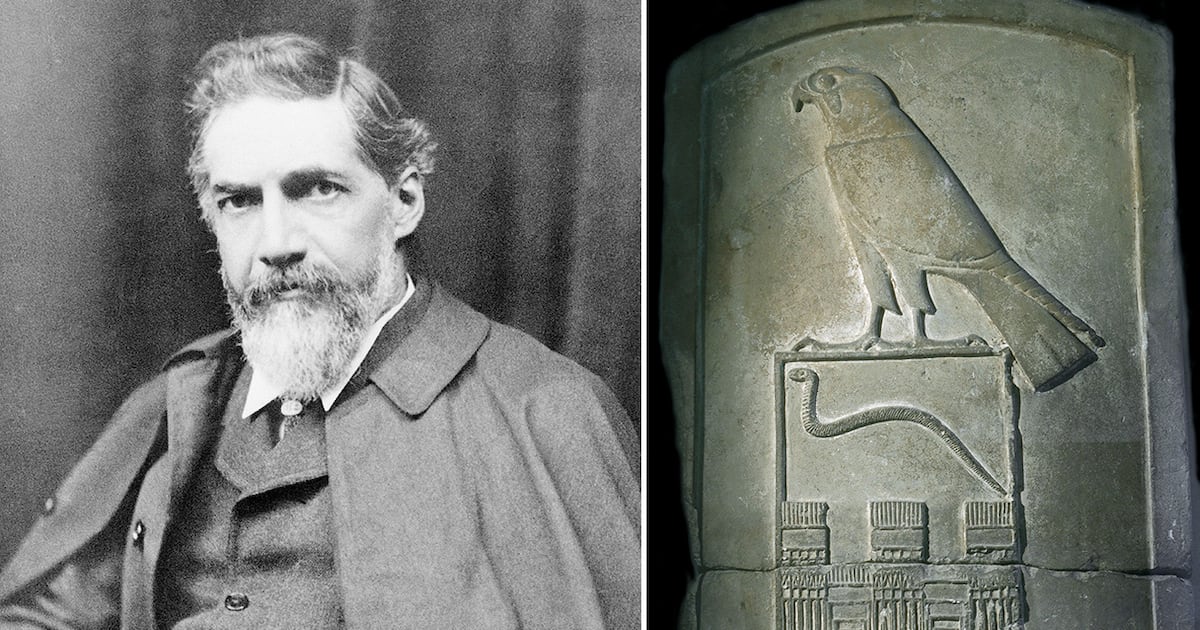
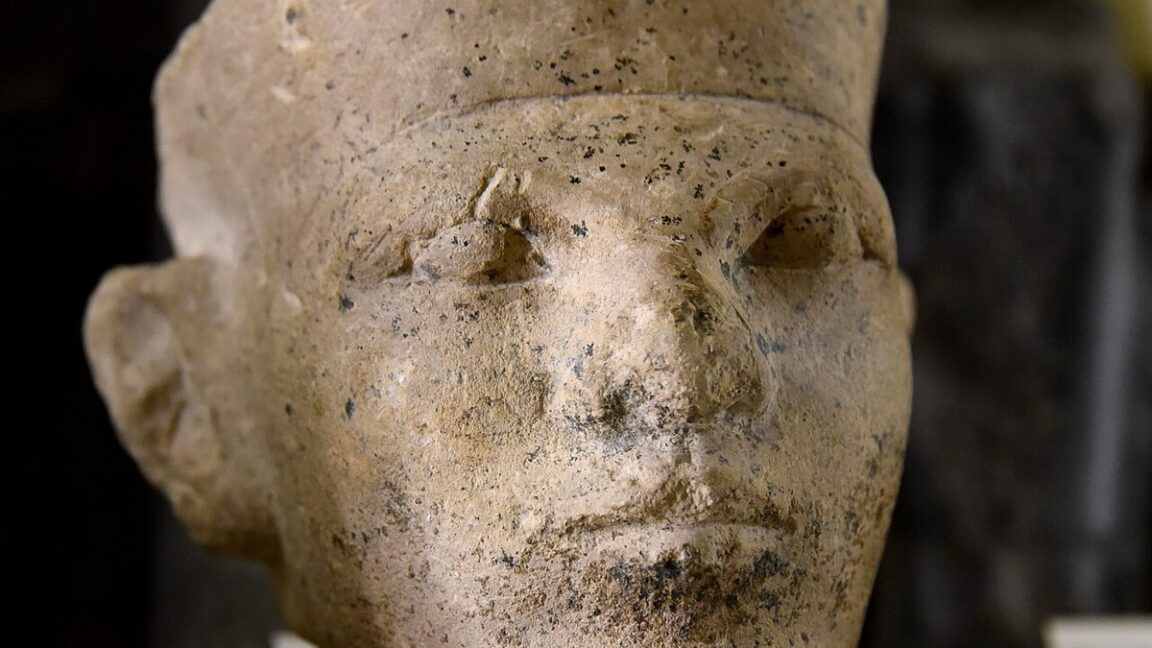
Mixed · 2A new study in Frontiers in Environmental Archaeology reports that 18 of 46 skulls from subsidiary graves around First Dynasty royal tombs at Abydos, Egypt, show signs of lethal head trauma, about 39 per cent. The NationalN “almost 39 per cent had died after being struck in the head” Read at The National ↗ Ars TechnicaLC “linear fractures in 18 of the skulls (about 39 percent), suggesting blunt force trauma” Read at Ars Technica ↗ Mixed · 2The author, Dr Roselyn Campbell of Purdue University, re-examined skulls held in the Duckworth Collection at Cambridge University, taken from graves around the enclosures of Kings Djer and Djet and Queen Merneith. The GuardianLC “Campbell re-examined the skulls of 46 retainers excavated from graves surrounding the funerary enclosures of three different royals” Read at The Guardian ↗ The NationalN “found 46 of these in the Duckworth Collection at Cambridge University” Read at The National ↗ Mixed · 2The remains were excavated in the 1920s by Flinders Petrie, who suspected human sacrifice because of the sheer number of subsidiary graves, some numbering in the hundreds, but found no fatal wounds; others argued the retainers had died naturally and been reburied. The NationalN “Petrie suspected that members of the royal household had been sacrificed following the deaths of kings, but could not prove it” Read at The National ↗ The GuardianLC “others suggested the retainers died naturally and were later reburied at Abydos when their ruler died” Read at The Guardian ↗
Mixed · 2Campbell says the injuries are mostly linear fractures that would likely cause rapid unconsciousness, internal bleeding and death, and that one skull had a chopping injury to the eye. The NationalN “which would likely cause rapid unconsciousness, internal bleeding and death” Read at The National ↗ The GuardianLC “in one case – a chopping injury to the eye” Read at The Guardian ↗ Left · 2She says Petrie probably saw the fractures but, without modern methods for dating injuries, took them for later damage. Ars TechnicaLC “He just didn’t know what he was looking at.” Read at Ars Technica ↗ The GuardianLC “did not realise they were injuries that occurred around the time of death” Read at The Guardian ↗ Mixed · 2She says a royal mace, as often depicted in art, would have caused depressed fractures, so the weapon was more likely a flat, wide object such as a wooden club, board or antler. The NationalN “a mace would have caused depressed fractures” Read at The National ↗ The GuardianLC “flat, wide objects made of wood or antler” Read at The Guardian ↗
Mixed · 2Campbell stresses the limits of the evidence: it is not possible to say exactly what happened, the sample is small, and some of the other individuals may have died naturally or in ways that leave no mark on the skull, such as asphyxiation. The NationalN “We also don’t know what happened to the others. Some could have died naturally.” Read at The National ↗ The GuardianLC “we simply can’t see the full extent of these funerary rituals” Read at The Guardian ↗ Left · 1Campbell says the study is the first to examine human remains from the tombs themselves, and outside experts quoted by The Guardian were broadly supportive: Salima Ikram of the American University in Cairo called it one of few uses of rigorous current methods on these remains, and Dawn McCormack of Samford University said violent deaths were something one might expect. The GuardianLC “this is the first study to examine the human remains from the tombs themselves”“this paper is one of the few times that rigorous current methodologies are being used to evaluate these remains” Read at The Guardian ↗ Mixed · 2Campbell suggests such sacrifice may have reflected belief in an afterlife in which retainers would serve the ruler, or a display of royal power; some may have volunteered while others were forced, and the practice faded early in the Second Dynasty. The NationalN “Some retainers might have volunteered to die to achieve eternal life or honour, others may have been chosen or even forced.” Read at The National ↗ The GuardianLC “seems to have disappeared with the beginning of the Second Dynasty” Read at The Guardian ↗
Every sentence links to the reporting it rests on. The pill in front of each says where its sources sit: Left, Centre or Right when one side supplies at least half of them, Mixed when they are evenly split. The number is how many outlets it cites.
Left2 outlets
- Framing
- Science reporting that presents the study as support for the retainer-sacrifice theory, with expert comment (Guardian) and extended interview with the author (Ars Technica).
- Emphasis
- Guardian: outside expert reaction and the gruesome picture; Ars Technica: forensic method, Petrie's skull-focused, racially biased era, and why sacrifice arose.
- Leaves out or plays down
- Neither dwells on the 'human sacrifice' headline label as The National does; Guardian omits the 39% figure.
- Charged language
- “gruesome”“retainer sacrifice”
- For example
-
“appears to confirm early Egyptologist’s theory” — The Guardian
“Fresh analysis of First Dynasty mass burials finds signs of fatal blunt force trauma on 39 percent of skulls” — Ars Technica
Centre1 outlet
- Framing
- Leads with the forensic finding and frames it as modern science uncovering human sacrifice.
- Emphasis
- The share of victims, Campbell's quotes on the injuries and uncertainty about the rest.
- Leaves out or plays down
- Includes no outside expert reaction.
- Charged language
- “human sacrifice”
- For example
-
“Modern forensic science uncovers human sacrifice in ancient Egypt” — The National
“Almost four in 10 royal household members buried in an ancient Egyptian king’s tomb were probably killed by a deliberate blow to the head” — The National
Right0 outlets
No right outlet in our sources has covered this story yet.
What every side reports
- Campbell re-examined 46 skulls from Petrie's 1920s Abydos excavations held at Cambridge.
- 18 skulls (about 39%) showed fractures consistent with lethal trauma.
- Petrie suspected sacrifice but found no evidence of trauma.
- The findings do not prove all retainers were sacrificed.
Where accounts differ
-
How firmly the evidence shows sacrifice
- Left
- Guardian says it 'appears to confirm' Petrie's theory; Ars says it 'suggests' retainer sacrifice and that proof beyond doubt is another matter.
- Centre
- The National headlines that forensic science 'uncovers human sacrifice' while body text says 'probably killed' and that what happened remains impossible to say.
-
18 of 46 skulls re-examined showed perimortem cranial trauma, about 39 per cent.
Supported- Supports 2
- Ars Technica, The National
- Reports 1
- The Guardian
-
The skull evidence cannot prove that all the retainers were sacrificed.
Reported- Reports 3
- Ars Technica, The Guardian, The National
Flinders Petrie person
Petrie suspected human sacrifice because of the number of subsidiary graves but found no trauma; Campbell says he mistook the fractures for natural or later damage.
“which Petrie seems to have mistaken for naturally-caused damage” — The National
Left2 articles
-
Skull fractures suggest servants of Egypt’s ancient kings were sacrificed
Neutral Cautious headline ('suggest') with outside experts weighing in on the study's significance and limits.
-
New forensic evidence supports Egyptian "retainer sacrifice"
Neutral Long interview-driven piece placing the finding in the history of Egyptology and Petrie's era.
Centre1 article
-
Modern forensic science uncovers human sacrifice in ancient Egypt
Neutral Straightforward report leading with the finding that nearly 4 in 10 were probably killed, built on Campbell's quotes.
Right0 articles
No coverage yet.
- 5 Oct 04:00 First The NationalN Modern forensic science uncovers human sacrifice in ancient Egypt
- 5 Oct 05:00 +1h 1m The GuardianLC Skull fractures suggest servants of Egypt’s ancient kings were sacrificed
- 5 Oct 05:00 +1h 1m Ars TechnicaLC New forensic evidence supports Egyptian "retainer sacrifice"
Times are when each article was published, or when we first saw it if the outlet gave no time.