Study links Antarctic sea ice decline to rising Southern Ocean salinity
A paper published on 28 October reports a sharp rise in salinity in a deep layer of the Southern Ocean, which researchers tie to Antarctic sea ice loss since 2016. Scientists quoted say it could have global consequences, though it is not yet clear whether the shift is permanent.
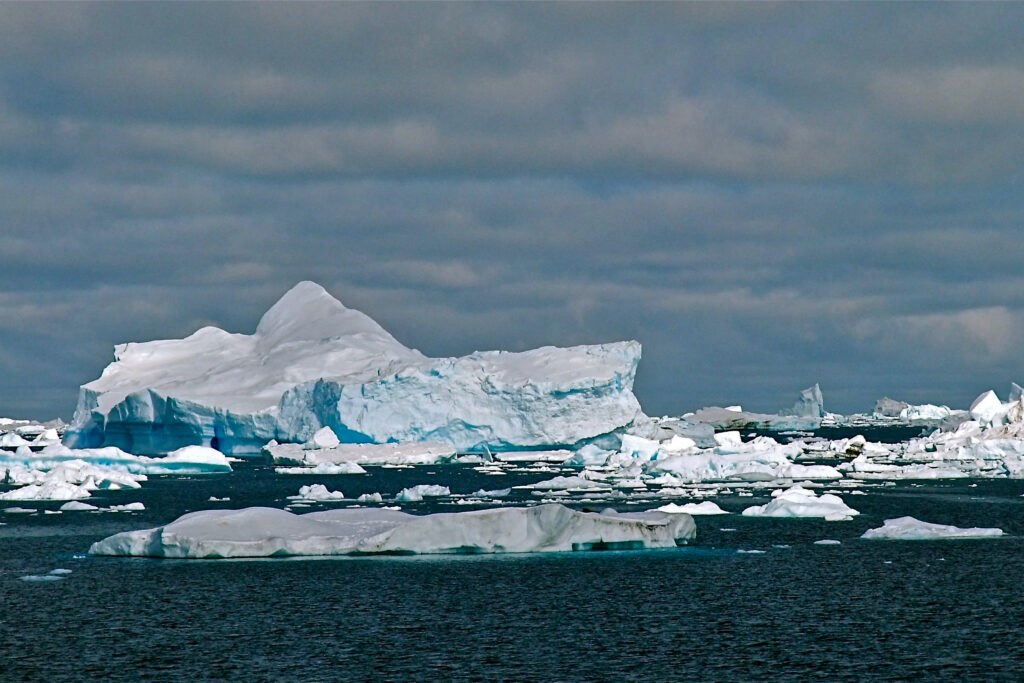
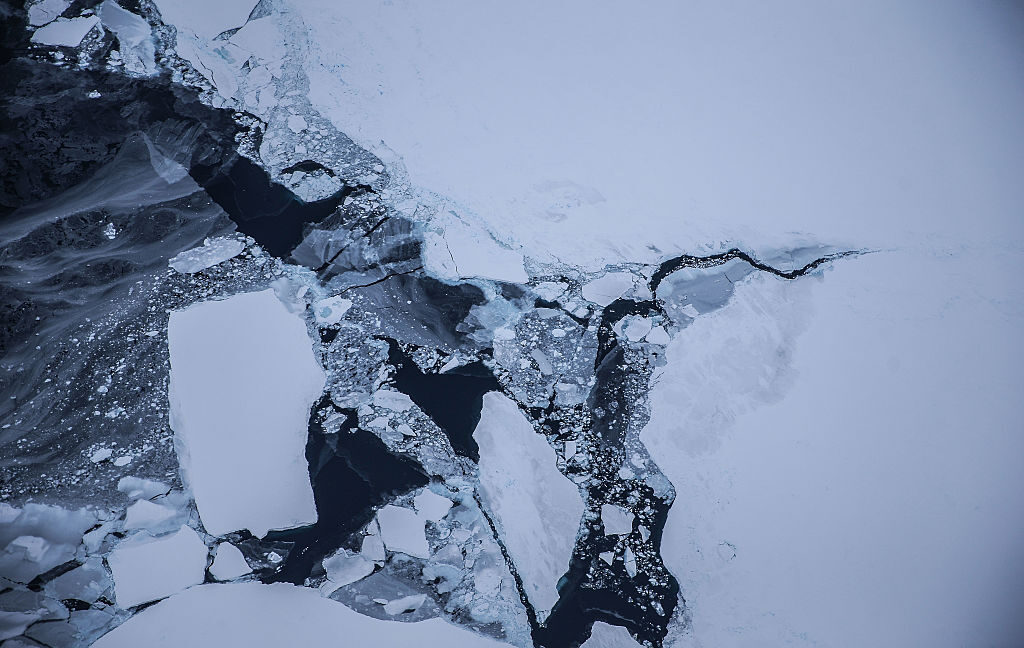
1 / 2
The story, neutrally told
Left · 2A paper published on Wednesday 28 October documented a sharp increase in salinity in a vast layer of the Southern Ocean that encircles Antarctica and extends from 2,300 to 4,000 feet deep. Inside Climate NewsLC “researchers documented a sharp salinity increase in a vast layer of the Southern Ocean, extending from 2,300 to 4,000 feet deep and encircling Antarctica” Read at Inside Climate News ↗ Ars TechnicaLC “researchers documented a sharp salinity increase in a vast layer of the Southern Ocean, extending from 2,300 to 4,000 feet deep and encircling Antarctica” Read at Ars Technica ↗ Left · 1The shift reverses decades of freshening. According to the report, it echoes ocean changes usually associated with major global climate shifts over millennia, but it is happening in just a few years. Inside Climate NewsLC “The shift reverses decades of freshening and echoes ocean changes usually associated with major global climate shifts over millennia” Read at Inside Climate News ↗ Left · 2Co-author Bishakhdatta Gayen, of the University of Melbourne and the Centre for Atmospheric and Oceanic Sciences in Bengaluru, said the study combined six independent datasets covering 2004 to 2024, including readings from Argo floats that measure properties such as density and salinity at different depths. Inside Climate NewsLC “Gayen said the study combined six independent datasets to track changes in the Southern Ocean from 2004 to 2024.” Read at Inside Climate News ↗ Ars TechnicaLC “The data came from Argo floats, which drift through the ocean and periodically descend to different depths” Read at Ars Technica ↗
Left · 2The researchers link the change to the decline in Antarctic sea ice since 2016. Sea ice reached its highest extent in the satellite record in 2014, dropped to a record low two years later, and hit another low in 2023, when it was about 1 million square miles below the 1981–2010 average. Inside Climate NewsLC “Antarctic sea ice reached its highest extent in the satellite record in 2014 and suddenly dropped to a record low just two years later.” Read at Inside Climate News ↗ Ars TechnicaLC “reached another low point in 2023, when it measured about 1 million square miles below the 1981 to 2010 average” Read at Ars Technica ↗ Left · 2As the ice dwindles, less freshwater is available during the melt season, which makes the layer, known as Antarctic Intermediate Water, saltier. Gayen also pointed to a 2025 study that detected increasing surface salinity linked to declining sea ice. Inside Climate NewsLC “As the ice dwindles, there’s less freshwater available during the melt season, making the Antarctic Intermediate Water saltier.” Read at Inside Climate News ↗ Ars TechnicaLC “A 2025 study also detected increasing surface salinity linked to declining sea ice, he added.” Read at Ars Technica ↗ Left · 2The layer spreads north into the Indian, Pacific and Atlantic oceans, carrying heat, carbon, oxygen and nutrients toward the tropics and beyond the equator. Gayen said changes to its density, thickness and salinity could affect how the ocean stores and redistributes heat. Inside Climate NewsLC “spreads northward into the Indian, Pacific and Atlantic oceans, transporting heat, carbon, oxygen and nutrients toward the tropics” Read at Inside Climate News ↗ Ars TechnicaLC ““could affect how the ocean stores and redistributes heat,” Gayen said” Read at Ars Technica ↗
Left · 2Gayen said more monitoring is needed because impacts are potentially "knocking on your door" within five years. He said these could include increased storm frequency and ocean heat loss, as identified by a 2024 study. Inside Climate NewsLC “impacts are potentially “knocking on your door” within five years” Read at Inside Climate News ↗ Ars TechnicaLC “Those impacts, he said, could include increased storm frequency and ocean heat loss identified by a 2024 study.” Read at Ars Technica ↗ Left · 2Michael Meredith, an oceanographer with the British Antarctic Survey, said the research shows sea-ice loss since 2016 is already affecting the properties and circulation of deep ocean waters. He called the Southern Ocean "the key juncture for all the world’s oceans" and said it plays a "massive role" in absorbing human carbon dioxide emissions. Inside Climate NewsLC ““The Southern Ocean is the key juncture for all the world’s oceans,” he said.” Read at Inside Climate News ↗ Ars TechnicaLC “The Southern Ocean also plays a “massive role” in drawing down human carbon dioxide emissions” Read at Ars Technica ↗ Left · 2Meredith said it is not yet clear whether the shift is permanent, because it rests on a relatively short observational record. He added that global climate models used to guide policy still struggle to reflect recent sea ice losses, saying "Our climate models need to catch up." Inside Climate NewsLC “Meredith said it’s not yet clear whether the shift is permanent because it’s based on a relatively short observational record.” Read at Inside Climate News ↗ Ars TechnicaLC ““Our climate models need to catch up,” he said.” Read at Ars Technica ↗
Left · 2The report places the finding alongside earlier research. A review earlier this year said the "speed and persistence" of the sea ice decline suggests the ocean around Antarctica may be moving into a new state. Other work found that deep Southern Ocean circulation has slowed, whereas Meredith said the upper circulation can affect climate within years to decades. Inside Climate NewsLC “The “speed and persistence” of the sea ice decline suggests the ocean around Antarctica may be moving into a new state” Read at Inside Climate News ↗ Ars TechnicaLC “deep circulation in the Southern Ocean has slowed, reducing the rate at which new waters flood and cool the deepest areas” Read at Ars Technica ↗
Every sentence links to the reporting it rests on. The pill in front of each says where its sources sit: Left, Centre or Right when one side supplies at least half of them, Mixed when they are evenly split. The number is how many outlets it cites.
Left2 outlets
- Framing
- Both articles are the same Bob Berwyn report. Inside Climate News published it first, and Ars Technica ran it as a republication. It presents the study as a sign of a dramatic shift in Earth's climate system caused by sea ice loss, with possible global consequences.
- Emphasis
- The speed of the change, possible effects on heat storage, storms and carbon uptake, the need for more monitoring, and the shortcomings of climate models.
- Leaves out or plays down
- No outlet in the coverage includes an independent or sceptical voice beyond Meredith's caution about the short record. The study's lead author is not quoted, and no named journal or paper title is given.
- Charged language
- “dramatic shift”“knocking on your door”“hidden ocean change”
- For example
-
“has triggered a dramatic shift in a crucial part of Earth’s climate system, scientists say” — Inside Climate News
“This story originally appeared on Inside Climate News.” — Ars Technica
“A hidden ocean change near Antarctica could have global consequences” — Ars Technica
Centre0 outlets
No centre outlet in our sources has covered this story yet.
Right0 outlets
No right outlet in our sources has covered this story yet.
What every side reports
- A paper published 28 October reports a sharp rise in salinity in a Southern Ocean layer 2,300 to 4,000 feet deep.
- The study combined six datasets covering 2004 to 2024, including Argo float data.
- The researchers tie the change to Antarctic sea ice decline since 2016.
- Michael Meredith of the British Antarctic Survey says it is not yet clear whether the shift is permanent.
Left2 articles
-
Antarctic Sea Ice Decline Is Triggering Global Ocean Changes
Alarmist Leads with a dramatic climate-system shift triggered by sea ice loss, quoting scientists on global consequences and a five-year window, with a caveat that permanence is unclear.
-
A hidden ocean change near Antarctica could have global consequences
Mixed Republishes the Inside Climate News text under a headline stressing a hidden change with global consequences, with the same caveats about the short record.
Centre0 articles
No coverage yet.
Right0 articles
No coverage yet.
- 28 Oct 10:00 First Inside Climate NewsLC Antarctic Sea Ice Decline Is Triggering Global Ocean Changes
- 28 Oct 13:38 +3h 39m Ars TechnicaLC A hidden ocean change near Antarctica could have global consequences
Times are when each article was published, or when we first saw it if the outlet gave no time.
Ask about this story
Loading…