Study links circadian sleep patterns to weaker antidepressant response in depression
An Australian genetic study of 11,380 people with depression proposes a "circadian depression" subtype, tied to body-clock disruption, severer symptoms and poorer antidepressant response. Coverage stresses the findings are preliminary and cannot show cause.
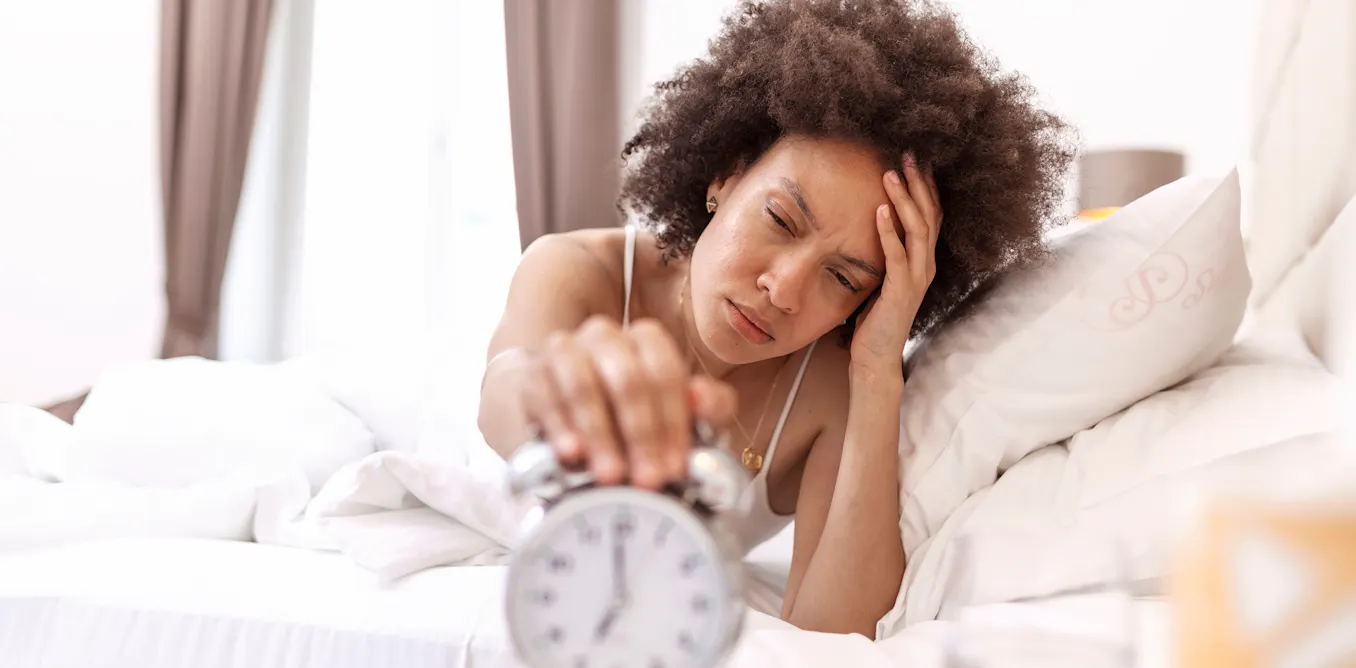
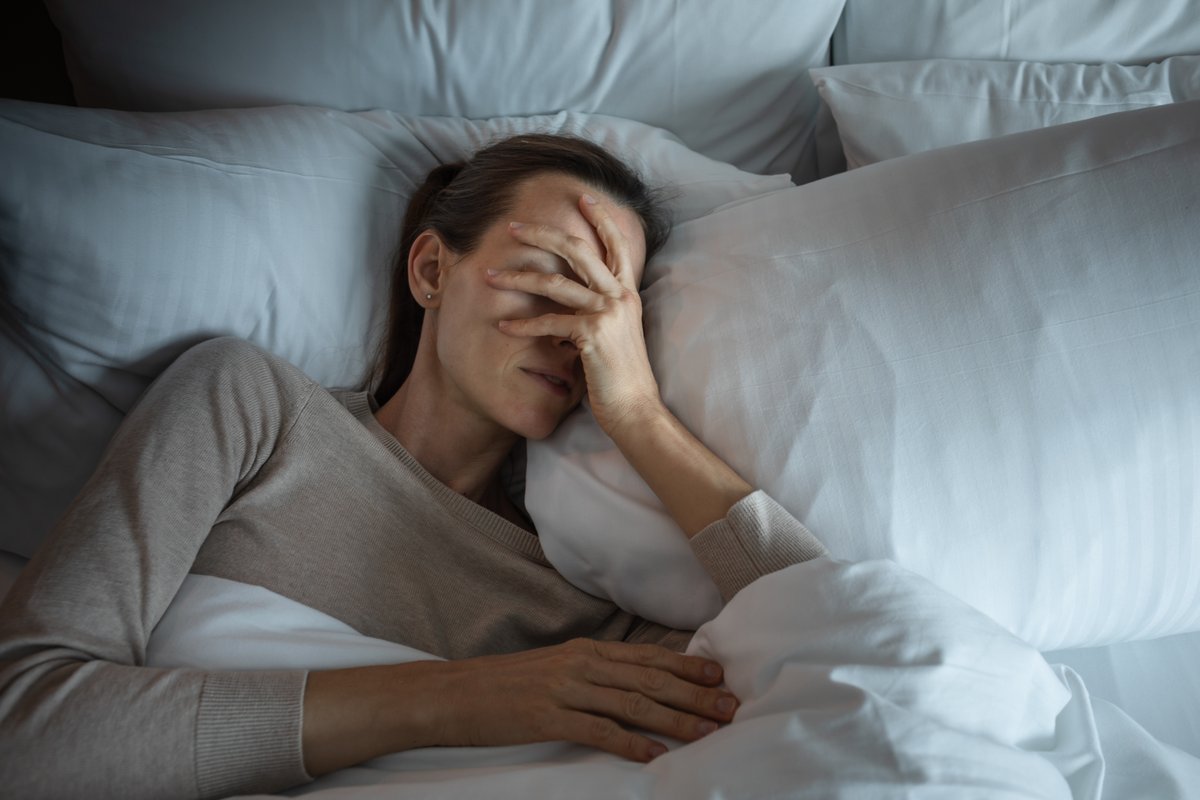
1 / 2
The story, neutrally told
Left · 2A study of 11,380 people with depression, drawn from the Australian Genetics of Depression Study, proposes a subtype called "circadian depression", linked to disturbances of the body's roughly 24-hour internal clock. The ConversationLC “An Australian study examined 11,380 people, predominantly with severe or recurring depression.” Read at The Conversation ↗ Scientific AmericanLC “analyzed clinical and genetic data of 11,380 people with depression who participated in the Australian Genetics of Depression Study (AGDS)” Read at Scientific American ↗ Left · 1About 23% of participants met the researchers' criteria, which required at least three of six features, such as being a night owl, sleeping longer when depressed, morning tiredness and seasonal changes in mood or behaviour. The ConversationLC “About 23% met the researchers’ criteria for a proposed subtype called “circadian depression””“Participants needed at least three of six features” Read at The Conversation ↗ Left · 1Scientific American reports the work appeared in the British Journal of Psychiatry and was led by Emiliana Tonini of the University of Sydney; it says the group had more severe symptoms on average and greater genetic risk for other mental health, inflammatory, metabolic and cardiovascular conditions. Scientific AmericanLC “In a recent study in the British Journal of Psychiatry, Tonini and her colleagues analyzed clinical and genetic data”“greater genetic risk for other health problems, including other mental health conditions, as well as inflammatory, metabolic and cardiovascular issues” Read at Scientific American ↗
Left · 1The group reported less benefit and more side-effects from SSRIs and SNRIs, two common antidepressant types, though some people with these sleep patterns still benefited. The ConversationLC “this group reported less benefit and more side-effects from two common types of antidepressants, SSRIs and SNRIs”“some people with these sleep patterns still reported benefiting from these medicines” Read at The Conversation ↗ Left · 1Scientific American attributes the antidepressant finding to another analysis of the same participants, which found the drugs worked less well for night owls, who reported more side effects. Scientific AmericanLC “Another analysis of AGDS participants found that antidepressants worked less well for night owls, and they reported more side effects.” Read at Scientific American ↗ Left · 1The Conversation's author, Timothy Hearn of the University of Cambridge and Anglia Ruskin University, adds that the study found genetic associations with later sleep timing, reduced insulin sensitivity and an inflammation-related protein, and says these reflect inherited tendencies, not proof of blood-sugar problems or inflammation. The ConversationLC “These associations reflect inherited tendencies, rather than evidence that participants actually had blood-sugar problems or inflammation.” Read at The Conversation ↗
Left · 2Both pieces stress limits: participants recalled their symptoms and medication experiences, the researchers did not measure internal clocks or establish cause and effect, all participants had European genetic ancestry, and it is unclear whether this is a distinct subtype. The ConversationLC “The researchers did not measure their internal clocks or establish cause and effect.”“All participants had European genetic ancestry, limiting how widely the findings can be applied.” Read at The Conversation ↗ Scientific AmericanLC “The researchers still aren’t sure whether these cases of depression are caused by, or simply associated with, problems with circadian rhythm.” Read at Scientific American ↗ Left · 1Tonini said conventional antidepressants may not directly address these disturbances and that treatments targeting the body clock, such as melatonin or light therapy, may prove beneficial; she said the team hopes to test the link in more diverse populations. Scientific AmericanLC ““Conventional antidepressants may not directly address these disturbances,” Tonini says.”“Tonini says they hope to test the link in more diverse populations in the future.” Read at Scientific American ↗ Left · 1The Conversation cautions that the study did not test body-clock treatments; it cites a review of 11 trials with 858 people in which about 41% given bright light reached remission versus 24% in comparison groups, but those trials did not select people with the proposed subtype. The ConversationLC “The Australian study did not test body-clock treatments”“about 41% of people receiving bright light improved enough to fall below the threshold for depression, compared with 24%”“But these trials did not select people with the proposed circadian subtype” Read at The Conversation ↗
Left · 1The Conversation adds that light therapy needs correct timing and medical guidance, particularly in bipolar disorder, that melatonin supplements are not established as a depression treatment, and that sleep patterns cannot yet reliably predict which antidepressant will work, so nobody should change medication without medical advice. The ConversationLC “studies have not established melatonin supplements as an effective depression treatment”“the findings provide no reason to change prescribed medication without medical advice” Read at The Conversation ↗ Left · 1Clinical psychologist Amy Marschall told Scientific American that natural sleep-wake rhythms vary between people, and that finding what underlies depression matters for diagnosis. Scientific AmericanLC “some people have different natural rhythms”“Getting to what’s going on beneath the surface or what’s causing the [depression] matters.” Read at Scientific American ↗
Every sentence links to the reporting it rests on. The pill in front of each says where its sources sit: Left, Centre or Right when one side supplies at least half of them, Mixed when they are evenly split. The number is how many outlets it cites.
Left2 outlets
- Framing
- Both left-leaning outlets present an explanatory science piece on body-clock disruption as a possible route to personalised depression care. The Conversation is cautious and treatment-focused; Scientific American leads on the possibility of a more severe, less responsive form of depression.
- Emphasis
- The Conversation: limits of the evidence, light therapy trial data, measuring internal clocks. Scientific American: researcher and clinician quotes, severity and genetic risk.
- Leaves out or plays down
- Scientific American gives less detail on the study's limitations (recall-based data, no clock measurements) and none on light therapy trial evidence. The Conversation does not quote the study's lead author.
- Charged language
- “lesser-known form of depression”“more intertwined than we thought”
- For example
-
“A lesser-known form of depression may be caused by disrupted sleep-wake cycles—and could be more likely to cause severe symptoms than other forms of the condition.” — Scientific American
“For now, sleep patterns cannot reliably predict which antidepressant will work best” — The Conversation
Centre0 outlets
No centre outlet in our sources has covered this story yet.
Right0 outlets
No right outlet in our sources has covered this story yet.
What every side reports
- The study analysed 11,380 people with depression in an Australian cohort.
- Roughly a quarter (23%) met proposed criteria for circadian depression.
- The group reported poorer antidepressant response and more side effects.
- The findings are preliminary and do not establish cause and effect.
Where accounts differ
-
How strongly the link is framed
- Left
- Scientific American's opening says this depression 'may be caused by' disrupted sleep-wake cycles, while later noting researchers are unsure of cause; The Conversation stresses throughout that cause and effect are not established.
Circadian depression topic
Described as a proposed, not established, subtype marked by body-clock disturbances, associated with severer symptoms and weaker antidepressant response; both outlets say it is unclear whether it is distinct or causal.
“Some features overlap with recognised forms of depression, so it remains unclear whether this is a distinct subtype.” — The Conversation
“Almost a quarter met the proposed criteria for circadian depression.” — Scientific American
Depression treatment topic
Presented as an area where matching patients to effective treatment first time is poor; body-clock measurement and light timing are floated as future routes, pending trials.
“currently, we are not really good at matching a patient to an effective treatment that will work for them on the first try.” — Scientific American
“Researchers need to establish whether the proposed group really has distinct biological rhythms” — The Conversation
Left2 articles
-
How the body clock could help personalise depression treatment
Neutral Cautious explainer by an academic, separating what the study found from hypotheses about light therapy and personalised treatment.
-
Sleep and depression may be more intertwined than we thought
Mixed Science feature that opens with a stronger causal-sounding claim ('may be caused by disrupted sleep-wake cycles') before noting causation is unresolved.
Centre0 articles
No coverage yet.
Right0 articles
No coverage yet.
- 26 Oct 16:48 First The ConversationLC How the body clock could help personalise depression treatment
- 27 Oct 14:00 +21h 12m Scientific AmericanLC Sleep and depression may be more intertwined than we thought
Times are when each article was published, or when we first saw it if the outlet gave no time.
Ask about this story
Loading…