Trump administration shifts federal homelessness policy away from Housing First
The Trump administration is moving federal homelessness money toward treatment-linked, time-limited housing and away from Housing First. Local providers say they are cutting or changing permanent housing, while HUD says the old model failed.
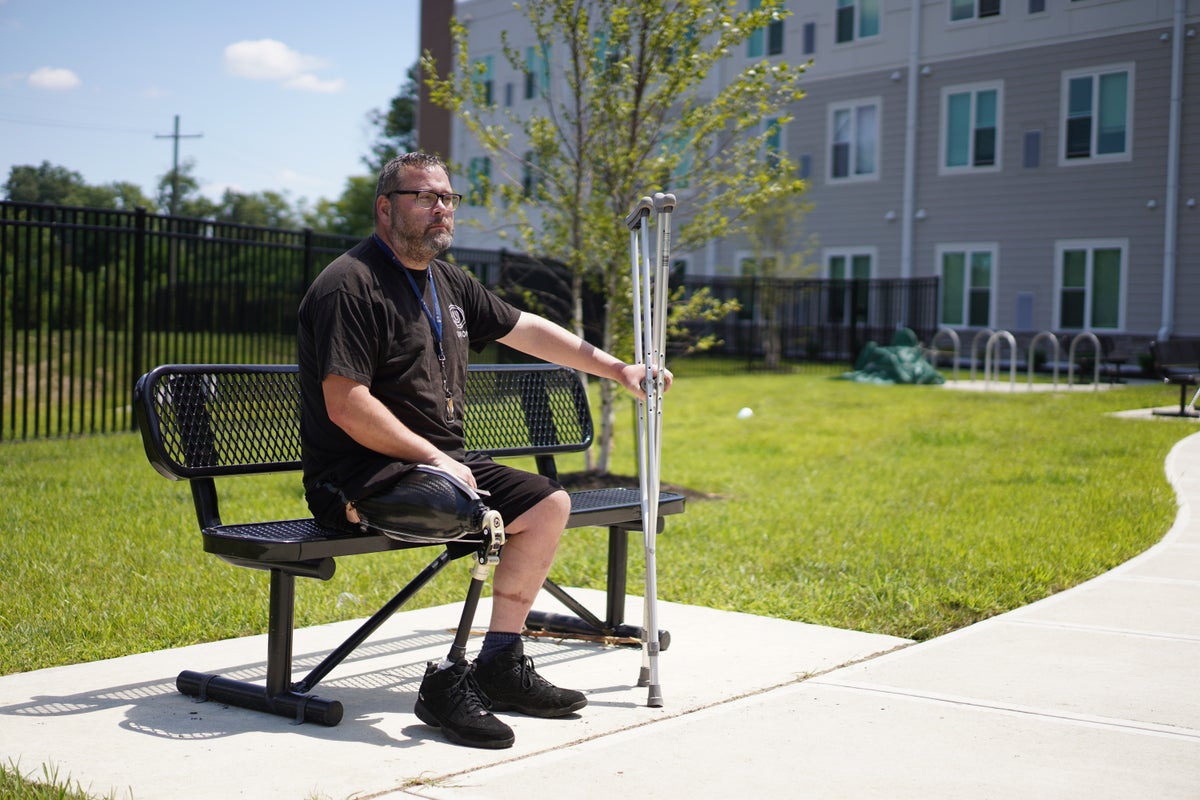
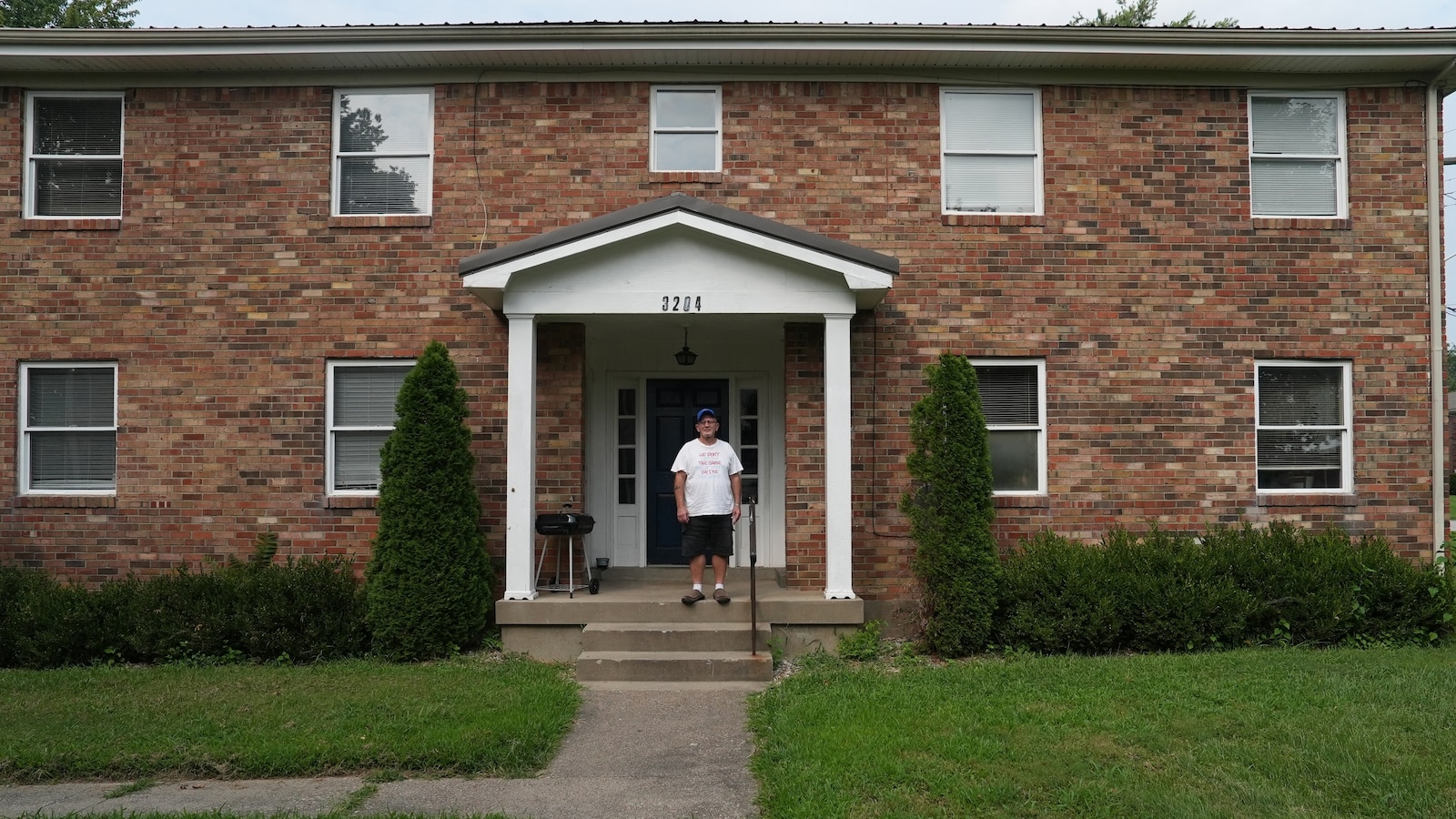
1 / 2
The story, neutrally told
The Trump administration is shifting federal homelessness policy and funding away from "Housing First", which has been central to federal policy for more than a decade. The IndependentLC “President Donald Trump's administration is shifting federal policy and dollars away from the “Housing First” approach that's been the heart of federal homelessness policy for more than a decade.” Read at The Independent ↗ ABC NewsLC “The Trump administration is shifting federal policy and dollars away from the “Housing First” approach” Read at ABC News ↗ Housing First places vulnerable people in permanent housing before addressing other problems, while the administration prefers housing lasting up to two years during which people must get treatment. The IndependentLC “The administration prefers relying on temporary housing where people can live for no more than two years while they go through required programs” Read at The Independent ↗ ABC NewsLC “The administration favors housing lasting up to two years, during which people would be required to get treatment.” Read at ABC News ↗ Last year Trump signed an executive order calling for an end to federal support for Housing First, and his proposed budget would eliminate the federal initiative that mostly funds it. ABC NewsLC “Last year, Trump signed an executive order calling for an end to federal support for Housing First policies.” Read at ABC News ↗ The IndependentLC “Trump’s proposed budget calls for eliminating the $4 billion Continuum of Care program” Read at The Independent ↗
After the Department of Housing and Urban Development (HUD) tried to rework its grants, local governments and advocates sued and a federal judge sided with them, but this month an appeals court said the administration could proceed with awarding grants. The IndependentLC “A federal judge agreed with them. But this month, an appeals court said the administration could move ahead awarding grants.” Read at The Independent ↗ HUD said in an email that "Housing First has failed our most vulnerable and enabled addiction" and that its reforms target root causes and promote recovery and self-sufficiency. ABC NewsLC ““Housing First has failed our most vulnerable and enabled addiction,” HUD said in an email.” Read at ABC News ↗ Devon Kurtz of the Cicero Institute said the main difference is that opponents do not think addiction and mental health services should be optional, and he worried permanent supportive housing had become one-size-fits-all. ABC NewsLC ““That is the biggest difference between Housing First and not Housing First,” said Devon Kurtz” Read at ABC News ↗
Providers say they are reluctantly changing plans to keep federal money: projects were scrapped in Corbin, Kentucky, less housing is available in Santa Cruz County, California, and Louisville nonprofits are considering making some permanent housing temporary. ABC NewsLC “Planned housing projects have been scrapped in communities such as Corbin, Kentucky.” Read at ABC News ↗ The IndependentLC “In Louisville, Kentucky, nonprofits are looking at making some permanent housing temporary.” Read at The Independent ↗ They fear the changes will hurt or push back onto the streets people with extreme health risks, and say most chronically homeless people cannot stabilise within two years, though they accept transitional housing suits some. The IndependentLC “But they say most chronically homeless people can’t pull their lives together within two years and would likely wind up homeless again.” Read at The Independent ↗ Nearly 750,000 people were homeless last year, slightly down on the prior year but up 31% from 2019, according to a HUD-compiled estimate. The IndependentLC “nearly 750,000 people were homeless last year, according to an estimate compiled by the U.S. Department of Housing and Urban Development.” Read at The Independent ↗ ABC NewsLC “up 31% from 2019” Read at ABC News ↗
Studies consistently show Housing First keeps people stably housed, and some find it does so better than other models, but findings on health outcomes are mixed. The IndependentLC “Studies have consistently shown that Housing First programs keep people stably housed.” Read at The Independent ↗ ABC NewsLC “But findings on health outcomes have been mixed.” Read at ABC News ↗
Every sentence links to the reporting it rests on.
Left2 outlets
- Framing
- Both outlets carry the same Associated Press reporting. ABC News runs the full feature, led by Louisville homeless people and providers facing upheaval. The Independent runs an AP takeaways summary with a debate-and-consequences framing.
- Emphasis
- Human impact on chronically ill homeless people, provider fears, and the scale of the policy change.
- Leaves out or plays down
- The administration's case appears mainly as a brief HUD email and one Cicero Institute quote; the Independent summary omits it entirely.
- Charged language
- “upheaval”“take an ax to everything”
- For example
-
“The upheaval, providers and advocates say, threatens the lives of some of the most vulnerable people in the nation.” — ABC News
“There's deep debate about which way is more effective” — The Independent
Centre0 outlets
No centre outlet in our sources has covered this story yet.
Right0 outlets
No right outlet in our sources has covered this story yet.
What every side reports
- The administration is shifting policy and money away from Housing First toward time-limited, treatment-linked housing.
- Trump signed an executive order last year calling for an end to federal support for Housing First.
- Nearly 750,000 people were homeless last year, up 31% from 2019.
- Studies show Housing First keeps people stably housed, but health outcomes are mixed.
- Providers in Corbin, Santa Cruz County and Louisville have changed or scrapped plans.
Where accounts differ
-
Whether Housing First or the administration's alternative better serves homeless people
- Left
- Both articles, which are AP reporting, present providers' fears of harm to vulnerable people prominently, alongside HUD's and Cicero Institute's criticism of Housing First.
Trump administration organisation
Through HUD, it says Housing First failed and enabled addiction, and it favors time-limited housing with required treatment.
““HUD’s proposed reforms seek to address the root causes of homelessness and advance recovery, self-sufficiency, and competition that drives accountability.”” — ABC News
Housing First topic
Providers and advocates defend it as keeping people stably housed and warn that ending it endangers the most vulnerable.
““Housing is healthcare,” said St. John executive director Ra’Shann Martin” — ABC News
UK and Ireland1 outlet
The Independent runs a compact AP-based explainer of the policy change and its effects.
“Here are some takeaways from The Associated Press' reporting:” — The Independent
The Independent
North America1 outlet
ABC News runs the full AP feature with personal stories from Louisville and New Jersey.
““I’m going to die sleeping outdoors,” he said, choking up.” — ABC News
ABC News
Left2 articles
-
Takeaways from the AP's story about the Trump administration's effort to end 'Housing First'
Neutral An AP takeaways piece laying out numbers, the research debate, the legal fight and local effects.
-
ABC NewsLC · · via AP
Trump’s shift from 'Housing First' causing upheaval for homelessness programs
Sympathetic An AP feature centred on vulnerable Louisville residents and providers, with the administration's view given briefly.
Centre0 articles
No coverage yet.
Right0 articles
No coverage yet.
- 30 Sep 11:02 First The IndependentLC Takeaways from the AP's story about the Trump administration's effort to end 'Housing First'
- 30 Sep 12:25 +1h 23m ABC NewsLC Trump’s shift from 'Housing First' causing upheaval for homelessness programs via AP
Times are when each article was published, or when we first saw it if the outlet gave no time.