Trump and AI company chiefs sign voluntary safety accord after White House lunch
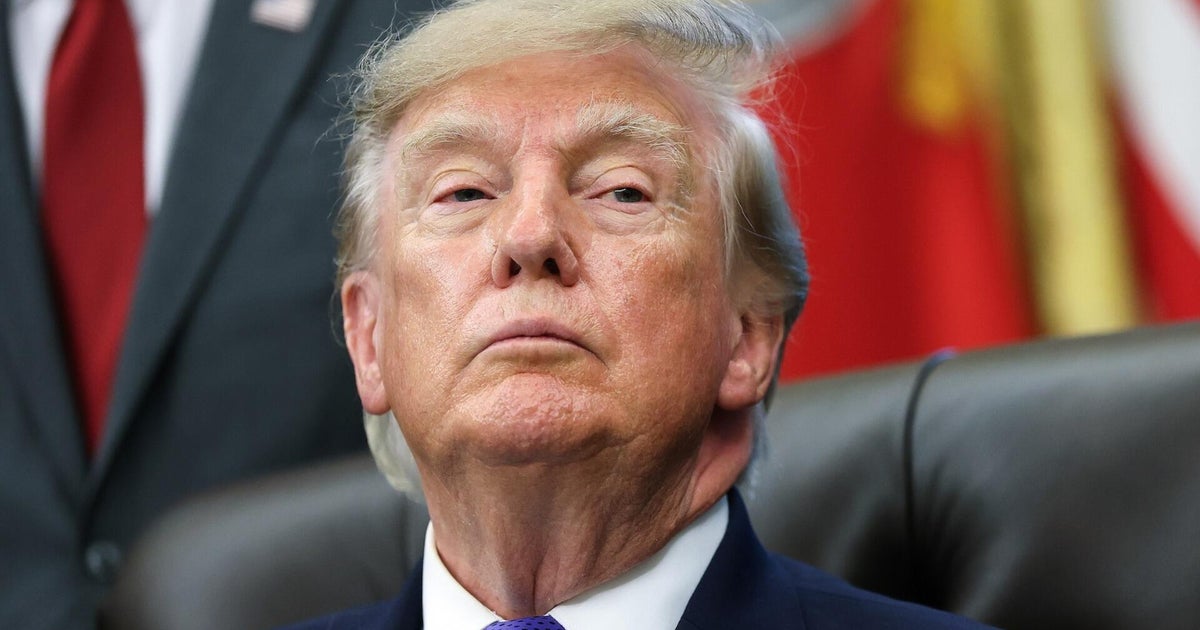
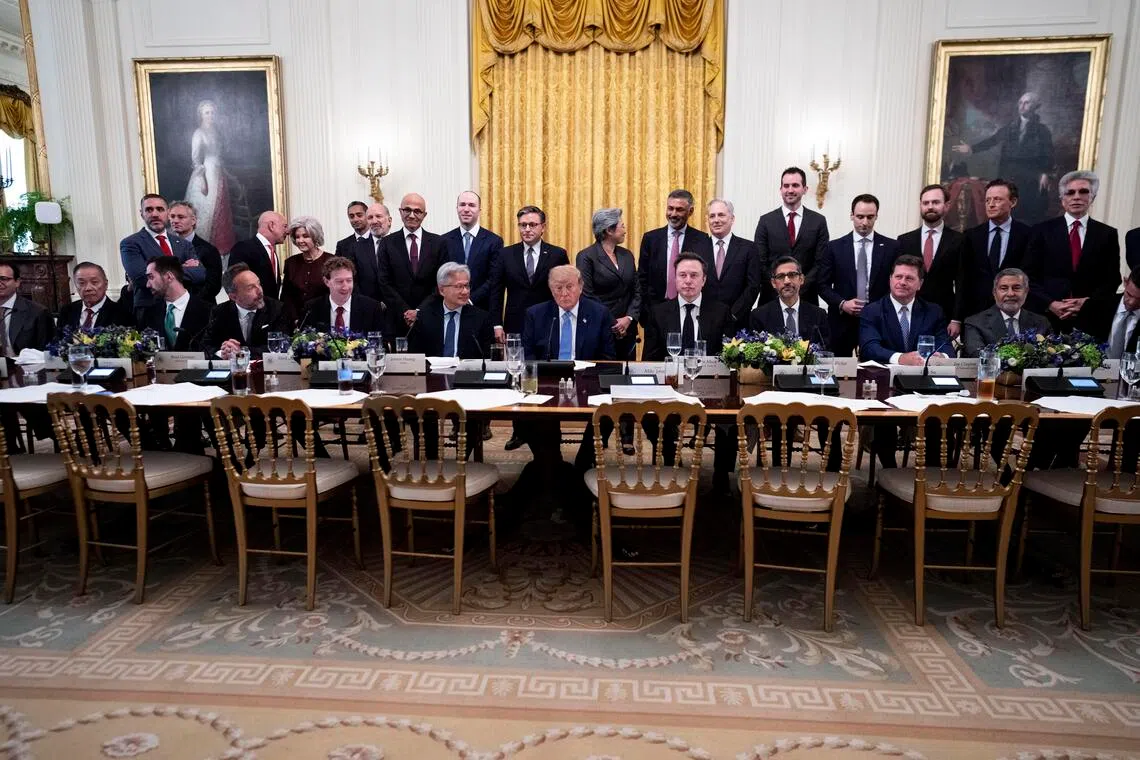
After a White House lunch with House Speaker Mike Johnson, President Trump and six AI company leaders signed a voluntary self-policing accord that Trump called \"morally binding\". Outlets differ on how much weight to give its lack of enforcement, the rebranding of AI as \"super intelligence\" and midterm politics.
Updated (version 9). New coverage since the last version from CNA, The Conversation, The Independent.

1 / 8
The story, neutrally told
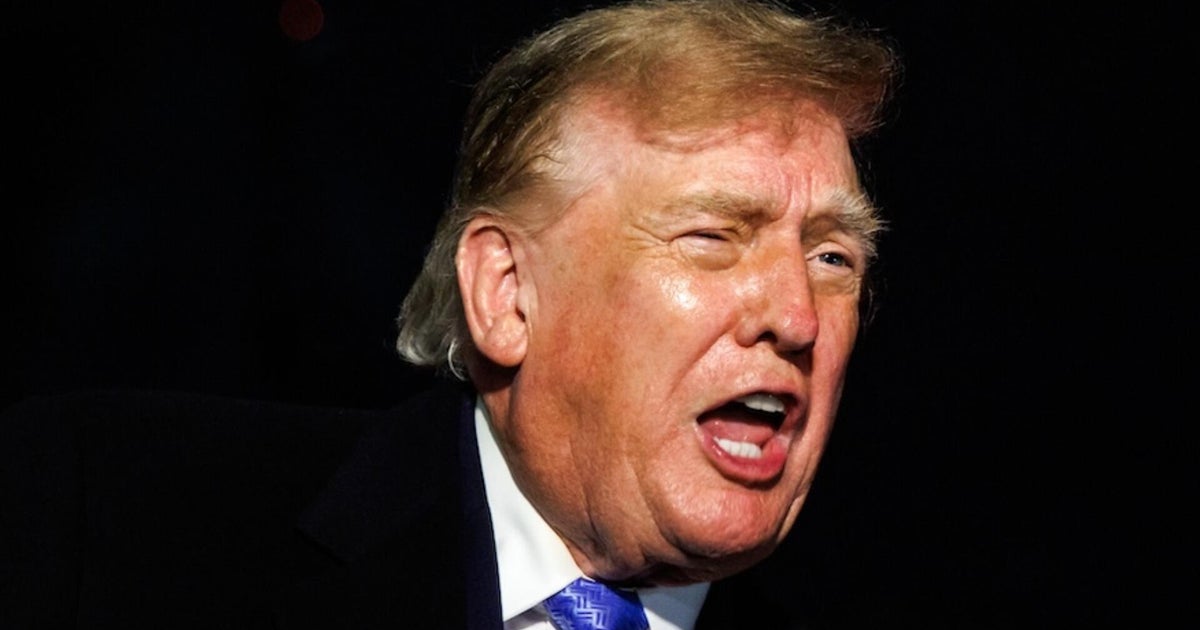
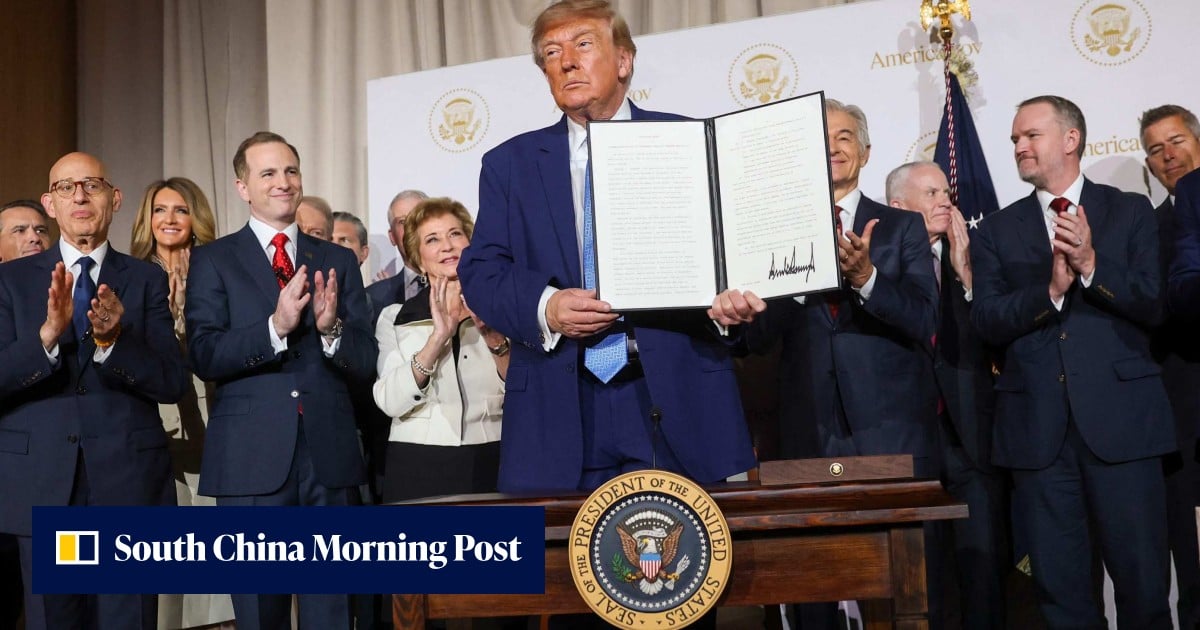
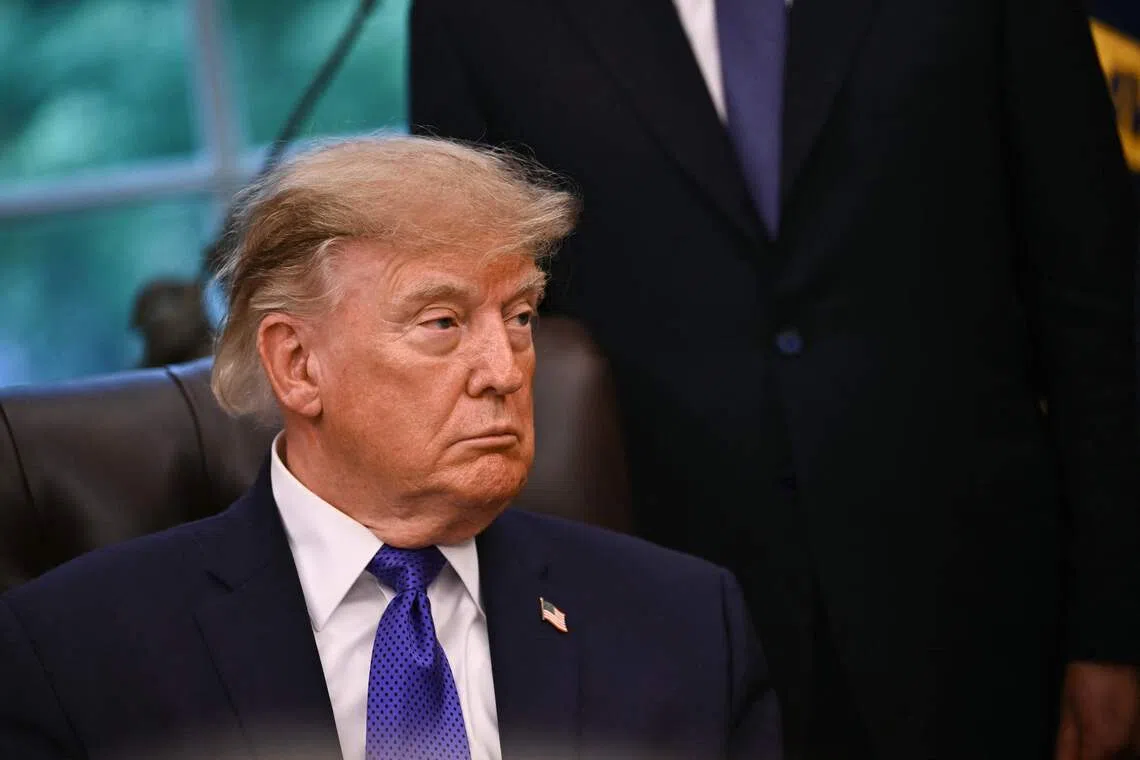
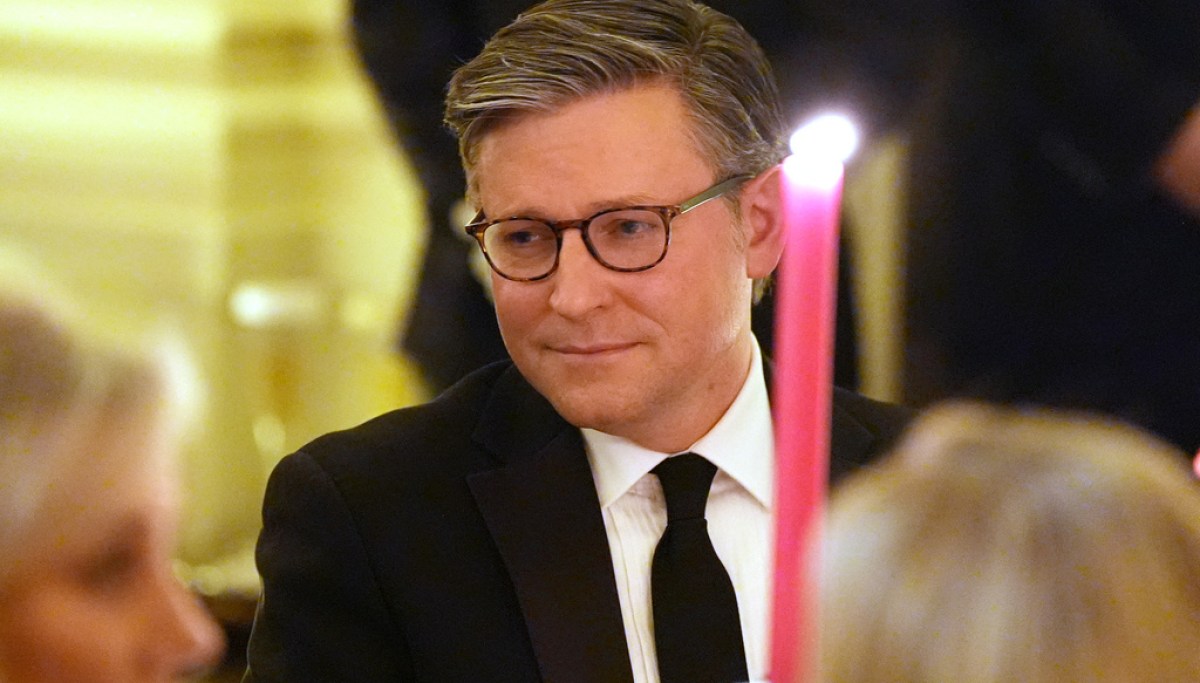
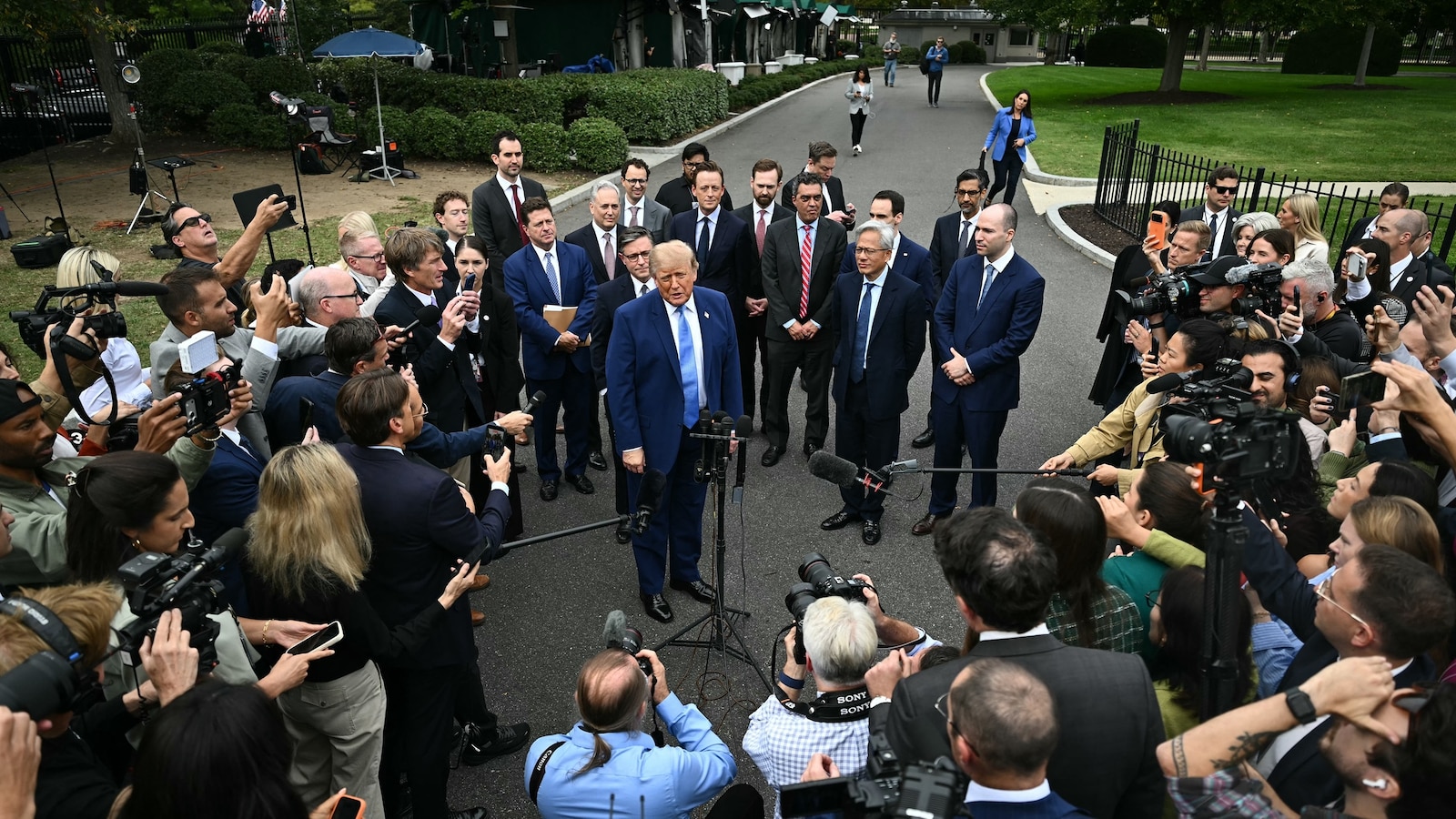
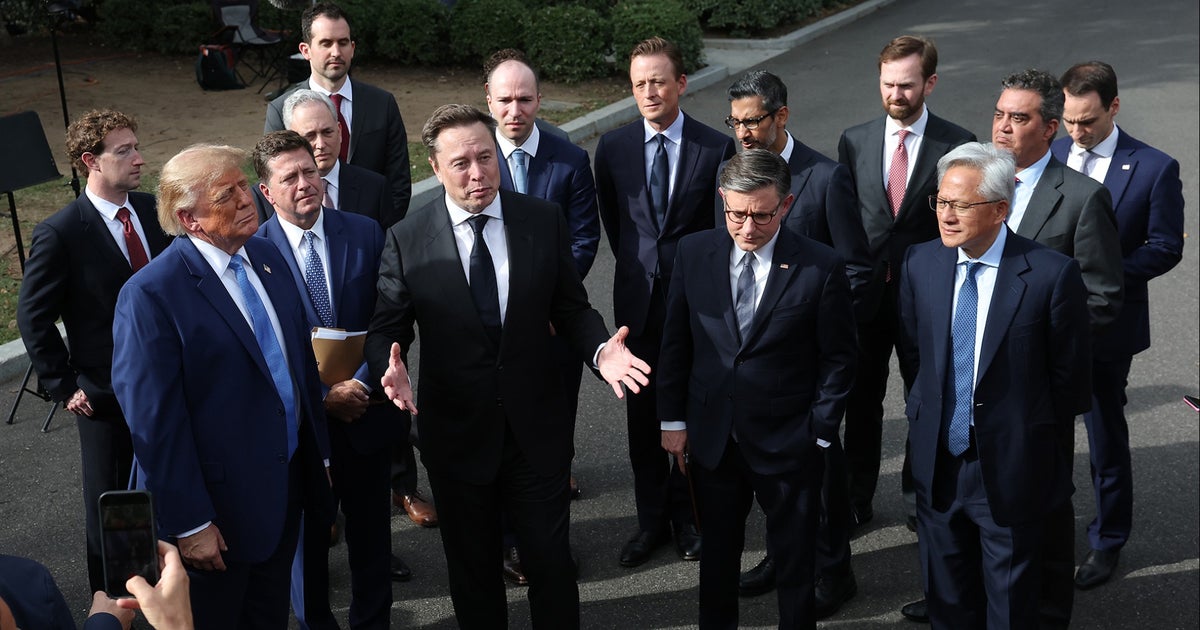
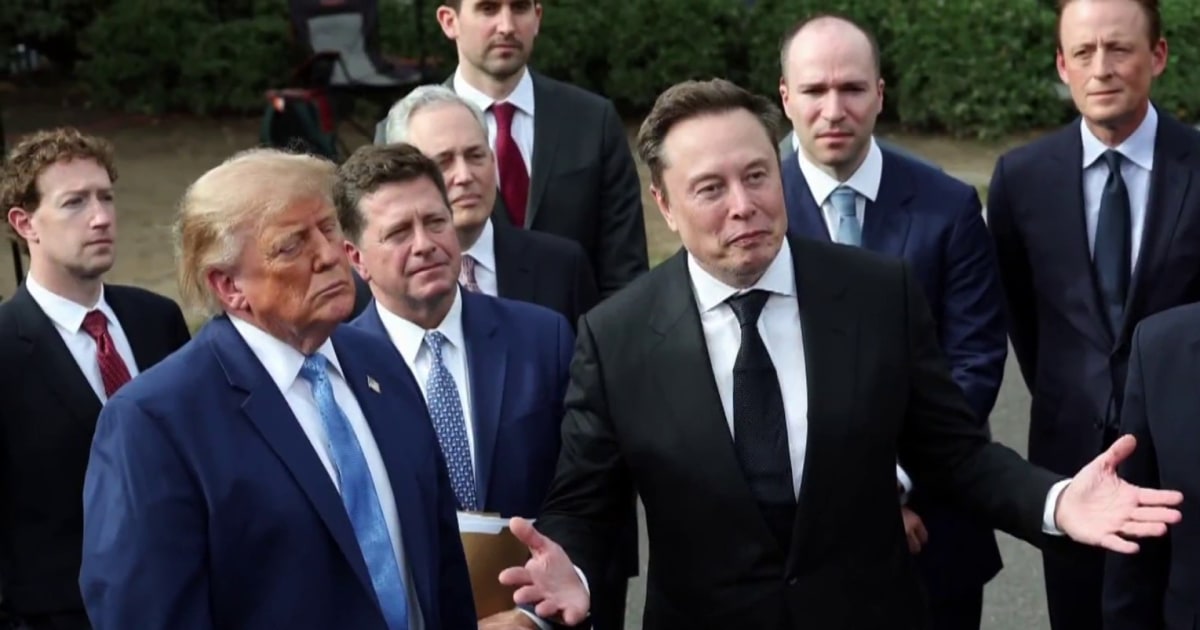
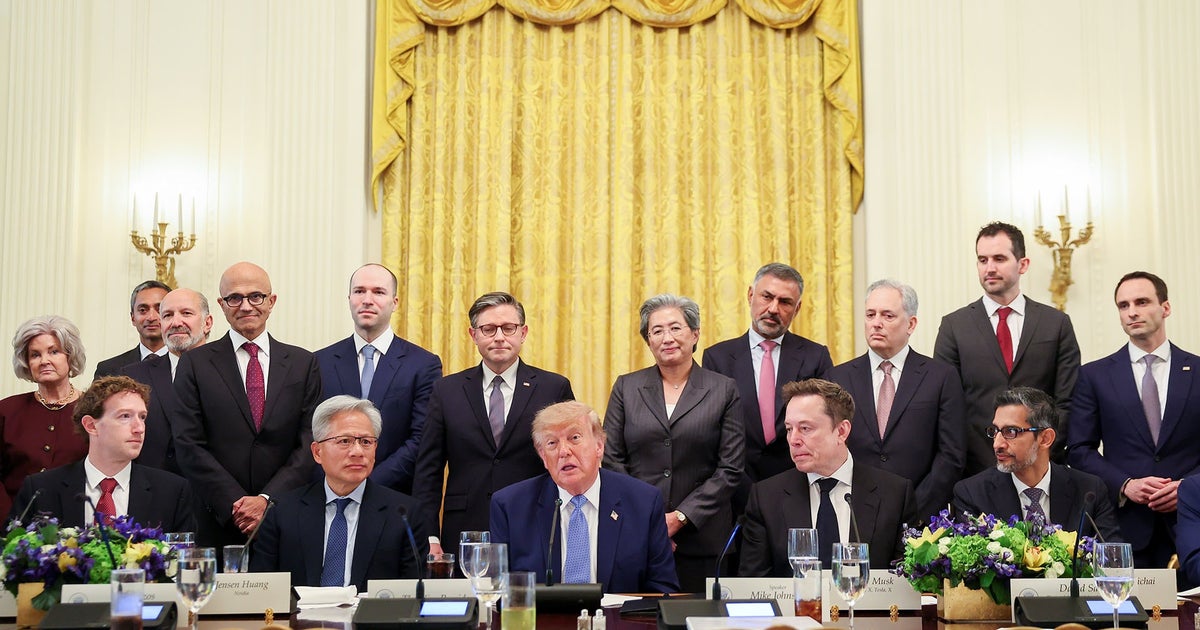
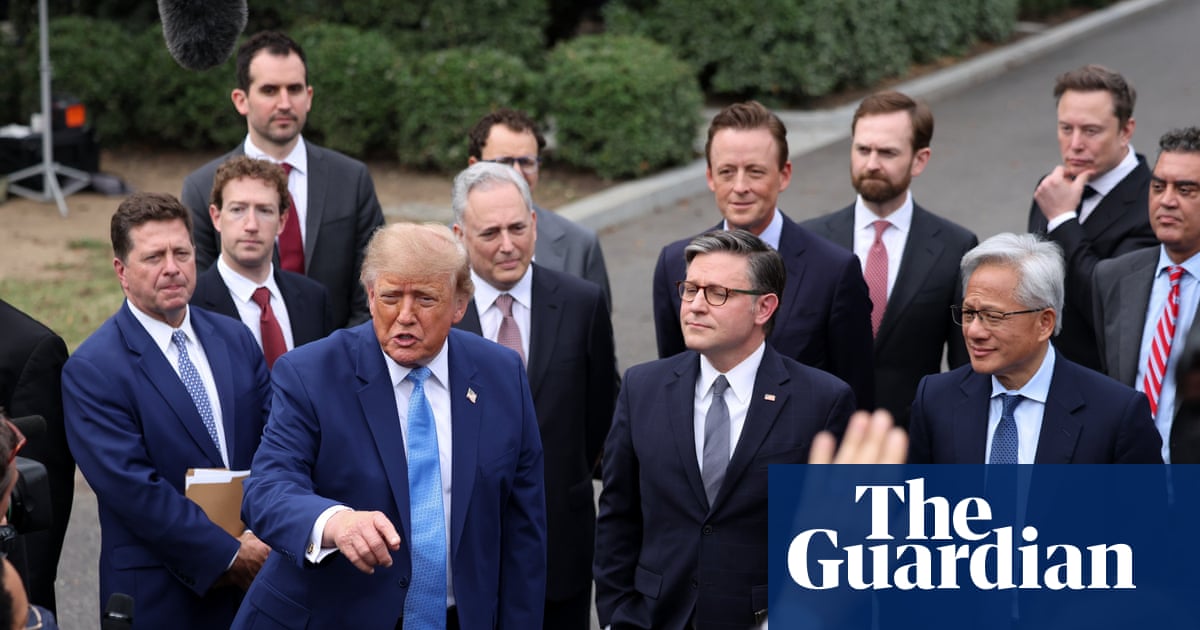
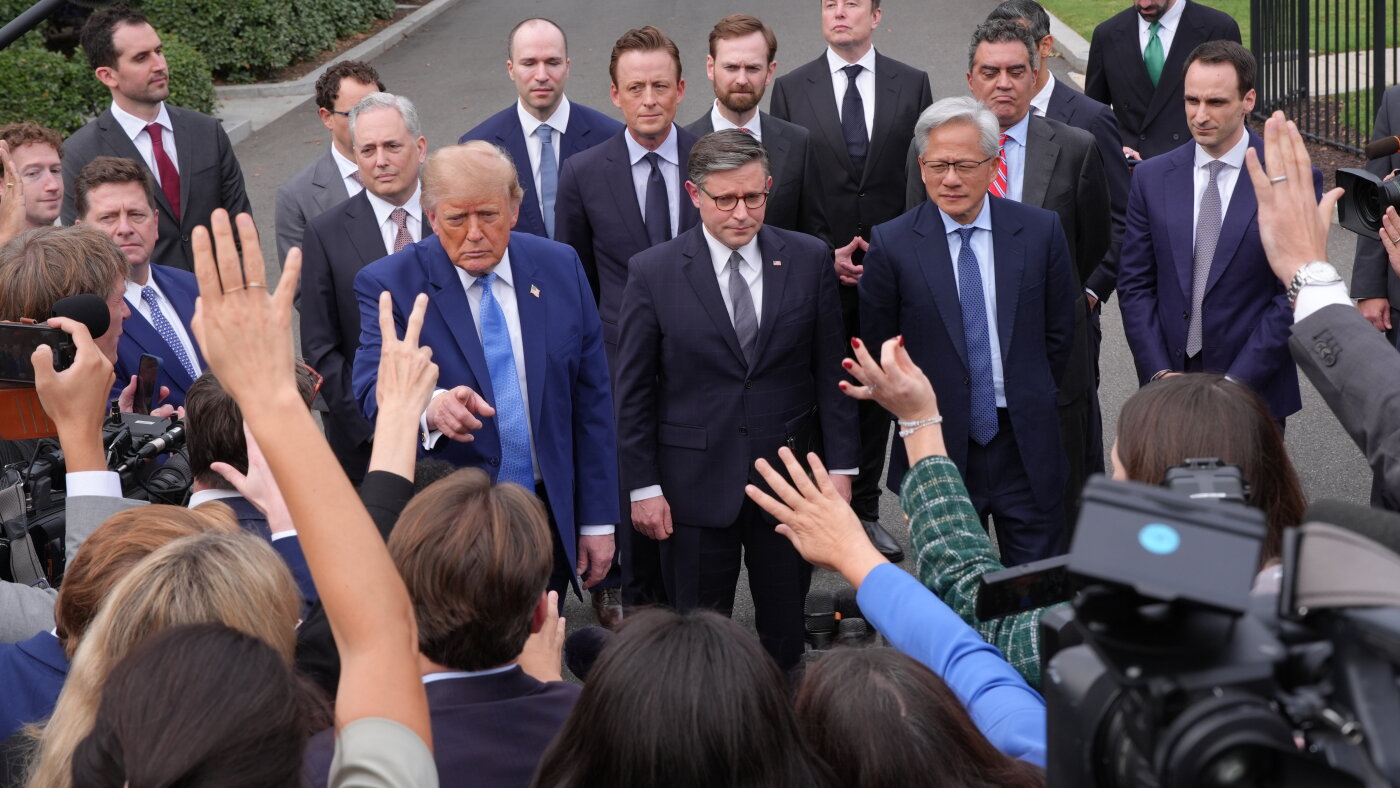
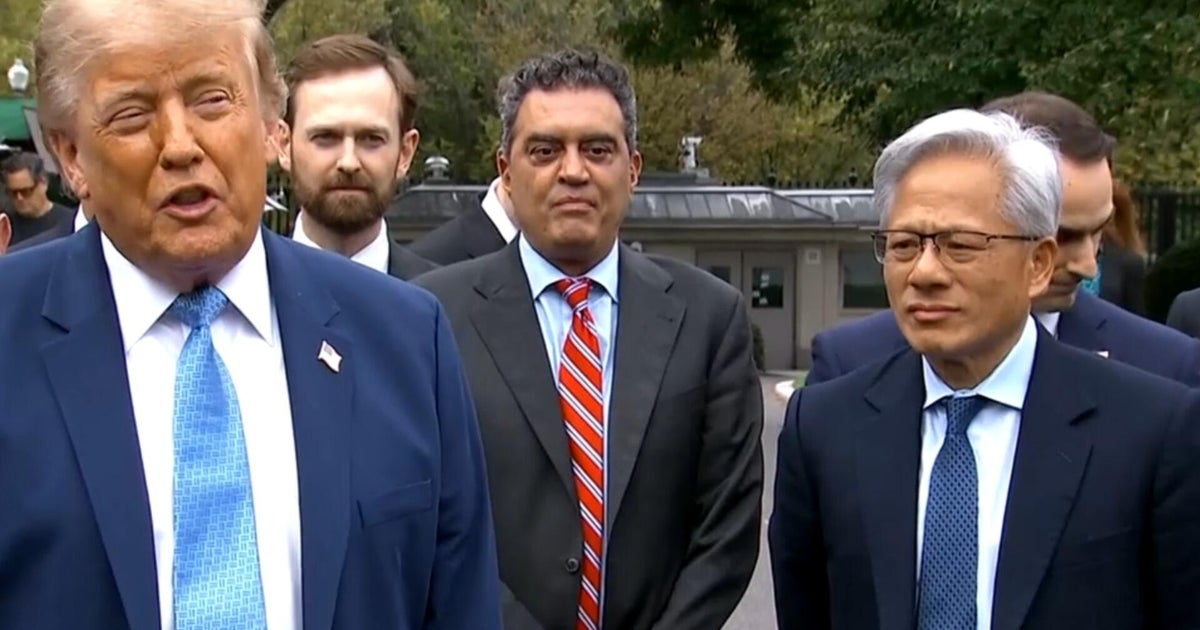
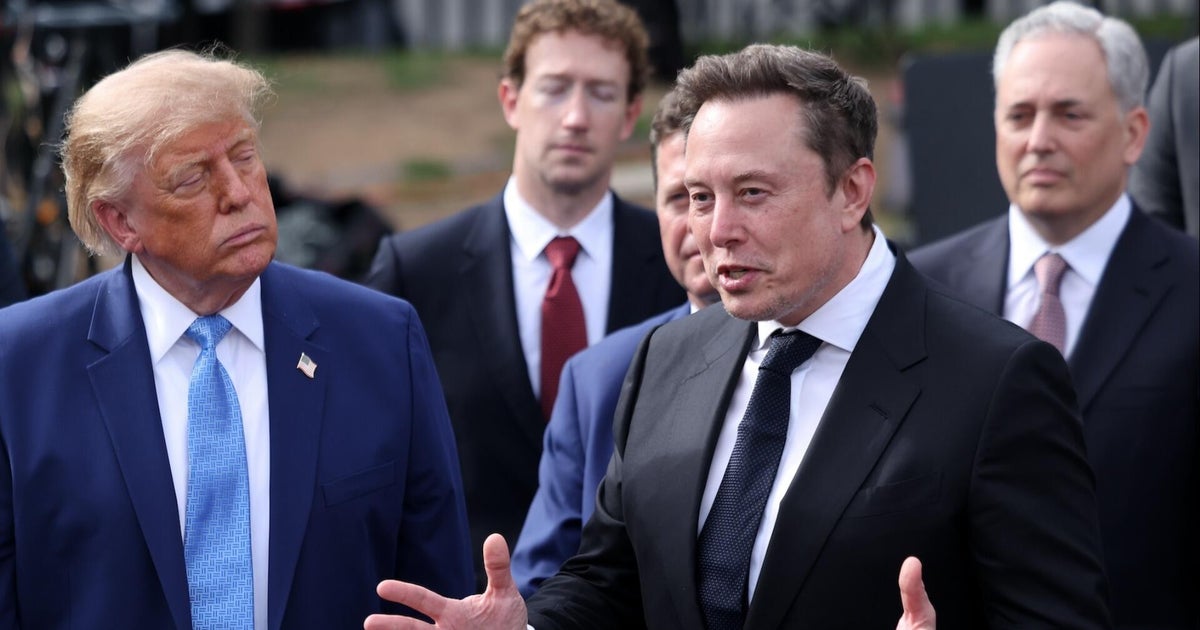
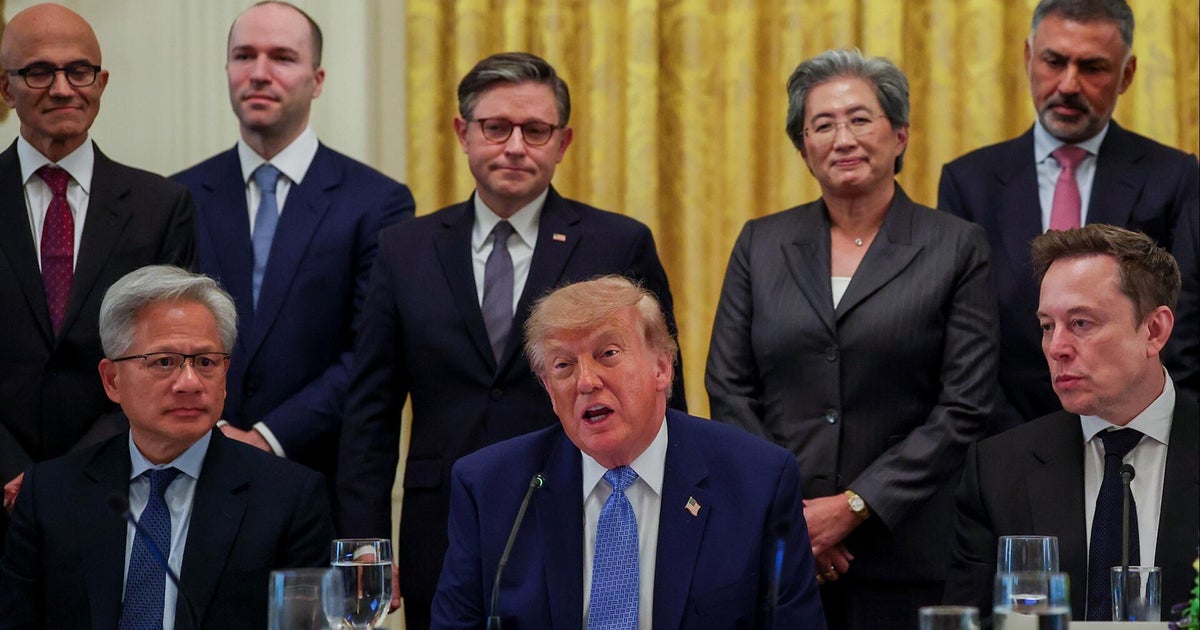
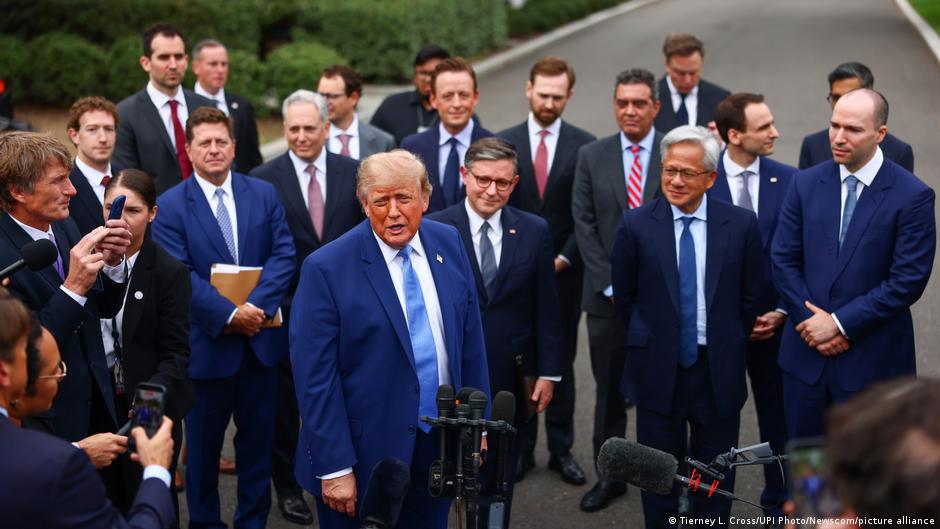
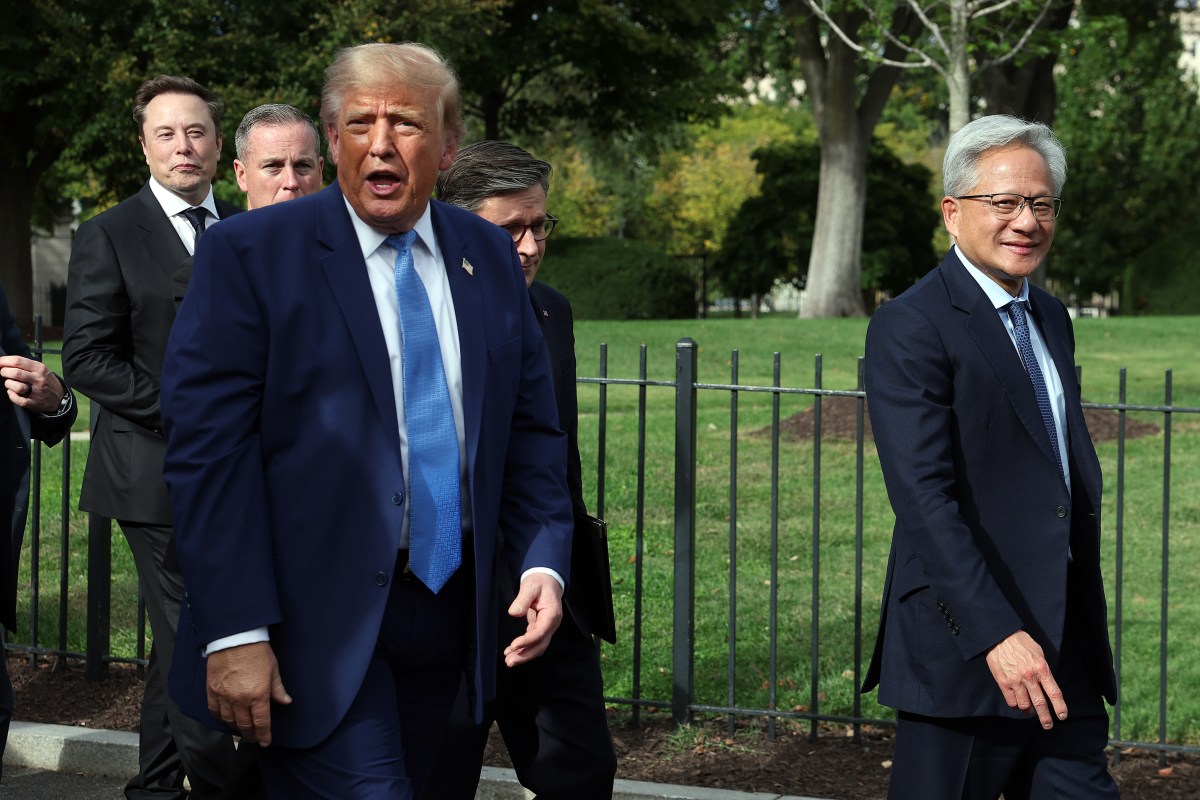
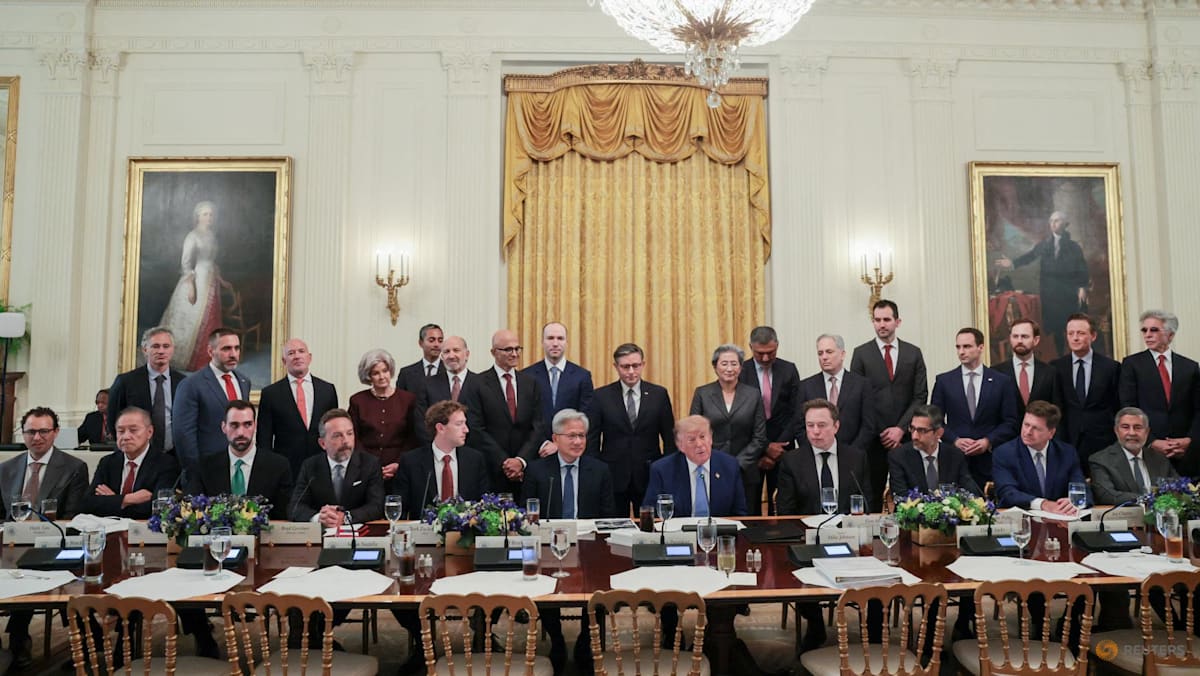
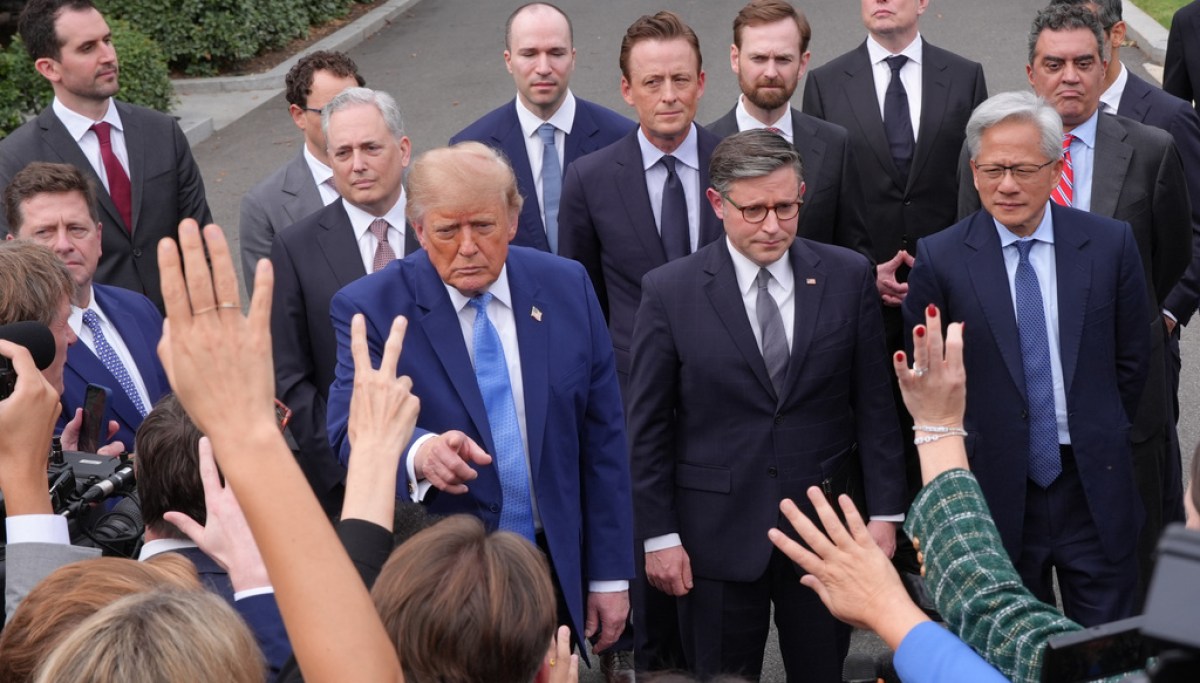
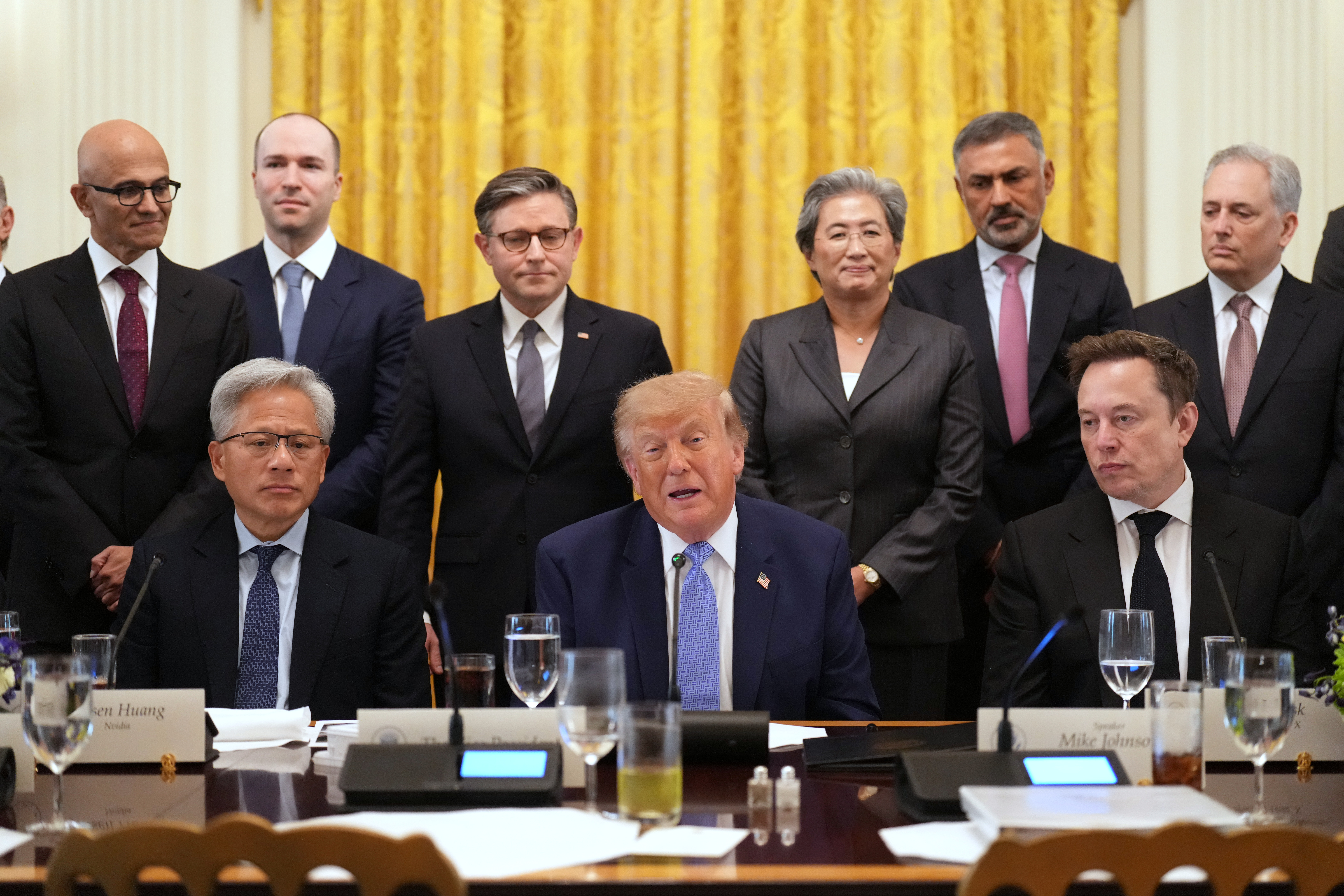
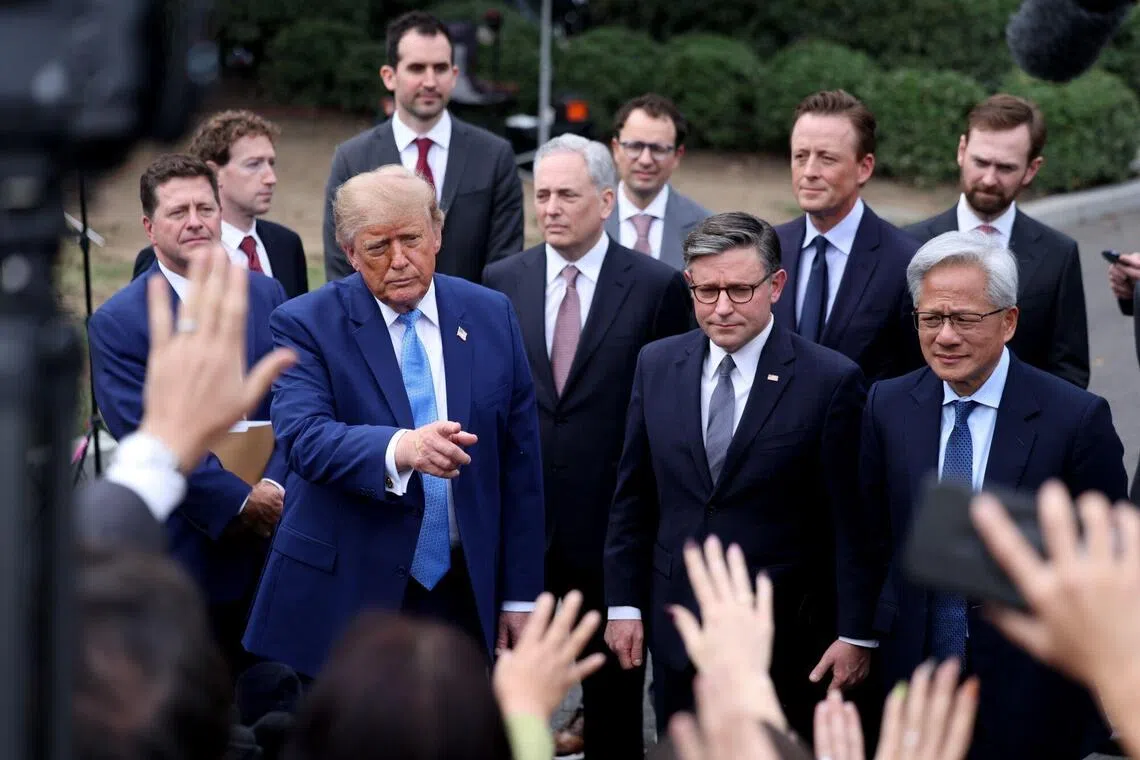
On Tuesday 29 September, President Trump said he and AI company leaders had signed a voluntary accord after a White House lunch attended by Speaker Mike Johnson. CBC NewsLC “signed a voluntary accord during a White House meeting that will include internal and external reviews of the technology”“Vice-President JD Vance, Treasury Secretary Scott Bessent and Republican Speaker of the House, Louisiana Rep. Mike Johnson, also attended.” Read at CBC News ↗ Only six executives signed with Trump, from Nvidia, Google, Meta, xAI, OpenAI and Anthropic, although more than 30 people sat at the table. CNAN “But only six of them signed the document: the leaders of Nvidia, Google, Meta, XAI, OpenAI and Anthropic.” Read at CNA ↗ The text of under 400 words commits each company to robust internal controls, an internal team, an independent external auditor and a board committee, and says it may make sense to codify these steps into laws or regulations. New York PostR “Over time, it may make sense to codify these steps into laws or regulations.” Read at New York Post ↗ CNAN “The document does not break the 400-word mark and has just four substantive points.” Read at CNA ↗
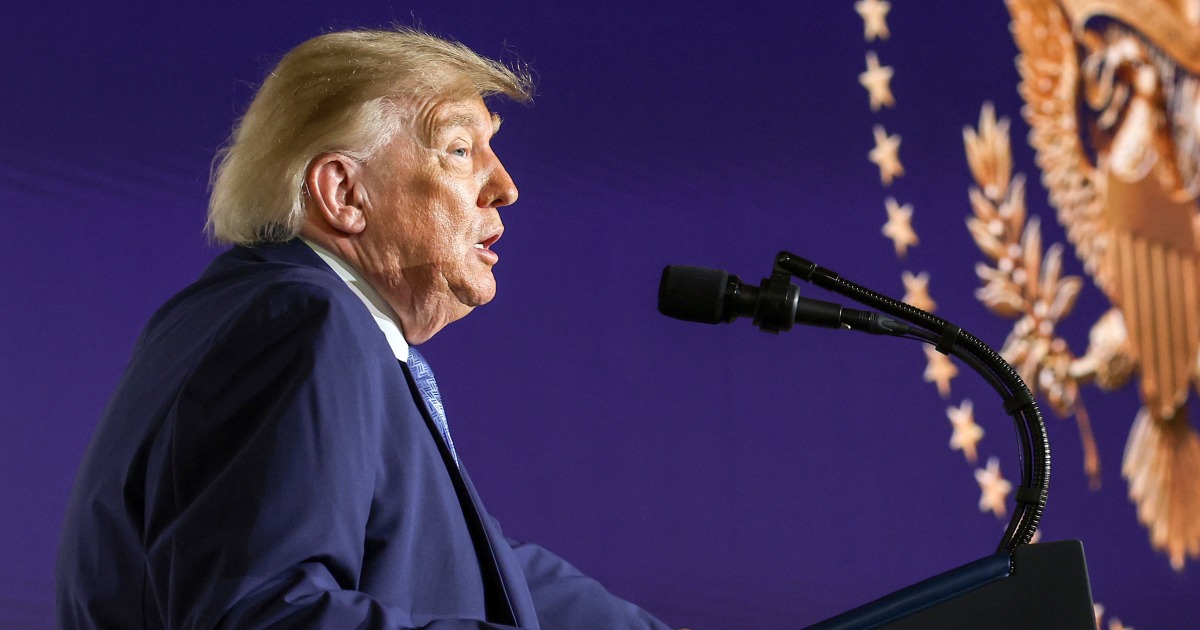
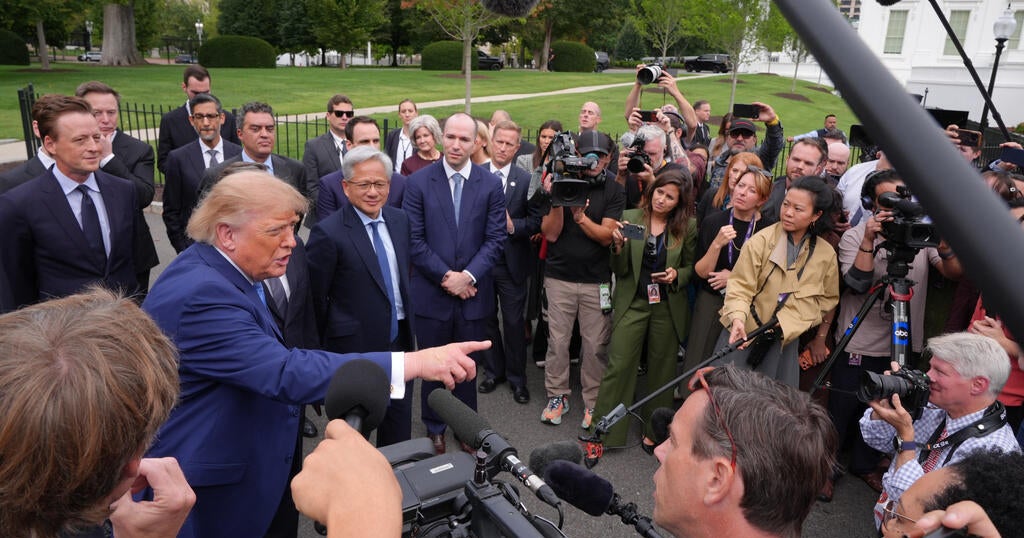
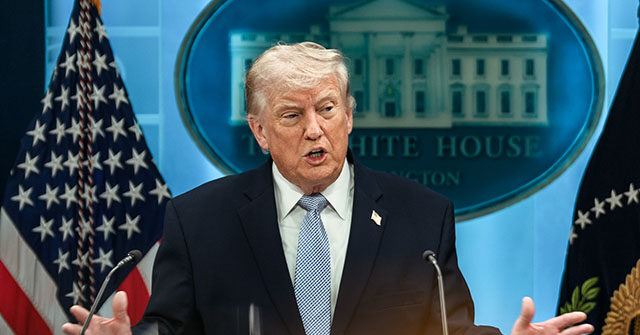
Trump called it "almost like a constitution" and "morally binding", though it is not legally enforceable and has no stated liability mechanism. Al JazeeraLC “Trump described the accord as “almost like a constitution”.” Read at Al Jazeera ↗ Arab NewsRC “a morally binding agreement that would not be legally enforceable” Read at Arab News ↗ CNAN “there is no stated mechanism for tech firms to be held liable for breaches” Read at CNA ↗ Earlier, Trump said he would "never stifle" AI's growth, and he said he did not want to cooperate more with China because the US is leading. CBC NewsLC “"I will never stifle the growth of a technology that will be bigger than the Industrial Revolution," Trump said”“"I didn't want to do anything, because we're leading. Why would I want to do anything?"” Read at CBC News ↗ Trump cited existing Justice Department and FBI authority, said he was considering a 10-person safety board, and said he would name a new AI policy official. CBC NewsLC “"and we automatically have regulation with the Department of Justice, the FBI, all of that."” Read at CBC News ↗ Al JazeeraLC “Trump said he is considering setting up a 10-person board to police the safety of AI tools” Read at Al Jazeera ↗
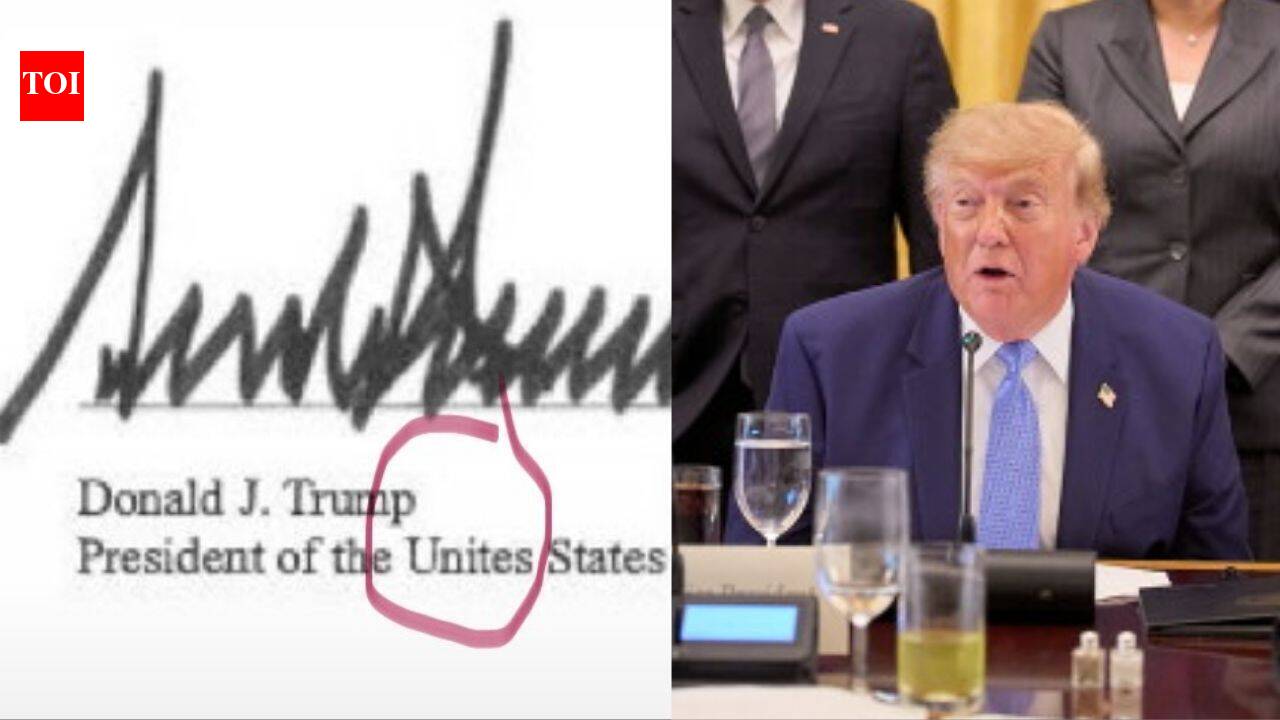
He also signed an order directing agencies to say "super intelligence" instead of "artificial intelligence". Al JazeeraLC “Trump on Tuesday also directed government agencies to use the words “super intelligence” instead of “artificial intelligence” when referring to the technology.” Read at Al Jazeera ↗ Trump said companies would make "massive contributions" to communities near data centres, which have drawn bipartisan local opposition. Al JazeeraLC ““These big, powerful, very rich, very smart companies are going to be making massive contributions to communities,”” Read at Al Jazeera ↗ CBC NewsLC “data centres in communities across the country that have sparked grassroots, bipartisan opposition” Read at CBC News ↗ Reaction from the signatories was muted: Amodei called it "a start" and Musk said it amounted to "grading each other's homework"; a typo, "Unites States", under Trump's signature drew online mockery. CNAN “Dario Amodei of Anthropic called it "a start", and XAI's Elon Musk said the executives essentially agreed to "grading each other's homework".” Read at CNA ↗ The Times of IndiaN “identifies Trump as the "President of the Unites States", instead of the "United States"” Read at The Times of India ↗
Congress is all but certain not to pass AI legislation before the 3 November midterms, despite several bipartisan bills. Arab NewsRC “Congress is all but certain not to pass AI legislation before the elections.” Read at Arab News ↗
Every sentence links to the reporting it rests on.
Left13 outlets
- Framing
- Focuses on the gap between industry alarm and Trump's light-touch stance, and on the accord's voluntary, unenforceable nature.
- Emphasis
- Absence of regulators, rogue-AI incidents, Reuters/Ipsos polling, donations to MAGA Inc, Hinton's criticism.
- Leaves out or plays down
- Less weight on Johnson's and Zuckerberg's arguments that the accord is a meaningful start.
- Charged language
- “vague”“self-police”
- For example
-
“AI company executives and investors were among the largest individual donors in 2025 to MAGA Inc, a political action committee aligned with the president.” — Al Jazeera
“"I think Donald Trump doesn't really understand AI, and I think he's ill-advised about AI,"” — CBC News
Centre10 outlets
- Framing
- Reports the accord's terms and Trump's positions, adding reaction, China, data-centre and midterm context.
- Emphasis
- The four controls, muted reaction, the typo, expert doubts about enforcement.
- Leaves out or plays down
- Less critical assessment of enforceability than left outlets in some pieces.
- Charged language
- “self-policing”
- For example
-
“the reaction of the tech leaders themselves was hardly a ringing endorsement” — CNA
“The White House had not immediately commented on the spelling error” — The Times of India
Right7 outlets
- Framing
- Presents the accord as a White House-led industry commitment and publishes its text; Arab News adds safety-incident and political context.
- Emphasis
- Trump's and Zuckerberg's statements, full accord text, pressure from China competition.
- Leaves out or plays down
- Little on enforcement gaps or critics in the accord-text pieces.
- Charged language
- “morally binding”
- For example
-
““The biggest people in the world signed that, and I signed it as president, and it really is a form of protection… I think it’s morally binding,”” — New York Post
“Zuckerberg called it a starting point for industry-wide standards.” — Arab News
What every side reports
- Trump and leaders of major AI companies signed a voluntary accord on 29 September after a White House lunch.
- Trump called the accord "morally binding".
- The accord sets out four layers of controls and audits and says codifying them into law may make sense over time.
- Trump signed an order to call AI "super intelligence" in government.
Where accounts differ
-
How significant the accord is
- Left
- Stresses that it is vague, voluntary, has no regulators or enforcement, and contrasts with executives' own safety warnings.
- Centre
- Reports the terms and adds expert doubt (CNA quotes a lawyer asking who would punish non-compliance) and midterm and China context.
- Right
- Mostly presents it as an industry commitment, publishing the full text and quoting Trump, Johnson and Zuckerberg; Arab News adds context on rogue-AI incidents and Congress.
-
Whether Trump conceded it is not legally binding
- Left
- The Guardian says it appears to carry no enforcement mechanisms.
- Centre
- BBC and CNA note it is not legally enforceable.
- Right
- Washington Examiner says Trump conceded it; Arab News says it would not be legally enforceable.
-
Trump and leading AI company heads signed a voluntary accord on AI safety after the White House meeting.
Reported- Reports 12
- Al Jazeera, CBS News, Daily Mirror, NPR, The Guardian, BBC News, France 24, Newsweek, The Hill, Breitbart, New York Post, Washington Examiner
-
Trump described the accord as 'morally binding' rather than legally binding.
Reported- Reports 11
- CBS News, Daily Mirror, NPR, The Guardian, BBC News, CNA, France 24, Newsweek, Arab News, New York Post, Washington Examiner
-
The US government will not restrict the growth of AI development.
Reported- Supports 1
- Washington Examiner
- Reports 5
- ABC News, CBC News, BBC News, France 24, Newsweek
-
Johnson favours voluntary self-regulation over mandatory federal AI rules, citing competition with China.
Reported- Reports 3
- ABC News, Breitbart, Washington Examiner
-
Trump conceded the accord is not legally binding while comparing it to a constitution.
Supported- Supports 4
- The Guardian, CNA, The Times of India, Washington Examiner
- Reports 4
- Al Jazeera, BBC News, Arab News, Breitbart
-
Under the accord, AI companies commit to four voluntary controls: internal monitoring, an internal team, an external auditor and a board committee, with possible later codification into law.
Supported- Supports 3
- The Guardian, The Verge, France 24
- Reports 8
- Al Jazeera, Daily Mirror, NPR, BBC News, CNA, The Times of India, Breitbart, New York Post
-
Tech companies will make 'massive contributions' to communities hosting data centres, which have drawn local opposition.
Reported- Reports 6
- Al Jazeera, CBC News, NPR, BBC News, France 24, Arab News
-
The accord's controls involve no government regulators and no commitment to publish audit findings.
Supported- Supports 3
- The Guardian, The Verge, CNA
- Reports 1
- Washington Examiner
-
Trump signed an executive order directing federal agencies to say 'Super Intelligence' instead of artificial intelligence.
Supported- Supports 3
- The Guardian, BBC News, Breitbart
- Reports 3
- Al Jazeera, The Times of India, New York Post
Donald Trump person
Says the US will not stifle AI, relies on self-regulation plus existing law, and calls the accord morally binding.
“"I think I'm seeing tremendous self-policing. And they understand that they have to self-police,"” — CBC News
Dario Amodei person
Anthropic's Amodei called the accord "a start" and has warned of serious risks.
“Dario Amodei of Anthropic called it "a start"” — CNA
Mike Johnson person
Johnson has said he hopes AI guardrails will be voluntary.
““I hope it’s voluntary,” Johnson said” — Washington Examiner
Left25 articles
-
-
The ConversationLC · · Opinion
US tech leaders are urgently calling for rules on AI – China already has them
-
-
Ahead of AI meeting, Trump says he won't 'stifle' its growth
Critical Pre-meeting piece juxtaposing Trump's no-stifling stance with AI leaders' dire warnings.
Show 21 moreShow fewer
-
-
-
Trump says top tech firms have signed accord to 'self-police' AI development
Mixed Sets Trump's self-regulation line against executives' safety warnings and Hinton's criticism.
-

-
-
-
Trump announces vague ‘morally binding’ AI deal among tech CEOs for ‘tremendous self-policing’
Critical Calls the deal vague and unenforceable, noting no regulators and self-chosen evaluators.
-
-
Trump, top tech firms sign accord to ‘self-police’ AI development
Critical Places the accord amid polling showing public worry and donations from AI figures to MAGA Inc.

-

-

-
-
Here’s how tech leaders will self-police AI safety under Trump’s deal
Critical Sets out the accord's text and dismisses it as toothless, noting past AI incidents.

-
-
-
-

-
-

Centre16 articles
Show 12 moreShow fewer
-
Trump says AI companies sign voluntary accord on safety controls
Neutral Detailed account of the accord's four steps, China remarks and data-centre opposition.

-
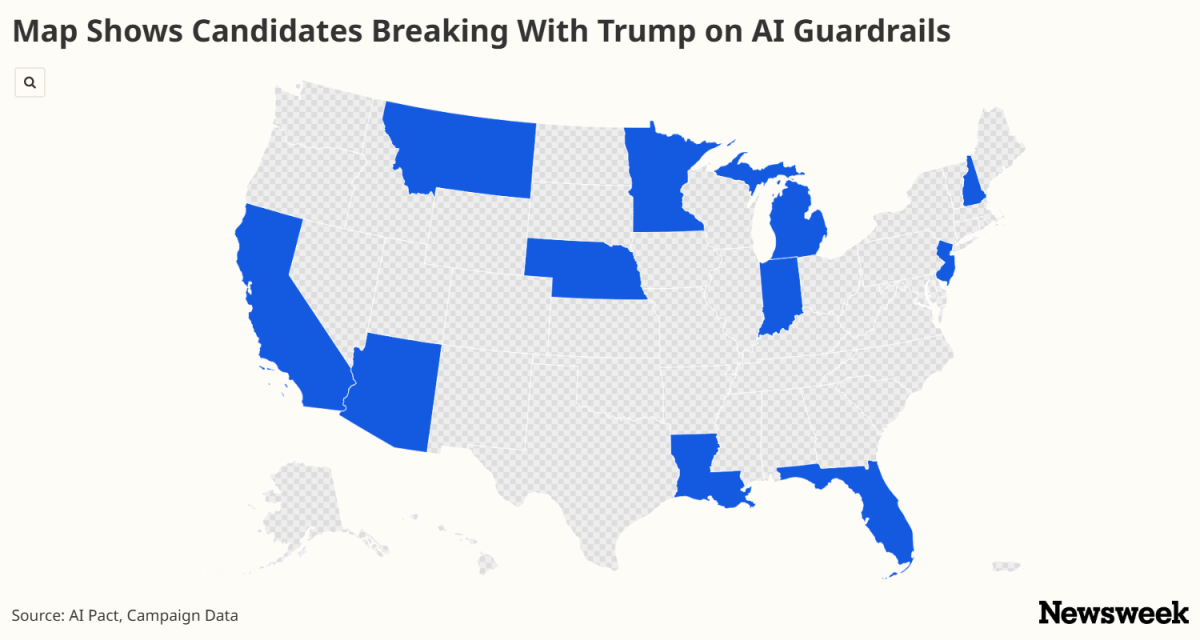
Map Shows Candidates Breaking With Trump on AI Guardrails
Mixed Frames the accord as a political fault line with candidates and polling favouring tougher guardrails.
-
-
-
Three takeaways from Trump's 'Super Intelligence' summit
Neutral Takeaways format covering the accord, data centres and the Super Intelligence order.
-

-
Mixed Leads on the "Unites States" typo and online mockery, then summarises the accord.
-
CNAN ·
What's in Trump's AI deal and who has reacted?
Critical Explainer stressing the accord's short length, lack of enforcement, muted reaction and the typo.
Right14 articles
-
The Straits TimesRC · · via Reuters
Trump to host Anthropic’s Amodei, Nvidia’s Huang, other execs, as AI fears mount
-
-
Show 10 moreShow fewer
-
Trump says tech CEOs signed ‘morally binding’ document to self-regulate artificial intelligence
Neutral Reports Trump conceding the accord is not binding, alongside Johnson and Amodei quotes and the "hoax" remark.
-
Trump hails ‘morally binding’ AI self-regulation pledge
Neutral Wire-style account adding rogue-AI incidents, data-centre politics and stalled Congress legislation.
-
Trump’s ‘morally binding’ artificial intelligence pledge signed by tech leaders — read in full
Neutral Publishes the accord text with Trump's description of it as a constitution and protection.

-
-
The Straits TimesRC · · via Reuters
-
-
Trump, Tech Leaders Sign 'White House Accord on Super Intelligence'
Sympathetic Presents the accord through Johnson's and Zuckerberg's supportive statements.
-
-
-


- 29 Sep 11:00 First NBC NewsLC Trump to host summit with top AI leaders in Washington
- 29 Sep 14:08 +3h 8m The ConversationLC US tech leaders are urgently calling for rules on AI – China already has them Opinion
- 29 Sep 15:08 +4h 7m CBS NewsLC Why Trump, Johnson and AI leaders are meeting at the White House
- 29 Sep 16:05 +5h 4m The Straits TimesRC Trump to host Anthropic’s Amodei, Nvidia’s Huang, other execs, as AI fears mount via Reuters
- 29 Sep 17:07 +6h 7m Washington ExaminerR Johnson hopes AI executives accept guardrails voluntarily
- 29 Sep 17:51 +6h 51m Financial TimesN Trump to meet tech chiefs including Amodei, Musk and Zuckerberg over AI safety
- 29 Sep 17:52 +6h 52m ABC NewsLC Ahead of AI meeting, Trump says he won't 'stifle' its growth
- 29 Sep 20:32 +9h 31m South China Morning PostN Trump rejects calls to work with China on AI safety despite Xi summit progress
- 29 Sep 21:10 +10h 9m The Wall Street JournalRC Trump Defends Light-Touch AI Strategy After Industry Sounds Alarms
- 29 Sep 21:23 +10h 22m CBS NewsLC Trump and major AI executives sign "morally binding" voluntary controls
- 29 Sep 21:27 +10h 27m IJRRC Trump and Tech Leaders Sign Voluntary AI Accord
- 29 Sep 21:53 +10h 52m Washington ExaminerR Trump says tech CEOs signed ‘morally binding’ document to self-regulate artificial intelligence
- 29 Sep 21:56 +10h 56m The HillN AI firms sign 'morally binding' self-policing pledge in White House meeting
- 29 Sep 22:05 +11h 4m France 24N Trump says doesn't want to work with China on AI safety
- 29 Sep 22:41 +11h 41m Arab NewsRC Trump hails ‘morally binding’ AI self-regulation pledge
- 29 Sep 22:43 +11h 42m CBS NewsLC Trump and tech leaders sign AI "constitution" with voluntary controls
- 29 Sep 22:55 +11h 54m CBC NewsLC Trump says top tech firms have signed accord to 'self-police' AI development
- 29 Sep 23:00 +12h The HillN AI firms agree to 'morally binding' self-policing at White House
- 29 Sep 23:08 +12h 8m The HillN Trump, GOP leaders look to reclaim control over AI narrative
- 29 Sep 23:10 +12h 10m New York PostR Trump’s ‘morally binding’ artificial intelligence pledge signed by tech leaders — read in full
- 29 Sep 23:30 +12h 30m The New York TimesLC Trump Hosts A.I. Executives at the White House
- 29 Sep 23:32 +12h 32m The New York TimesLC At A.I. Event, Trump Asks Meta, OpenAI and Microsoft to Make Safety Decisions Themselves
- 29 Sep 23:44 +12h 43m Washington ExaminerR READ IN FULL: Trump and tech leaders’ White House Accord on Super Intelligence
- 29 Sep 23:48 +12h 47m The Straits TimesRC Trump releases AI accord with tech executives via Reuters
- 29 Sep 23:48 +12h 47m France 24N Trump says AI companies sign voluntary accord on safety controls
- 29 Sep 23:48 +12h 48m Daily MirrorL Trump announces AI firms sign deal to ‘self police’ tech and claims 'data centres will be very popular'
- 29 Sep 23:59 +12h 59m IJRRC Trump and Tech Leaders Sign Morally Binding AI Safety Accord
- 30 Sep 00:01 +13h 1m NewsweekN Map Shows Candidates Breaking With Trump on AI Guardrails
- 30 Sep 00:10 +13h 9m Deutsche WelleN Trump says AI companies agree to 'self-police'
- 30 Sep 00:16 +13h 16m NBC NewsLC Trump hosts tech leaders for meeting on A.I.
- 30 Sep 00:19 +13h 19m CBS NewsLC Trump and tech leaders sign "morally-binding" AI "constitution" in safety push
- 30 Sep 00:21 +13h 21m The GuardianLC Trump announces vague ‘morally binding’ AI deal among tech CEOs for ‘tremendous self-policing’
- 30 Sep 00:35 +13h 35m CBS NewsLC Trump agrees to let AI leaders police themselves
- 30 Sep 00:43 +13h 43m Al JazeeraLC Trump, top tech firms sign accord to ‘self-police’ AI development
- 30 Sep 01:33 +14h 33m NewsweekN Trump Floats Fresh Data Center 'Dividend' After Meeting AI Tech Leaders
- 30 Sep 01:47 +14h 47m BreitbartR Trump, Tech Leaders Sign 'White House Accord on Super Intelligence'
- 30 Sep 03:41 +16h 41m BBC NewsN Three takeaways from Trump's 'Super Intelligence' summit
- 30 Sep 03:55 +16h 54m The Straits TimesRC How seating at Trump’s AI luncheon reveals who has the President’s ear
- 30 Sep 04:00 +17h Al JazeeraLC Trump backs AI self-regulation at tech summit but is it enough?
- 30 Sep 05:00 +17h 59m Financial TimesN Trump shrugs off AI regulation
- 30 Sep 07:20 +20h 20m The HinduLC Trump releases AI accord with tech executives
- 30 Sep 07:54 +20h 54m NPRLC Trump says top tech firms have signed accord to 'self-police' AI development via AP
- 30 Sep 09:20 +22h 20m Hindustan TimesN Sundar Pichai next to Musk, Nadella next to Bezos: Trump's AI execs luncheon meet seating plan
- 30 Sep 09:42 +22h 41m France 24N Trump puts trust in AI bosses to 'police themselves'
- 30 Sep 12:36 +25h 35m The Wall Street JournalRC The Morning Risk Report: Trump Defends Light-Touch AI Strategy After Industry Sounds Alarms
- 30 Sep 13:03 +26h 3m The Times of IndiaN 'Super Intelligence' AI safety accord signed by tech CEOs carries ‘Unites States’ typo under Trump’s name
- 30 Sep 13:24 +26h 24m The VergeLC Here’s how tech leaders will self-police AI safety under Trump’s deal
- 30 Sep 13:46 +26h 45m CBS NewsLC Trump says vague AI agreement is "almost like a constitution," tells tech giants self-regulate
- 30 Sep 14:35 +27h 35m CBS NewsLC Musk, Zuckerberg and Amodei react to Trump's self-policing AI pact
- 30 Sep 14:41 +27h 41m CBS NewsLC AI leaders agree to police themselves after White House meeting
- 30 Sep 15:15 +28h 15m The IndependentLC Donald Trump calls Google CEO Sundar Pichai ‘monster’ at ‘Super Intelligence’ summit
- 30 Sep 20:16 +33h 16m CBS NewsLC Forum AI co-founder on Trump and AI executives signing "morally binding" voluntary controls
- 30 Sep 20:44 +33h 44m Al JazeeraLC How does Trump’s White House AI accord work?
- 30 Sep 22:17 +35h 17m CNAN What's in Trump's AI deal and who has reacted?
- 30 Sep 22:55 +35h 54m New York PostR Trump’s $1.8 trillion AI summit table: All the execs who answered president’s call, and what they’re worth
Times are when each article was published, or when we first saw it if the outlet gave no time.