Trump blames Sen. Tom Cotton as Senate bill for permanent daylight saving time stalls
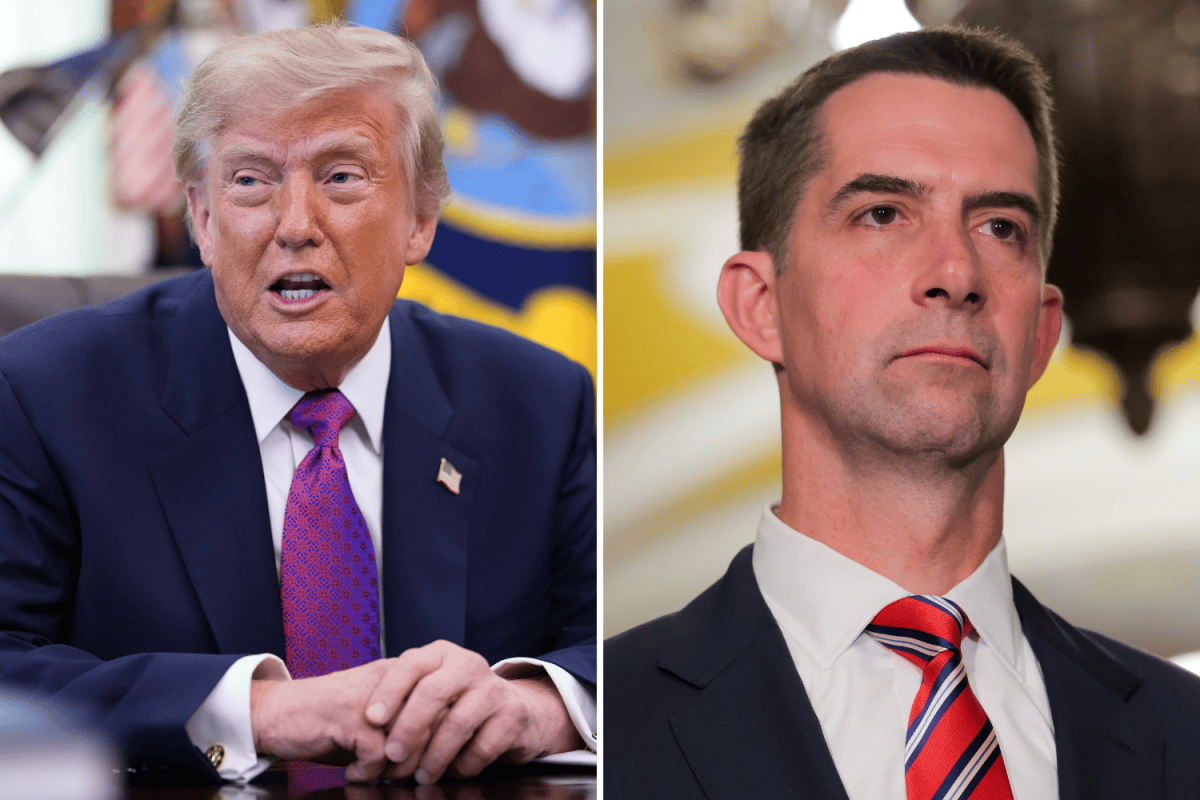
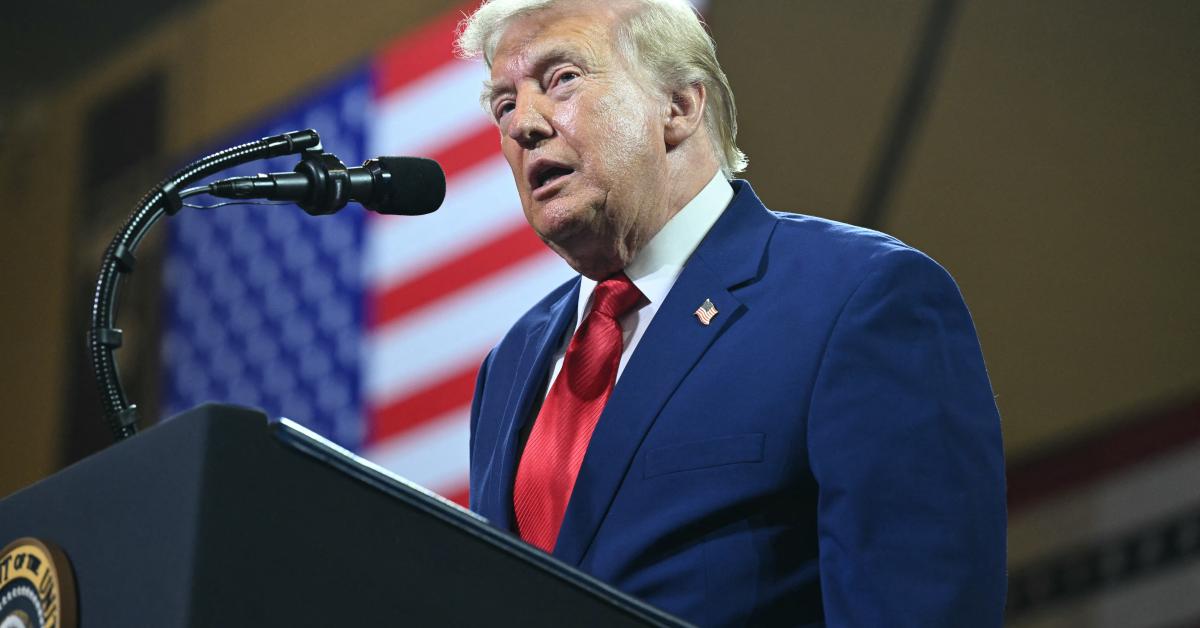
President Trump used a Truth Social post on Thursday to blame Republican Sen. Tom Cotton for holding up the Sunshine Protection Act, which the House passed 308-117 in July. The Senate has gone on recess until after the midterms.
Updated (version 2). New coverage since the last version from Just the News.

1 / 3
The story, neutrally told
President Donald Trump posted on Truth Social late on Thursday 1 October, blaming Republican Senator Tom Cotton of Arkansas for holding up a bill to end twice-yearly clock changes. NewsweekN “Trump has attacked Senator Tom Cotton, accusing him of blocking a bipartisan bill to end the daylight saving time clock changes.” Read at Newsweek ↗ Raw StoryL “Unfortunately, it’s being held up by Senator Tom Cotton, of Arkansas, for reasons unknown.” Read at Raw Story ↗ The bill is the Sunshine Protection Act, which would make daylight saving time permanent; Trump called it the "No More Changing of Clocks Act". NewsweekN “the Sunshine Protection Act, a bill that would effectively end twice-yearly clock changes by introducing permanent daylight savings time”“"No More Changing of Clocks Act."” Read at Newsweek ↗ Newsweek reports the House passed the measure in July by a bipartisan 308-117 vote, but it needs Senate approval before it can become law. NewsweekN “The House passed the measure to introduce permanent daylight savings time in July, with a bipartisan 308-117 vote” Read at Newsweek ↗
Raw Story notes the post came despite the Senate already having gone on recess until after the midterm elections. Raw StoryL “despite the Senate having already gone on recess until after the midterms” Read at Raw Story ↗ Trump wrote that Republicans in the Senate "have to get moving" and that both Democrats and Republicans want the change. NewsweekN “Republicans in the Senate "have to get moving,"” Read at Newsweek ↗ Raw StoryL “Both Democrats and Republicans want it to happen.” Read at Raw Story ↗ He claimed that ending the clock changes would cut robbery and murder rates, reduce car accidents, lower the risk of cardiac problems, stroke and seasonal depression, make children's walks home from school safer, and save on energy bills, citing unnamed "Leading Medical, Crime, and Economic Studies". Raw StoryL “Leading Medical, Crime, and Economic Studies have shown, conclusively” Read at Raw Story ↗ NewsweekN “decrease robbery and murder rates, reduce car accidents (especially those involving pedestrians!)” Read at Newsweek ↗
Just the News, which covered the post more briefly, quoted Trump saying that "Even most farmers would rather have additional time in the evening to harvest their crops" and that changing clocks is "foolish, inconvenient and, in some cases, very costly." Just the NewsRC “Even most farmers would rather have additional time in the evening to harvest their crops. It is foolish, inconvenient and, in some cases, very costly,” Read at Just the News ↗ Raw Story describes the Truth Social post as 385 words long and quotes Trump saying a recent case was made that the time change is also bad for health "in the anxiety it creates." Raw StoryL “In a lengthy, 385-word post on his social media platform Truth Social”“A recent case was made that it is also bad for your health in the anxiety it creates,” Read at Raw Story ↗ Newsweek says Cotton has raised a concern, shared by some of the public, that permanent daylight saving time would push winter sunrises too late in many parts of the country, risking children walking to school in darkness. Trump said Cotton was acting "for reasons unknown". NewsweekN “permanent daylight saving time would push winter sunrises too late in many parts of the country, risking children walking to school in darkness” Read at Newsweek ↗ Raw StoryL “for reasons unknown” Read at Raw Story ↗
Every sentence links to the reporting it rests on.
Left1 outlet
- Framing
- Presents the post as a late-night, last-minute attack on a lone GOP senator, noting the Senate is already in recess until after the midterms.
- Emphasis
- Timing of the post, Trump's long list of claimed benefits, and the recess.
- Leaves out or plays down
- Does not give the House vote count or Cotton's stated concerns about dark mornings.
- For example
-
“President Donald Trump singled out a lone GOP senator late Thursday night in a last-minute call to action” — Raw Story
Centre1 outlet
- Framing
- Straightforward report of Trump's attack on Cotton as the push for permanent daylight saving time stalls.
- Emphasis
- The House 308-117 vote, the bill's name, and Cotton's stated concern about children in darkness.
- Leaves out or plays down
- Does not mention that the Senate is in recess until after the midterms.
- For example
-
“The House passed the measure to introduce permanent daylight savings time in July, with a bipartisan 308-117 vote, but it still needs Senate approval before it can become law.” — Newsweek
Right1 outlet
- Framing
- Frames the story as Trump urging the Senate to pass the Sunshine Protection Act, with Cotton's alleged obstruction in the subheadline and the health and financial benefits Trump cites.
- Emphasis
- Trump's own quoted arguments, including farmers and cost.
- Leaves out or plays down
- Does not give the House 308-117 vote, the Senate recess, or Cotton's concern about dark winter mornings.
- For example
-
“Trump claimed that Sen. Tom Cotton, R-Ark., is holding up passage of the bill "for reasons unknown."” — Just the News
“The president argued the bill would have health and financial benefits.” — Just the News
What every side reports
- Trump named Sen. Tom Cotton in a Thursday Truth Social post as the obstacle to the Sunshine Protection Act.
- The bill has passed the House but has not passed the Senate.
- Trump listed safety, health and economic benefits of ending clock changes.
Where accounts differ
-
Why Cotton is holding up the bill
- Left
- Raw Story quotes Trump saying Cotton is acting 'for reasons unknown' and does not give Cotton's stated concerns.
- Centre
- Newsweek reports Cotton has raised concerns about dark winter mornings for children walking to school.
-
Trump blamed Sen. Tom Cotton for holding up the Sunshine Protection Act in the Senate.
Reported- Reports 3
- Raw Story, Newsweek, Just the News
-
Trump posted on Truth Social on Thursday 1 October urging the Senate to pass the bill making daylight saving time permanent.
Reported- Reports 3
- Raw Story, Newsweek, Just the News
Donald Trump person
Says the clock changes are 'ridiculous' and costly, that the public is tired of them, and that Cotton is blocking the Senate from passing the bill.
“A ridiculous clock changing process that takes place twice a year, costs our country a fortune” — Newsweek
“People are sick and tired of having to change their Clocks twice a year.” — Raw Story
Tom Cotton person
Newsweek says he has raised concerns that permanent daylight saving time would make winter mornings too dark for children walking to school; neither article quotes him responding to Trump.
“Senator Cotton has raised concerns shared by some of the public” — Newsweek
Left1 article
-
Trump singles out MAGA senator in late-night attack: 'People are sick and tired'
Critical Frames the post as a last-minute attack on a single senator while the Senate is away, and quotes Trump's benefit claims at length.
Centre1 article
-
Donald Trump Attacks GOP Senator As Fight To End Daylight Saving Time Stalls
Neutral Plain news report that sets Trump's claims alongside Cotton's concern about dark winter mornings.
Right1 article
-
Trump urges Senate to pass Sunshine Protection Act, which would make daylight saving time permanent
Neutral Short report of Trump's Truth Social appeal to the Senate, relaying his arguments and his claim about Cotton.
- 2 Oct 07:58 First NewsweekN Donald Trump Attacks GOP Senator As Fight To End Daylight Saving Time Stalls
- 2 Oct 11:17 +3h 19m Raw StoryL Trump singles out MAGA senator in late-night attack: 'People are sick and tired'
- 2 Oct 12:28 +4h 29m Just the NewsRC Trump urges Senate to pass Sunshine Protection Act, which would make daylight saving time permanent
Times are when each article was published, or when we first saw it if the outlet gave no time.