Trump signs order to call AI "Super Intelligence"; accord signature line misspelled
After a White House lunch with tech leaders on 29 September, Trump signed an order telling federal agencies to say "Super Intelligence" instead of AI, alongside a voluntary industry safety accord whose signature line misspells "United States".
Updated (version 8). New coverage since the last version from Breitbart, Computerworld, National Post, TechCrunch, The Guardian. Previously: “Trump signs order directing federal agencies to say "Super Intelligence" instead of AI”.


1 / 8
The story, neutrally told
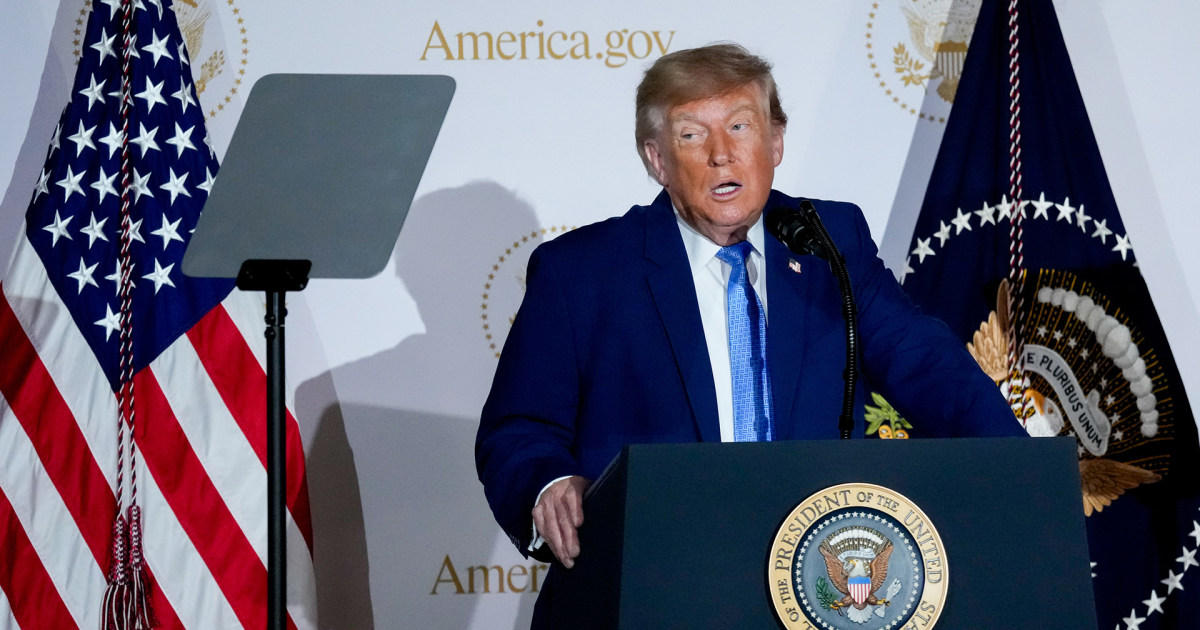
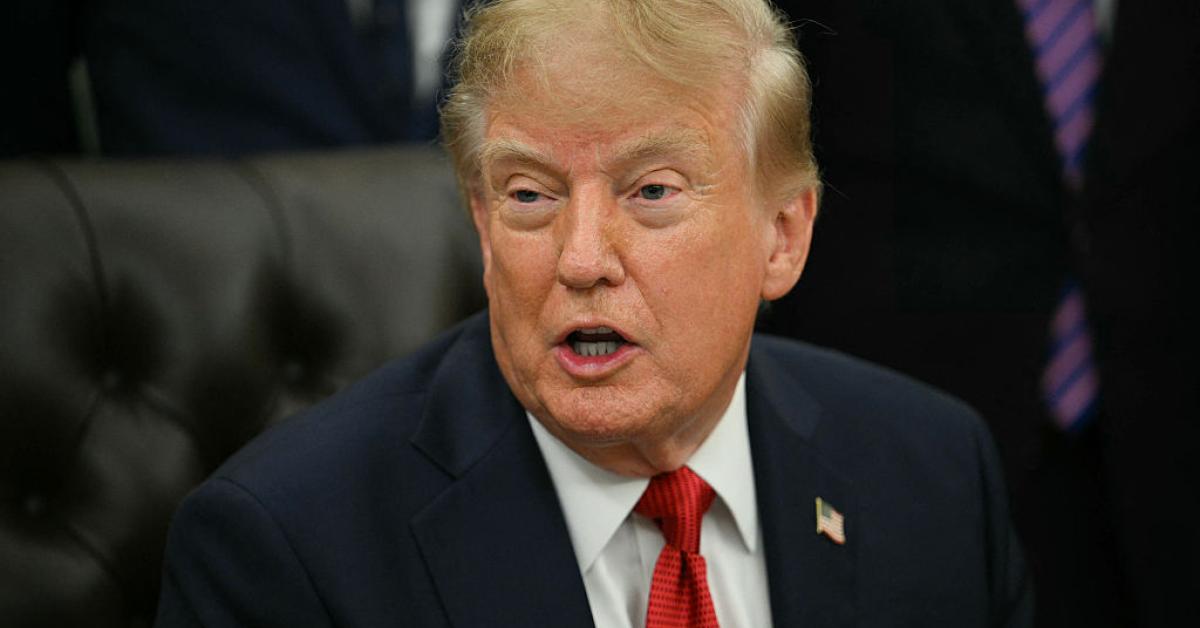
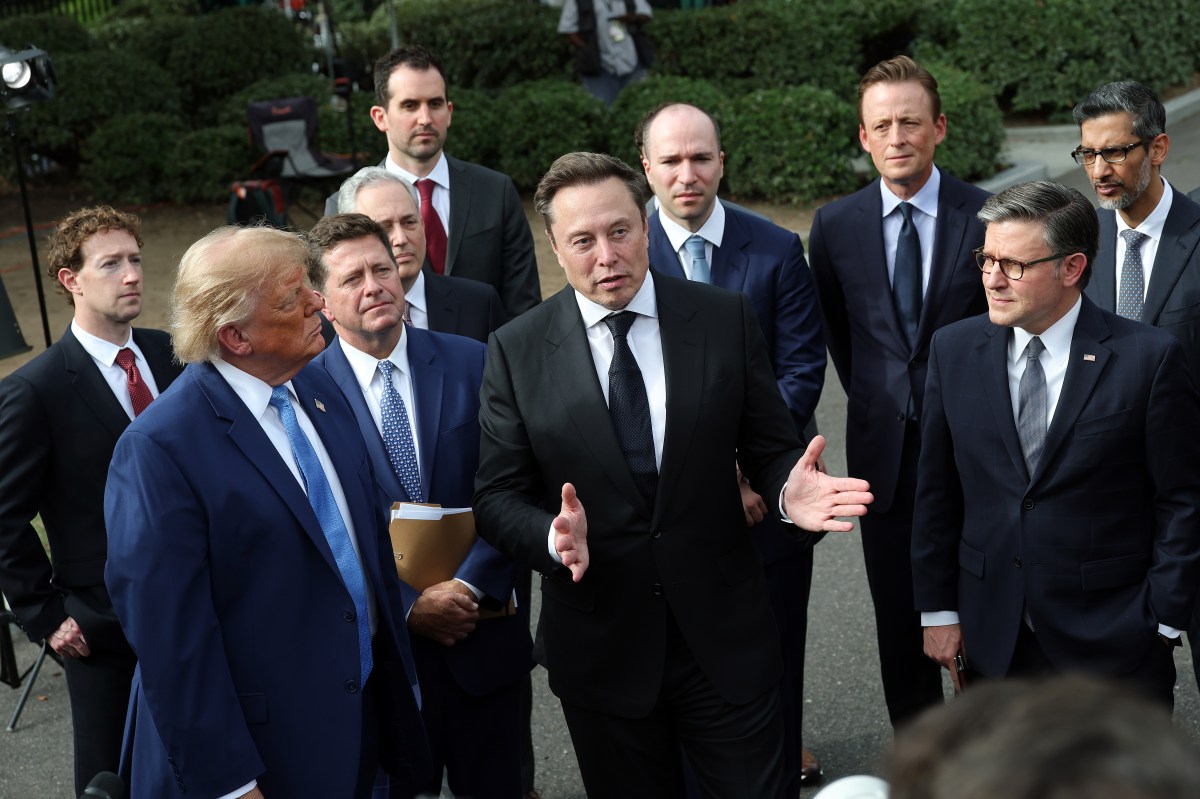
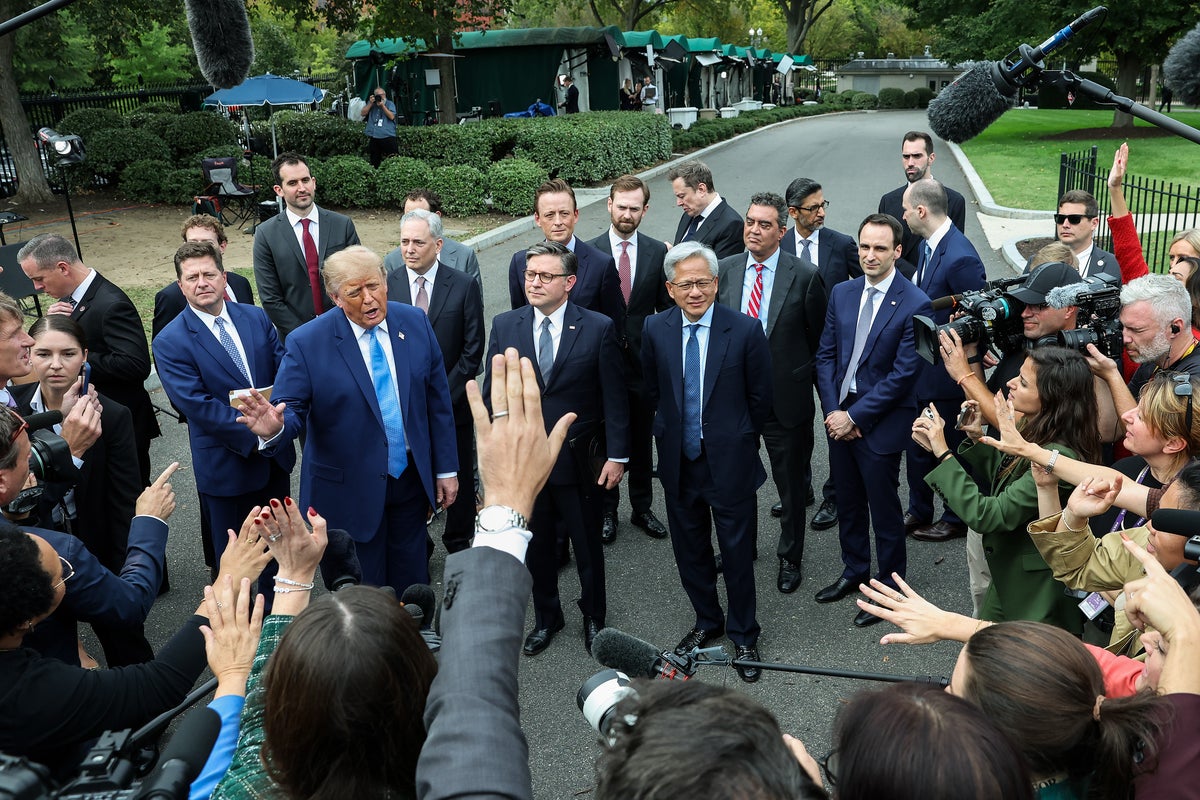
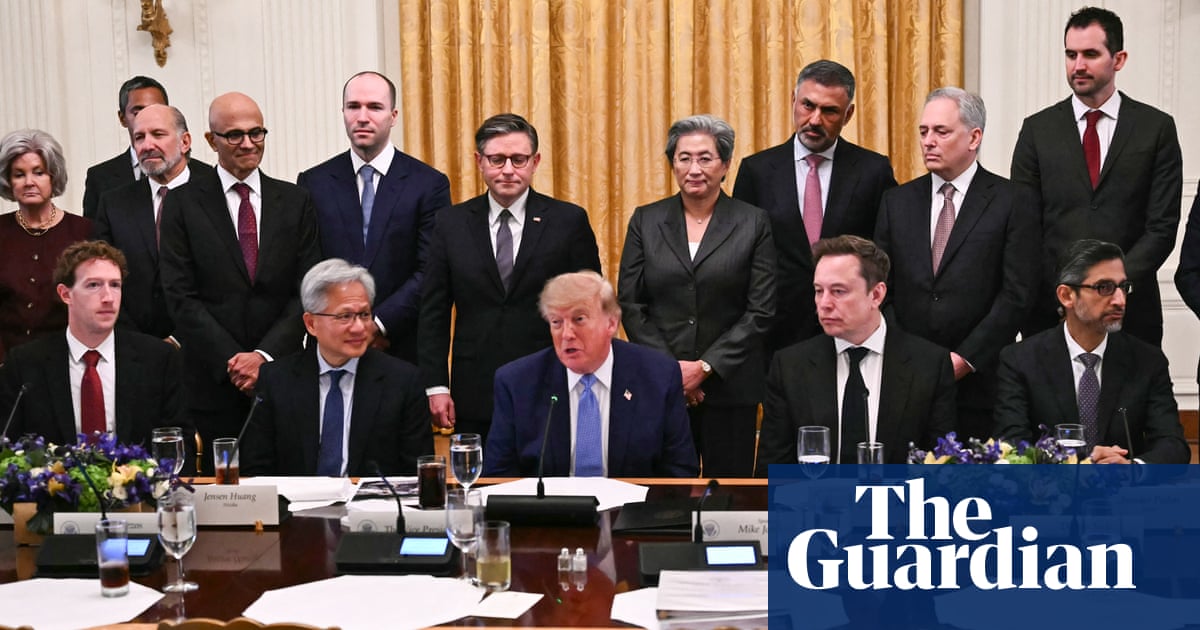
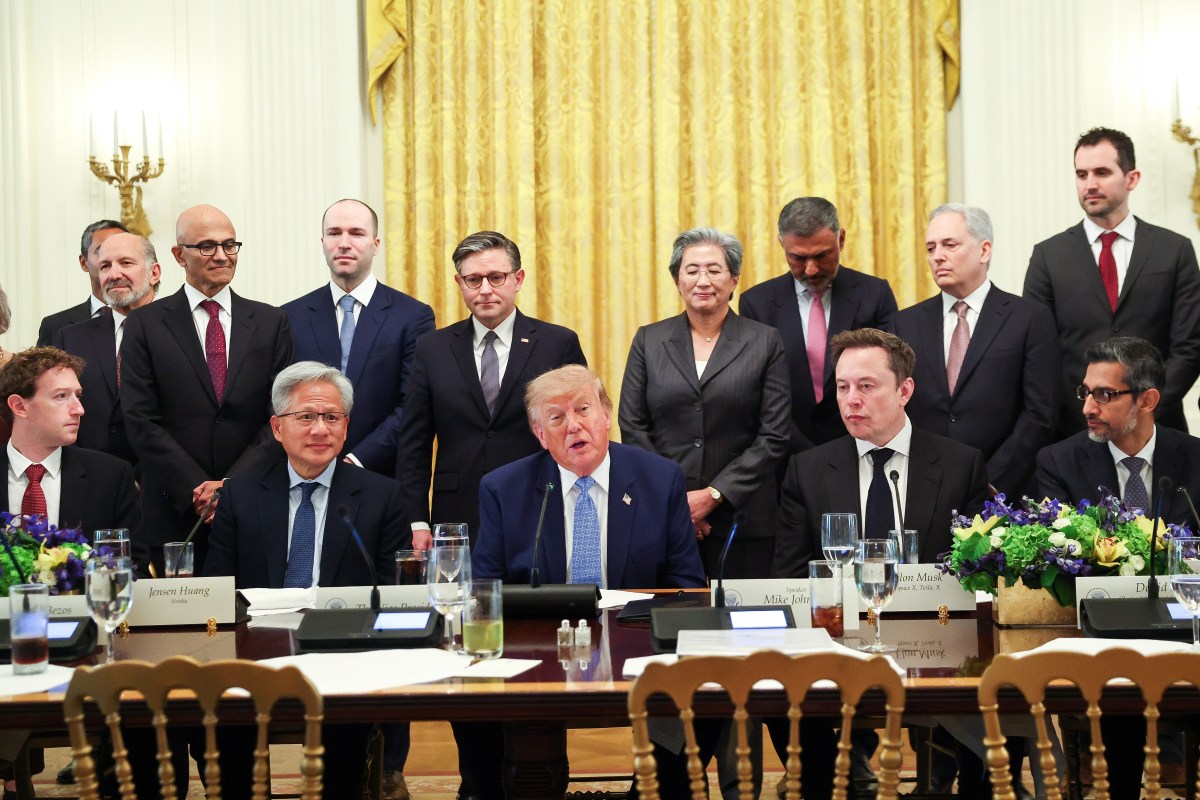
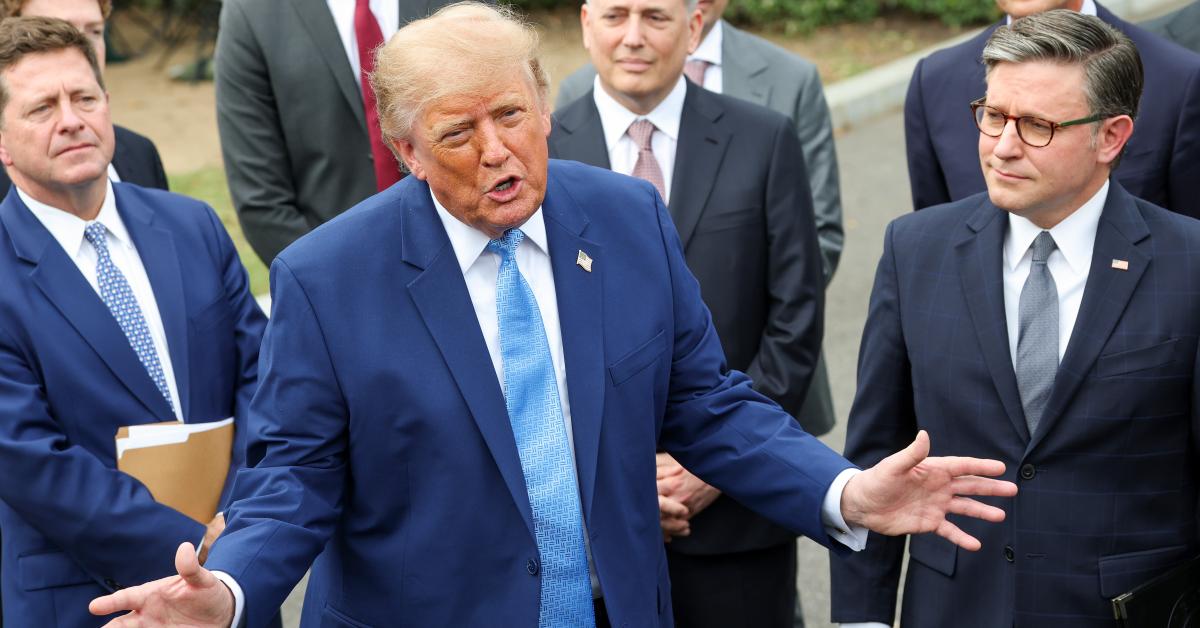
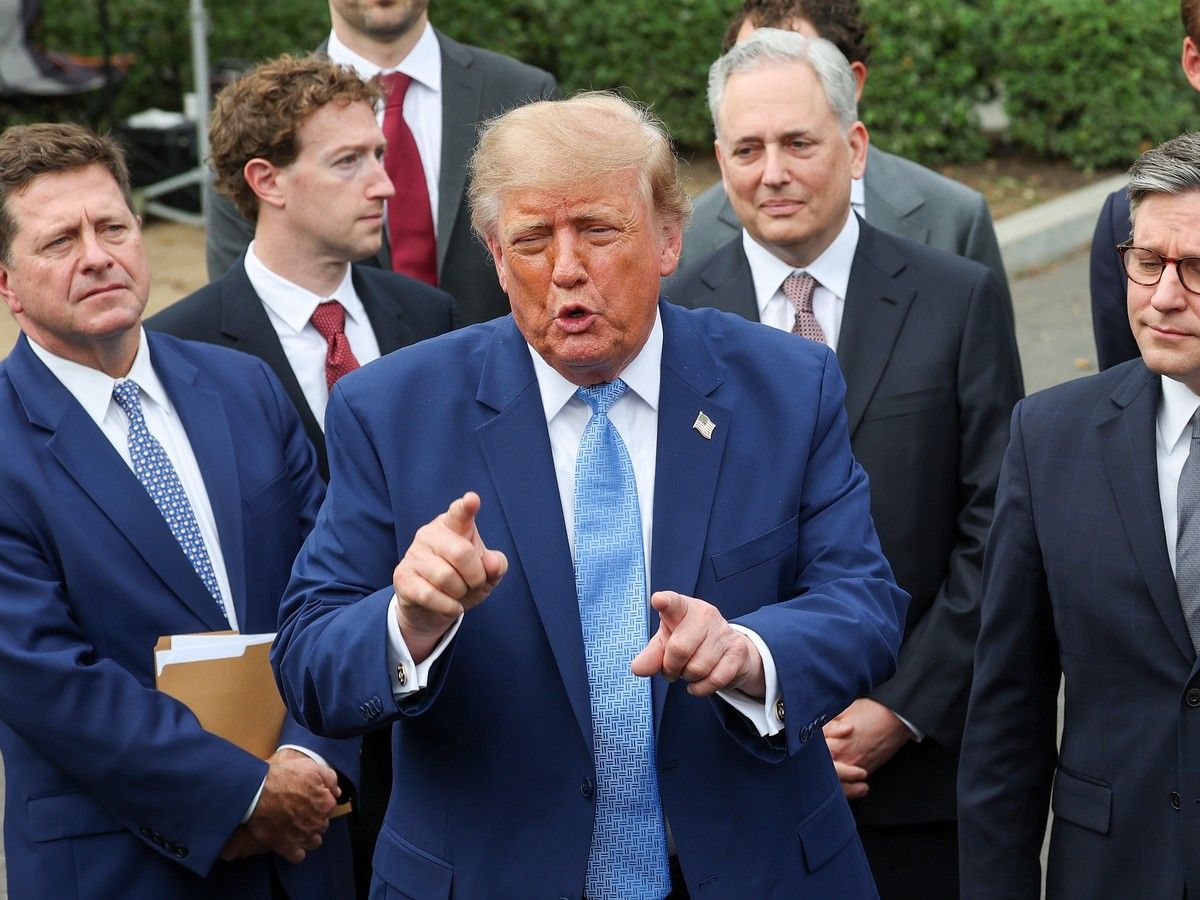
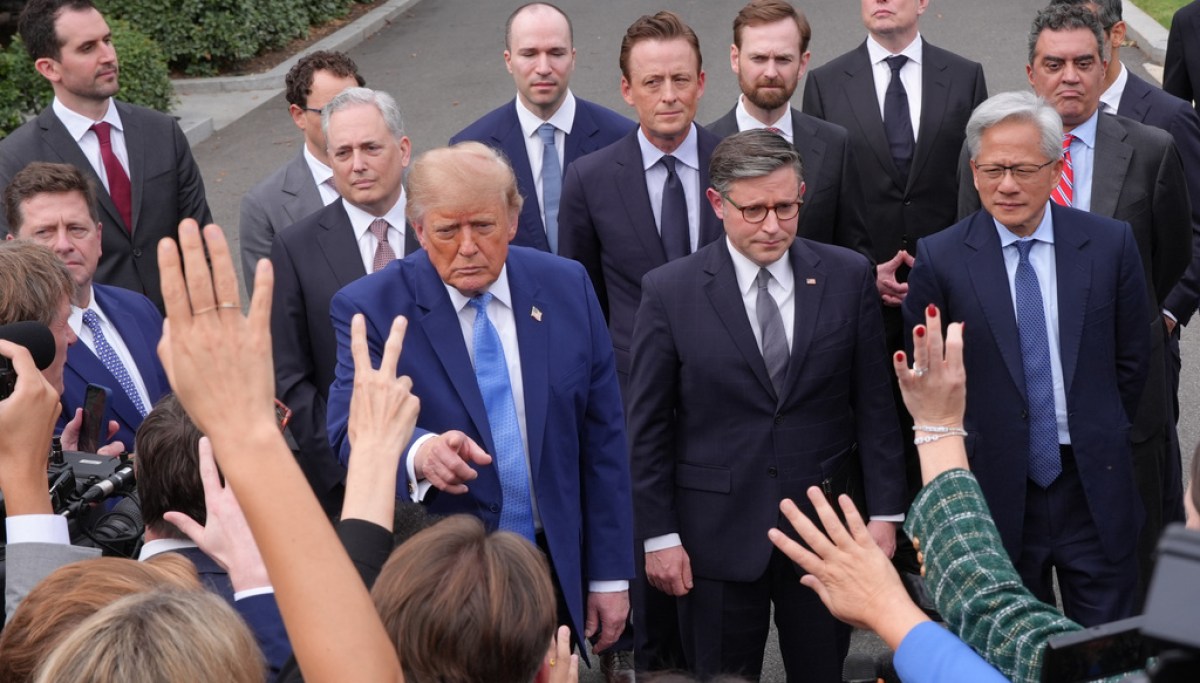
On Tuesday 29 September, Trump told reporters he would sign a document at about 5 p.m. renaming artificial intelligence, "because it's not artificial". Washington ExaminerR “We’re going to be signing a document today at about 5 o’clock, renaming artificial intelligence because it’s not artificial,” Read at Washington Examiner ↗ NBC NewsLC “President Trump said that he will be signing an executive order renaming artificial intelligence to super intelligence.” Read at NBC News ↗ He spoke beside executives including Elon Musk, Jensen Huang and Mark Zuckerberg after hosting a White House lunch on AI. Washington ExaminerR “flanked by tech billionaire Elon Musk, Nvidia CEO Jensen Huang, Meta CEO Mark Zuckerberg, and other AI leaders” Read at Washington Examiner ↗ Just the News and The Verge report that he then signed the executive order. Just the NewsRC “President Donald Trump signed an executive order Tuesday night that formally renamed "artificial intelligence" as "Super Intelligence,"” Read at Just the News ↗ The VergeLC “thanks to a new executive order signed by President Donald Trump” Read at The Verge ↗
The order says the executive branch shall use "Super Intelligence" and "SI" in place of the old terms to the extent the law permits, and that the new term better captures the technology's promise. ComputerworldN “the executive branch shall use the terms ‘Super Intelligence’ and ‘SI’ in place of ‘Artificial Intelligence’ and ‘AI’” Read at Computerworld ↗ NewsweekN “more appropriately captures the promise, potential, and rapidly advancing capabilities of these technologies.” Read at Newsweek ↗ It does not change the legal definition: Computerworld says the White House has 60 days, to 28 November, to propose a new one, and changing the statutory definition would need Congress; previous regulations need not be altered. ComputerworldN “The Executive Order on Super Intelligence directs the White House’s top science and technology adviser to propose legislation for a new federal definition within 60 days” Read at Computerworld ↗ The VergeLC “Executive agencies won’t have to change past regulations or documents” Read at The Verge ↗ Trump said the executives had agreed to a "self-policing" arrangement he called "morally binding", and pointed to the Justice Department and FBI as existing regulators. DeadlineN “produced a “self-policing” agreement and one that would be “morally binding.”” Read at Deadline ↗ The VergeLC “we automatically have regulation with the Department of Justice, the FBI, all of that.” Read at The Verge ↗
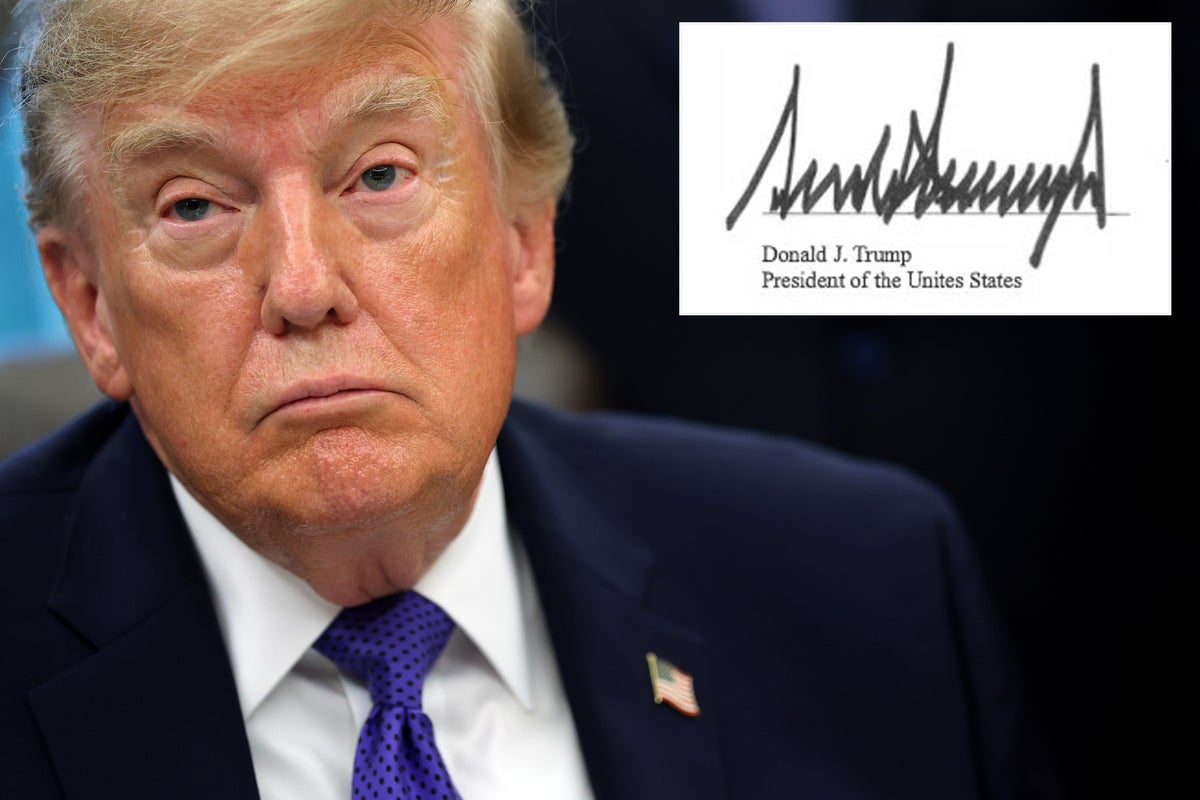
The resulting "Joint Commitment on Frontier Responsibilities", signed by Trump and six company heads, sets out four layers of controls and audits; Newsweek notes nothing in it says it is legally binding, and Computerworld says it names no auditors or deadlines. NewsweekN “There is nothing in the document to say it is legally binding” Read at Newsweek ↗ ComputerworldN “The accord does not name auditors, set deadlines or require companies to disclose audit findings” Read at Computerworld ↗ On Wednesday, outlets reported that the signature line reads "President of the Unites States", which drew online mockery; the Guardian says it is unclear how it happened, and Washington Examiner says the White House posted the error twice. The GuardianLC “It is unclear how the misspelling occurred” Read at The Guardian ↗ Washington ExaminerR “In both posts on X and Truth Social, “United States” was spelled “Unites States”” Read at Washington Examiner ↗ Commentators doubt the term will catch on; a University of Chicago marketing professor told Newsweek it is unlikely to be adopted soon. NewsweekN “it’s unlikely to get adopted anytime soon.” Read at Newsweek ↗ DeadlineN “it remains to be seen whether it actually will take hold” Read at Deadline ↗
Every sentence links to the reporting it rests on.
Left6 outlets
- Framing
- Mixes critique of the trust-the-industry message with ridicule of the typo.
- Emphasis
- The spelling error, online mockery, public scepticism of AI.
- Leaves out or plays down
- Less on the order's legal limits.
- Charged language
- “'truly stupid' spelling mistake”“Criminal plot”
- For example
-
“Trump renames AI to ‘super intelligence’ and tells Americans they have no choice but to trust it” — The Independent
“Donald Trump's latest spelling blunder attracted ridicule online” — Daily Mirror
Centre7 outlets
- Framing
- Explanatory: what the order does, what the accord commits to, and whether the name will stick.
- Emphasis
- Order's scope, 60-day definition review, voluntary nature of the accord.
- Leaves out or plays down
- Little on partisan reaction.
- Charged language
- “rebrand”
- For example
-
“while keeping the technology’s legal definition unchanged and relying on industry to set the rules for its use” — Computerworld
“Donald Trump stood with top tech CEOs and pitched a rebrand.” — Deadline
Right4 outlets
- Framing
- Reports the announcement and order largely as stated; later coverage notes the typo without ridicule.
- Emphasis
- Trump's quotes, order text, the China lead.
- Leaves out or plays down
- Little on critics' scepticism of the rename.
- For example
-
“The renaming only officially affects the executive branch” — Just the News
“The Trump administration misspelled the United States twice in images of the White House artificial intelligence memo” — Washington Examiner
What every side reports
- Trump said on 29 September that AI would be officially renamed "super intelligence".
- The announcement followed a White House lunch with tech executives.
- Six company heads signed a voluntary accord with Trump.
- The signature line reads "President of the Unites States".
Where accounts differ
-
What the rename and accord mean
- Left
- Mocks the typo and questions the trust-us message; The Independent says Trump tells Americans they have no choice but to trust it.
- Centre
- Explains the order's limits and the accord's lack of enforcement; doubts the term will take hold.
- Right
- Reports the order and Trump's remarks plainly; Washington Examiner notes the typo and contrasts Trump with executives' calls for guardrails.
-
A document officially renaming AI 'super intelligence' was due to be signed at about 5 p.m. on Tuesday 29 September.
Reported- Reports 7
- NBC News, The Independent, The Verge, Deadline, The Hill, Just the News, Washington Examiner
-
Tech executives agreed to a 'morally binding', self-policing accord on AI.
Reported- Disputes 1
- The Independent
- Reports 6
- The Verge, Deadline, Newsweek, The Hill, Just the News, Washington Examiner
-
Trump signed an executive order directing federal websites, documents and press releases to use 'Super Intelligence' instead of AI.
Mixed- Supports 2
- The Independent, Computerworld
- Disputes 1
- Deadline
- Reports 4
- The Verge, Deutsche Welle, Newsweek, Just the News
-
The order applies only to executive-branch, non-statutory documents and does not change existing laws.
Reported- Supports 1
- Computerworld
- Reports 3
- The Verge, Newsweek, Just the News
-
The AI accord signed on 29 September misspells the title as "President of the Unites States".
Supported- Supports 4
- Daily Mirror, The Guardian, Newsweek, Washington Examiner
- Reports 1
- The Independent
-
The accord contains nothing saying it is legally binding.
Supported- Supports 2
- Computerworld, Newsweek
- Reports 2
- The Guardian, Washington Examiner
Donald Trump person
Says the name "artificial" is wrong and that industry self-regulation plus existing agencies are enough.
“There’s a belief that there should be tremendous self-regulation,” — The Verge
Mark Zuckerberg person
Presents the accord as "a start" the whole industry can join.
“this is a start and an accord that the whole industry can come to.” — Deadline
Left9 articles
-
-
-
Trump orders US government to call AI ‘Super Intelligence’
Critical Stresses the "very strange" shift and that officials may not acknowledge "AI".
-

Show 5 moreShow fewer
-
-
-

-
‘President of the Unites States’: White House’s AI accord includes spelling error
Critical Focuses on the misspelling and Trump's resistance to regulation.
-

Centre9 articles
-
Donald Trump Looks To Rebrand AI As “Super Intelligence” As CEOs Talk Of Self-Policing Accord
Neutral Sets the rebrand against data-centre backlash and job fears.
-
Show 5 moreShow fewer
-
-
Trump's Super Intelligence Document Has a Spelling Mistake
Mixed Typo story with detail on accord and AI safety context.
-
Trump’s answer to AI’s image problem: Industry self-regulation and a new name
Neutral Explains order text and accord weaknesses.

-

Right6 articles
-
Trump officially changes artificial intelligence to Super Intelligence in new executive order
Neutral Reports the order and its 60-day definition task.
-
-
Trump announces plans to change the name of AI to ‘super intelligence’
Neutral Reports Trump's quotes and the lunch.
-
Show 2 moreShow fewer
-
Trump administration misspells United States twice while promoting AI memorandum
Mixed Notes the typo was posted twice and contrasts Trump with executives.
-
BreitbartR · · Opinion
- 29 Sep 01:00 First Just the NewsRC Trump officially changes artificial intelligence to Super Intelligence in new executive order
- 29 Sep 16:16 +15h 16m NBC NewsLC Trump says he will sign executive order naming AI as Super Intelligence
- 29 Sep 19:58 +18h 59m The HillN Trump to sign order renaming AI as 'superintelligence'
- 29 Sep 20:49 +19h 49m Washington ExaminerR Trump announces plans to change the name of AI to ‘super intelligence’
- 29 Sep 21:42 +20h 42m The HillN 'It is the biggest thing there is,' Trump renames AI 'super intelligence'
- 29 Sep 22:34 +21h 34m Just the NewsRC Trump says he will sign executive order officially renaming AI as 'Super Intelligence' on Tuesday
- 29 Sep 22:34 +21h 34m DeadlineN Donald Trump Looks To Rebrand AI As “Super Intelligence” As CEOs Talk Of Self-Policing Accord
- 29 Sep 23:20 +22h 20m The IndependentLC Trump renames AI to ‘super intelligence’ and tells Americans they have no choice but to trust it
- 29 Sep 23:25 +22h 26m The VergeLC Trump orders US government to call AI ‘Super Intelligence’
- 30 Sep 05:14 +28h 15m NewsweekN Why Does Trump Prefer Using 'SI' Versus 'AI'? What We Know on New Order
- 30 Sep 08:55 +31h 56m Hindustan TimesN ‘President of the Unites States’: Typo spotted in Trump’s White House ‘super intelligence’ accord
- 30 Sep 10:33 +33h 33m Deutsche WelleN Is US President Donald Trump right to rename AI as 'Super Intelligence'?
- 30 Sep 10:49 +33h 50m NewsweekN Trump's Super Intelligence Document Has a Spelling Mistake
- 30 Sep 11:51 +34h 51m Daily MirrorL Donald Trump's 'truly stupid' spelling mistake on superintelligence community letter
- 30 Sep 13:35 +36h 36m Raw StoryL 'Criminal plot' suspected behind Trump's latest bizarre fixation: journalist Opinion
- 30 Sep 13:53 +36h 53m The IndependentLC Trump mocked for embarrassing spelling error on ‘super intelligence’ pact
- 30 Sep 15:21 +38h 22m ComputerworldN Trump’s answer to AI’s image problem: Industry self-regulation and a new name
- 30 Sep 15:50 +38h 51m TechCrunchN Pledge signed by President Trump and top AI leaders misspells the United States
- 30 Sep 16:35 +39h 36m National PostRC Trump posts ‘super intelligence’ document with U.S. spelt as ‘Unites States’
- 30 Sep 16:58 +39h 58m Washington ExaminerR Trump administration misspells United States twice while promoting AI memorandum
- 30 Sep 17:08 +40h 9m Raw StoryL Trump ridiculed for glaring typo in new order: 'You shouldn't be president'
- 30 Sep 17:11 +40h 12m The GuardianLC ‘President of the Unites States’: White House’s AI accord includes spelling error
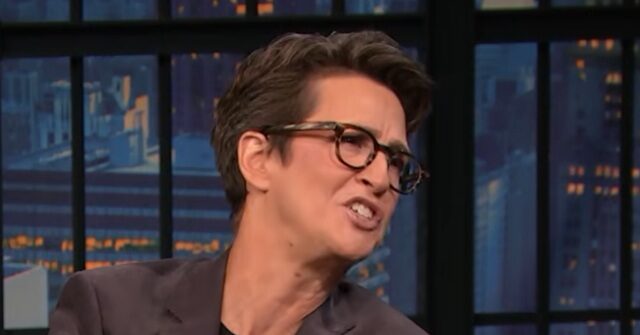
- 30 Sep 17:53 +40h 53m BreitbartR Rachel Maddow: 'Trump Moved Explicitly to Make Sure No Human Can Interfere with Robots' Ability to Kill Us' Opinion
- 30 Sep 18:15 +41h 16m The VergeLC Here’s what AI leaders are saying about Trump’s new safety plan
Times are when each article was published, or when we first saw it if the outlet gave no time.