Trump finds robot imports a security risk, orders trade talks, holds off tariffs
On Oct 28 Trump found that imported robotics and industrial machinery pose national security risks. He ordered negotiations with trading partners rather than imposing tariffs now, and kept the option of duties later.
1 / 2
The story, neutrally told
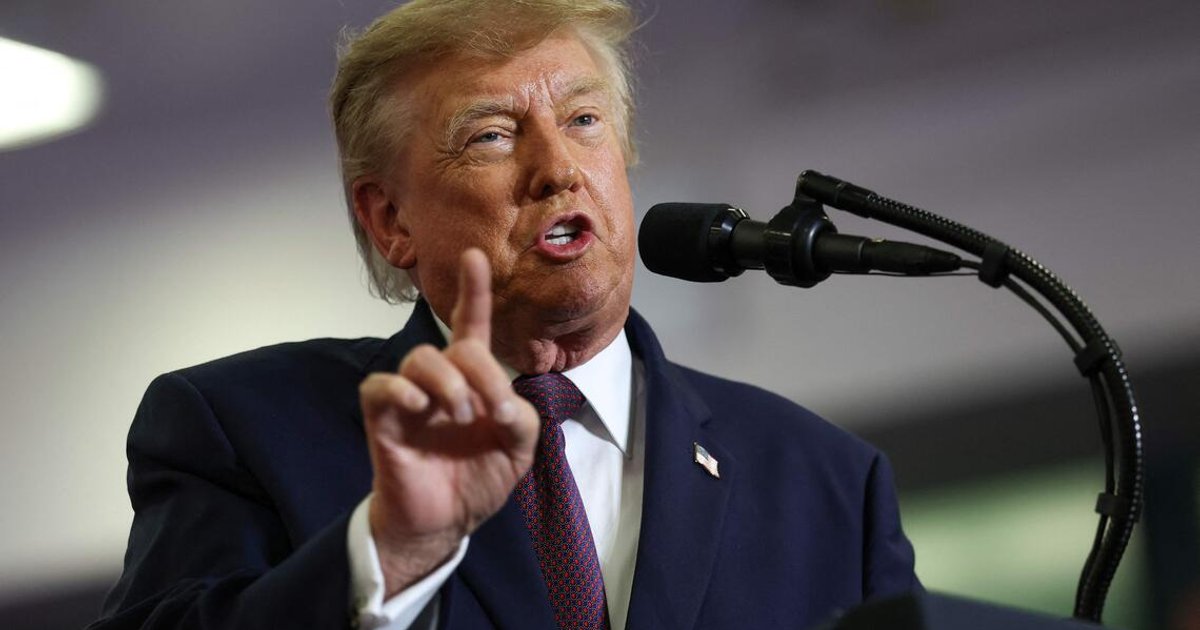
Mixed · 2On Oct 28, 2026, President Donald Trump found that imported robotics and industrial machinery pose national security risks, but imposed no immediate tariffs. The Straits TimesRC “found on Oct 28 that imported robotics and machinery pose national security risks but did not impose any immediate tariffs” Read at The Straits Times ↗ Ars TechnicaLC “Issued on October 28, Trump’s presidential proclamation” Read at Ars Technica ↗ Mixed · 2He directed the Commerce Department and the US Trade Representative to jointly negotiate agreements with trading partners on import levels, and to report back on the talks within 180 days. The Straits TimesRC “He directed the agencies to report back in 180 days on the status of the talks with trading partners.” Read at The Straits Times ↗ Ars TechnicaLC “aims to strike new agreements on the issue within 180 days of the proclamation’s date” Read at Ars Technica ↗ Mixed · 2Tariffs remain possible: Trump said he could still impose them later, and the proclamation warns of additional actions such as "tariffs, duties, quotas, and fees" if no agreements are reached. The Straits TimesRC “said he could still impose tariffs at a later date” Read at The Straits Times ↗ Ars TechnicaLC “the proclamation warns that the president may take additional actions, like imposing “tariffs, duties, quotas, and fees” on such imports” Read at Ars Technica ↗
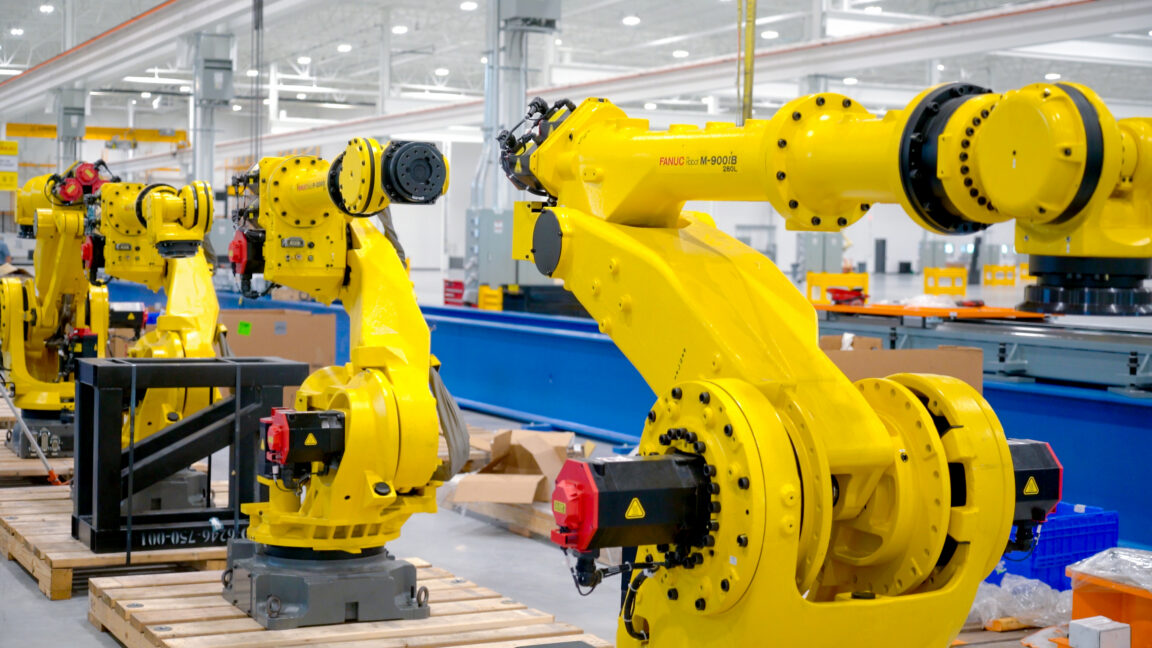
Right · 1The decision followed a probe of more than a year, opened in September 2025, covering robotics and industrial machinery such as programmable computer-controlled systems, stamping and pressing machines, machine tools, autoclaves, industrial ovens, and laser and water-cutting tools. The Straits TimesRC “Following a more than year-long probe”“The robotics probe covered machine tools for cutting, welding, and handling workpieces, autoclaves and industrial ovens.” Read at The Straits Times ↗ Left · 1According to Ars Technica, the proclamation cites a Commerce investigation under Secretary Howard Lutnick that found "unique security and safety risks" and possible "significant cybersecurity vulnerabilities", and calls industrial robots crucial to US weapon systems and critical infrastructure. Ars TechnicaLC “The Department of Commerce investigation also supposedly found “unique security and safety risks””“describes industrial robots and machinery as being crucial for producing US military weapon systems” Read at Ars Technica ↗ Mixed · 2Commerce said, and the proclamation acknowledges, that the US relies on foreign imports for most types of robotics and industrial machinery and that US makers do not produce enough to meet national security needs. The Straits TimesRC “The Commerce Department said the United States relies on foreign imports for most types of robotics and industrial machinery.” Read at The Straits Times ↗ Ars TechnicaLC “US robotics companies do not produce enough industrial robots to “meet national security needs,”” Read at Ars Technica ↗
Right · 1Reuters, carried by the Straits Times, said the decision spares US manufacturers from immediate new duties but leaves the threat open if talks fall short. The Straits TimesRC “leaves open the threat of duties if talks with trading partners fall short” Read at The Straits Times ↗ Left · 1Ars Technica said the move could complicate operations at firms such as General Motors, Ford, Tesla, Boeing and Lockheed Martin, and that any tariffs would be paid by US importers, likely raising manufacturing costs. Ars TechnicaLC “Any tariffs or other fees would, of course, be paid by the US companies importing such foreign-made robots.” Read at Ars Technica ↗ Left · 1Ars Technica noted that the leading heavy-duty robot arm makers (FANUC, ABB, Yaskawa and KUKA) are based in Japan, Switzerland and Germany, that no US company offers comparable hardware, and that the International Federation of Robotics counted nearly 38,500 new US industrial robot installations in 2025. Ars TechnicaLC “No US company currently offers comparable heavy-duty hardware for large industrial robotic arms”“nearly 38,500 new US installations of industrial robots in 2025” Read at Ars Technica ↗
Right · 1The action follows a July FCC rule barring imports of new models of Chinese robots and power inverters, which allows existing humanoid and quadruped models; the FCC said robots collect data that malign actors could use to surveil Americans or remotely commandeer them. The Straits TimesRC “The US Federal Communications Commission in July barred imports of new models of Chinese robots and power inverters.”“collect data that could be leveraged by malign actors to surveil Americans” Read at The Straits Times ↗ Mixed · 2Ars Technica describes the FCC action as covering foreign-made robots generally, including robot vacuums, robot dogs and humanoids, while exempting fixed industrial robot arms, and notes that companies such as Intel have obtained waivers from administration restrictions. Reuters adds that Commerce found in July that imported commercial aircraft, jet engines and parts raise national security concerns. Ars TechnicaLC “that FCC action had specifically exempted industrial robot arms and other fixed or stationary robots” Read at Ars Technica ↗ The Straits TimesRC “In July, Commerce completed a probe into imported commercial aircraft” Read at The Straits Times ↗
Every sentence links to the reporting it rests on. The pill in front of each says where its sources sit: Left, Centre or Right when one side supplies at least half of them, Mixed when they are evenly split. The number is how many outlets it cites.
Left1 outlet
- Framing
- Ars Technica leads with Trump declaring robot imports a threat and stresses the cost and supply-chain consequences for US manufacturers.
- Emphasis
- Impact on named US companies, who pays tariffs, lack of US suppliers, and the FCC exemption for industrial arms.
- Leaves out or plays down
- Does not mention the FCC's data-surveillance rationale in detail or the aircraft probe.
- Charged language
- “supposedly found”“of course”
- For example
-
“The Department of Commerce investigation also supposedly found “unique security and safety risks”” — Ars Technica
“Any tariffs or other fees would, of course, be paid by the US companies importing such foreign-made robots.” — Ars Technica
Centre0 outlets
No centre outlet in our sources has covered this story yet.
Right1 outlet
- Framing
- Reuters wire copy carried by the Straits Times leads with the absence of immediate tariffs and the order to negotiate.
- Emphasis
- The 180-day reporting deadline, scope of the probe, the FCC ban and security rationale.
- Leaves out or plays down
- Does not discuss costs to importers, named companies or the lack of US alternatives.
- For example
-
“The decision spares US manufacturers, which rely on foreign imports for most types of robotics and industrial machinery, from immediate new tariffs” — The Straits Times
What every side reports
- Trump acted on Oct 28, 2026, finding imported robotics a national security risk.
- No immediate tariffs were imposed; talks with trading partners were ordered with a 180-day horizon.
- Tariffs could follow if talks fail.
- The US relies on foreign imports for most robotics and industrial machinery.
- The FCC barred new foreign robot models in July.
Where accounts differ
-
Scope of the July FCC action
- Left
- Ars Technica says it covered foreign-made robots such as vacuums, robot dogs and humanoids, exempting fixed industrial arms.
- Right
- Reuters says it barred new models of Chinese robots and power inverters.
Donald Trump person
Trump found imported robotics and machinery a national security risk, ordered negotiations with partners and kept tariffs as a later option.
“said he could still impose tariffs at a later date” — The Straits Times
“holding out the possibility of imposing new tariffs on such robot imports in the future” — Ars Technica
Robotics imports topic
Robotics imports are the subject: the US relies on foreign supply for most types, and US makers cannot meet national security needs.
“The Commerce Department said the United States relies on foreign imports for most types of robotics and industrial machinery.” — The Straits Times
Left1 article
-
Trump declares robot imports a national security threat
Critical Analytical piece emphasising the economic burden on US manufacturers and skeptical of the security findings.
Centre0 articles
No coverage yet.
Right1 article
-
The Straits TimesRC · · via Reuters
Trump says imported robotics pose national security risks but does not impose tariffs
Neutral Reuters wire report focusing on the decision to negotiate rather than tariff, with probe scope and FCC background.
- 29 Oct 01:00 First The Straits TimesRC Trump says imported robotics pose national security risks but does not impose tariffs via Reuters
- 29 Oct 19:07 +18h 8m Ars TechnicaLC Trump declares robot imports a national security threat
Times are when each article was published, or when we first saw it if the outlet gave no time.
Ask about this story
Loading…