UK 30-year gilt yield hits 6% for first time since 1998 as FTSE 100 falls 1.7%
A global bond sell-off pushed the UK 30-year gilt yield to 6% on 1 October, its highest since 1998, and the FTSE 100 fell about 1.7%. Outlets say it adds pressure on Chancellor John Healey before the 28 October Budget.


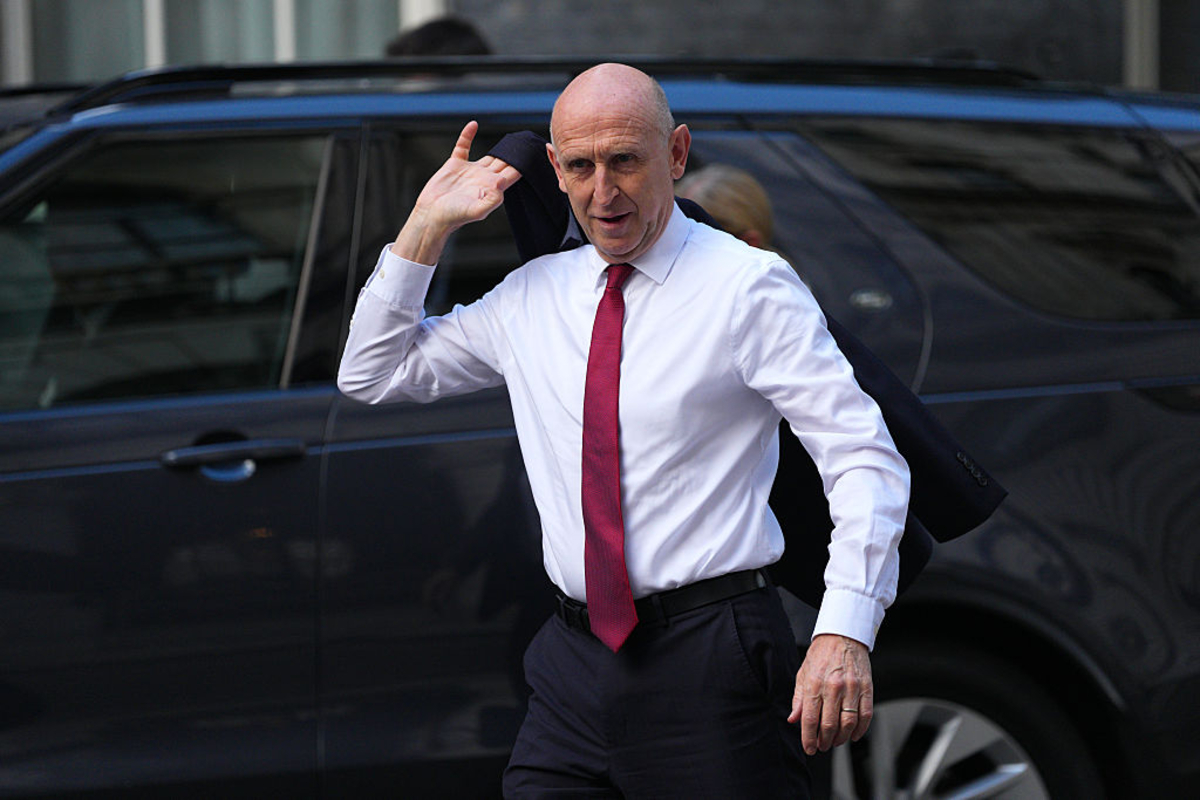


1 / 5
The story, neutrally told
The yield on UK 30-year gilts reached 6% on Thursday 1 October, the first time since 1998, during a global government bond sell-off. The GuardianLC “hit 6% on Britain’s 30-year bonds for the first time since 1998.” Read at The Guardian ↗ City A.M.RC “It was the first time the 30-year yield hit six per cent since 1998.” Read at City A.M. ↗ The Evening Standard put the gilt yield at 6.07% in morning trading, while City A.M. said the 30-year yield skimmed 6.04%. Evening StandardN “reached 6.07% in morning trading on Thursday” Read at Evening Standard ↗ City A.M.RC “skimmed 6.04 per cent in the early hours of trading on Thursday.” Read at City A.M. ↗ The FTSE 100 fell by about 1.7% in early trading, and Germany's Dax and France's CAC 40 fell by 1.1%. The GuardianLC “knocking 1.7% off the London stock market in early trading.” Read at The Guardian ↗ Evening StandardN “London’s FTSE 100 Index tumbled by 1.7%.” Read at Evening Standard ↗
The Daily Mirror reported that the 10-year gilt yield rose to around 5.49%, the highest since July 2007. Daily MirrorL “The yield on shorter term 10 -year gilts has climbed to around 5.49%.” Read at Daily Mirror ↗ The Guardian attributed the sell-off to fears of high inflation as the Middle East conflict restricts oil supplies, plus concern over US deficits; US 10-year Treasury yields hit their highest since 2002. The GuardianLC “The bond sell-off around the world is being driven by fears of high inflation, as the Middle East conflict continues to restrict oil supplies from the region.” Read at The Guardian ↗ City A.M. said oil rose above $100 a barrel on fears that US-Iran negotiations have stalled, and that UK bonds were among the worst performers. City A.M.RC “UK bonds were among the worst performers in a global sell-off on Thursday” Read at City A.M. ↗
Outlets said the rise adds pressure on Chancellor John Healey before the Budget on 28 October. Daily MirrorL “ahead of the Budget on October 28” Read at Daily Mirror ↗ Evening StandardN “heaping pressure on the Chancellor ahead of his inaugural Budget later this month.” Read at Evening Standard ↗ City A.M. said analysis by RSM and other City firms suggests higher yields could cut about £9bn from the £23.6bn fiscal headroom set in March. City A.M.RC “could slash about £9bn from the headroom figure. The buffer stood at £23.6bn in March.” Read at City A.M. ↗ Pantheon Macroeconomics said the UK's wide yield spread over peers is justified by its fiscal position and energy-driven inflation. City A.M.RC “the wide spread of gilt yields over peers is fair given the UK’s dire fiscal position” Read at City A.M. ↗
Every sentence links to the reporting it rests on.
Left2 outlets
- Framing
- Global market turmoil driven by inflation and oil fears, with the Mirror stressing consequences for public spending and services.
- Emphasis
- Global causes (US deficits, Middle East oil, Fed) in the Guardian; Mirror stresses debt interest, tax and spending risks.
- Leaves out or plays down
- Neither gives the OBR headroom estimates or the Burnham spending comments that City A.M. reports.
- Charged language
- “alarm bells”“bond rout”
- For example
-
“sending “alarm bells ringing” for Chancellor John Healey” — Daily Mirror
“The turmoil in global bond markets intensified on Thursday” — The Guardian
Centre2 outlets
- Framing
- Short market report linking the bond sell-off to the FTSE 100 fall and Healey's first Budget.
- Emphasis
- Pressure on the Chancellor and an IG analyst's comments.
- Leaves out or plays down
- Does not name the 30-year maturity, and gives no causes or fiscal-headroom figures.
- Charged language
- “soar”“creaking public finances”
- For example
-
“heaping pressure on the Chancellor ahead of his inaugural Budget later this month.” — Evening Standard
Right1 outlet
- Framing
- Frames the yield rise as a fiscal problem for the government, with market doubts about its borrowing stance.
- Emphasis
- OBR debt-interest figures, shrinking headroom, Burnham's comments and Pantheon's critique.
- Leaves out or plays down
- Gives less on the global drivers beyond oil and says little about the 10-year yield.
- Charged language
- “Headache for Healey”“collision course with markets”“dire fiscal position”
- For example
-
“putting Chancellor John Healey in a collision course with markets.” — City A.M.
What every side reports
- The 30-year gilt yield reached 6% on 1 October, the highest since 1998.
- The FTSE 100 fell about 1.7% (City A.M.: nearly 2%).
- The moves put pressure on Chancellor John Healey ahead of the Budget later this month.
- Analyst Axel Rudolph of IG is quoted on the pressure on public finances.
Where accounts differ
-
Which gilt yield hit 6%
- Left
- The Guardian and Mirror specify the 30-year yield; the Mirror puts the 10-year at about 5.49%.
- Centre
- The Evening Standard refers to 'gilt yields' hitting 6% (6.07%) without naming the maturity.
- Right
- City A.M. specifies the 30-year yield (6.04%).
-
The UK 30-year gilt yield reached 6% on 1 October 2026, the first time since 1998.
Supported- Supports 3
- Daily Mirror, The Guardian, City A.M.
- Reports 1
- Evening Standard
-
The FTSE 100 fell by about 1.7% on 1 October 2026 amid the bond sell-off.
Supported- Supports 2
- The Guardian, Evening Standard
- Reports 1
- City A.M.
-
The global bond sell-off is driven by fears of persistent inflation tied to Middle East conflict restricting oil supplies.
Reported- Supports 1
- The Guardian
- Reports 2
- Daily Mirror, City A.M.
John Healey person
Coverage presents the Chancellor as squeezed ahead of the Budget; no direct comment from him is quoted.
“adding to the pressure on the chancellor, John Healey, before the budget later this month.” — The Guardian
“The higher level of government borrowing costs comes at a particularly awkward time for Healey.” — City A.M.
Left3 articles
-
Neutral Live-blog explainer of the global bond turmoil and its UK impact.
-
Global bond sell-off intensifies, as UK long-term borrowing costs pass 6%
Neutral Explains global drivers, quoting Jefferies and IG analysts.

-
'Alarm bells' for Chancellor John Healey as government borrowing costs hit 28-year high
Alarmist Stresses what rising borrowing costs mean for public services, taxes and the Budget.
Centre2 articles
-
UK borrowing costs soar as gilt yields hit 6% for first time since 1998
Mixed Brief report on the yield milestone and equity fall, stressing pressure on the Chancellor.
-
Right1 article
-
Global bond sell-off: Headache for Healey as gilt yields top six per cent
Critical Focuses on the fiscal bind facing Healey and government borrowing stance.
- 1 Oct 09:10 First The GuardianLC UK 30-year borrowing costs hit 6%, highest since 1998, as government bond sell-off intensifies – business live
- 1 Oct 09:13 +3m Evening StandardN UK borrowing costs soar as gilt yields hit 6% for first time since 1998
- 1 Oct 09:27 +17m The GuardianLC Global bond sell-off intensifies, as UK long-term borrowing costs pass 6%
- 1 Oct 10:12 +1h 2m City A.M.RC Global bond sell-off: Headache for Healey as gilt yields top six per cent
- 1 Oct 11:32 +2h 22m Daily MirrorL 'Alarm bells' for Chancellor John Healey as government borrowing costs hit 28-year high
- 1 Oct 13:15 +4h 5m Anadolu AgencyN UK 30-year bond yield hits highest since 1998 amid global sell-off
Times are when each article was published, or when we first saw it if the outlet gave no time.