UK government urges households to 'be ready' for crisis; preppers say advice should go further
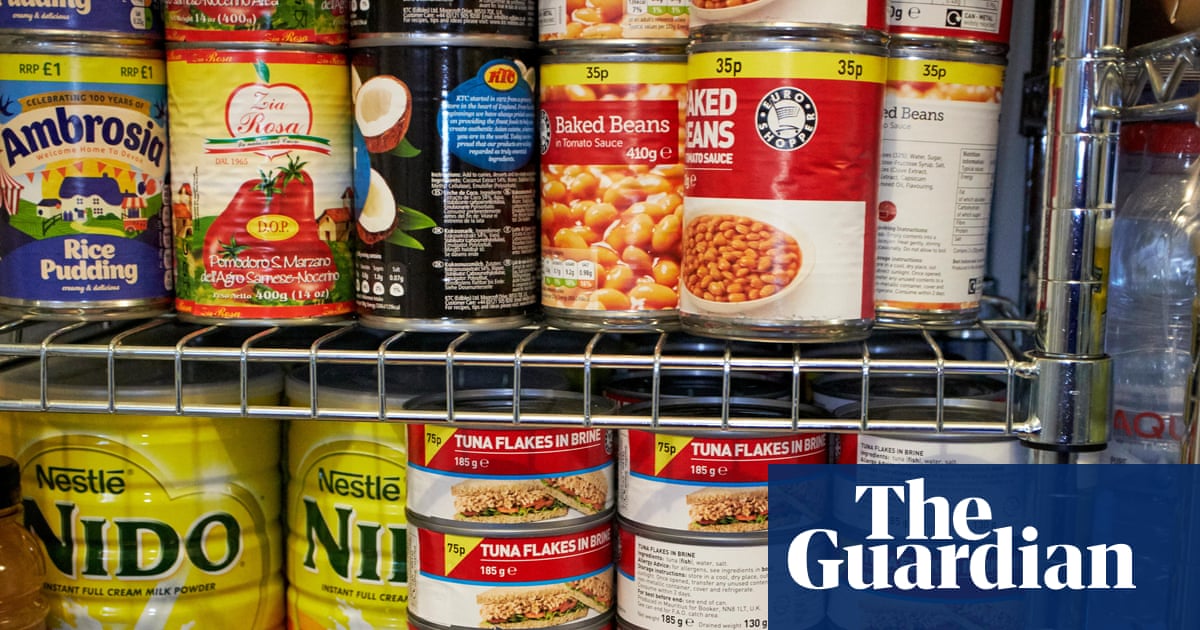
The UK government's "Be Ready" campaign urges households to store three days of food and water and carry cash in case of extreme weather, cyber-attacks or war. The Daily Mail profiles women preppers who welcome it; the Guardian podcast weighs whether prepping is needed.

1 / 2
The story, neutrally told
Mixed · 2The UK government has launched a "Be Ready" campaign warning the public to prepare for a national crisis, urging households to stockpile three days of food and water and to carry cash. Daily MailR “urging households to stockpile three days of food and water and start carrying cash.” Read at Daily Mail ↗ The GuardianLC “warning the British public to stockpile essentials in the event of extreme weather, cyber-attacks and even war.” Read at The Guardian ↗ Right · 1The Daily Mail attributes the warning to Andy Burnham's Government; it cites conflict in the Middle East, the Russia-Ukraine war, cyber attacks and extreme weather as the backdrop to a growing prepping trend. Daily MailR “Andy Burnham's Government has warned people in the UK to 'be ready' for a national crisis”“Amid conflict in the Middle East and the Russia-Ukraine war, as well as cyber attacks and extreme weather” Read at Daily Mail ↗ Right · 1The Mail profiles women preppers, including Ana, a 41-year-old mother based in Wales who began prepping in earnest during the Covid lockdowns when she could not find baby formula, and who keeps at least two months of food. Daily MailR “The 41-year-old now has cupboards filled with flour, oats, lentils, beans and other tinned goods, ready to cook from scratch for at least two months” Read at Daily Mail ↗
Right · 1Ana, who has at least 32,000 followers across Instagram and YouTube and founded the UK Preppers Club Facebook group with more than 10,000 members, welcomed the guidance but said it does not go far enough, arguing households should be encouraged to hold seven days or even two weeks of supplies. Daily MailR “She welcomed the government's advice to the UK - but warned it doesn't go far enough”“founded the UK Preppers Club on Facebook, which has more than 10,000 members” Read at Daily Mail ↗ Right · 1Ana said she would like clearer quantities and advice on what to do if toilets stop flushing, heating goes off or people cannot cook, and said preparedness need not be costly, with skills, a family plan and neighbours' contact details costing nothing. Daily MailR “I’d like to see clearer quantities and advice on what families should do if toilets stop flushing, heating goes off or they can’t cook.” Read at Daily Mail ↗ Right · 1Dr Sarita Robinson, a 50-year-old associate dean at the University of Lancashire from Preston, who has about three months of food at home, said prepping should reassure rather than increase panic and could free up support for vulnerable people, while urging the government to keep investing in infrastructure and emergency services and be more transparent about coming challenges. Daily MailR “'Prepping should not increase panic and anxiety.”“start being a little bit more transparent of the challenges ahead” Read at Daily Mail ↗
Left · 1The Guardian's podcast, presented by Annie Kelly, asks whether prepping is needed, featuring Tim Lang, emeritus professor of food policy at City St George's, University of London, on where UK preparedness falls short, and Ana, who inspects the presenter's own stockpile. The GuardianLC “Tim Lang, emeritus professor of food policy at City St George’s, University of London, talks to Annie Kelly about where UK preparedness still falls short.”“inspects Kelly’s own efforts at essential stockpiling.” Read at The Guardian ↗
Every sentence links to the reporting it rests on. The pill in front of each says where its sources sit: Left, Centre or Right when one side supplies at least half of them, Mixed when they are evenly split. The number is how many outlets it cites.
Left1 outlet
- Framing
- A podcast questioning whether prepping is really needed, pairing a food policy academic with a prepper.
- Emphasis
- Gaps in UK preparedness and the three-day supplies advice.
- Leaves out or plays down
- Little detail on the campaign or the government's rationale is given in the available description.
- For example
-
“Do we really need to be prepping for disaster? – podcast” — The Guardian
“talks to Annie Kelly about where UK preparedness still falls short.” — The Guardian
Centre0 outlets
No centre outlet in our sources has covered this story yet.
Right1 outlet
- Framing
- A lifestyle feature on middle-class women already prepping, set against the government's 'doomsday guide' and World War III fears.
- Emphasis
- Personal testimony from preppers, their pantries and reassurance that prepping is ordinary, not panic-driven.
- Leaves out or plays down
- No independent expert doubt about whether the campaign is necessary appears in the text read.
- Charged language
- “Labour's doomsday guide”“prepping for World War III”
- For example
-
“Middle-class women prepping for World War III reveal what they really stockpile amid Labour's doomsday guide” — Daily Mail
“Should the government be urging us to prepare for disasters, or is this fearmongering that risks causing panic?” — Daily Mail
What every side reports
- The government's 'Be Ready' campaign encourages households to store about three days of essentials.
- Ana, a prepper and online influencer, features in both outlets' coverage.
Where accounts differ
-
Whether the campaign goes far enough
- Left
- The podcast asks whether prepping is needed at all and where preparedness falls short.
- Right
- Ana says three days is too little and urges seven to fourteen days.
Andy Burnham person
The Mail presents his government as having issued the 'be ready' warning urging stockpiling; no direct comment from him is quoted.
“Andy Burnham's Government has warned people in the UK to 'be ready' for a national crisis” — Daily Mail
Be Ready campaign topic
Campaign urging three days of food, water and cash; preppers quoted say it is welcome but could be more comprehensive.
“I think the main checklist could be more comprehensive.” — Daily Mail
Left1 article
-
Do we really need to be prepping for disaster? – podcast
Neutral Questioning podcast blurb weighing an expert against a prepper on whether stockpiling is needed.
Centre0 articles
No coverage yet.
Right1 article
-
Sympathetic Sympathetic feature portraying women preppers as ordinary and sane, with a political dig at Labour's 'doomsday guide'.
- 26 Oct 00:01 First Daily MailR 'Having enough food to protect your family during a disaster isn't selfish': Middle-class women prepping for World War III reveal what they really stockpile amid Labour's doomsday guide
- 28 Oct 03:00 +50h 59m The GuardianLC Do we really need to be prepping for disaster? – podcast
Times are when each article was published, or when we first saw it if the outlet gave no time.
Ask about this story
Loading…