UK wild bird populations fall to lowest level on record, conservation bodies say
Figures produced for the government by conservation bodies show average populations of 132 native UK breeding bird species fell 19% between 1970 and 2025, with nearly half of species in decline. Farmland birds and seabirds are the worst hit.
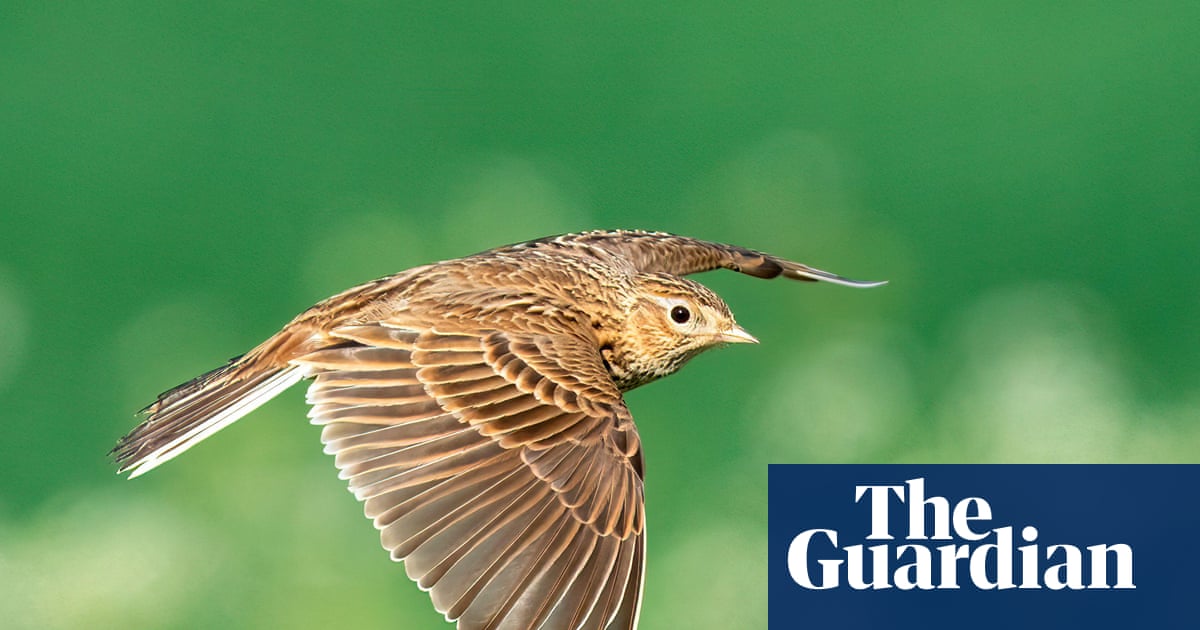
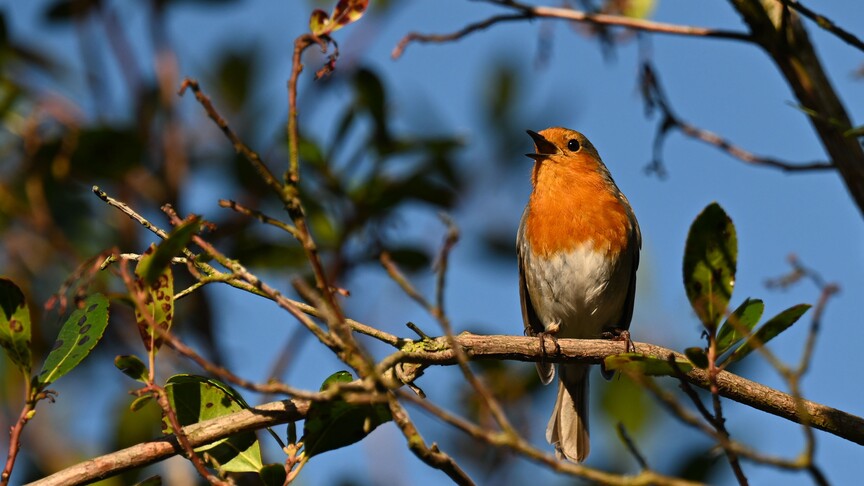
1 / 2
The story, neutrally told
Mixed · 2Wild bird populations in the UK have fallen to their lowest level since records began, with nearly half of species in decline, according to figures released on Tuesday 13 October by leading conservation bodies. The GuardianLC “Wild bird populations in the UK have fallen to their lowest level since records began, figures show, with nearly half of species in decline.” Read at The Guardian ↗ Anadolu AgencyN “with nearly half of monitored species in decline” Read at Anadolu Agency ↗ Mixed · 2The figures, produced for the government, show average populations across 132 native breeding species fell by 19% between 1970 and 2025, with farmland birds and seabirds the worst hit in recent years. The GuardianLC “average populations across 132 native breeding species fell by 19% between 1970 and 2025” Read at The Guardian ↗ Anadolu AgencyN “Average populations of 132 native breeding species fell 19% between 1970 and 2025” Read at Anadolu Agency ↗ Mixed · 2Of the 132 species tracked, 45% have declined over the past five years while 27% have increased; in England, 55% of monitored species have declined. The GuardianLC “45% have declined over the past five years, while just 27% have increased. In England, 55% of monitored species have declined.” Read at The Guardian ↗ Anadolu AgencyN “In England, 55% of monitored species declined.” Read at Anadolu Agency ↗
Mixed · 2Prof Richard Gregory, head of monitoring at the RSPB, called the overall findings “shocking and sobering”, saying birds are indicators of how the countryside and the world around us are being looked after. The GuardianLC “Prof Richard Gregory, the head of monitoring at the RSPB, called the overall findings “shocking and sobering.”” Read at The Guardian ↗ Anadolu AgencyN “described the findings as “shocking and sobering.”” Read at Anadolu Agency ↗ Mixed · 2Turtle dove populations have fallen by more than half in five years; tree sparrows, wood warblers and capercaillie had the next biggest average annual decreases between 2019 and 2024. Swifts are down about 25% in five years, and bullfinches fell at a similar rate nationally, by an average of 11% a year in England. The GuardianLC “Swifts, whose arrival for many marks the beginning of summer, have declined by about 25% in five years” Read at The Guardian ↗ Anadolu AgencyN “Turtle dove populations have fallen by more than half in five years” Read at Anadolu Agency ↗ Mixed · 2Seabirds are the worst-hit group, down by more than a fifth over the past five years. Dr Ailidh Barnes of the British Trust for Ornithology said avian flu had “decimated” species such as Arctic skuas and terns, spreading quickly because seabirds nest shoulder to shoulder. The GuardianLC “Seabirds are the worst hit group, down by more than a fifth over the past five years.” Read at The Guardian ↗ Anadolu AgencyN “said avian flu had “decimated” species including Arctic skuas and terns.” Read at Anadolu Agency ↗
Mixed · 2Farmland bird populations have fallen 63% since 1970 and 12% since 2020. The Department for Environment, Food and Rural Affairs (Defra) attributes the long-term decline to changes in farming since the 1950s, including loss of mixed farming, increased pesticide and fertiliser use and removal of hedgerows. The GuardianLC “Farmland bird populations have decreased by 63% since 1970 and 12% since 2020.” Read at The Guardian ↗ Anadolu AgencyN “including the loss of mixed farming, increased use of pesticides and fertilizers, and the removal of hedgerows” Read at Anadolu Agency ↗ Left · 1Some species are recovering: red kite numbers are up 48% since 2019, firecrests are up 300%, and cranes have risen to 87 pairs nationally. Gregory said this shows concerted conservation works, but called for conservation intervention to be massively scaled up with more funding and at a larger spatial scale, and for nature-friendly farming to be supported. The GuardianLC “Red kite populations have risen by 48% since 2019, and firecrests are up 300% over the same period.”“we need to massively scale up our conservation intervention” Read at The Guardian ↗
Every sentence links to the reporting it rests on. The pill in front of each says where its sources sit: Left, Centre or Right when one side supplies at least half of them, Mixed when they are evenly split. The number is how many outlets it cites.
Left1 outlet
- Framing
- Leads with the 'shocking and sobering' quote and the scale of decline, then adds recovery stories and the RSPB's call for more funding and nature-friendly farming.
- Emphasis
- Gregory's warnings about lost birdsong, species-level detail, successes (red kites, firecrests, cranes) and the need for greater conservation funding.
- Leaves out or plays down
- No government response beyond Defra's attribution of causes.
- Charged language
- “Shocking and sobering”“decimated”
- For example
-
“the songs of farm birds such as skylarks and yellowhammers would become only “memories” of what the countryside used to be like” — The Guardian
“We need more funding to support these conservation measures” — The Guardian
Centre1 outlet
- Framing
- A short, concise rewrite of the findings, sourced to The Guardian, focused on the record-low headline figures.
- Emphasis
- Headline statistics, the avian flu impact on seabirds and Defra's explanation of the farmland decline.
- Leaves out or plays down
- Leaves out the species that are increasing (red kites, firecrests, cranes) and Gregory's calls for more funding and scaled-up conservation.
- Charged language
- “shocking and sobering”“decimated”
- For example
-
“Average populations of 132 native breeding species fell 19% between 1970 and 2025, with farmland birds and seabirds among the worst-affected groups, according to The Guardian.” — Anadolu Agency
Right0 outlets
No right outlet in our sources has covered this story yet.
What every side reports
- Average populations of 132 native breeding species fell 19% between 1970 and 2025.
- 45% of species declined and 27% increased over the past five years; 55% declined in England.
- Farmland birds are down 63% since 1970 and 12% since 2020.
- Avian flu has hit seabirds such as Arctic skuas and terns, according to the BTO's Dr Ailidh Barnes.
- Defra attributes the long-term decline to changes in farming practices.
UK wild bird populations topic
Conservation bodies (RSPB, BTO) present the record low as a stark warning that the main drivers are known and recovery is possible with scaled-up, better-funded conservation; Defra attributes the long-term farmland decline to changes in farming since the 1950s.
“We know the main drivers of change and we can bring about recovery” — The Guardian
“The UK Department for Environment, Food and Rural Affairs (Defra) attributes the long-term decline to changes in farming practices” — Anadolu Agency
Left1 article
-
‘Shocking and sobering’: UK bird populations fall to lowest level on record
Alarmist Original reporting that foregrounds the severity of the decline and conservation groups' calls for action, balanced with some recovery stories.
Centre1 article
-
UK wild bird populations fall to record low, warn conservation groups
Neutral Condensed, factual rewrite of the Guardian's report attributing the figures to conservation bodies.
Right0 articles
No coverage yet.
- 13 Oct 16:08 First The GuardianLC ‘Shocking and sobering’: UK bird populations fall to lowest level on record
- 13 Oct 22:48 +6h 40m Anadolu AgencyN UK wild bird populations fall to record low, warn conservation groups
Times are when each article was published, or when we first saw it if the outlet gave no time.
Ask about this story
Loading…