Ultrahuman and Abu Dhabi health centre to develop UAE biological-age model
Ultrahuman signed a two-year agreement with the Abu Dhabi Public Health Centre to develop and validate a biological-age model combining clinical biomarkers and wearable data. No public release date has been given.

1 / 2
The story, neutrally told
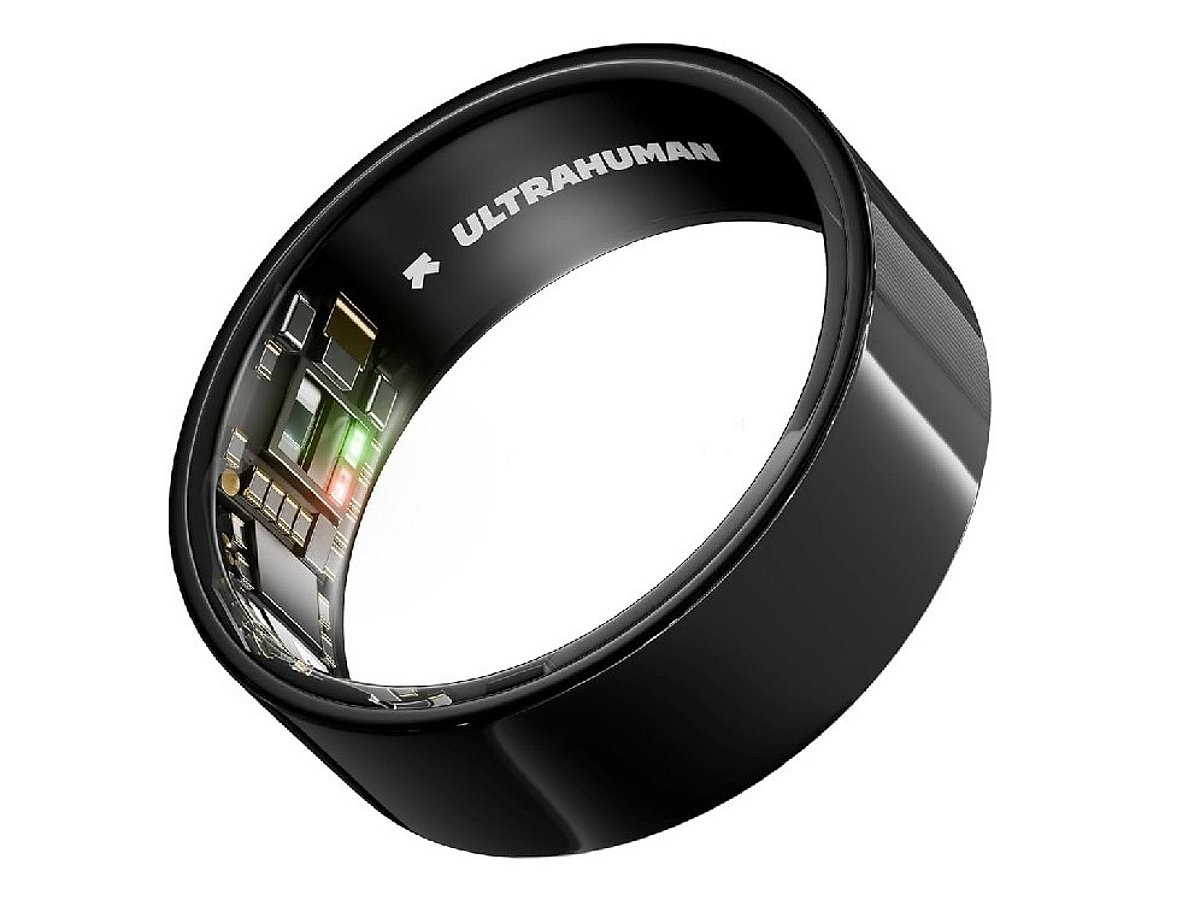
Centre · 2Ultrahuman, a Bengaluru-based health tech startup best known for its smart rings, has signed a two-year memorandum of understanding with the Abu Dhabi Public Health Centre (ADPHC) to develop and validate a biological-age model. TechCrunchN “signed a two-year memorandum of understanding with the Abu Dhabi Public Health Center (ADPHC) to develop and validate the model” Read at TechCrunch ↗ Gulf NewsN “has partnered with health technology company Ultrahuman Healthcare to develop and validate a Biological Health Age model” Read at Gulf News ↗ Centre · 2The model will combine clinical biomarkers with data from wearable devices to estimate whether a person's body is ageing faster or slower than expected, looking at factors such as sleep, cardiovascular health, metabolism and recovery or activity. TechCrunchN “identify factors — including sleep, activity, cardiovascular health, and metabolism — that may be accelerating or slowing that process” Read at TechCrunch ↗ Gulf NewsN “The initiative will examine factors including cardiovascular health, sleep, metabolism and recovery” Read at Gulf News ↗ Centre · 2The two parties will spend the next two years on joint research and clinical validation. TechCrunchN “Ultrahuman and ADPHC will spend the next two years working on research and clinical validation of the model.” Read at TechCrunch ↗ Gulf NewsN “The partnership will run for two years and include joint scientific research and clinical validation.” Read at Gulf News ↗
Centre · 1Ultrahuman says the model is intended eventually to be available to people across the UAE, with individuals able to see their health age through government digital-health platforms including TAMM and Sahatna; CEO Mohit Kumar said the rollout will happen in phases but gave no timeline. TechCrunchN “Individuals will eventually be able to access their health age through government digital-health platforms including TAMM and Sahatna”“the broader rollout will happen in phases, but did not provide a timeline” Read at TechCrunch ↗ Centre · 1Gulf News notes the model is still being developed and validated and that ADPHC has not announced when or how it might become available to the public. Gulf NewsN “ADPHC has not announced when or how it might become available to the public” Read at Gulf News ↗ Centre · 2Kumar told TechCrunch the model was built on Ultrahuman's existing user data, will not be trained on UAE data, and that Ultrahuman will not have access to personally identifiable information; ADPHC said health data will stay within Abu Dhabi under confidentiality, governance and privacy measures. TechCrunchN “Kumar stressed the model will not be trained on data from the UAE.” Read at TechCrunch ↗ Gulf NewsN “the project will keep health data within Abu Dhabi under confidentiality, governance, and privacy measures” Read at Gulf News ↗
Centre · 1ADPHC Director General Dr Rashed Obaid Alsuwaidi said the collaboration would support a shift towards prediction, prevention and earlier intervention in public health. Gulf NewsN “the collaboration would support a shift towards prediction, prevention and earlier intervention in public health” Read at Gulf News ↗ Centre · 1TechCrunch reports Ultrahuman has sold around 800,000 rings globally, that the UAE is among its 10 largest markets at about 4% to 5% of revenue, and that its typical users are aged 25 to 43, far narrower than a national population; Kumar said the model is designed to work with rings, wrist devices, straps and patches. TechCrunchN “The startup has sold around 800,000 smart rings globally so far.”“accounts for about 4% to 5% of its overall revenue”“the biological-age model is being designed to be wearable-agnostic” Read at TechCrunch ↗ Centre · 1TechCrunch adds that rival Oura announced a separate partnership with the Department of Health – Abu Dhabi in May, focused on women's health and cardiometabolic risk; Kumar said he knew of no other company working with Abu Dhabi on the health age model and declined to comment on Oura's work. TechCrunchN “In May, the Department of Health – Abu Dhabi announced a partnership with Ultrahuman arch-rival Oura”“declined to comment on the scope of Oura’s work with Abu Dhabi” Read at TechCrunch ↗
Every sentence links to the reporting it rests on. The pill in front of each says where its sources sit: Left, Centre or Right when one side supplies at least half of them, Mixed when they are evenly split. The number is how many outlets it cites.
Left0 outlets
No left outlet in our sources has covered this story yet.
Centre2 outlets
- Framing
- Both outlets treat it as a public-health and technology partnership; TechCrunch focuses on Ultrahuman's business strategy, Gulf News on the public-health aim and ADPHC's statements.
- Emphasis
- TechCrunch: shift from hardware to health-data company, UAE market share, Oura rivalry. Gulf News: prevention, early intervention, data privacy.
- Leaves out or plays down
- Gulf News omits Ultrahuman's commercial details, the TAMM/Sahatna access plan and Oura; TechCrunch omits ADPHC's own quoted statement and its data-residency pledge.
- Charged language
- “arch-rival”
- For example
-
“The startup increasingly sees itself as a health-data company” — TechCrunch
“the collaboration would support a shift towards prediction, prevention and earlier intervention in public health” — Gulf News
Right0 outlets
No right outlet in our sources has covered this story yet.
What every side reports
- Ultrahuman and the Abu Dhabi Public Health Centre are partnering for two years to develop and validate a biological-age model.
- The model combines clinical biomarkers with wearable-device data.
- No public availability date has been given.
Ultrahuman organisation
Presents itself as a health-data company; says the model is wearable-agnostic, first step to a national-scale algorithm, and will not access personally identifiable information.
“The Abu Dhabi partnership is Ultrahuman’s first step toward deploying a health algorithm at a national scale” — TechCrunch
North America1 outlet
TechCrunch frames it as Ultrahuman's business expansion and competition with Oura.
“Ultrahuman and Oura compete in the smart-ring market” — TechCrunch
TechCrunch
Middle East1 outlet
Gulf News frames it as an Abu Dhabi public-health initiative, stressing that rollout timing is unannounced.
“The model is still being developed and validated” — Gulf News
Gulf News
Left0 articles
No coverage yet.
Centre2 articles
-
Smart ring maker Ultrahuman to roll out biological-age model across UAE
Neutral Business-focused report on Ultrahuman's push beyond hardware, based on an interview with CEO Mohit Kumar and including competitor context.
-
Abu Dhabi, Ultrahuman develop model to estimate biological age
Neutral Short public-health explainer relaying ADPHC's goals and privacy assurances, noting no public availability date.
Right0 articles
No coverage yet.
- 12 Oct 15:09 First TechCrunchN Smart ring maker Ultrahuman to roll out biological-age model across UAE
- 13 Oct 06:04 +14h 55m Gulf NewsN Abu Dhabi, Ultrahuman develop model to estimate biological age
Times are when each article was published, or when we first saw it if the outlet gave no time.
Ask about this story
Loading…