UN development chief warns poorer countries face energy, El Niño and borrowing-cost shocks
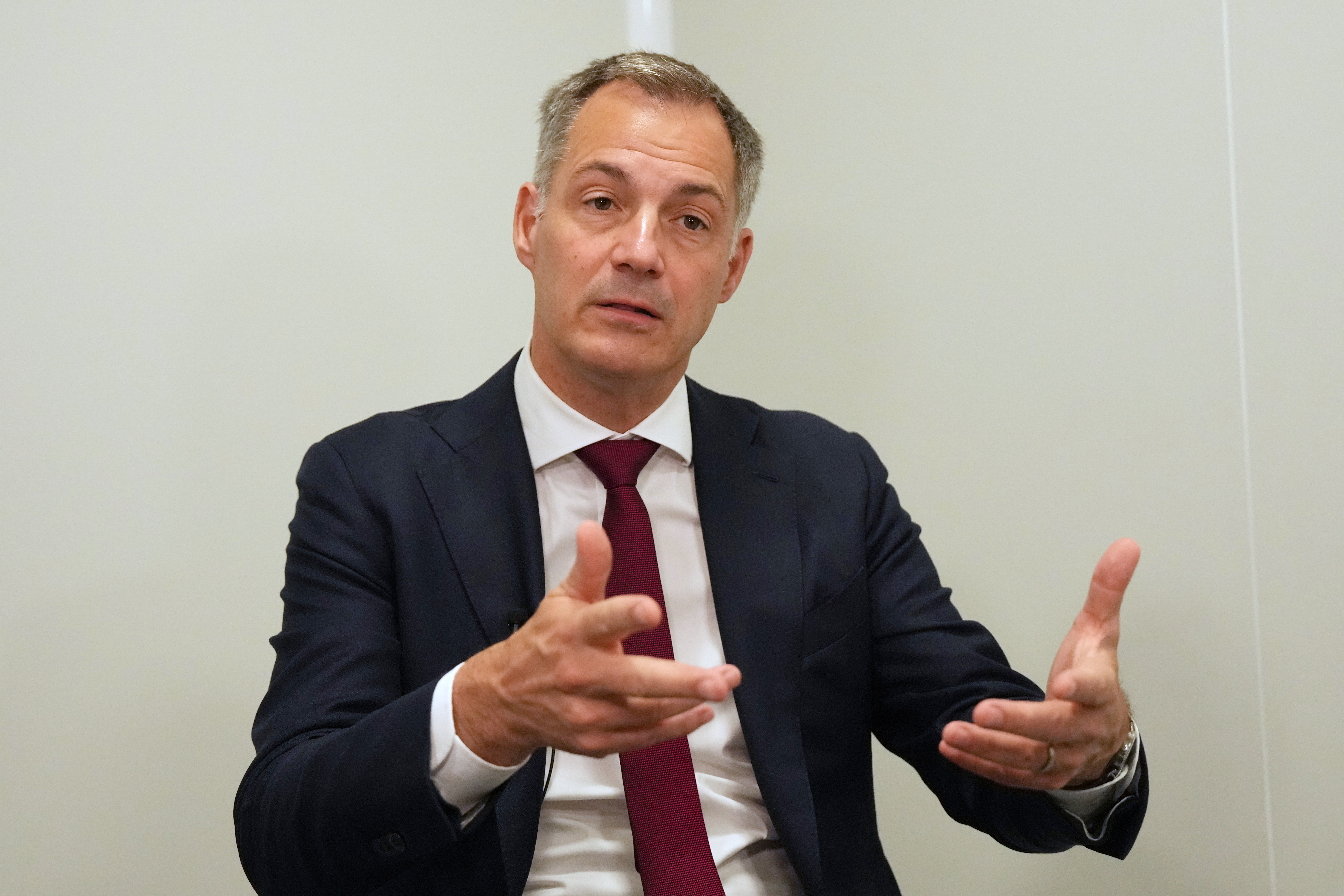
Ahead of the IMF and World Bank meetings in Bangkok, UNDP administrator Alexander De Croo warned that high fuel prices, a strong El Niño and rising borrowing costs could push millions into poverty, and called for affordable finance and more time for developing countries.
1 / 2
The story, neutrally told
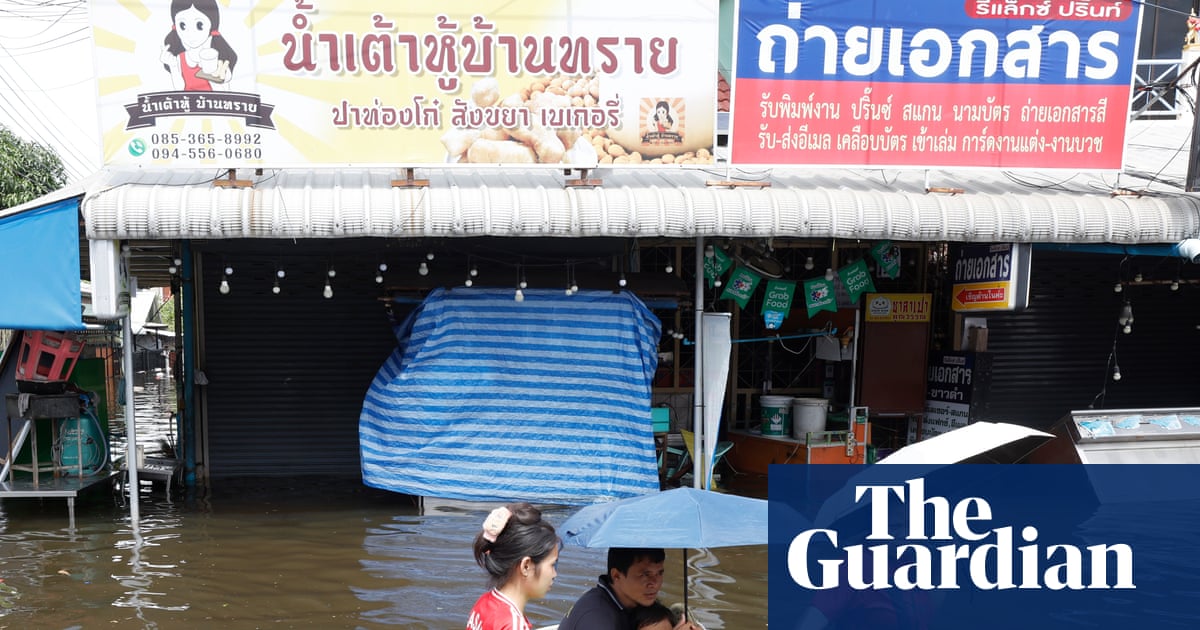
Mixed · 2The head of the UN Development Programme (UNDP), Alexander De Croo, warned around the IMF and World Bank annual meetings in Bangkok that developing countries face a combined shock from high energy prices, El Niño and rising borrowing costs. The GuardianLC “Developing countries face a triple shock from the energy crisis, El Niño and surging borrowing costs and need urgent support from the international community” Read at The Guardian ↗ Arab NewsRC “Speaking on the sidelines of the IMF-World Bank Annual Meetings in Bangkok” Read at Arab News ↗ Left · 1The UNDP published a report, No Time to Recover, describing the "compounding crises" of energy, climate and debt. De Croo said: "We are witnessing a perfect storm that could throw tens if not hundreds of millions of people back into poverty." The GuardianLC “a report, No Time to Recover, which lays out the risks of what it calls the “compounding crises” of energy, climate and debt”“We are witnessing a perfect storm that could throw tens if not hundreds of millions of people back into poverty.” Read at The Guardian ↗ Mixed · 2Fuel prices have risen since the United States launched its war on Iran in late February, with Tehran's retaliation against Washington's Gulf allies curtailing major oil and gas supplies; the Guardian reports oil back above $100 a barrel since hostilities resumed. Arab NewsRC “Global fuel prices have soared since the United States launched its war on Iran in late February” Read at Arab News ↗ The GuardianLC “Oil prices have been driven back above $100 a barrel in recent weeks since hostilities resumed in the Middle East.” Read at The Guardian ↗
Mixed · 2The Guardian reports the UNDP says up to 130 million of the world's poorest people have been shielded from the full impact of high prices by emergency government measures, but many are now at risk as governments run out of resources. De Croo said countries are "letting the price hikes flow through" because their "fiscal space is completely eaten up". AFP's account of the same report says about 130 million people were at risk of being pushed into poverty this year if energy and food price increases were fully passed on without subsidies, with South and East Asia and sub-Saharan Africa at particular risk. The GuardianLC “up to 130 million of the world’s poorest people have been shielded from the full impact of high prices by emergency government measures”“their fiscal space is completely eaten up” Read at The Guardian ↗ Arab NewsRC “about 130 million people were at risk of being pushed into poverty this year if energy and food price increases were fully passed on without subsidies” Read at Arab News ↗ Mixed · 2On borrowing, De Croo said bond financing now costs developing countries 9%, which he called "really, really high". According to the UNDP, as reported by AFP, the median developing country spends about 9.5% of government revenue on interest payments, the highest in 25 years and more than three times the share in high-income countries. AFP attributes rising global yields to elevated inflation expectations, surging debt ratios and AI capital-raising. The GuardianLC “The cost today for bond financing for developing countries, it’s 9%. That is really, really high.” Read at The Guardian ↗ Arab NewsRC “the median developing country now spends about 9.5 percent of government revenue on interest payments”“owing to elevated inflation expectations, surging debt ratios and AI capital-raising activities” Read at Arab News ↗ Mixed · 2The Guardian describes the coming El Niño as the worst in perhaps 1,000 years, expected to cause widespread crop failures and extreme weather; AFP says the UNDP forecasts the strongest on record, with effects such as floods and droughts estimated to peak in early 2027. De Croo said the outlook would worsen until spring and that for fuel prices, El Niño and bond markets "we don’t see any light at the end of the tunnel". The GuardianLC “the worst El Niño climate pattern in perhaps 1,000 years is expected to cause widespread crop failures”“we don’t see any light at the end of the tunnel” Read at The Guardian ↗ Arab NewsRC “estimated to peak in early 2027” Read at Arab News ↗
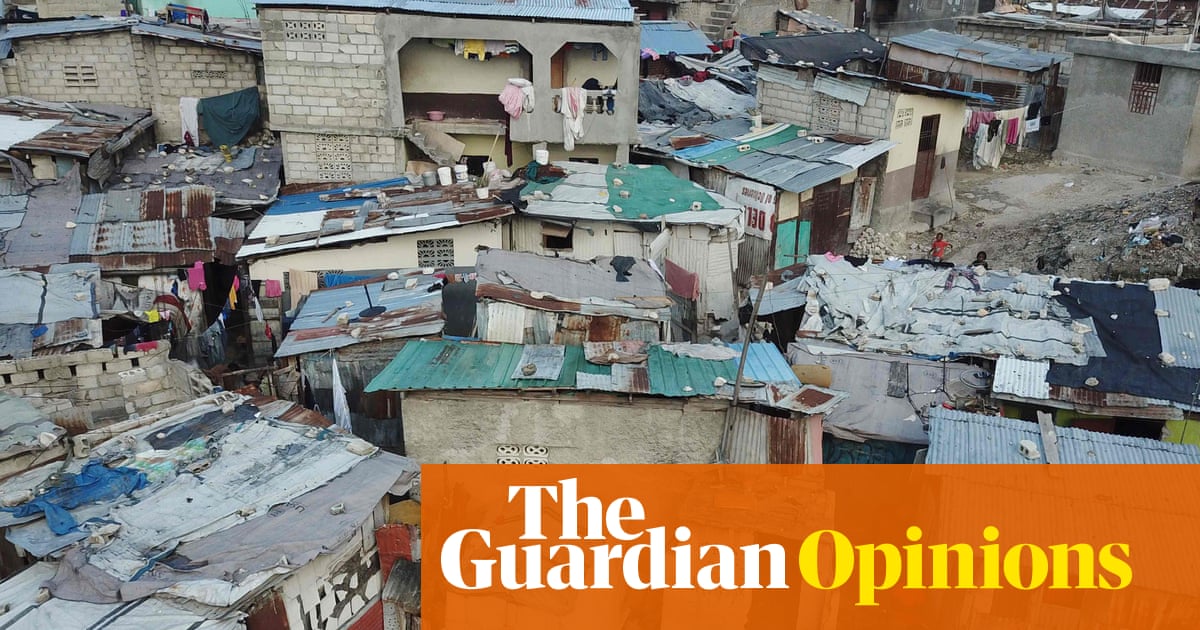
Mixed · 2De Croo urged multilateral lenders, donors and partners to expand access to affordable finance so countries can keep supporting vulnerable households, and said developing countries need "space, and some time, and access to financing". The UNDP does not oppose debt relief for the hardest-hit countries, De Croo said, but argued it would take many months to negotiate. De Croo also pointed to liquidity measures such as US Federal Reserve swap lines, and said private capital should help counter climate costs. The GuardianLC “We urge the international community – multilateral lenders, donors, and partners – to step up access to affordable finance”“it would take many months to negotiate” Read at The Guardian ↗ Arab NewsRC “what countries need is some space, and some time, and access to financing” Read at Arab News ↗ Mixed · 2Other voices add context. The campaign group Debt Justice published research showing low-income countries in or at risk of debt distress have cut education budgets by an average of 8% since 2019, and it calls for debt cancellation. IMF chief Kristalina Georgieva warned that "winter is coming", and the IMF said global growth has held up largely because of AI investment, while poorer countries outside that boom struggle. De Croo also said recent cuts in international aid were hurting these countries. Arab NewsRC “winter is coming”“recent stark cuts in international aid were having an impact on those countries” Read at Arab News ↗ The GuardianLC “have cut their education budgets by an average of 8% since 2019” Read at The Guardian ↗ Left · 1In a Guardian opinion column from Bangkok, Heather Stewart argues that bond-market turmoil linked to the Middle East war and US fiscal policy is hitting indebted developing countries hardest, and that the UK, which takes the G20 presidency next year, intends to put unsustainable debt on the agenda. A thinktank plan shared with the UK government would give 27 heavily indebted countries a 10-year debt-service "holiday" at about $13bn a year, falling mainly on private creditors. The GuardianLC “The UK also intends to put unsustainable debt on the agenda.”“27 of the most heavily burdened countries being given a 10-year “holiday””“the $13bn-a-year cost would fall primarily on private creditors” Read at The Guardian ↗
Every sentence links to the reporting it rests on. The pill in front of each says where its sources sit: Left, Centre or Right when one side supplies at least half of them, Mixed when they are evenly split. The number is how many outlets it cites.
Left1 outlet
- Framing
- Leads with the UN warning and urgent calls for action, then ties it to debt relief campaigns and UK policy, with an opinion column criticising US war and fiscal policy.
- Emphasis
- Debt relief, Debt Justice research, the UK's 2027 G20 presidency and a proposed debt-service holiday.
- Leaves out or plays down
- Does not give the UNDP's 9.5% interest-to-revenue figure, regional risk detail or the IMF's AI-growth point.
- Charged language
- “perfect storm”“spendthrift White House”“Trump’s regime”
- For example
-
“We are witnessing a perfect storm that could throw tens if not hundreds of millions of people back into poverty.” — The Guardian
“Markets have responded to the war in the Middle East, and a spendthrift White House, by dumping government bonds” — The Guardian
Centre0 outlets
No centre outlet in our sources has covered this story yet.
Right1 outlet
- Framing
- AFP copy carried by Arab News centres on the Iran war's fuel shock and De Croo's "roof" and "house" metaphors about countries lacking buffers.
- Emphasis
- Interest burden data, regional risk, IMF warnings, aid cuts and private capital for climate costs.
- Leaves out or plays down
- Does not cover debt cancellation campaigns, the Debt Justice research or UK G20 plans.
- Charged language
- “winter is coming”“stumbling from one crisis into the other”
What every side reports
- De Croo, head of the UNDP, spoke around the IMF-World Bank meetings in Bangkok and warned of mounting poverty risks.
- Energy prices have risen sharply because of the Iran war.
- A strong El Niño and higher borrowing costs compound the pressure on developing countries.
- The UNDP report puts the number of people affected at about 130 million, though the outlets describe it differently.
- De Croo called for access to affordable finance and breathing space for developing countries.
Where accounts differ
-
What the 130 million figure means
- Left
- The Guardian: up to 130 million of the poorest people have been shielded by emergency measures, but are now at risk.
- Right
- AFP via Arab News: about 130 million people are at risk of being pushed into poverty this year if price rises are fully passed on without subsidies.
-
Who is responsible for market turmoil
- Left
- The Guardian's column blames the Middle East war and a "spendthrift White House" for the bond sell-off.
- Right
- AFP attributes rising yields to inflation expectations, debt ratios and AI capital-raising, and frames the fuel spike as a result of the US war and Iran's retaliation.
United Nations Development Programme organisation
The UNDP, through administrator De Croo, says energy, El Niño and debt costs are compounding, that countries have run out of fiscal room, and that affordable finance and time are needed urgently; it does not oppose debt relief but sees it as slow.
“We urge the international community – multilateral lenders, donors, and partners – to step up access to affordable finance” — The Guardian
“what countries need is some space, and some time, and access to financing” — Arab News
International Monetary Fund organisation
The IMF, via managing director Georgieva, has called for spending restraint in developed countries to tame bond yields and warned "winter is coming"; it says growth has held up but depends on AI investment.
“He praised the IMF managing director Kristalina Georgieva’s recent call for spending restraint in developed countries” — The Guardian
“that resilience was highly dependent on the boom in AI technology investments” — Arab News
Andy Burnham person
In the Guardian column, Burnham is cast as aiming to champion debt relief in the way Brown and Blair did in 2005, with UK ministers open to proposals.
“Just as Brown and Blair did in 2005, Andy Burnham aims to champion debt relief to help developing countries” — The Guardian
UK and Ireland1 outlet
The Guardian ties the UN warning to debt relief and the UK's coming G20 role, and criticises US policy.
“Next year, the presidency falls to the UK, and Labour has made clear it will have different priorities.” — The Guardian
The Guardian
Middle East1 outlet
Arab News runs AFP copy that names the US war on Iran and Tehran's retaliation against Gulf allies as the cause of the fuel spike, without political commentary.
“with Tehran’s retaliations against Washington’s Gulf allies curtailing major oil and natural gas supplies” — Arab News
Arab News
Left2 articles
-
Developing nations face triple shock from energy crisis, El Niño and borrowing costs, UN warns
Alarmist News report relaying the UNDP's warning of a perfect storm and calls for urgent action, with Debt Justice's call for debt cancellation.
-
The GuardianLC · · Opinion
Critical Opinion column linking bond turmoil to US war policy and urging the UK to lead on debt relief through its G20 presidency.
Centre0 articles
No coverage yet.
Right1 article
-
Arab NewsRC · · via AFP
‘No time to recover’: UNDP chief sounds alarm on growing poverty after Iran war shock
Neutral AFP interview copy stressing the fuel shock from the Iran war, the interest burden and De Croo's calls for space, time and financing.
- 11 Oct 05:00 First The GuardianLC Developing nations face triple shock from energy crisis, El Niño and borrowing costs, UN warns
- 11 Oct 11:11 +6h 11m The GuardianLC Labour has got the message – developing nations suffer most from bond market turmoil | Heather Stewart Opinion
- 15 Oct 04:34 +95h 34m Arab NewsRC ‘No time to recover’: UNDP chief sounds alarm on growing poverty after Iran war shock via AFP
Times are when each article was published, or when we first saw it if the outlet gave no time.
Ask about this story
Loading…