US clocks fall back Sunday 1 November, two days before the midterm elections
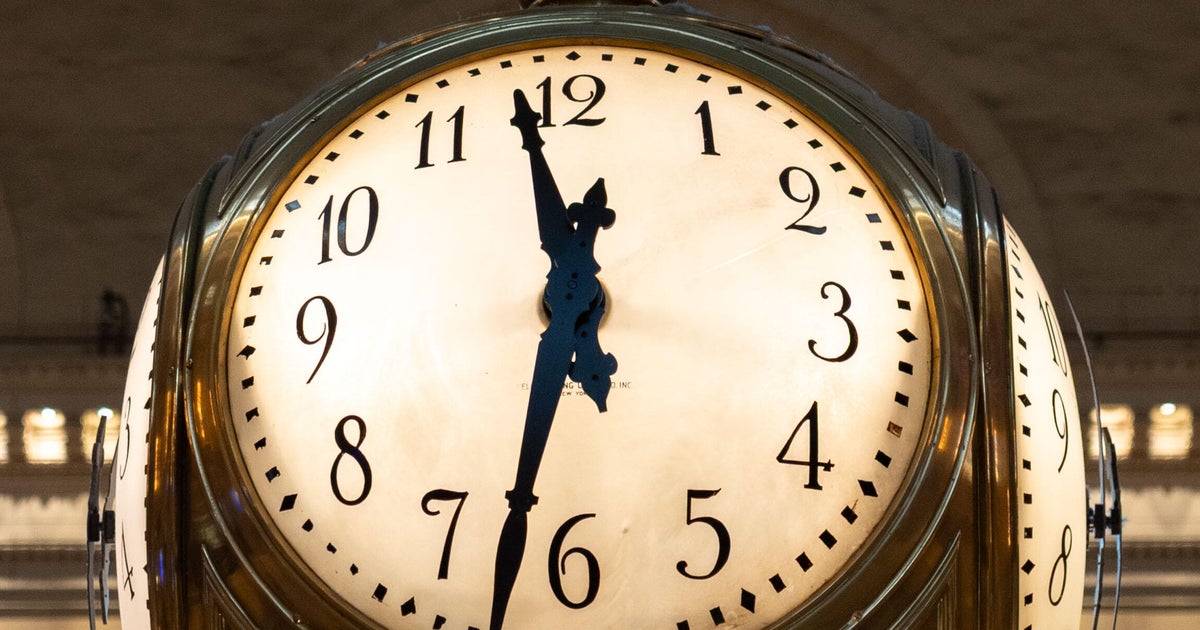
Daylight saving time ends in most of the US at 2 a.m. on Sunday 1 November 2026. Coverage looks at what to expect from the change, a stalled bill for permanent daylight saving time, and a researcher's warning about the effect on midterm turnout.

1 / 2
The story, neutrally told
Mixed · 2Daylight saving time ends in the US at 2 a.m. local time on Sunday, 1 November 2026, when most of the country sets clocks back an hour and gains an hour of sleep. CBS NewsLC “Daylight saving time officially ends at 2 a.m. local time on Sunday, Nov. 1.” Read at CBS News ↗ NewsweekN “Daylight Saving Time ends on Sunday, November 1, at 2 a.m. Eastern time, when clocks will fall back to 1 a.m.” Read at Newsweek ↗ Mixed · 2Hawaii and most of Arizona do not observe daylight saving time. The Navajo Nation in Arizona does observe it, and CBS News adds that US territories including Guam and Puerto Rico also do not. NewsweekN “The only two states where clocks won't change are Hawaii and most of Arizona, which do not observe Daylight Saving Time.” Read at Newsweek ↗ CBS NewsLC “The U.S. territories of American Samoa, Guam, the Northern Mariana Islands, Puerto Rico and the U.S. Virgin Islands also don't observe daylight saving time.” Read at CBS News ↗ Left · 1CBS News gives Boston as an example: on Saturday the sun will rise at 7:16 a.m. and set at 5:39 p.m., and on Sunday sunrise will be at 6:17 a.m. and sunset at 4:37 p.m., according to the National Weather Service. CBS NewsLC “On Sunday, back on standard time, sunrise will be at 6:17 a.m. and sunset will be at 4:37 p.m.” Read at CBS News ↗
Centre · 1The change falls two days before the midterm elections, which could decide control of the Senate and House. John Holbein, a University of Virginia professor of public policy, politics and education, told Newsweek that its research finds turning clocks back before Election Day reduces voting. NewsweekN ““Our research finds that turning the clocks back before Election Day reduces the number of people who vote,””“The scheduled time change happens only two days before the midterm elections, the results of which could flip control of the Senate and House.” Read at Newsweek ↗ Centre · 1Holbein said the evidence points to earlier darkness rather than lost sleep as the explanation, because sunset comes an hour earlier while work schedules and poll closing times stay the same. Infrequent voters and rural voters with long commutes are most vulnerable, and states with sunset before 5 p.m., such as New Hampshire and Maine, could see the biggest impact. Holbein added that the study does not show which races will be most affected. NewsweekN ““The evidence points toward earlier darkness being an important part of the explanation, rather than an extra hour of sleep bringing more people to the polls.””“it doesn’t tell us which particular races will be most affected this November.”” Read at Newsweek ↗ Centre · 1Holbein suggested moving the fall clock change to after Election Day. Dr. Fariha Abbasi-Feinberg, a spokesperson for the American Academy of Sleep Medicine, said the effects of a time change on sleep can last up to seven days, so voters may still feel them on Tuesday. NewsweekN ““One straightforward response would be to move the fall clock change until after Election Day,””“The impacts from the change can last as long as seven days” Read at Newsweek ↗
Mixed · 2The Sunshine Protection Act, which would make daylight saving time permanent nationwide, passed the House in July and is stalled in the Senate. CBS News adds that it would let states opt out of daylight saving time before it takes effect. NewsweekN “The Sunshine Protection Act cleared the House on July 14” Read at Newsweek ↗ CBS NewsLC “The legislation would also let states opt out of daylight saving time altogether before the law takes effect.” Read at CBS News ↗ Left · 1President Donald Trump supports the bill. According to CBS News, Trump accused Republican Sen. Tom Cotton of Arkansas of holding it up and posted what he said was Cotton's cellphone number. Cotton replied that Congress has tried permanent daylight saving time before and reverted "once Americans experienced absurdly late sunrises in the winter." CBS NewsLC “President Trump, who supports the bill, accused a fellow Republican, Arkansas Sen. Tom Cotton, of holding up the legislation.”“once Americans experienced absurdly late sunrises in the winter.” Read at CBS News ↗ Mixed · 2CBS News says pending bills expire in early January when the new Congress takes office, so if the bill dies the process must restart in both chambers. The American Academy of Sleep Medicine recommends permanent standard time over permanent daylight saving time because it better aligns with natural circadian rhythms. CBS NewsLC “The legislation and any other bills awaiting approval in Congress are set to expire in early January” Read at CBS News ↗ NewsweekN “the American Academy of Sleep Medicine recommends permanent standard time because it better aligns with our natural circadian rhythms” Read at Newsweek ↗
Left · 1CBS News gives background: the US first adopted daylight saving time in 1918 to conserve fuel. Congress set a uniform start and end in 1966, and a 2005 law moved the end date from the last Sunday of October to the first Sunday of November from 2007. Daylight saving time will start again on Sunday, 14 March 2027. CBS NewsLC “The U.S. first adopted daylight saving time in 1918 during World War I as an effort to conserve fuel”“Daylight saving time is set to begin in 2027 on Sunday, March 14, at 2 a.m. local time.” Read at CBS News ↗ Mixed · 2Both outlets give adjustment tips: CBS says phones set to update automatically should change overnight and notes that parents of young children may see disrupted sleep, and Abbasi-Feinberg urges consistent bedtimes and wake times, morning sunlight and at least seven hours of sleep. CBS NewsLC “Phones should change overnight to display the correct time if they're set to update automatically.” Read at CBS News ↗ NewsweekN “Getting exposure to morning sunlight and obtaining at least seven hours of sleep can help people adjust, as well.” Read at Newsweek ↗
Every sentence links to the reporting it rests on. The pill in front of each says where its sources sit: Left, Centre or Right when one side supplies at least half of them, Mixed when they are evenly split. The number is how many outlets it cites.
Left1 outlet
- Framing
- CBS News runs a service explainer, "what to know", covering the date, history, states that opt out and the stalled permanent-DST bill.
- Emphasis
- Practical details, history, and the Trump–Cotton dispute over the Sunshine Protection Act, plus the January expiry of pending bills.
- Leaves out or plays down
- Does not discuss election turnout or sleep-medicine advice on permanent standard time.
- Charged language
- “absurdly late sunrises”
Centre1 outlet
- Framing
- Newsweek treats the clock change as a possible nonpolitical factor in midterm turnout, led by expert commentary.
- Emphasis
- Holbein's research on turnout, states with early sunsets, rural Senate races, sleep-medicine advice and the case for permanent standard time.
- Leaves out or plays down
- Does not mention the Trump–Cotton exchange or the historical background. The story was produced with an AI assistant, per its own note.
- Charged language
- “nonpolitical factor”
Right0 outlets
No right outlet in our sources has covered this story yet.
What every side reports
- Daylight saving time ends at 2 a.m. on Sunday, 1 November 2026.
- Hawaii and most of Arizona do not observe daylight saving time; the Navajo Nation does.
- The Sunshine Protection Act passed the House in July and is stalled in the Senate.
- President Trump supports making daylight saving time permanent.
Left1 article
-
Daylight saving time is almost over. Here's what to know.
Neutral Explainer on the date, history and legislative status of daylight saving time, with a light seasonal touch about Halloween and parents.
Centre1 article
-
Daylight Saving Time Change Could Impact Midterms in These States Most
Neutral Expert-led piece linking the end of daylight saving time to possible effects on midterm turnout, with sleep-health advice.
Right0 articles
No coverage yet.
- 30 Oct 09:00 First NewsweekN Daylight Saving Time Change Could Impact Midterms in These States Most
- 30 Oct 09:00 First CBS NewsLC Daylight saving time is almost over. Here's what to know.
Times are when each article was published, or when we first saw it if the outlet gave no time.
Ask about this story
Loading…