US school closures rise as enrollment falls faster than schools close
An AP report with The Hechinger Report and Big Local News says 1,156 US schools closed last academic year, the most since the pandemic. Enrollment is falling faster than closures, so more cuts may follow. The report centres on Vallejo, California.
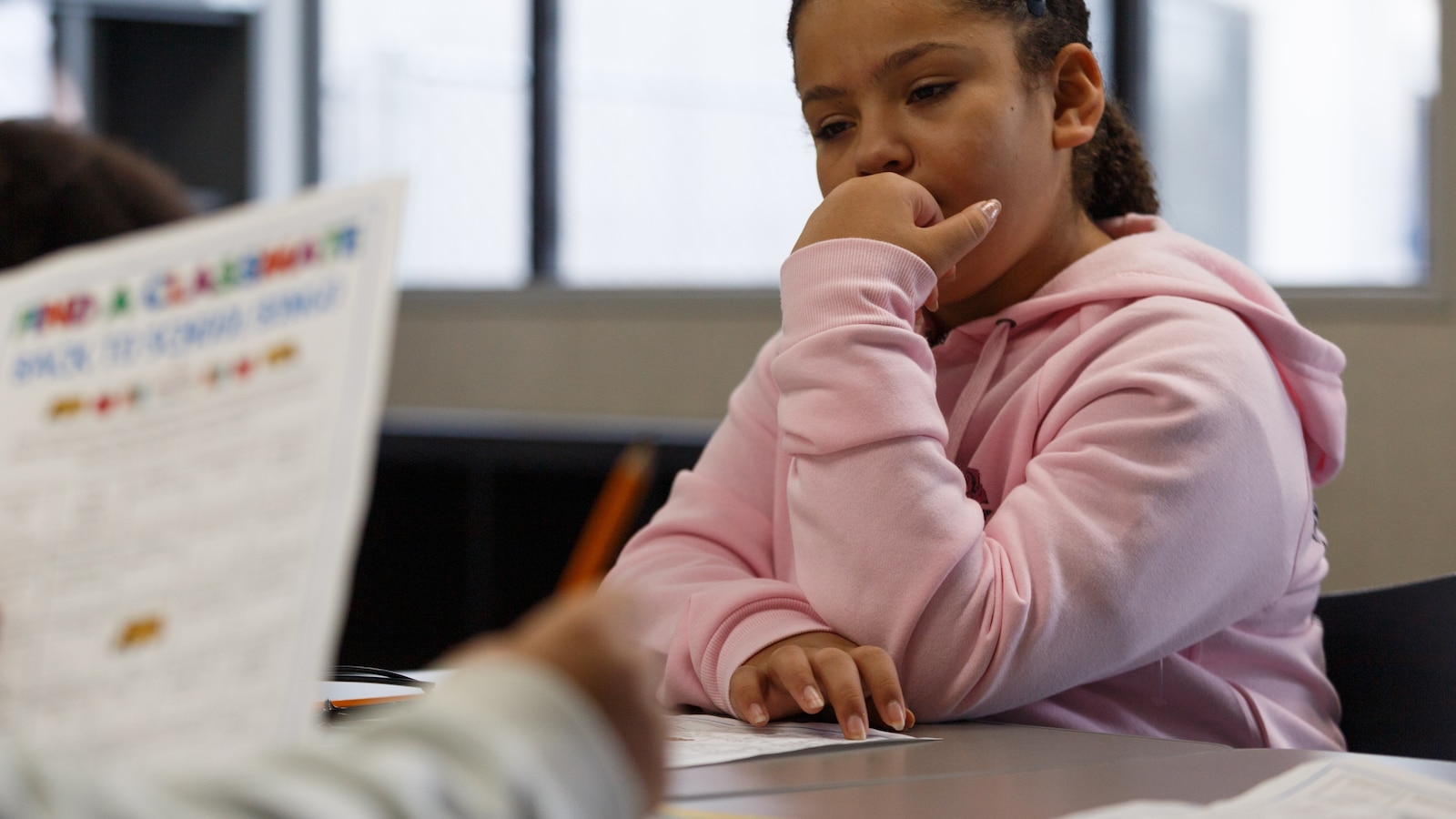
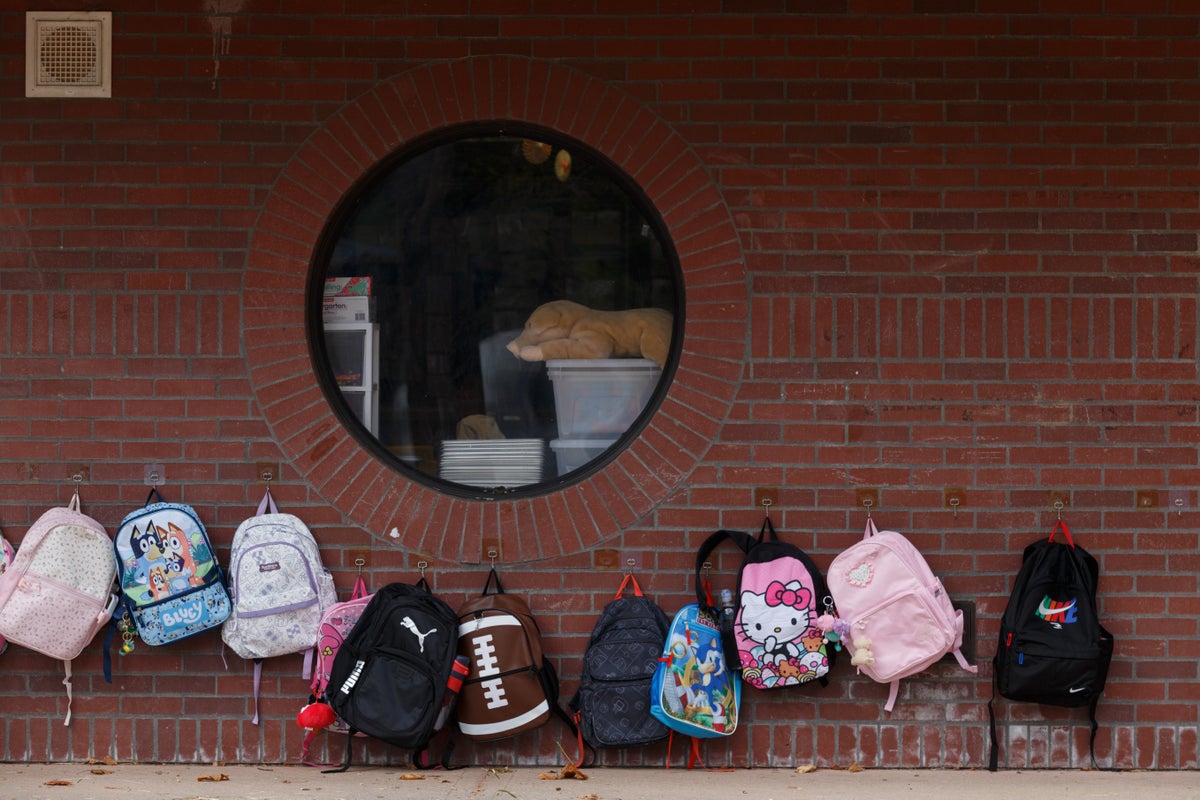
1 / 2
The story, neutrally told
Left · 2A total of 1,156 US schools closed during the last academic year, the highest number since the pandemic, according to an analysis of federal data by Big Local News at Stanford University. ABC NewsLC “A total of 1,156 schools closed during the last academic year — the highest number since the pandemic, according to an analysis of federal data by Big Local News at Stanford University.” Read at ABC News ↗ The IndependentLC “A total of 1,156 U.S. schools closed during the last academic year, the highest number since the pandemic” Read at The Independent ↗ Left · 2Cash-strapped districts are closing campuses to save money as US birth rates continue a multidecade slide and state and federal education funding dries up. ABC NewsLC “an increasing number of cash-strapped school districts around the country have resorted to closing campuses to save money” Read at ABC News ↗ The IndependentLC “An increasing number of cash-strapped school districts around the country have resorted to closing campuses to save money” Read at The Independent ↗ Left · 1Public school enrollment fell by more than 1.4 million students, roughly 3%, between fall 2019 and 2024, according to an Associated Press analysis of federal data collected by Stanford economist Thomas Dee and sociologist Jaymes Pyne. ABC NewsLC “public school enrollment fell by more than 1.4 million students, roughly 3%, between fall 2019 and 2024” Read at ABC News ↗
Left · 2The number of schools has declined only to about pre-pandemic levels, which the researchers say suggests closures are lagging enrollment declines and that more painful financial choices lie ahead. ABC NewsLC “The total number of schools has declined, too — but only to about pre-pandemic levels, the researchers found, suggesting closures are lagging enrollment declines.” Read at ABC News ↗ The IndependentLC “suggesting more painful financial choices lie ahead” Read at The Independent ↗ Left · 1Lower birth rates are the primary reason for the enrollment decline. A federal crackdown on immigration and the post-pandemic growth of private school vouchers and homeschooling have also contributed. ABC NewsLC “Lower birth rates are the primary reason for enrollment decline, but a federal crackdown on immigration and the post-pandemic expansion of private school vouchers and homeschool options have contributed to the decline.” Read at ABC News ↗ Left · 2Bellwether and WestEd estimated that declining enrollment could cost schools $11.5 billion a year in state revenue by 2030-2031, potentially prompting layoffs, program cuts and closures. ABC NewsLC “declining enrollment could cause schools to lose $11.5 billion in state revenue annually by 2030-2031” Read at ABC News ↗ The IndependentLC “potentially prompting widespread layoffs, cuts to academic programs and school closures” Read at The Independent ↗
Left · 2Lydia Rainey of the Center on Reinventing Public Education said the situation is unlikely to improve: "States aren't about to open the coffers and swoop in with additional funds to save schools." ABC NewsLC ““States aren’t about to open the coffers and swoop in with additional funds to save schools.”” Read at ABC News ↗ The IndependentLC “The enrollment and financial situation is unlikely to improve, said Lydia Rainey, research principal at the Center on Reinventing Public Education.” Read at The Independent ↗ Left · 2Research shows closures rarely deliver the savings districts hope for, because busing, severance pay and security for empty buildings often absorb them. Closures can also set students back academically and make it harder to attract teachers. ABC NewsLC “Busing students to their reassigned schools, severance for pink-slipped staff and security for empty facilities often eat up any savings.” Read at ABC News ↗ The IndependentLC “Studies from the University of Chicago show that academically, displaced students often suffer long-term drops in reading and math.” Read at The Independent ↗ Left · 1Closures can also trigger a downward spiral, as families leave for charter schools, private schools or other districts, which further erodes per-student funding. ABC NewsLC “Closing schools can also trigger a downward spiral, as frustrated families flee to charter or private schools or other districts.” Read at ABC News ↗
Left · 2In Vallejo, California, the school district serves half as many students as two decades ago. Enrollment fell from nearly 18,000 in fall 2006 to about 9,300, according to the district. ABC NewsLC “enrollment has tumbled from nearly 18,000 in the fall of 2006 to about 9,300, according to the district” Read at ABC News ↗ The IndependentLC “serves half as many students as it did two decades earlier” Read at The Independent ↗ Left · 2Vallejo has closed five campuses since 2025, a quarter of its schools, and has put up to a third of staff positions on the chopping block to help close a $36 million deficit. ABC NewsLC “District leaders have closed five campuses since 2025 — a quarter of its schools.” Read at ABC News ↗ The IndependentLC “to help plug a staggering $36 million deficit” Read at The Independent ↗ Left · 1The district's troubles trace to COVID-19 relief money that had paid salaries and ran out early last year, plus falling enrollment, inflation and contractual pay rises. Schools were on average only 46% full, the district says. The state had kept Vallejo's finances under oversight until summer 2024, after a $60 million emergency bailout in the early 2000s. ABC NewsLC “The district paid for staff salaries using COVID-19 relief money, one-time funding that evaporated early last year.”“Vallejo schools, on average, were only 46% full, the district says.” Read at ABC News ↗
Left · 2Superintendent Rubén Aurelio said closures are hard for families but necessary: "We're right-sizing a district that was built for significantly more kids," and resources must be concentrated to improve outcomes for the remaining students. ABC NewsLC ““We’re right-sizing a district that was built for significantly more kids. And if we’re going to actually improve outcomes for the kids we still have, we need to concentrate resources.”” Read at ABC News ↗ The IndependentLC “acknowledged cuts and closures can be hard for families but said they are necessary” Read at The Independent ↗ Left · 2Vallejo parent Kimberly Núñez-Brandão said families are "literally packing up their kids and moving away". She moved her older son to a charter school, and her daughter Penny's new teacher at Glen Cove Elementary had 32 students in his first class. In October the teacher resigned effective immediately, and the district said the school would use a long-term substitute for now. ABC NewsLC ““Families are literally packing up their kids and moving away,” said Penny’s mother, Kimberly Núñez-Brandão, who already moved her older son to a competing charter school.” Read at ABC News ↗ The IndependentLC “Penny's teacher resigned, effective immediately. The school will rely on a long-term substitute for now, the district said.” Read at The Independent ↗ Left · 1To hold on to students, Vallejo is renovating older campuses, plans a Tagalog-language school, has denied some transfer-out requests, and offers tours of its remaining schools. WestEd's Jason Willis credited the district for spreading cuts over several years. Some parents were unhappy about the renovation spending. ABC NewsLC “It’s denied some requests from Vallejo families trying to transfer out.”“Jason Willis, a school finance expert with WestEd who has studied campus closures in the Bay Area, credited Vallejo for spreading the cuts and closures over several years” Read at ABC News ↗
Left · 2Vallejo's vacant campuses are vulnerable to burglaries, forcing the district to spend more on security, said Marin Trujillo Cuevas, its executive director for operations. Large systems in Cleveland, Houston and Philadelphia are facing similar closures. ABC NewsLC “for now they are vulnerable to burglaries, forcing the district to spend more on security, said Marin Trujillo Cuevas” Read at ABC News ↗ The IndependentLC “School districts nationwide, including large systems in Cleveland, Houston and Philadelphia, are facing similar closures.” Read at The Independent ↗
Every sentence links to the reporting it rests on. The pill in front of each says where its sources sit: Left, Centre or Right when one side supplies at least half of them, Mixed when they are evenly split. The number is how many outlets it cites.
Left2 outlets
- Framing
- Both outlets run the AP/Hechinger Report/Big Local News reporting. ABC News carries the full AP story, which opens with a Vallejo student's first day at a new school. The Independent runs a shorter 'takeaways' version under a headline about 'desperate families' fleeing and crowded classrooms.
- Emphasis
- The human cost for families and students: overcrowded classes, a teacher's sudden resignation, families leaving. Also the research showing closures rarely save money and the warning that more cuts are coming.
- Leaves out or plays down
- The Independent leaves out much of the Vallejo budget history (COVID relief money, state receivership) and some of the district's retention efforts. Neither outlet quotes critics of declining-enrollment spending from outside education research, and no right-leaning or centrist outlet has covered the story so far.
- Charged language
- “Desperate families flee hometowns”“staggering $36 million deficit”“chopping block”“downward spiral”
- For example
-
“Desperate families flee hometowns as shuttered schools leave students packed in crowded classrooms” — The Independent
“School closures are accelerating in US, but more financial pain lies ahead” — ABC News
“to help plug a staggering $36 million deficit” — The Independent
Centre0 outlets
No centre outlet in our sources has covered this story yet.
Right0 outlets
No right outlet in our sources has covered this story yet.
What every side reports
- 1,156 US schools closed in the last academic year, the most since the pandemic.
- Enrollment has fallen faster than schools have closed, suggesting more financial pain ahead.
- Vallejo City Unified has closed five campuses since 2025 and faces a $36 million deficit.
- Superintendent Rubén Aurelio calls the closures necessary 'right-sizing'.
Vallejo place
Vallejo's district leaders say closures are needed to match a district built for far more students. They are also trying to hold on to families by renovating campuses, adding classes and planning a Tagalog-language school. Parents describe overcrowded classrooms and are leaving.
““We’re not just closing schools to close schools,” Aurelio said.” — ABC News
“The superintendent said he also plans to open a Tagalog-language school soon” — ABC News
School closures in the US topic
The reporting presents US school closures as a response to falling enrollment and tighter funding. Researchers say closures are lagging enrollment declines and rarely bring the expected savings.
“new research shows student enrollment has fallen much faster than schools are closing, suggesting more painful financial choices lie ahead” — ABC News
Left2 articles
-
ABC NewsLC · · via AP
School closures are accelerating in US, but more financial pain lies ahead
Sympathetic Full AP feature (carried by ABC News) that follows Vallejo students and parents, backed by national enrollment data and researcher comment.
-
Desperate families flee hometowns as shuttered schools leave students packed in crowded classrooms
Sympathetic The Independent's condensed AP takeaways, with a headline that stresses desperate families fleeing and crowded classrooms.
Centre0 articles
No coverage yet.
Right0 articles
No coverage yet.
- 9 Nov 07:47 First ABC NewsLC School closures are accelerating in US, but more financial pain lies ahead via AP
- 9 Nov 10:22 +2h 35m The IndependentLC Desperate families flee hometowns as shuttered schools leave students packed in crowded classrooms
Times are when each article was published, or when we first saw it if the outlet gave no time.
Ask about this story
Loading…