US sanctions International Criminal Court itself, hours after ex-judge Navi Pillay wins Nobel
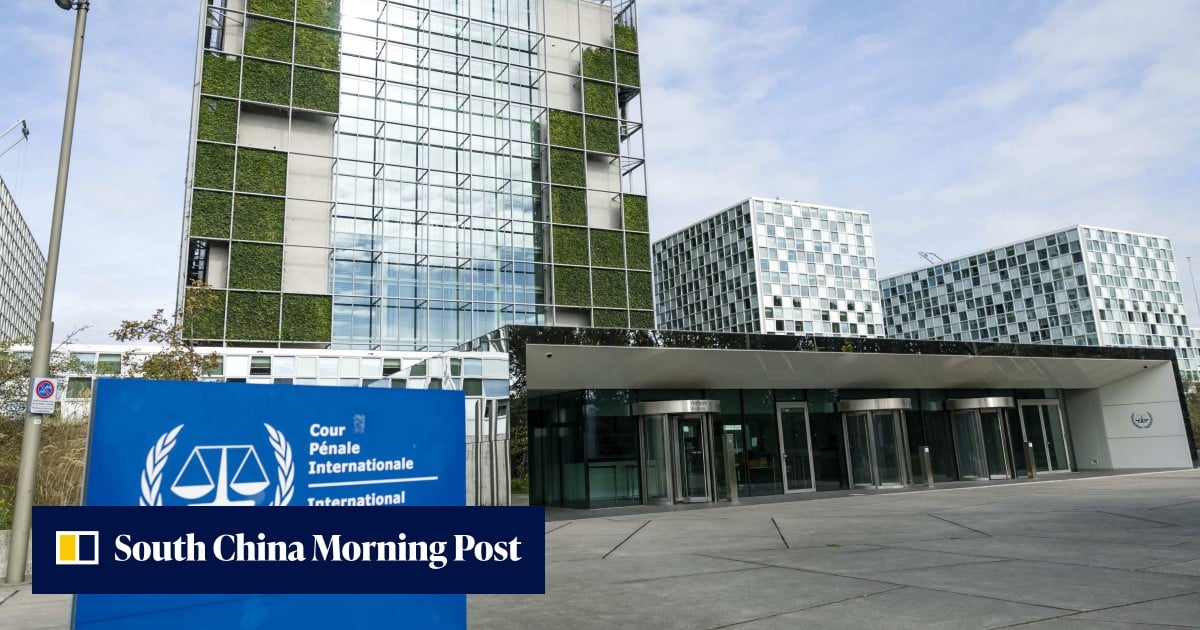
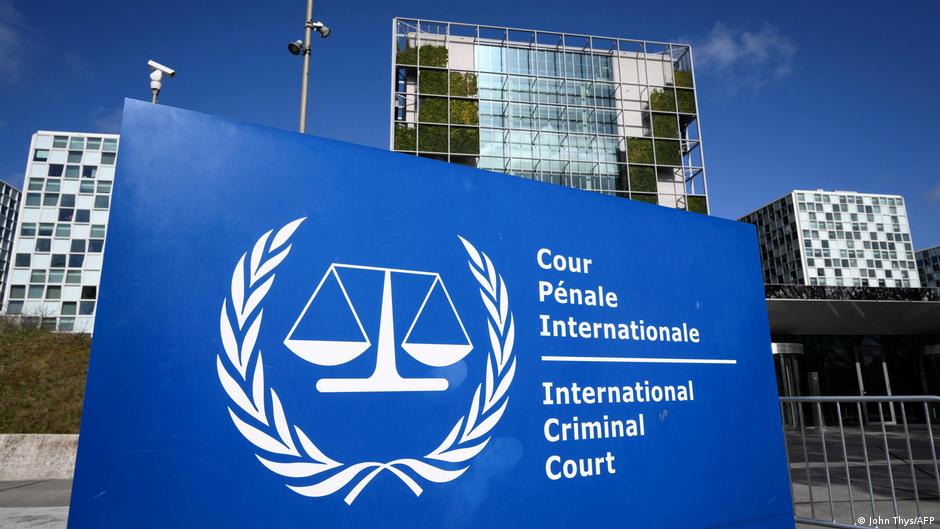
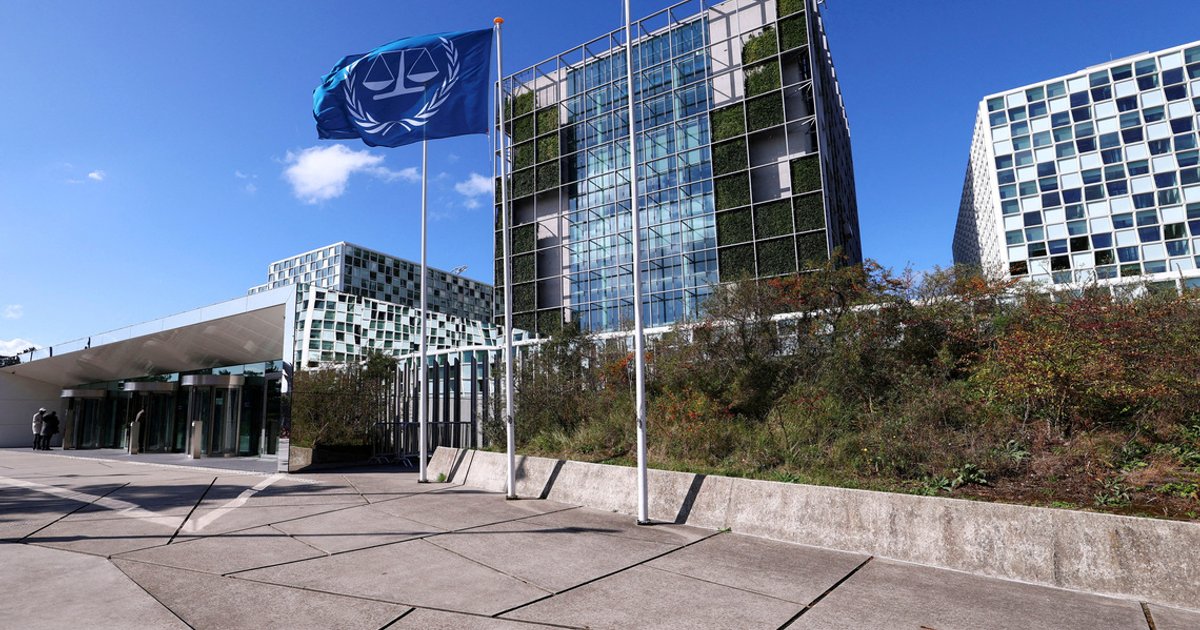
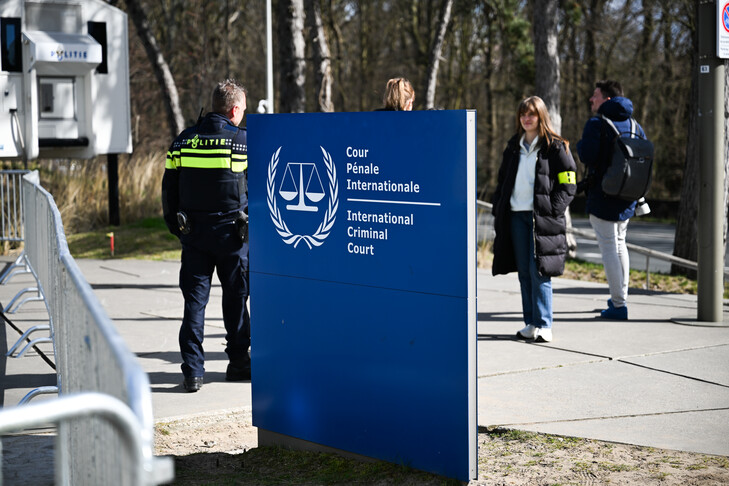
The Trump administration imposed sanctions on the International Criminal Court as an institution on 9 October, after a State Department memo reported on 8 October said "further sanctions" were coming. Secretary of State Marco Rubio said the move was meant to stop prosecutions of Americans.



1 / 8
The story, neutrally told
Right · 1On 8 October the New York Post reported, citing a US official and an internal memo, that the State Department would impose "further sanctions" on the International Criminal Court (ICC) over its attempts to charge American service members. New York PostR “The State Department will impose “further sanctions” on the International Criminal Court in response to its attempts to charge American service members” Read at New York Post ↗ Right · 1The official said diplomatic posts were being warned that "further ICC action" was imminent, and the memo cited longstanding grievances with the US not being a signatory to the court's founding treaty. New York PostR “diplomatic posts were receiving warnings Thursday that “further ICC action” was imminent” Read at New York Post ↗ Right · 1The memo described the ICC as seeking to become "the unaccountable global arbiter" and said the US "has no choice but to impose further sanctions", building on a US campaign to assemble a coalition of countries rejecting the court. New York PostR ““The ICC seeks to become the unaccountable global arbiter”“the United States has no choice but to impose further sanctions.”” Read at New York Post ↗
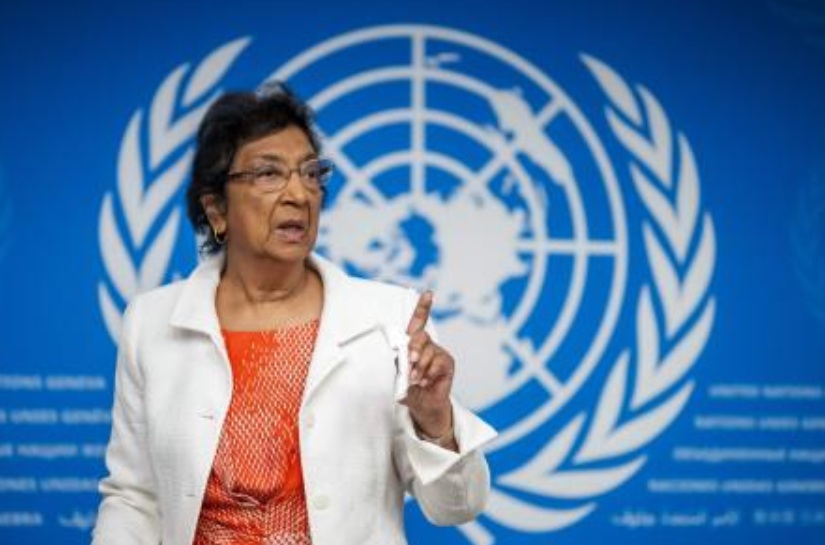
Right · 1Diplomats were told of the pending sanctions after Secretary of State Marco Rubio's Wednesday speech in Athens, in which he denounced attempts "to abolish the sovereignty of nations". New York PostR “American diplomats were informed of the pending sanctions following Secretary of State Marco Rubio’s Wednesday speech in Athens, Greece” Read at New York Post ↗ Right · 1On Friday 9 October, Reuters reported (carried by The Straits Times) that the Trump administration had imposed sanctions on the ICC itself, hours after Navi Pillay, a former ICC judge, won the Nobel Peace Prize. The Straits TimesRC “imposed sanctions on the International Criminal Court on Friday, hours after one of its former judges won the Nobel Peace Prize” Read at The Straits Times ↗ Right · 1Rubio said: "We will ban transactions with this rogue court, cutting off their resources and crippling its ability to operate." He added: "Either the ICC will end its threats, or we will end the ICC." The Straits TimesRC “We will ban transactions with this rogue court, cutting off their resources and crippling its ability to operate.”“Either the ICC will end its threats, or we will end the ICC.” Read at The Straits Times ↗
Right · 1Reuters said the step goes much further than earlier sanctions on the court's prosecutors and judges because it could punish companies that provide services to the court. US sanctions typically force banks to close accounts, insurers to end coverage and software firms to halt cooperation. The Straits TimesRC “Friday's move would go far further, by potentially punishing companies that provide services to the court itself.”“forcing banks to shut accounts, insurers to end coverage and software companies to halt cooperation” Read at The Straits Times ↗ Right · 1Rubio said the action was structured to let the court and its member states address US concerns, and that the US had delayed sanctions hoping they would do so. He said the US expects allies to "rein in the court" and will "continue to adjust accordingly" if that fails. A senior State Department official said the Treasury would issue licences "to protect American interests", which Reuters took to mean temporary exemptions. The Straits TimesRC “We have structured this action to provide an opportunity for States Parties to negotiate and present a solution to address our concerns.”“the US Treasury would issue a set of licenses "to protect American interests"” Read at The Straits Times ↗ Right · 1Reuters noted that Washington has long been angry over ICC arrest warrants for Israeli officials including Prime Minister Benjamin Netanyahu, and over a past investigation into US soldiers in Afghanistan that the ICC has since closed. The Straits TimesRC “Washington has long been angry over ICC arrest warrants issued for Israeli officials including Prime Minister Benjamin Netanyahu” Read at The Straits Times ↗
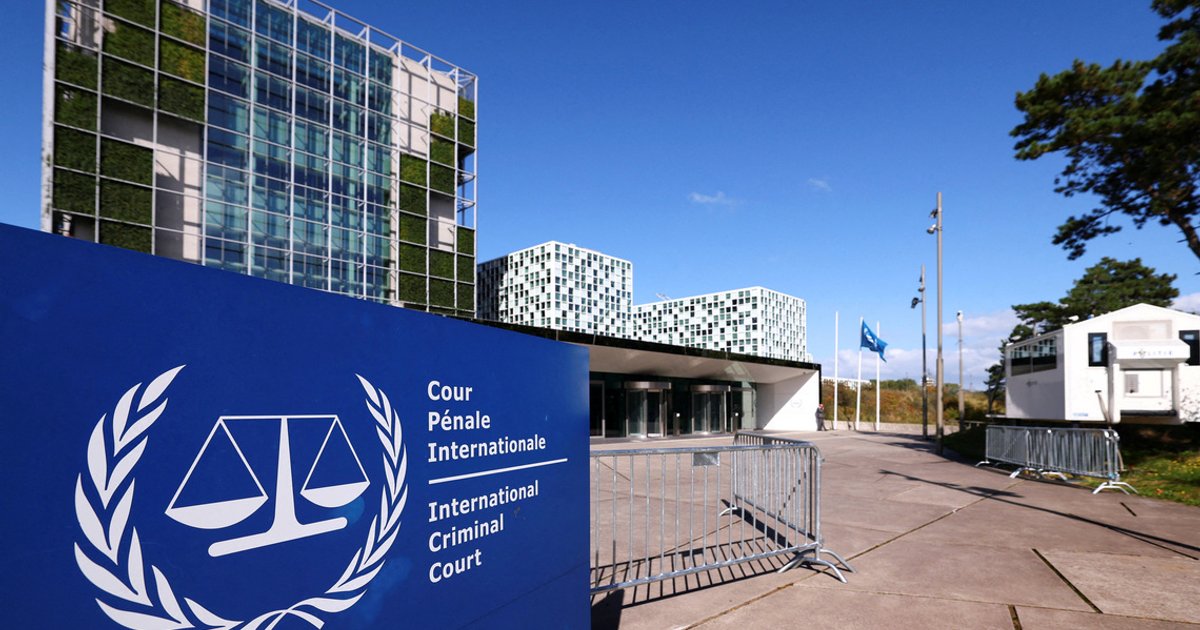
Right · 1The court has 125 member states, including all EU countries and all NATO members except the US and Turkey, and is based in the Netherlands. Reuters said the sanctions put Washington on a collision course with European allies. The Straits TimesRC “counts 125 countries as member states, including all EU countries and all members of the NATO alliance apart from the United States and Turkey”“putting Washington on a diplomatic collision course with European allies” Read at The Straits Times ↗ Right · 1Pillay, a South African jurist, sat on the ICC Appeals Chamber from 2003 to 2008. The Nobel committee said it wanted to "issue a reminder" at a time when "judges and institutions of international law are under political attack". The Straits TimesRC “served as a judge on the ICC's Appeals Chamber from 2003-2008”“judges and institutions of international law are under political attack” Read at The Straits Times ↗ Right · 1Court officials had prepared for months by moving from Microsoft software to open-source equivalents and arranging new banking and health insurance. Registrar Osvaldo Zavala Giler urged the EU earlier in the week to be ready to use its "blocking mechanism" to shield European countries from the sanctions' extraterritorial effects. The Straits TimesRC “shifting office computers from Microsoft software to open source equivalents and making new arrangements for banking and health insurance”“called earlier this week for the EU to be prepared to use a so-called "blocking mechanism"” Read at The Straits Times ↗
Every sentence links to the reporting it rests on. The pill in front of each says where its sources sit: Left, Centre or Right when one side supplies at least half of them, Mixed when they are evenly split. The number is how many outlets it cites.
Left2 outlets
No left outlet in our sources has covered this story yet.
Centre3 outlets
No centre outlet in our sources has covered this story yet.
Right4 outlets
- Framing
- Both outlets present the sanctions largely through the administration's own words. The New York Post leads with the leaked memo and its sovereignty argument. The Straits Times, running Reuters copy, leads with the timing after the Nobel award and the clash with allies.
- Emphasis
- The Post stresses the memo's language on sovereignty and an unaccountable court. The Reuters piece stresses Rubio's statement, the scope of the measures and European exposure.
- Leaves out or plays down
- The Post piece includes no reaction from the ICC or allies. Neither article carries a critical response from the ICC or a government beyond the Nobel committee's citation and the registrar's call for an EU blocking mechanism.
- Charged language
- “unaccountable”“globalist bureaucracy”“rogue court”
- For example
-
“supranational judicial arm of a globalist bureaucracy empowered to persecute American servicemen and officials at will” — New York Post
“We will ban transactions with this rogue court” — The Straits Times
What every side reports
- The US is imposing sanctions on the International Criminal Court as an institution.
- The US administration justifies the move by citing the court's attempts to prosecute Americans and its sovereignty concerns.
- The US is not a party to the ICC's founding treaty.
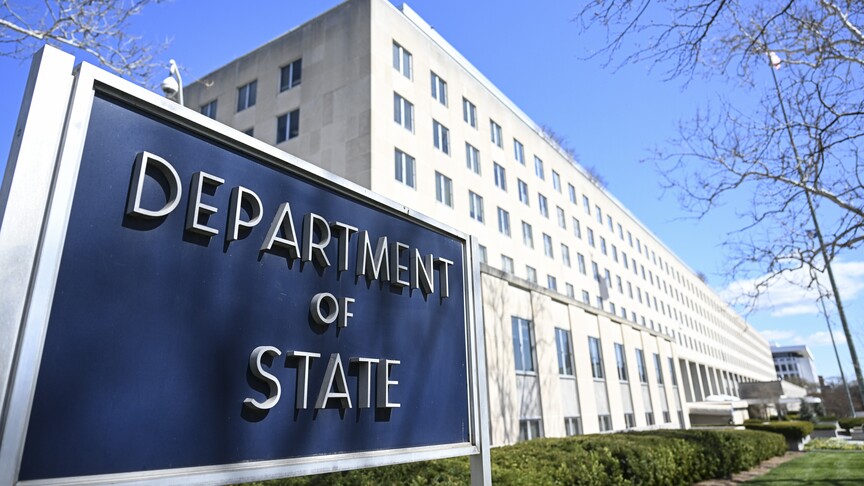
US State Department organisation
Says the ICC threatens Americans who never accepted its authority and that the US has no choice but to impose further sanctions. A senior official says Treasury licences will protect American interests.
“the ICC can pose no threat to those who did not accept its authority” — New York Post
“the US Treasury would issue a set of licenses "to protect American interests"” — The Straits Times
Donald Trump person
His administration is imposing the sanctions. Rubio says Trump "will never allow" the ICC to prosecute Americans.
“President Trump will never allow the International Criminal Court to prosecute Americans” — The Straits Times
International Criminal Court organisation
Neither article carries a direct ICC response. Reuters reports that its officials had prepared for sanctions and that its registrar urged the EU to be ready to use a blocking mechanism.
“Court officials have been preparing for months for the prospect of sanctions on the court itself” — The Straits Times
Navi Pillay person
The former ICC appeals judge won the Nobel Peace Prize for work in international criminal justice. The committee cited institutions of international law being "under political attack".
“Navi Pillay, the South African jurist who won the Nobel Peace Prize on Friday for her work in international criminal justice” — The Straits Times
Left2 articles
Centre4 articles
Right6 articles
-
US slapping fresh sanctions on ‘unaccountable’ International Criminal Court
Neutral Reports a leaked internal memo and quotes its sovereignty rhetoric at length without outside comment.
-
Arab NewsRC · · via Reuters
US imposes sanctions on International Criminal Court, hours after former judge wins Nobel
-
The Straits TimesRC · · via Reuters
US imposes sanctions on International Criminal Court, hours after former judge wins Nobel
Neutral Reuters copy that sets the sanctions against the Nobel award, the scale of the measure and likely friction with European allies.
-

- 8 Oct 16:37 First New York PostR US slapping fresh sanctions on ‘unaccountable’ International Criminal Court
- 9 Oct 13:32 +20h 55m Arab NewsRC US imposes sanctions on International Criminal Court, hours after former judge wins Nobel via Reuters
- 9 Oct 15:04 +22h 28m The Straits TimesRC US imposes sanctions on International Criminal Court, hours after former judge wins Nobel via Reuters
- 9 Oct 15:30 +22h 53m New York PostR Rubio slaps fresh sanctions on ‘rogue’ International Criminal Court, vows to ‘end the ICC’ if prosecution threats go on
- 9 Oct 15:31 +22h 54m Washington ExaminerR US directly sanctions ‘rogue’ International Criminal Court: ‘End this threat once and for all’
- 9 Oct 15:51 +23h 14m South China Morning PostN US slaps sanctions on ICC, hours after ex-judge wins Nobel via Reuters
- 9 Oct 15:53 +23h 16m Deutsche WelleN US imposes sanctions aiming to 'dismantle' International Criminal Court
- 9 Oct 16:04 +23h 27m The Straits TimesRC ICC urges members to make sure it can continue despite US sanctions
- 9 Oct 16:06 +23h 30m The IndependentLC Trump hits International Criminal Court with sanctions – hours after former judge wins Nobel Peace Prize
- 9 Oct 16:15 +23h 38m Anadolu AgencyN US imposes sanctions on International Criminal Court, threatens to 'dismantle' it
- 9 Oct 16:21 +23h 44m Anadolu AgencyN Netherlands vows continued support for ICC after US sanctions announcement
- 9 Oct 16:24 +23h 48m The HinduLC ICC rejects U.S. sanctions, says 'history will judge this moment'
Times are when each article was published, or when we first saw it if the outlet gave no time.